
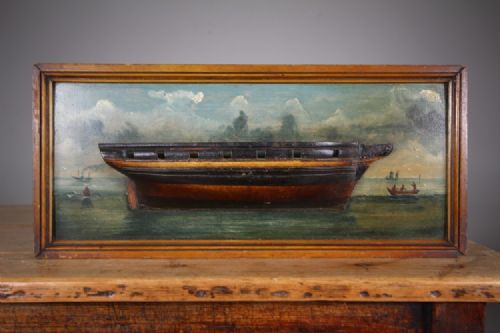
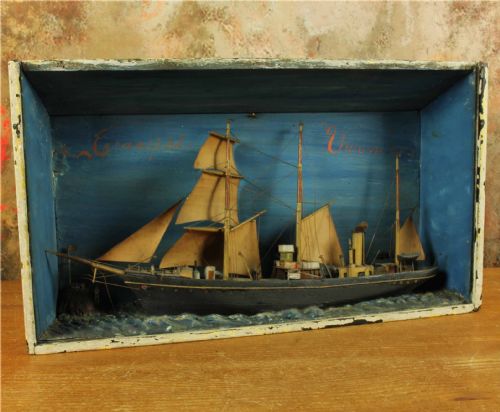


Antique Shadow Box Display
An antique shadow box display holds three-dimensional memories and objects under glass, bringing maritime history and natural history directly into your home.
Antique Shadow Box Display
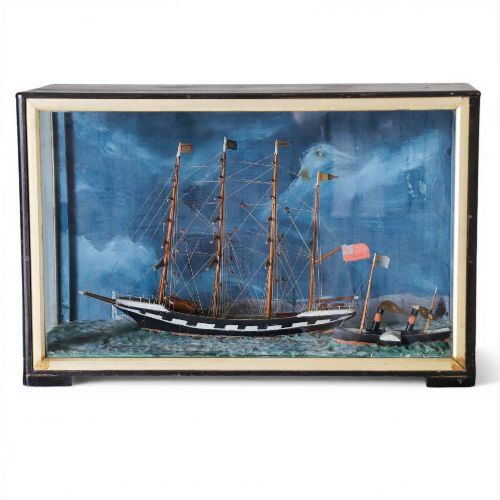
When searching for an antique shadow box display, buyers encounter framed maritime dioramas, taxidermy enclosures, and deep tabletop cabinets designed to protect and showcase precious items.
The pieces appearing here stem primarily from the Victorian and Edwardian eras, spanning the mid-nineteenth century through the early twentieth century.
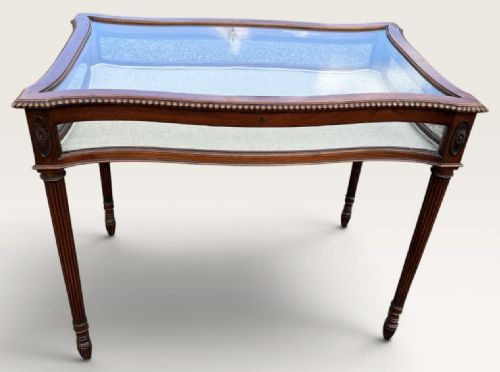
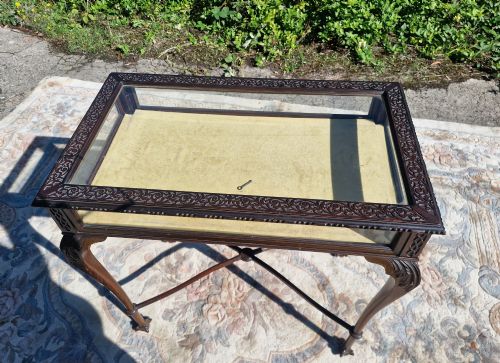
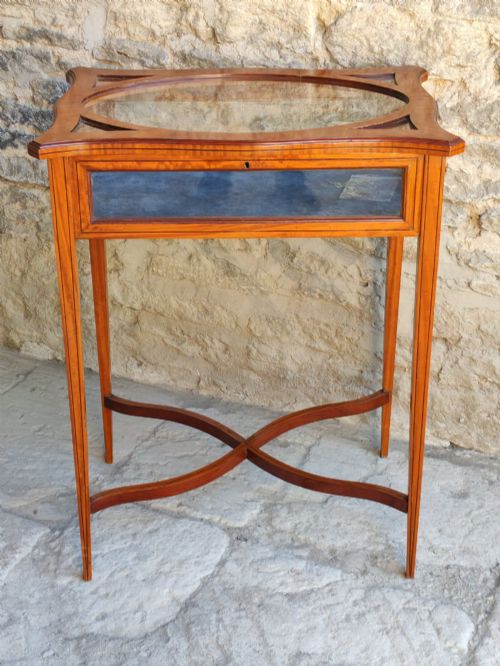
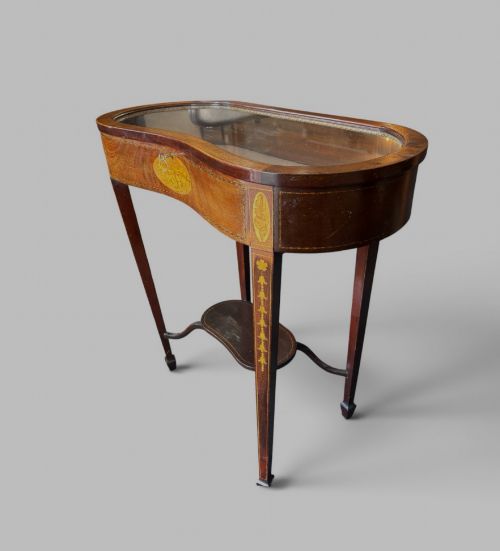
Common formats range from wall-mounted maritime folk art ship models to glass-topped bijouterie display tables and cabinets housing delicate natural history specimens.
Materials and construction methods
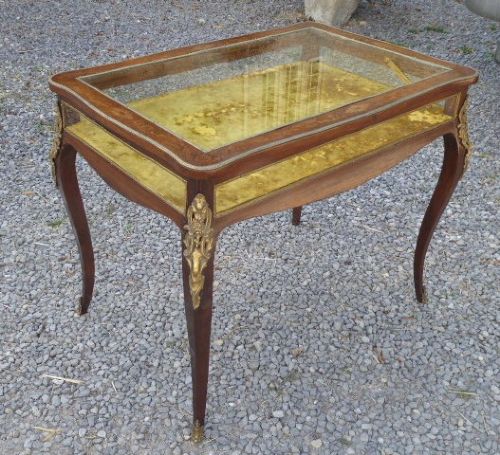
Maker construction relies heavily on solid and veneered timbers including mahogany, rosewood, satinwood, and kingwood, frequently enhanced with intricate marquetry and brass or ormolu mounts.
Internal shadow box and diorama scenes incorporate painted backdrops, carved wooden boat models, straw work, shell arrangements, and preserved biological specimens protected behind glazed wooden frames.
Listings feature eighteenth-century French devotional boxes alongside nineteenth-century maritime dioramas, taxidermy bird scenes, and inlaid mahogany bijouterie tables.
Distinctions in quality
Quality rests upon the intricacy of the internal arrangement and the crispness of the timber cabinetry, separating utilitarian workshop pieces from finely proportioned salon examples.
Superior execution shows in the delicate hand-carving of miniature ship rigging, the naturalistic taxidermy taxidermist staging, and the tight joinery of glazed display frames.
The Antique Shadow Box Display Glossary
- Bijouterie table
- A glass-topped display table designed specifically for showcasing small valuable objects and trinkets. These pieces typically feature hinged lids lined with velvet or fabric.
- Diorama
- A three-dimensional scene representing historical events, maritime subjects, or natural history specimens. They often employ painted curved backgrounds to create a sense of depth.
- Ormolu
- Gilded bronze mounts applied to furniture and cabinet corners for ornamentation. French makers utilised this technique extensively during the nineteenth century.
- Marquetry
- Inlaid wood designs forming decorative patterns on cabinet surfaces. Craftsmen cut contrasting veneers to fit precisely into prepared recesses.
- Taxidermy
- The art of preserving, stuffing, and mounting animal skins for display. Victorian examples frequently place birds within snow scenes or naturalistic woodland habitats.
Antique Shadow Box Display: Frequently Asked Questions
What is an antique shadow box display?
An antique shadow box display is a deep, glass-fronted frame or cabinet designed to protect and exhibit three-dimensional objects, such as ship models or preserved specimens.
These pieces emerged strongly during the Victorian and Edwardian periods as popular domestic ornaments for displaying personal collections and maritime mementos.
How were maritime dioramas constructed?
Maritime dioramas were typically handmade by sailors, folk artists, or specialist craftsmen using carved wood, fabric sails, and painted backdrops.
The finished model was sealed inside a wooden box with a glass front to protect the delicate rigging and painted seascapes from dust and moisture.
Where should I place a bijouterie table?
A bijouterie table works well in a drawing room or study where natural light can illuminate the items displayed beneath its glass top.
Keep these tables away from direct sunlight to protect the internal fabric linings and sensitive wooden veneers from fading.
How do I care for taxidermy displays?
Taxidermy shadow boxes require stable indoor humidity and complete protection from direct sunlight and insect pests.
Leave the glazed enclosures sealed to preserve the internal atmosphere and prevent damage to the delicate mounted specimens inside.