


Antique Serving Set
An antique serving set brings together matched or complementary utensils for the table, spanning periods from the Georgian era through to the Edwardian period.
Antique Serving Set
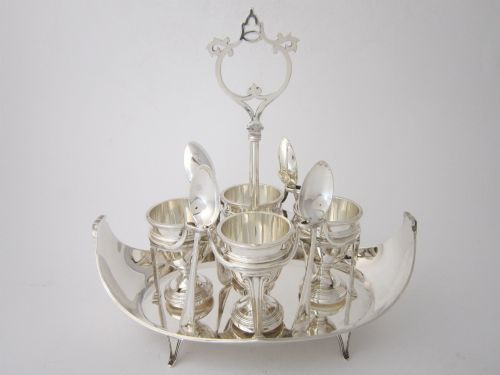
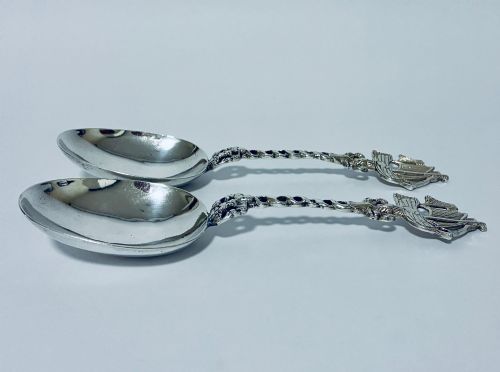
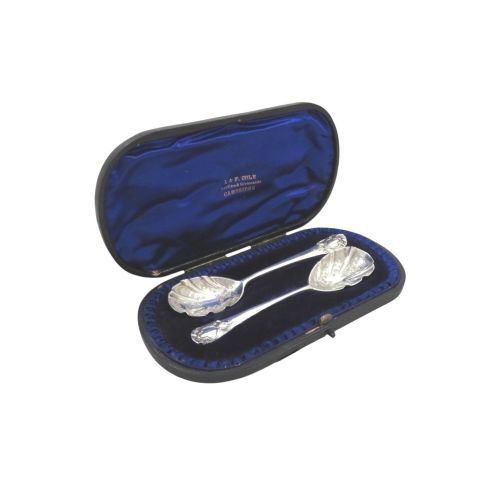
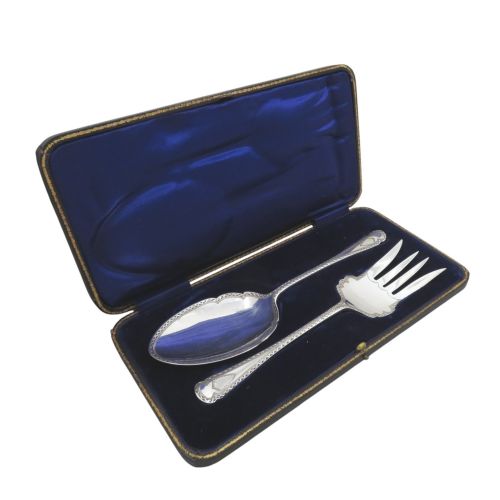
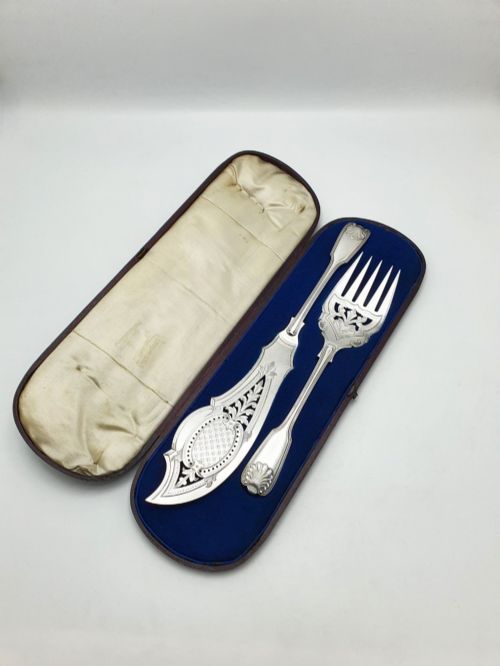
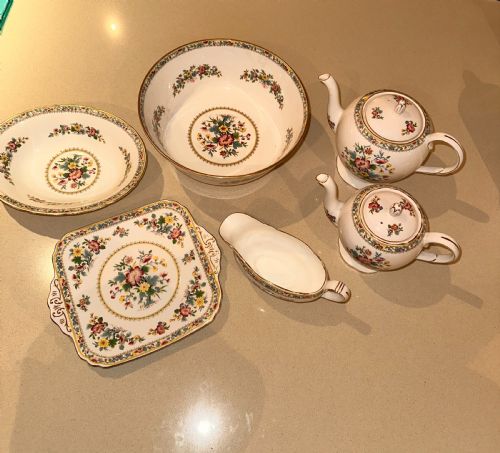
When searching for an antique serving set, buyers encounter specialised utensils and tableware intended for presentation at the table. These pieces range from cased pairs of silver spoons and fish servers to larger porcelain dinner services and ceramic salad bowls.
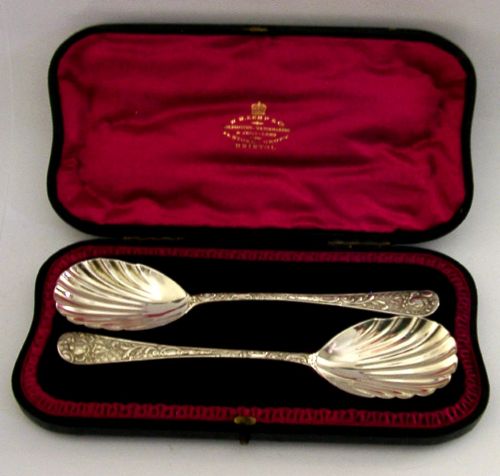
The selections span several centuries, with particular emphasis on Victorian and Edwardian examples alongside earlier Georgian pieces. Utensils often appear in fitted presentation boxes lined with velvet, designed to protect the metalwork and maintain the set together.
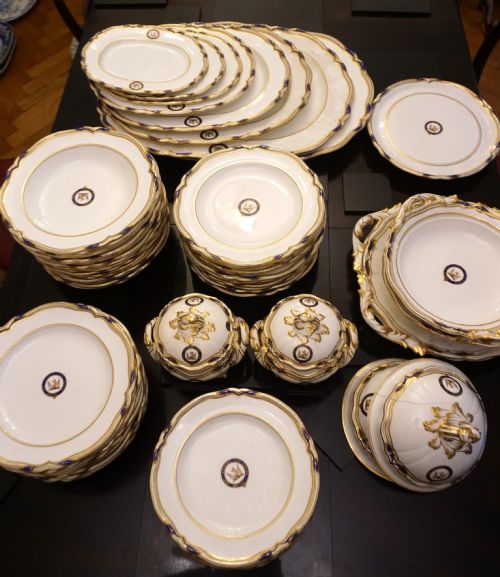
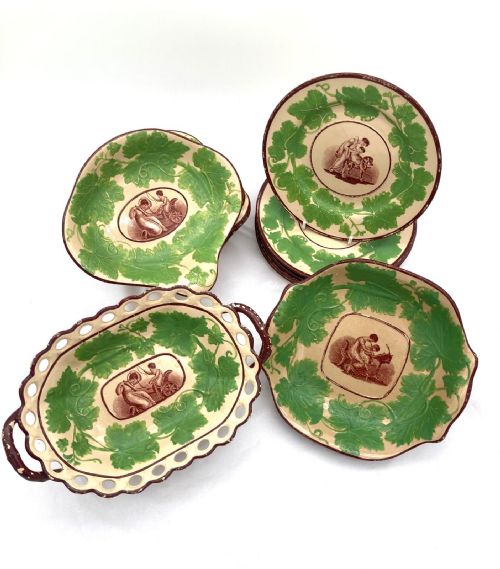
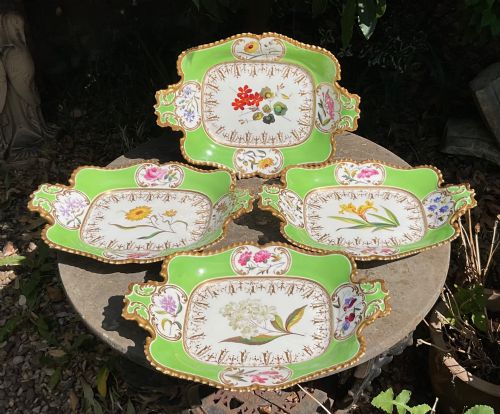
Larger dinnerware and dessert services represent another facet of the category, featuring hand-painted earthenware and porcelain from English and continental factories. Buyers frequently find specialised sets dedicated to specific foods, such as jam spoons, strawberry sets, and cake forks.
Materials and construction
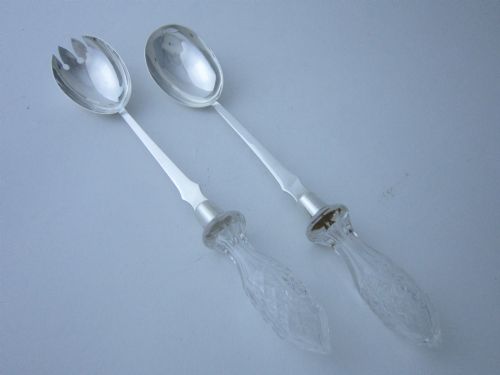
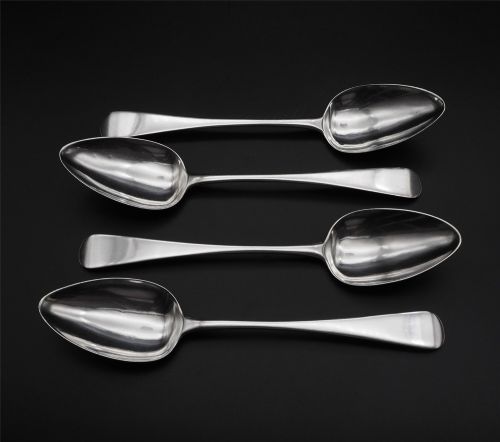
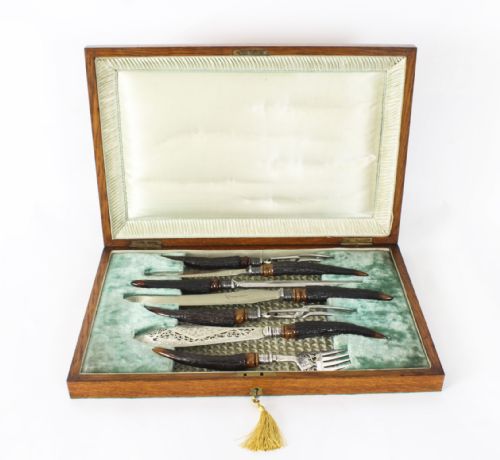
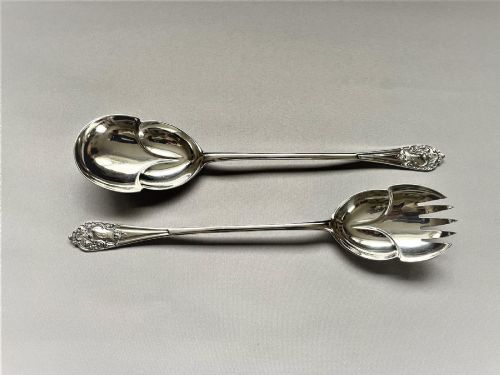
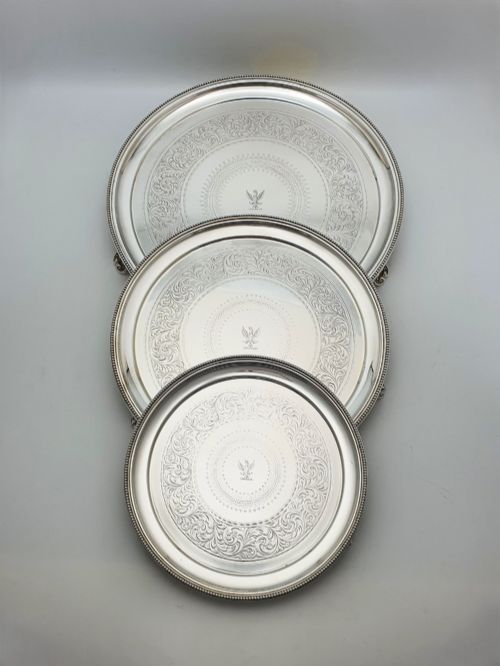
Metal utensils rely heavily on sterling silver and silver plate, often worked with techniques like engraving, chasing, and parcel-gilding. Silversmiths created fish servers, ladles, and basting spoons with pierced blades and detailed handles, sometimes incorporating materials like antler horn or glass.
Ceramic services utilise porcelain, earthenware, and stoneware bodies decorated with hand-painted motifs, printed designs, and coloured glazes. Major factories applied majolica techniques, enamel work, and cloisonné to achieve intricate surface patterns across bowls and plates.
Antique Serving Set Retail Price Guide 2026
Typical asking prices for serving set among the pieces listed under this phrase on Sellingantiques today, from the lower quarter to the upper quarter. They describe what is for sale here now, not the wider market.
The selection includes specialised groupings such as berry spoons, jam spoons, cake forks, and fish servers.
Evaluating standard and craftsmanship
The distinction between ordinary items and finer pieces rests on the crispness of the chasing, the depth of the engraving, and the preservation of the original hand-painted details. Silversmith work demonstrates quality through balanced weight, firm joints in fitted cases, and clear hallmarks indicating maker and date.
In ceramic and glass components, standard is determined by the precision of the hand-painted decoration, the clarity of the glaze, and the absence of wear to gilded rims. Complete sets retained in their original fitted boxes command greater interest than assembled groups.
Chamberlains Worcester·Elkington·Daniel Arter·John Ridgway·Rockingham Pottery·Booths·Coalport·Müller Volkstedt MV Co·Doulton Lambeth·Frank Butler·John Locker
The Antique Serving Set Glossary
- Sterling silver
- A silver alloy containing 92.5 percent pure silver by mass, widely utilised for quality dining utensils.
- Silver plate
- A base metal coated with a thin layer of silver, common in Victorian and Edwardian cutlery sets.
- Berry spoon
- A large serving spoon, often Georgian or Victorian, featuring fruit motifs chased or engraved onto the bowl.
- Fish servers
- A matched knife and fork combination designed for serving fish, usually featuring wide, pierced blades.
- Majolica
- A type of earthenware covered in an opaque tin glaze and painted with bright colours, popular during the nineteenth century.
Antique Serving Set: Frequently Asked Questions
What is included in an antique serving set?
An antique serving set comprises matched implements for the table, ranging from pairs of silver spoons to fish servers and carving utensils.
Larger services encompass porcelain dinnerware, dessert sets, and ceramic salad bowls accompanied by dedicated servers.
How were cased serving sets used?
Cased sets were typically presented as gifts for weddings or special occasions, housed in fitted wooden boxes lined with velvet.
The protective casing kept delicate silver flatware and fork sets secure between formal dining events.
How do I identify a Victorian serving set?
Victorian sets often display heavy ornamentation, including chased fruit designs, engraved scrollwork, and ornate handles on silver plate or sterling silver.
Many of these pieces bear hallmarks or registration marks that allow precise dating to the nineteenth century.
Are ceramic dinner services durable?
Nineteenth-century porcelain and earthenware services utilise robust ceramic bodies, though hand-painted decoration requires careful handling.
Most ceramic sets from this era benefit from gentle hand washing rather than mechanical dishwashers to preserve the glaze.