

Antique Secretary Slope
An antique secretary slope combines a fall-front desk with hidden compartments, offering a tactile writing surface rooted in centuries of cabinetmaking.
Antique Secretary Slope
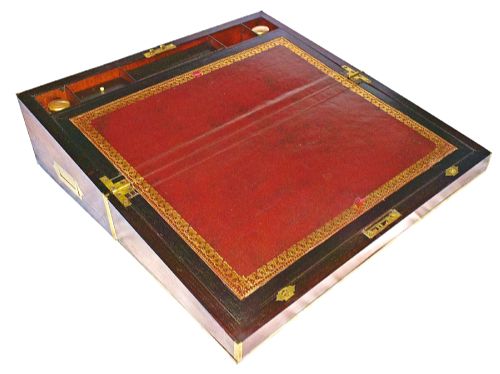
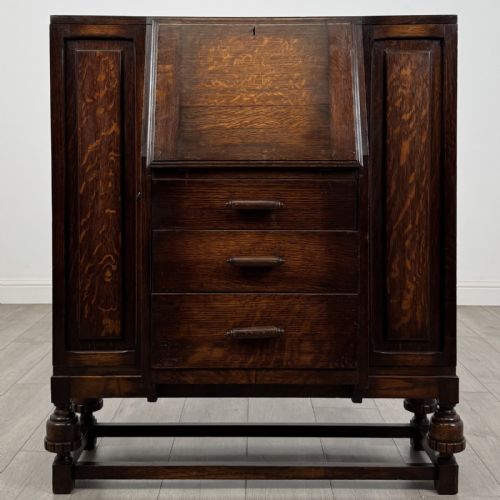
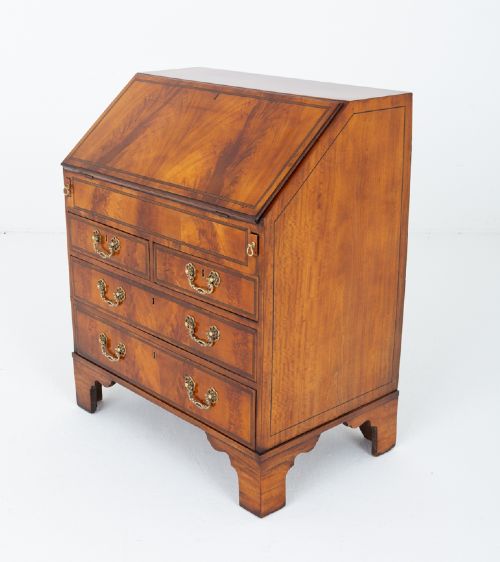
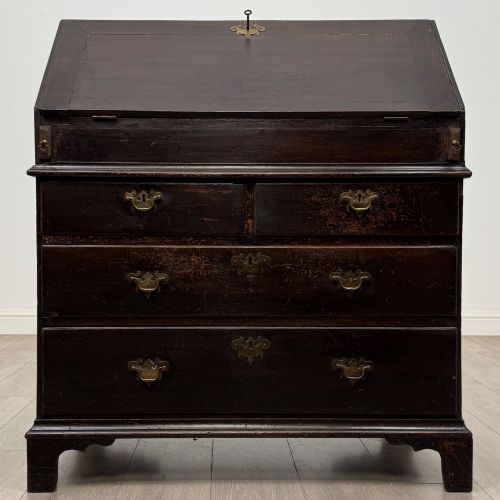
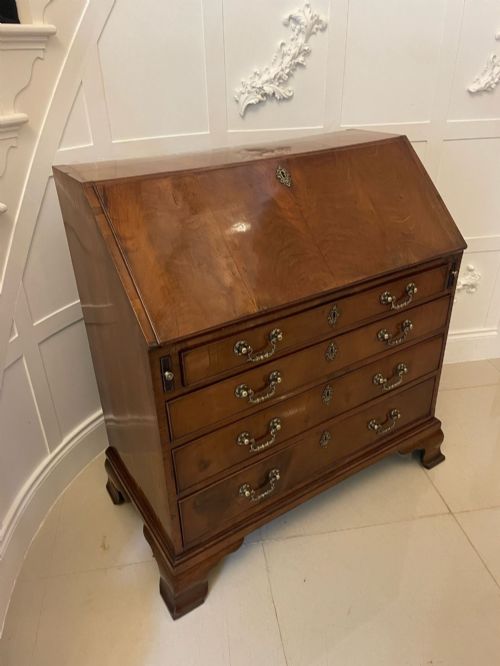
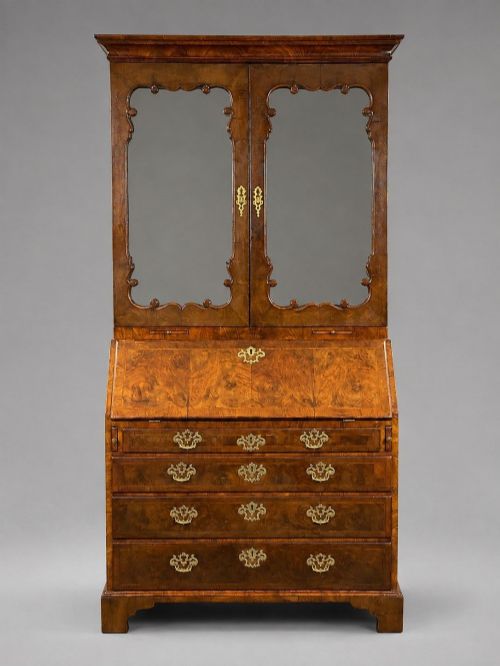
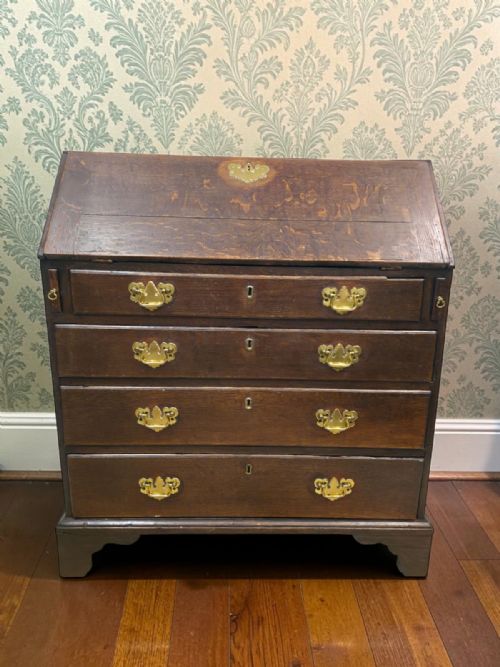
When you search for an antique secretary slope, you encounter practical writing furniture designed with a hinged flap that drops to form a desk surface. The listings on this page span several centuries, featuring forms classified as bureaux, writing desks, and bureau bookcases.
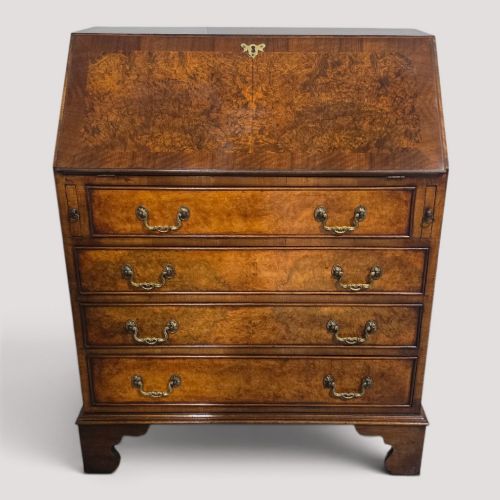
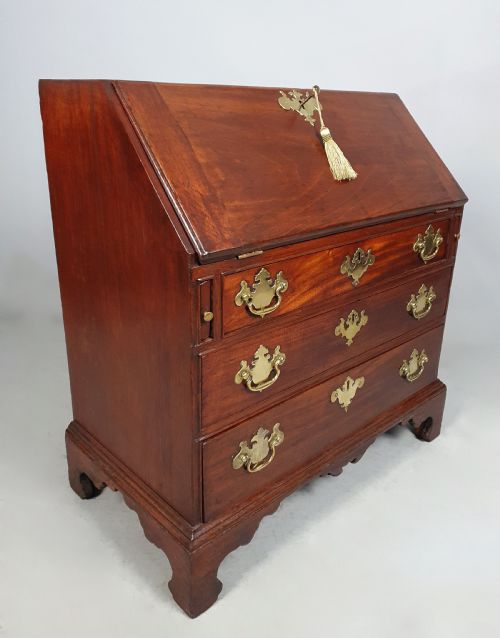
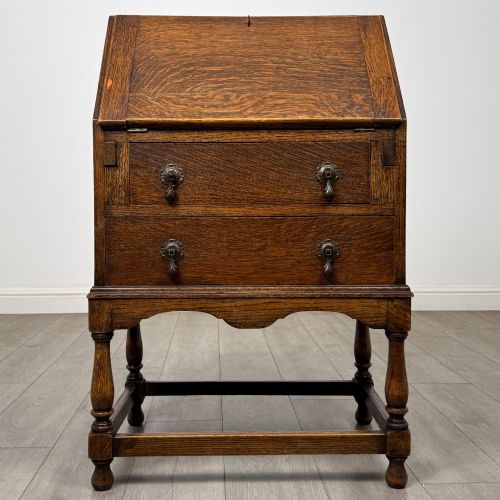
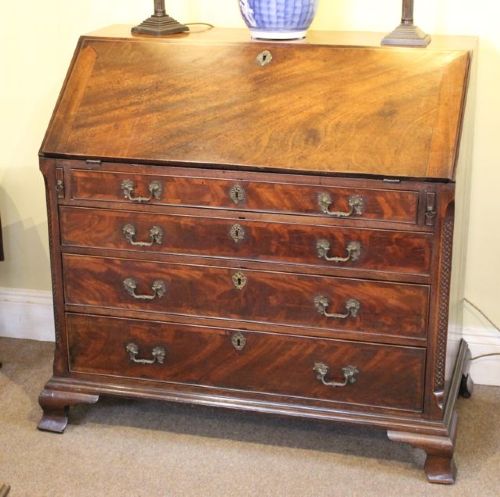
The varieties appearing most frequently originate from the eighteenth century, including George II and George III examples, alongside later Edwardian and 1920s interpretations. These range from compact oak and mahogany desks to larger burr walnut and satinwood bureau bookcases with fitted interior compartments.
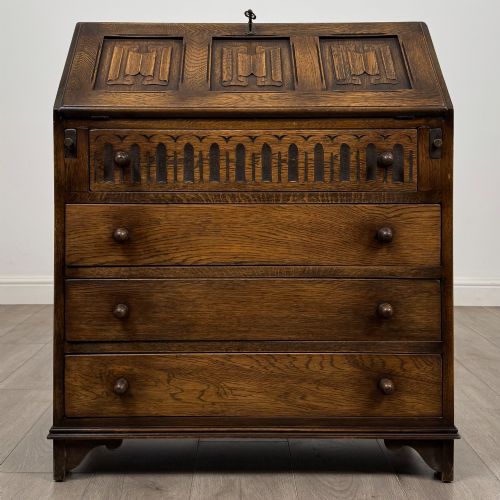
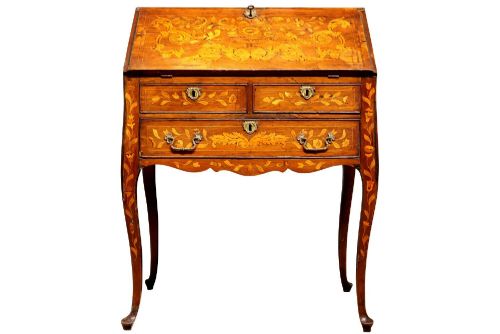
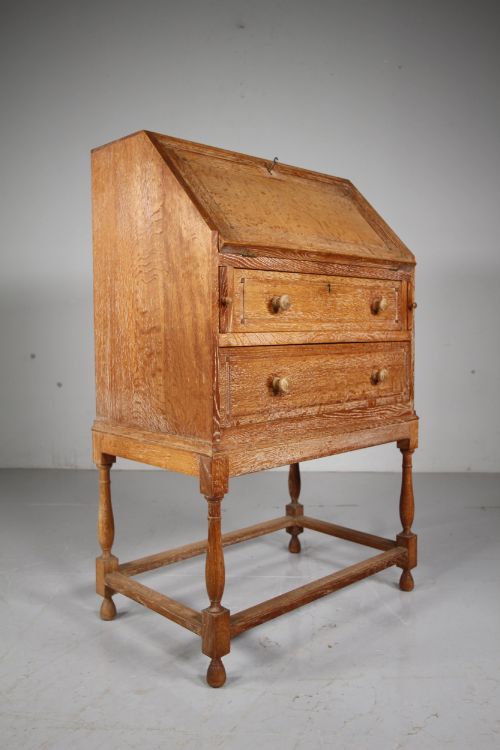
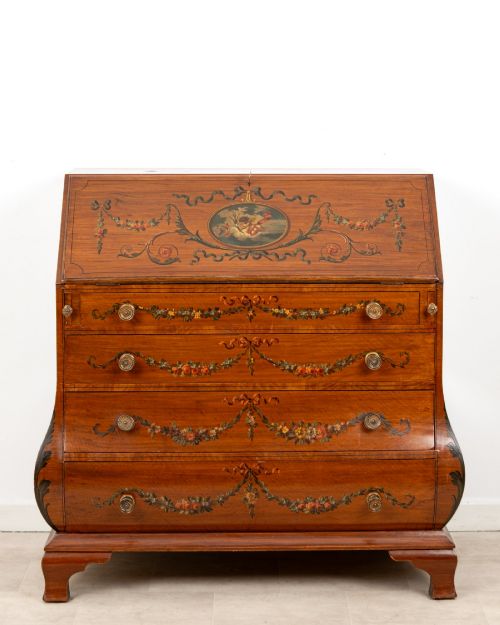
Makers and workshops of the past utilised these forms for domestic correspondence and record-keeping, incorporating secret drawers, hidden wells, and inkwells. The selection reflects diverse regional styles, encompassing Dutch floral marquetry, English mahogany craftsmanship, and Arts and Crafts oak cabinets.
Materials and construction
Cabinetmakers constructed these pieces primarily using dense timbers such as mahogany, oak, walnut, and burr walnut, occasionally incorporating fruitwood, cedarwood, elm, and satinwood for contrasting veneers. The structural integrity relied on traditional joinery, dovetail drawers, and timber framing suited to each specific period style.
Surface decoration frequently involved figured wood grains, floral marquetry, and carved detailing, complemented by functional brass hardware, ironwork, and leather writing inserts. Fall fronts required sturdy hinges and internal pigeonholes to support the downward pressure of daily writing use.
Current listings feature pieces spanning the 18th century through the 1920s, constructed in mahogany, oak, walnut, and satinwood.
Indicators of quality
The caliber of an antique secretary slope depends on the selection of timber veneers and the intricacy of the internal fittings, such as secret drawers and custom pigeonholes. Finer pieces demonstrate superior figure in the grain, particularly in walnut and mahogany variants, alongside precise dovetailing and well-balanced fall-front mechanisms.
Original hardware, untouched surfaces, and documented labels distinguish exceptional craftsmanship from standard production. The presence of period-correct brasses and intact internal wells elevates a piece, whereas later alterations or heavily restored surfaces alter the inherent character of the cabinet.
Heals of London
The Antique Secretary Slope Glossary
- Bureau
- A writing desk with a sloping hinged lid that covers compartments and drawers. This term frequently overlaps with secretary and slope in historical listings.
- Fall front
- The hinged writing flap that drops down to form a horizontal desk surface. It conceals the inner pigeonholes and secret drawers when closed.
- Marquetry
- Decorative veneer work forming intricate patterns using various coloured woods. Dutch examples often display floral motifs executed in this technique.
- Pigeonhole
- A small, open compartment inside a desk used for sorting letters and papers. These are often framed by miniature drawers within the slope interior.
- Escritoire
- An alternative term for a writing cabinet or desk. It denotes furniture specifically designed for correspondence and keeping documents.
Antique Secretary Slope: Frequently Asked Questions
What is an antique secretary slope?
An antique secretary slope is a desk featuring a sloping, hinged fall-front lid that opens to reveal a fitted interior with small drawers and pigeonholes.
These pieces were historically used for private correspondence and document storage, combining a compact footprint with secure compartments.
How do I date an antique bureau?
Dating involves examining the timber species, construction methods, dovetail joints, and hardware style. Eighteenth-century pieces often feature solid mahogany or walnut with hand-cut dovetails, while Edwardian and 1920s revivals utilise machine-cut elements and distinct period veneers.
Stylistic cues, such as Queen Anne cabriole legs or Georgian bracket feet, also help narrow down the decade of production.
Where were secretary slopes placed?
These desks traditionally sat in private drawing rooms, libraries, or bedrooms where individuals managed personal letters and household accounts. Their enclosed storage kept sensitive documents secure from casual view.
In modern spaces, they function effectively as compact home workstations or statement hallway furniture.
What are secret drawers?
Secret drawers are concealed compartments built into the inner framework of a bureau behind removable panels or false bottoms. Cabinetmakers designed them to safeguard valuables, jewellery, or private papers.
Discovering these hidden spaces often requires releasing internal spring catches or sliding locking partitions.