


Antique Secret Box
An antique secret box brings hidden compartments and concealed mechanisms into everyday rooms, rewarding curiosity with small spaces built for valuables.
Antique Secret Box
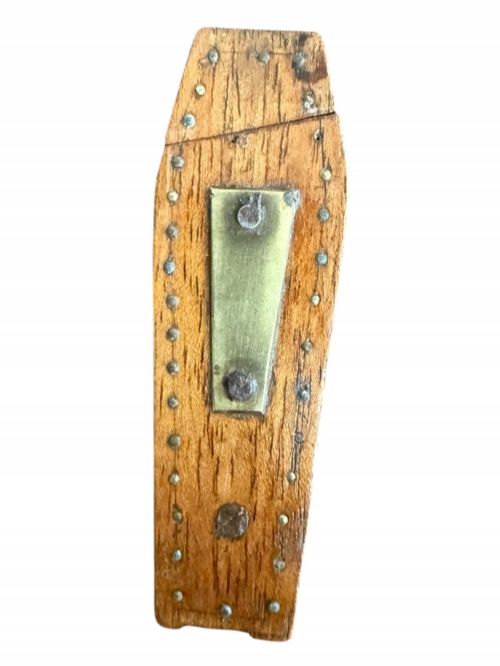
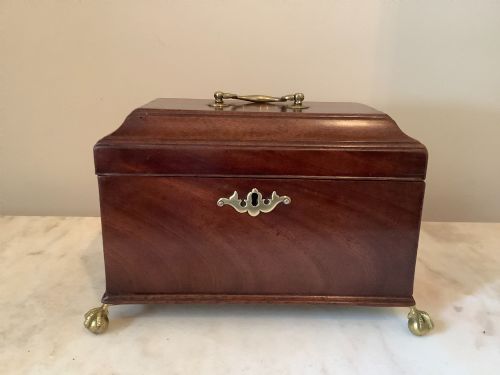
An antique secret box encompasses functional containers designed with concealed drawers, hidden compartments, or trick mechanisms to safeguard documents, currency, and personal items. These pieces appear frequently as writing slopes, tea caddies, desk boxes, and novelty book forms across the Georgian and Victorian periods.
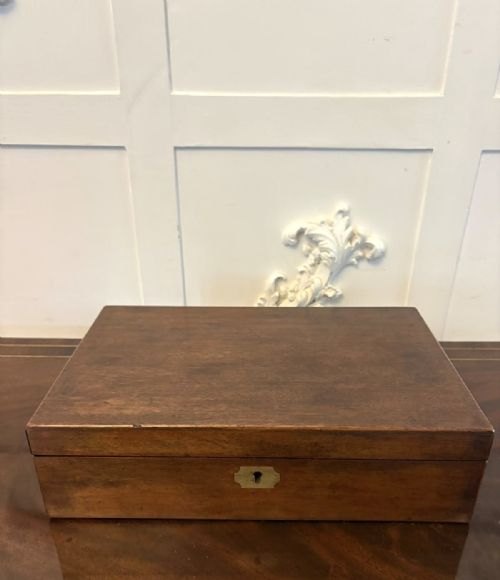
The version most commonly encountered in this selection is the Victorian or Georgian writing slope, constructed in mahogany, walnut, or rosewood, often featuring brass binding and fitted interiors housing concealed drawers beneath the stationary well. Alongside these desktop companions, buyers meet puzzle boxes, faux book caskets, and miniature apprentice chests designed with similar hidden recesses.
Originating from domestic and campaign settings, an antique secret box reflects a period when personal security relied on ingenious cabinetry rather than digital locks. The selection ranges from plain oak desk boxes to elaborate burr walnut specimens bearing Bramah locks and secret compartments.
Materials and construction methods
Cabinetmakers utilised dense hardwoods such as mahogany, walnut, and rosewood for structural durability, frequently applying veneers of burr walnut or coromandel to visible surfaces. Brass featured heavily in corner bindings, hinges, and inlay, providing both reinforcement for travel and decorative contrast against the dark timber.
Internal mechanisms relied on precise joinery and spring-loaded releases, allowing panels to slide or spring open only when specific sequences or hidden catches were manipulated. Leather and tooled paper lined writing surfaces and book boxes, while specialised locks by makers provided secure closure for valuables.
Listings feature writing slopes, tea caddies, blanket boxes, and faux book safes spanning the Georgian, Victorian, and Edwardian periods.
Distinctions in construction and execution
The hierarchy of quality rests upon the complexity of the concealed mechanism and the fidelity of the cabinetwork. Superior examples integrate secret drawers so seamlessly that grain patterns remain uninterrupted across moving joints, whereas simpler boxes reveal visible seams or loose tolerances.
Materials and hardware further separate standard domestic containers from high-grade pieces. Selection of figured timber veneers, substantial brass edging, and integrated Bramah locks denote higher workshop standards compared to plain secondary woods and basic iron latches.
George Austin of Dublin·Maurice Bouval·Stobwasser
The Antique Secret Box Glossary
- Writing slope
- A portable desk with a hinged, sloping lid that opens to reveal a writing surface, inkwells, and storage compartments. Many include secret drawers accessible by lifting internal partitions.
- Bramah lock
- A high-security cylindrical lock invented by Joseph Bramah in the late eighteenth century. These mechanisms were frequently fitted to quality Victorian boxes to protect sensitive contents.
- Tea caddy
- A container designed to store loose tea leaves, often partitioned inside and featuring a central locking lid. Georgian and Victorian iterations occasionally incorporated secret compartments beneath the canisters.
- Campaign style
- Furniture and boxes constructed for military travel, characterised by brass corners, flush handles, and robust timbers. These pieces were built to withstand frequent transit while maintaining internal refinement.
Antique Secret Box: Frequently Asked Questions
How do I open the secret compartments?
Most secret compartments require removing internal trays, sliding dummy partitions, or pressing hidden wooden spring catches in a specific sequence. Inspecting the interior for loose dividers or unusual grain patterns usually reveals the starting point of the mechanism.
Forcing a panel should be avoided, as the internal wooden springs and pins rely on subtle pressure rather than crude leverage to release.
What were secret boxes originally used for?
These boxes served to store private correspondence, currency, jewellery, and documents away from prying eyes in domestic or travel settings. Writing slopes provided a portable desk space where sensitive letters could be penned and locked securely.
Novelty versions disguised as books or stacks of coins offered discreet storage on open shelves and desks, blending concealment with everyday decor.
How can I date a wooden writing slope?
Dating relies on timber choices, construction methods, and hardware styles. Georgian pieces often display simpler mahogany or rosewood framing with fine dovetailing, while Victorian examples frequently incorporate heavy brass binding, burr walnut veneers, and complex internal stationery fittings.
Lock types and key escutcheons also provide chronological markers, as patented lock designs appeared progressively through the nineteenth century.
Are faux book boxes genuine period items?
Many faux book boxes date from the nineteenth and early twentieth centuries, constructed from carved wood, tooled leather, or metal as decorative storage objects. They were produced in various European workshops to sit inconspicuously among real library volumes.
Examining the hinges, interior lining, and material ageing helps confirm whether a piece belongs to the Victorian, Edwardian, or later periods.