

Antique Scroll Table
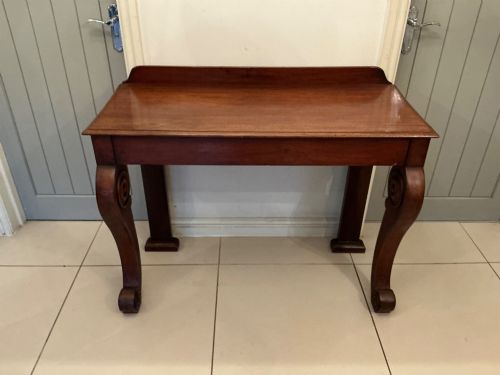
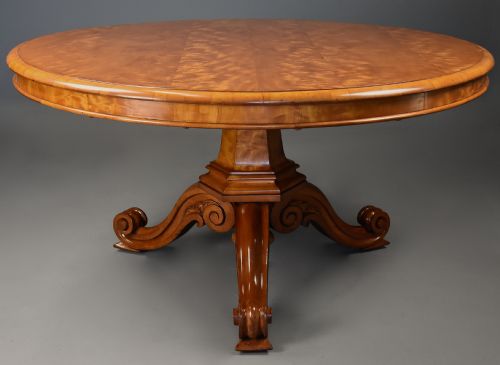
An antique scroll table brings architectural grace to a room, featuring carved pedestals and supports that anchor the design.
Antique Scroll Table
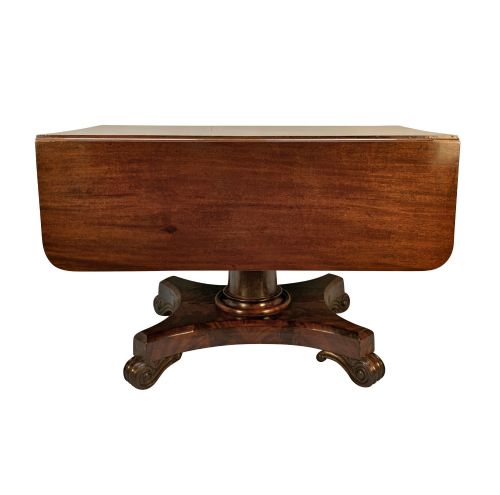
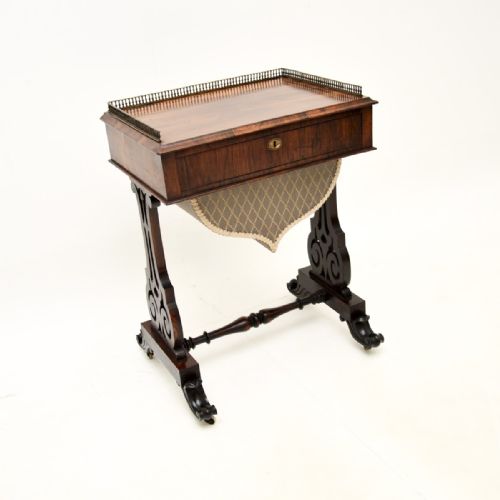
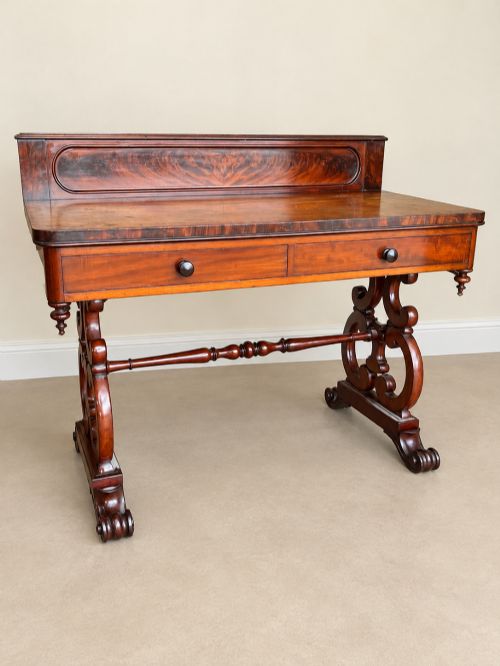
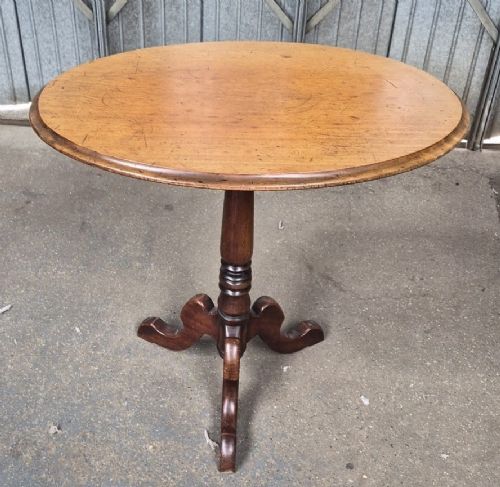
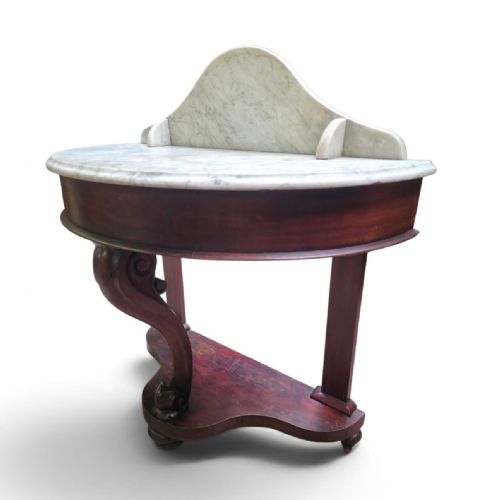
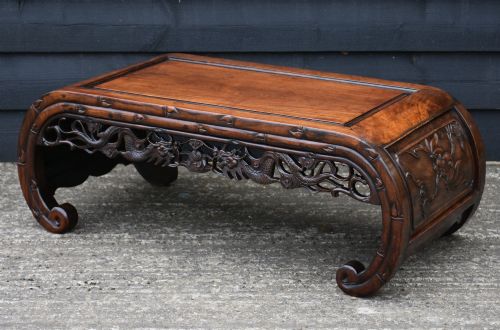
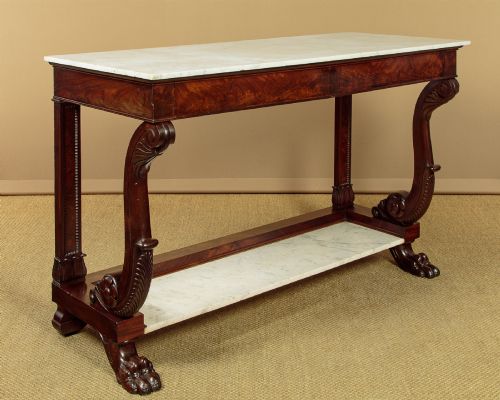
When you search for an antique scroll table, you find a variety of forms designed for domestic use during the nineteenth and early twentieth centuries. Console tables, coffee tables, and card tables dominate the selection, often resting upon pedestals or legs defined by scrolled woodwork or ironwork.
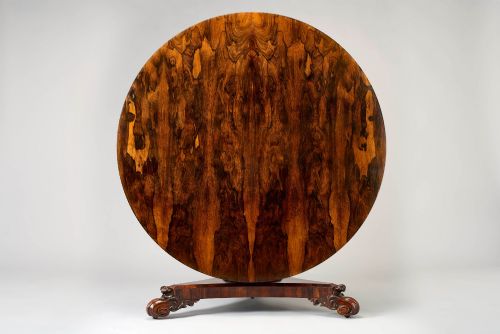
The pieces on this page span the Victorian, Regency, and William IV periods, alongside Chinese export items and Edwardian examples. Mahogany, rosewood, and walnut appear frequently, sometimes paired with marble tops or brass details.
Makers and craftsmen of the nineteenth century utilised these scrolled motifs to add visual movement to heavy timber furniture. A buyer is most likely to encounter mahogany and rosewood console or centre tables carrying these characteristic curves.
Materials and construction
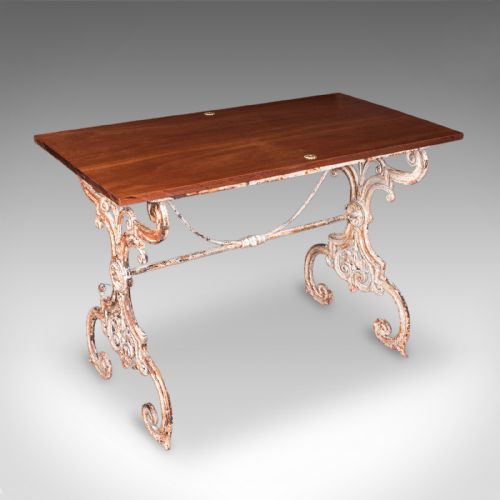
Cabinetmakers constructed these tables from dense timbers such as mahogany, rosewood, and oak, applying veneers of burr walnut or satin birch to large surfaces. Structural integrity relied on solid framing, while decorative scrollwork was carved from the solid wood or shaped from wrought iron and cast iron.
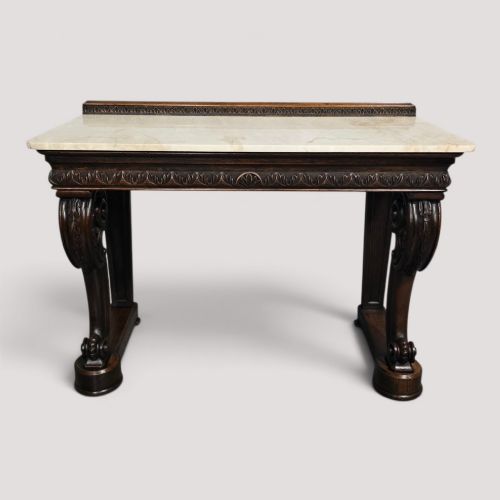
Marble tops, frequently found on console tables and washstands, added weight and a cool surface, supported by heavy wooden frames or metal bases. Brass fittings and ormolu mounts were integrated into pedestals and edges to accent the polished timber.
Antique Scroll Table Retail Price Guide 2026
Typical asking prices for scroll table among the pieces listed under this phrase on Sellingantiques today, from the lower quarter to the upper quarter. They describe what is for sale here now, not the wider market.
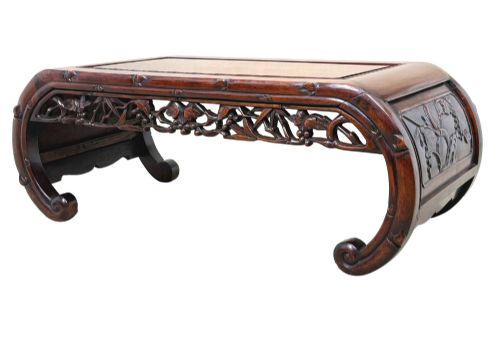
Some nineteenth-century opium tables ended up serving as low coffee tables after travelling halfway across the world from Chinese export workshops.
Judging quality in scroll furniture
The standard of carving on the scroll elements separates standard cabinet work from superior examples. Crisp, deep relief work executed by hand shows the artisan's skill, whereas softer or shallower moulding indicates a more utilitarian production.
Figure and grain in the mahogany, rosewood, or walnut veneer define the visual richness of the surface. Book-matched veneers and carefully selected timbers demonstrate greater cost and care in the original workshop.
Gillingtons of Dublin·James Mein of Kelso
The Antique Scroll Table Glossary
- Console table
- A table designed to stand against a wall, frequently fixed to it or supported by front scroll legs. These pieces often feature marble tops.
- Card table
- A folding table intended for gaming, typically lined with baize and supported on a pillar and scroll pedestal base.
- Centre table
- A freestanding table meant to be viewed from all sides, placed in the middle of a room rather than against a wall.
- Tilt top
- A tabletop mechanism allowing the surface to pivot vertically when not in use, saving space in smaller rooms.
- Quadrapod base
- A heavy central pedestal branching out into four feet, frequently carved with scrolls to support large circular tables.
Antique Scroll Table: Frequently Asked Questions
Where should a console table go?
A console table fits naturally in a hallway, drawing room, or entrance space against a flat wall. Because many historical examples feature finished backs or marble surfaces, they serve well beneath mirrors or paintings.
Positioning one in a passage creates a practical surface for dropping keys or displaying decorative objects without blocking foot traffic.
How do I care for rosewood?
Rosewood requires stable indoor humidity and protection from direct sunlight to prevent the timber from drying out or fading. Dusting with a dry, soft cloth maintains the polished finish without harming the grain.
Avoid placing damp items directly onto antique wood surfaces, especially where veneers are present, to prevent lifting or water rings.
How do I date Victorian furniture?
Dating Victorian pieces involves examining the timber species, construction methods, and hardware styles used by the maker. Mid-nineteenth-century items often display hand-cut dovetails and dense native or imported hardwoods like mahogany and rosewood.
Historical records, registration marks, and stylistic shifts from Regency revival to later aesthetic movements help narrow down the decade of manufacture.