





Antique Scottish Figurine
An antique scottish figurine brings the character of the 19th century into a room through earthenware, bronze, and hand-painted detail.
Antique Scottish Figurine
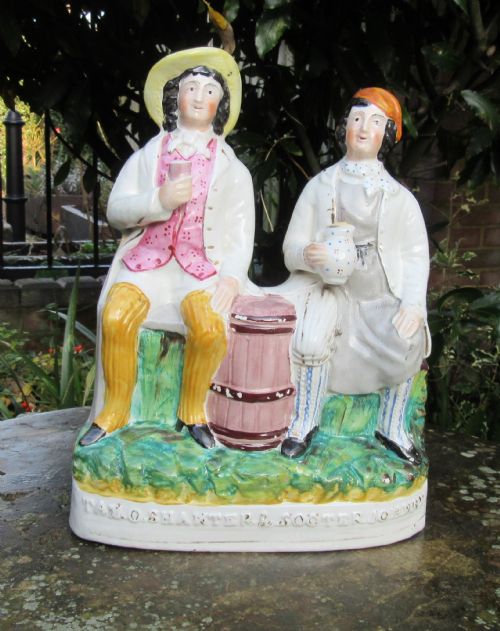
When you search for an antique scottish figurine, you encounter a varied group of ceramics and bronzes depicting Scottish subjects, animals, and historical figures. The most common examples on this page are Victorian Staffordshire pottery pieces, ranging from flatback figures of Highlanders and lairds to pairs of comforter spaniels and watch holders.
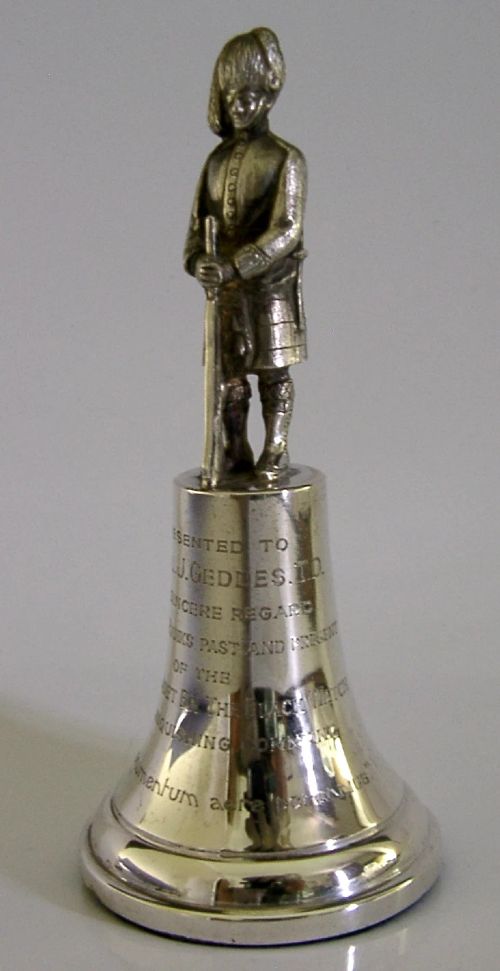
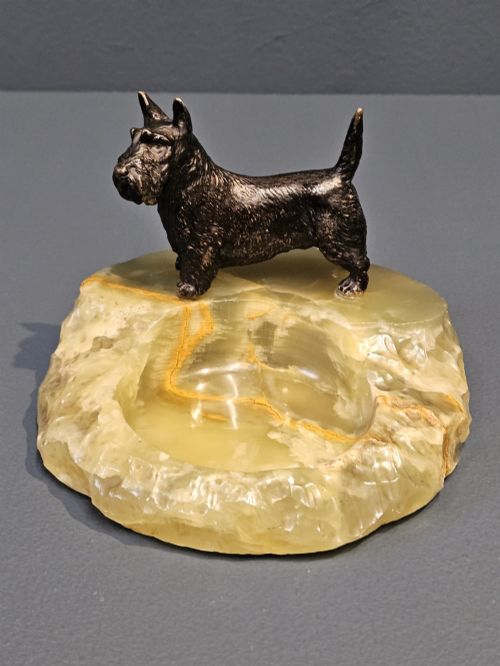
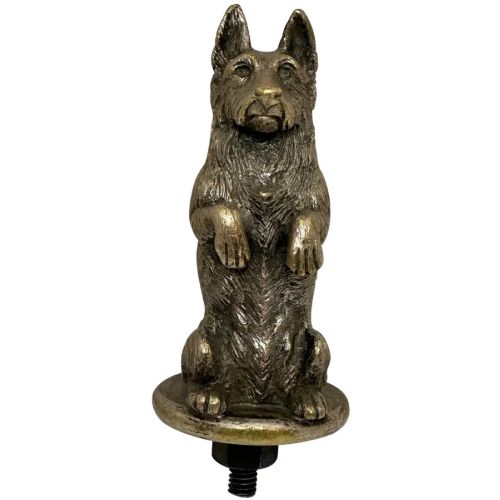
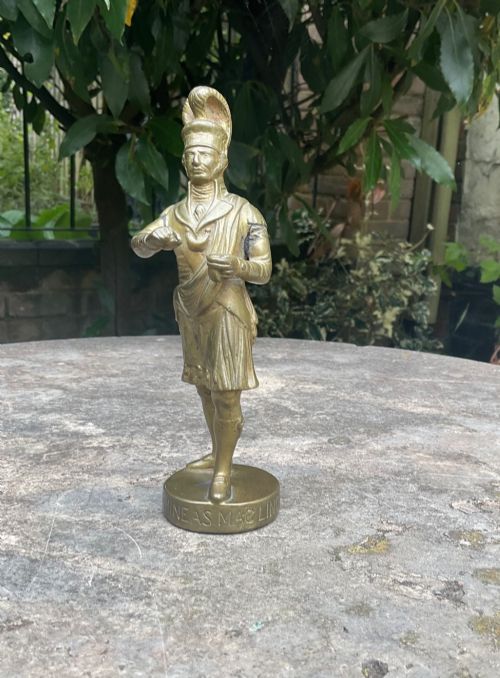
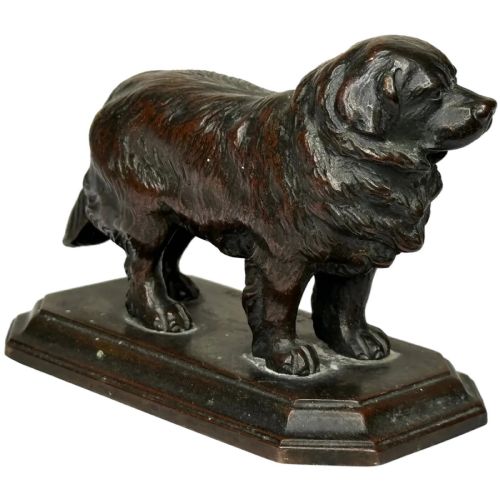
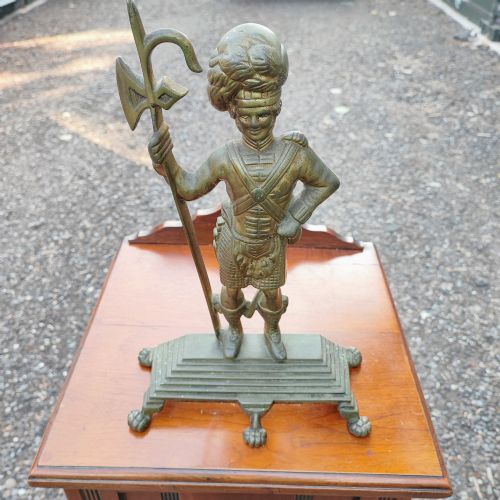
Beyond earthenware, the selection includes bronze sculptures and desk accessories from the late 19th and early 20th centuries, often featuring terriers or specific personalities. These objects served diverse domestic purposes, functioning as spill vases, door stops, car mascots, and desk tidies alongside purely decorative sculptures.
Origins stretch from Staffordshire potteries producing folk art figures to Austrian foundries casting cold painted bronze. You will find both individual portrait figures, such as Highland Jessie or Tam O'Shanter, and symmetrical pairs designed for mantelpieces.
Materials and Methods
Pottery figures rely on earthenware bodies formed in moulds and finished with lead glaze and enamel paint. Artisans applied hand-painted details over the glaze, occasionally incorporating gold leaf or glass eyes to bring expression to animals and human subjects.
Bronze sculptures and desk accessories utilise metal casting techniques, often enhanced with cold painted surfaces. Foundries combined bronze casting with detailed surface finishing to produce small desk tidies, car mascots, and portrait busts.
Antique Scottish Figurine Retail Price Guide 2026
Typical asking prices for scottish figurine among the pieces listed under this phrase on Sellingantiques today, from the lower quarter to the upper quarter. They describe what is for sale here now, not the wider market.
Object types range from decorative figurines and ceramic figures to utilitarian door stops, car mascots, and watch holders.
Judging Quality and Execution
The choice of material and medium also sets pieces apart, moving from utilitarian earthenware pottery up to finely cast and cold painted bronze sculptures by named artists.
Edith Parsons
The Antique Scottish Figurine Glossary
- Flatback
- A ceramic figure designed with a finished front and sides while the back remains unglazed and flat for placement against a wall.
- Spill Vase
- A hollow ceramic holder attached to a figure, intended to hold wooden spills used for lighting fires or pipes.
- Cold Painted Bronze
- A bronze object painted with oil or enamel paints that are allowed to dry without high-temperature firing.
- Car Mascot
- A sculptural ornament mounted on the radiator cap of an automobile, popular during the early 20th century.
- Desk Tidy
- A functional small container or accessory designed to keep pens and small stationery items organised on a desk.
Antique Scottish Figurine: Frequently Asked Questions
What is a Staffordshire flatback?
A Staffordshire flatback is an earthenware figure moulded with a decorated front designed to sit on a mantelpiece against a wall.
The unglazed flat reverse side distinguishes these pieces from fully three-dimensional sculptures intended to be viewed from all angles.
How were ceramic figures decorated?
Potters applied lead glaze over moulded earthenware bodies before adding enamel paint details by hand.
Some workshops incorporated gold leaf highlights or inserted glass eyes to enhance the appearance of animals and human figures.
Where were bronze Scottie dogs placed?
Cold painted bronze Scottie dogs served as desk tidies or automobile car mascots during the early 20th century.
Their heavy bronze construction kept papers secure on a desk or withstood the wind when mounted on a vehicle radiator.
How do I care for antique pottery?
Keep ceramic figures out of direct sunlight to prevent the enamel paint and glaze from fading over time.
Dust them gently with a dry, soft cloth and avoid using water or cleaning solutions that might damage the surface.