





Antique Scientific Scales
Antique scientific scales gather the precise measuring instruments of past centuries, uniting brass, mahogany and glass to weigh, gauge and test.
Antique Scientific Scales
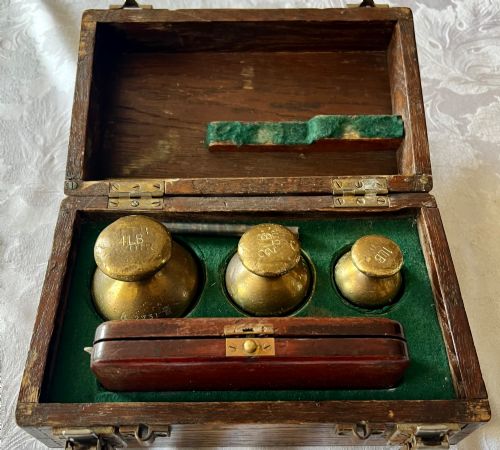
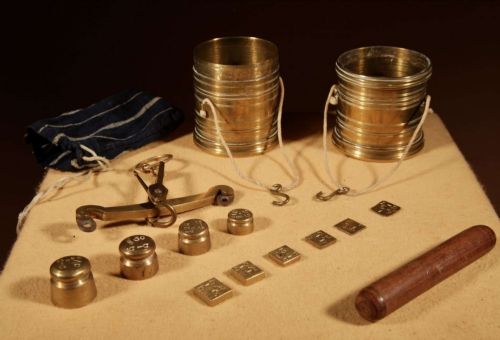
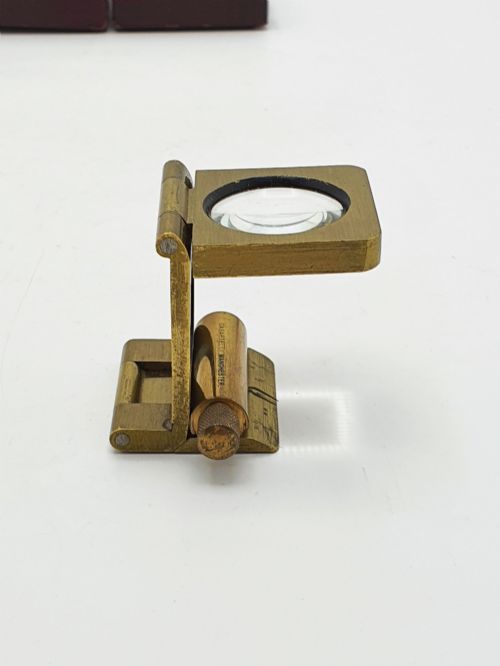
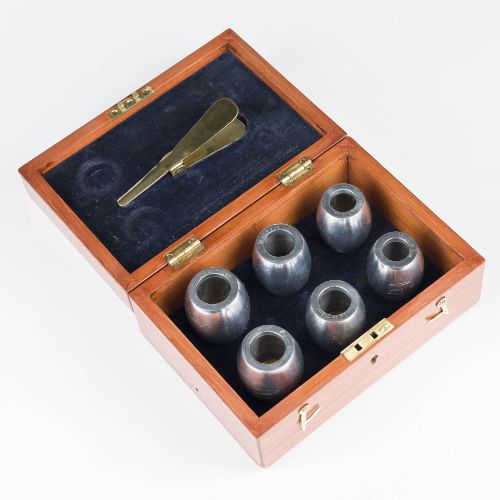
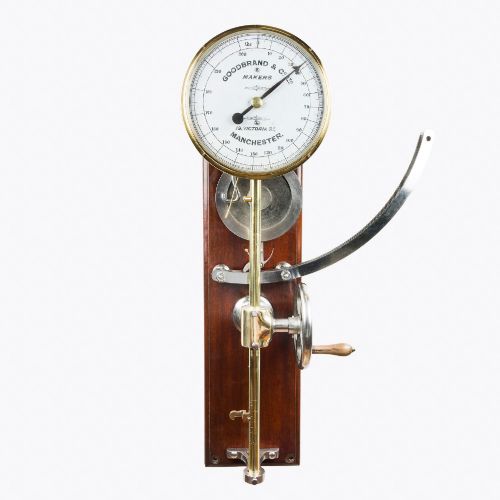
Antique scientific scales encompass precision balance beams, portable chondrometers, yarn testers and verification balances used in commerce, medicine and laboratories. These instruments date from the eighteenth century through to the mid-twentieth century, reflecting the rigorous standards of trade and science during those eras.
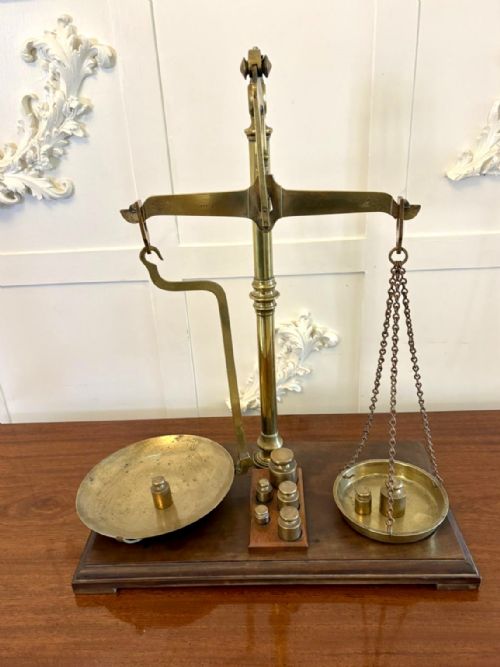
Mahogany cases housing sensitive brass beams and silvered scales dominate the offerings here. Collectors frequently encounter cased apothecary balances, inspectors' beam scales, and specialised testers designed for linen, silk or grain.
Origins range from London workshops to regional British makers, alongside Dutch bushel balances. Each piece preserves the mechanical integrity demanded by historical trade guilds, inspectors and pharmacists.
How they were made
Craftsmen built these instruments using polished brass for beams, pans and dials, paired with dense mahogany for protective cases and stable desk bases. Silvered brass plates received fine, hand-etched calibrations for reading measurements with exactness.
Interiors often lined themselves with velvet or textile to cushion delicate glass tubes and loose weights during travel. Specialised components like steel pivots and glass lenses ensured friction-free movement and clear readings.
Antique Scientific Scales Retail Price Guide 2026
Typical asking prices for scientific scales among the pieces listed under this phrase on Sellingantiques today, from the lower quarter to the upper quarter. They describe what is for sale here now, not the wider market.
Periods represented span from the eighteenth century through the Victorian era to the mid-twentieth century.
What varies in quality
The distinction between standard utility instruments and superior workshop output rests in the crispness of the engraved silvered scales and the finish of the mahogany cabinetry. Maker signatures engraved onto the brass beam or dial elevate an example significantly.
Completeness dictates lasting value, particularly when original weights, fitted wooden travel cases and intact glass components remain with the mechanism. Fine adjustment screws and uncompromised structural alignment separate working scientific pieces from mere decorative survivals.
De Grave Short And Co·Robert Brettell Bate·George Adams·Day And Millward·Oertling·Thomas Harris And Son·Charles Baker·Stephen Houghton And Son·Dollond London·Negretti And Zambra·W Watson And Sons
The Antique Scientific Scales Glossary
- Chondrometer
- A portable device used for determining the weight and quality of grain. It typically includes a small brass cylinder and balance mechanism housed in wood.
- Silvered brass
- A metal sheet treated with a silver solution to create a bright, reflective surface for engraved measurement markings. This finish offers high contrast for reading fine graduations.
- Sympiesometer
- A type of barometer containing oil and hydrogen gas rather than mercury, offering heightened sensitivity to atmospheric pressure changes. These instruments are usually mounted in compact wood travel cases.
- Pantograph
- A mechanical linkage connected in a parallelogram form based on planar geometry, used for scaling drawings up or down. Surveyors and draughtsmen utilised these precise brass and wood instruments.
- Beam scales
- A weighing device featuring a central fulcrum and suspended pans designed to determine exact mass. Precision versions utilised enclosed glass cases to prevent air currents from disrupting measurements.
Antique Scientific Scales: Frequently Asked Questions
How were scientific scales used?
These instruments served trade, laboratory research and quality control by measuring grain density, textile strength, chemical quantities and atmospheric conditions.
Many portable versions travelled with inspectors or merchants, while desk-mounted beam scales remained stationary in pharmacies and municipal offices.
How should I live with these pieces?
Display cased barometers, thermometers and beam scales away from direct sunlight and damp environments to protect delicate wood finishes and silvered brass dials.
Keep glass components secure and allow the sturdy mahogany and brass structures to anchor a study, library or cabinet display.
How do I identify periods and types?
Examine the cabinetry styles, case construction and engraving techniques to distinguish Georgian and Victorian instruments from Edwardian or later workshop pieces.
Maker signatures inscribed on brass beams or silvered scales, alongside official verification stamps, often pinpoint the exact era and municipal origin.