

Antique Scholar Object
An antique scholar object gathers the refined utensils of the traditional East Asian scholar's studio, offering tactile connection to centuries of contemplation and literacy.
Antique Scholar Object
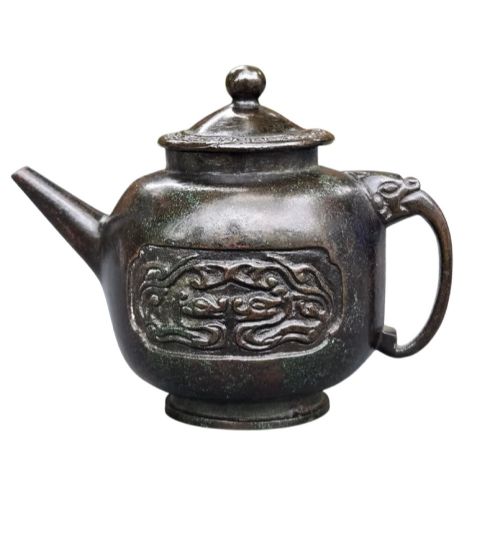
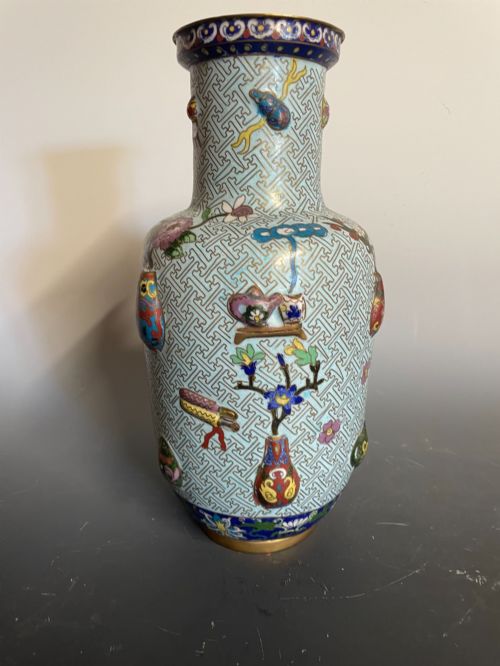
When searching for an antique scholar object, a buyer examines items created for the desk of a traditional scholar, bureaucrat or literatus. These utensils include brush pots, water droppers, paperweights, censers and brush washers designed for calligraphy and contemplation.
The objects appearing on this page span several centuries, originating primarily from Chinese dynasties such as the Ming and Qing, alongside Meiji period Japanese pieces. The forms reflect centuries of refinement tailored to the pursuits of writing, painting and poetry.
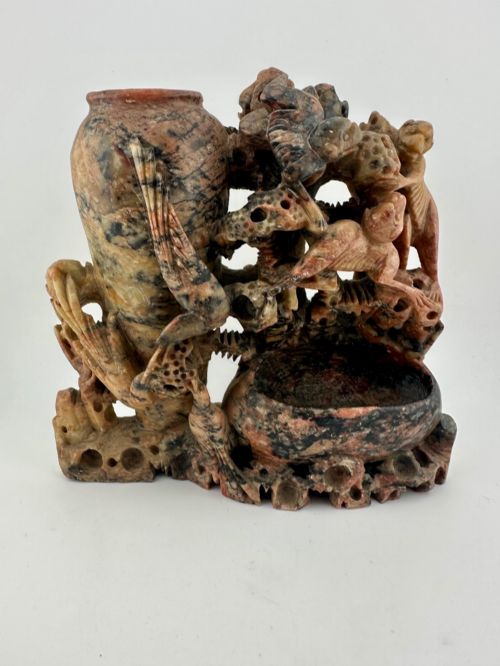
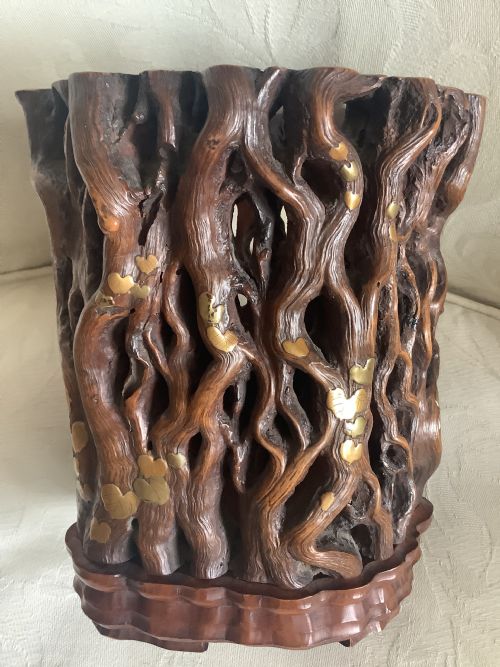
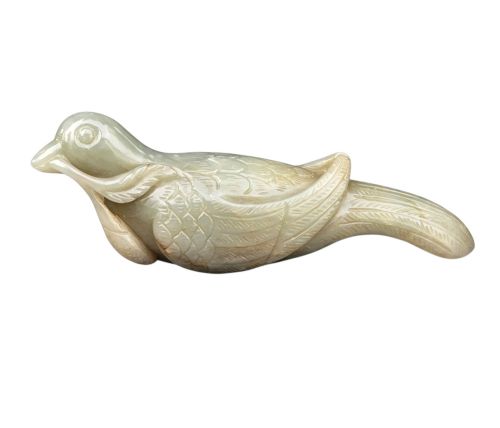
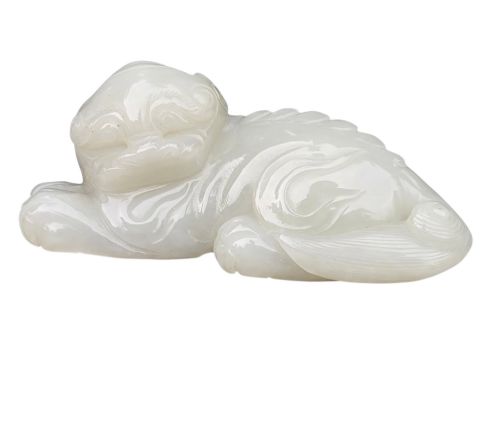
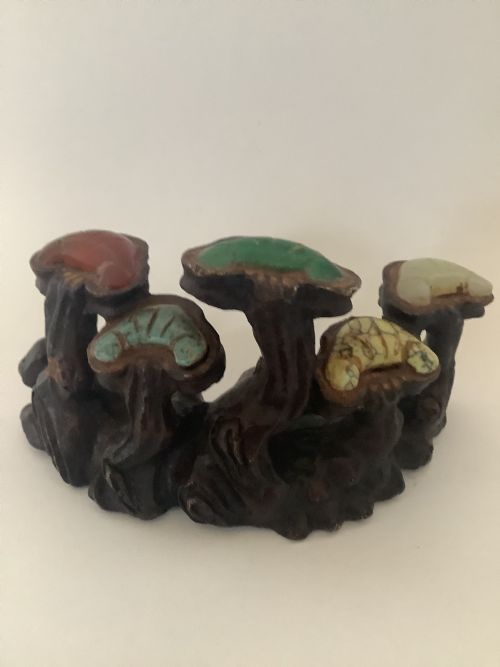
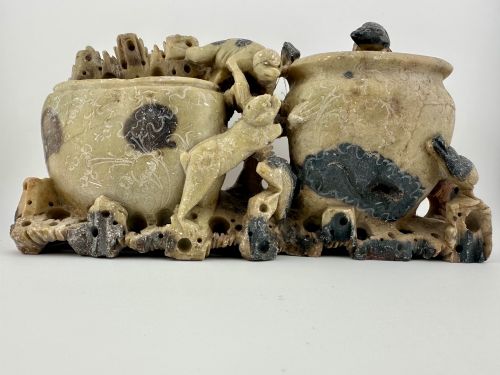
Brush pots and water vessels dominate the selection, alongside bronze censers bearing studio marks and carved jade or soapstone figures. Each piece served a functional purpose within a scholarly workspace while demonstrating artistic mastery.
How they were made
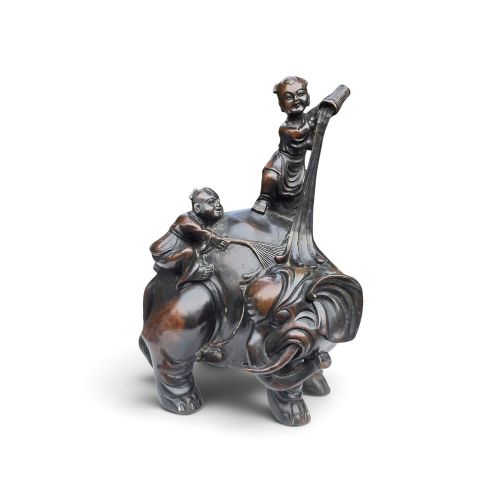
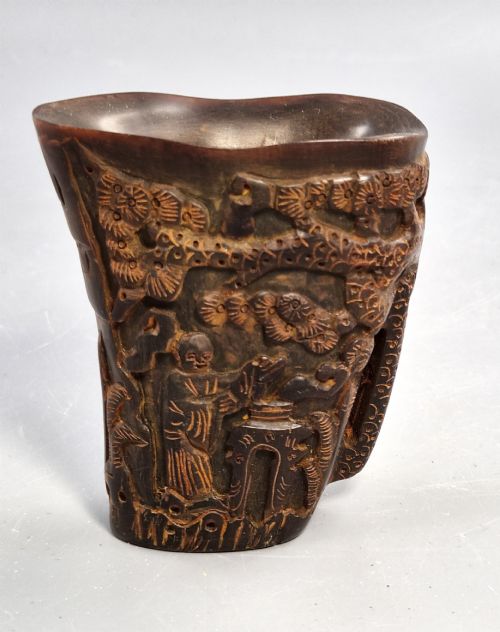
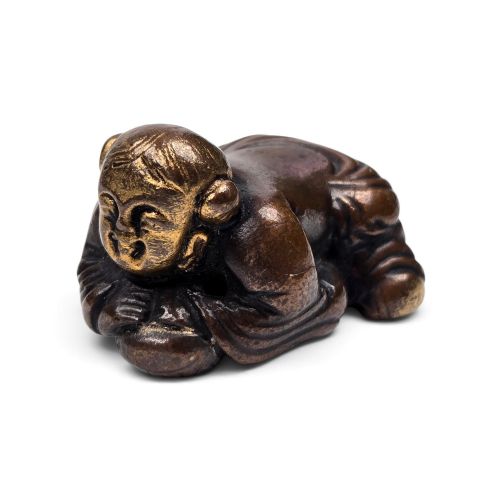
Makers utilised cast bronze for heavy censers, seals and water droppers, frequently applying fire-gilding, gold-splashing or patination to enrich the metal surfaces. Soapstone, hardwood, bamboo and water buffalo horn were painstakingly carved by hand to exploit the natural grain and tonality of the organic materials.
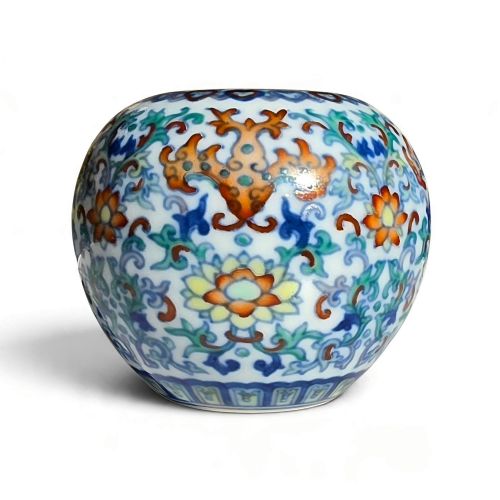
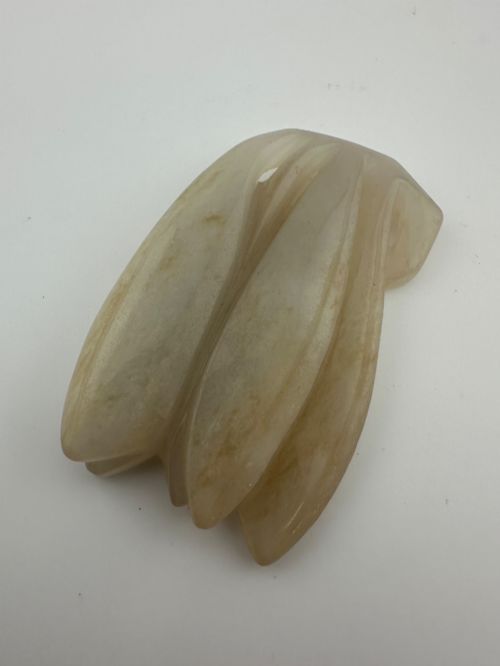
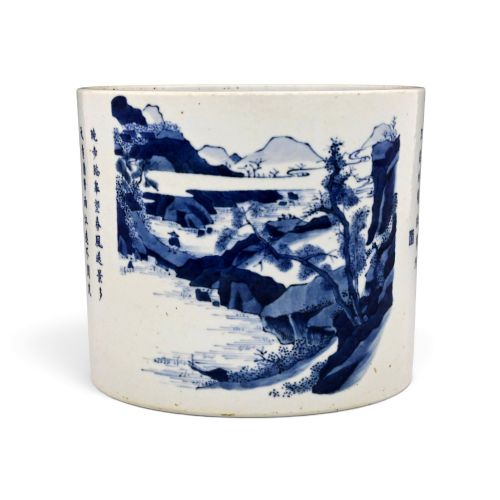
Ceramic forms such as brush pots and brush washers required precise control of kilns and glazes, producing blue and white porcelain, iron-rust glazes, flambé effects and powder-blue surfaces. Jade and other hardstones were shaped through abrasive cutting and polishing to create translucent carvings of animals and mythical beasts.
Antique Scholar Object Retail Price Guide 2026
Typical asking prices for scholar object among the pieces listed under this phrase on Sellingantiques today, from the lower quarter to the upper quarter. They describe what is for sale here now, not the wider market.
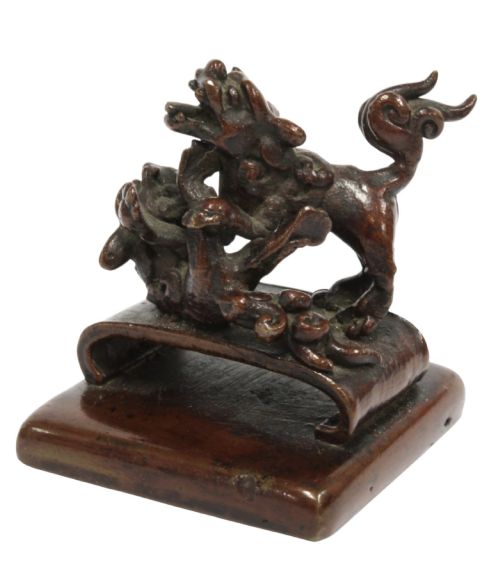
Several bronze seals feature nested qilin creatures, guarding tiny official authority in miniature form.
What varies in quality
The calibre of a scholar object rests upon the precision of its carving, the weight and density of the medium, and the subtlety of its finish. Heavier bronze castings with original patinas and crisply rendered details distinguish superior examples from simpler production.
For ceramics and jade, quality emerges in the purity of the material, the control of the glaze or underglaze pigment, and the harmony between the natural shape of the stone and the carved subject. Imperial-taste pieces demonstrate heightened refinement in design and execution compared to utilitarian studio items.
The Antique Scholar Object Glossary
- Bitong
- A cylindrical brush pot used on a scholar's desk to hold calligraphy brushes. These vessels appear in ceramic, wood, bamboo and porcelain.
- Shuizhi
- A water dropper utilised to add small amounts of measured water to the inkstone during calligraphy preparation. They often take figurative or vessel forms.
- Censer
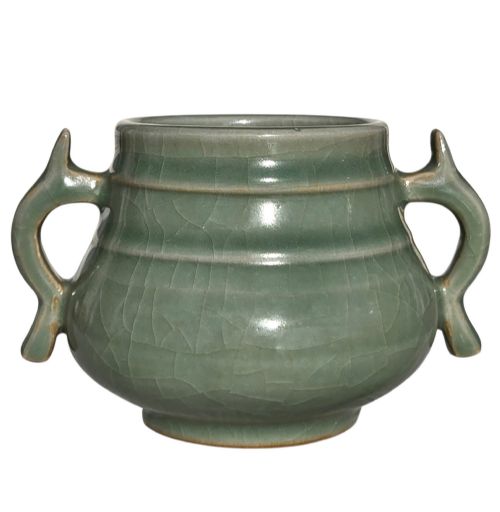
- A ritual vessel used for burning incense within the scholar's studio to aid concentration and purify the air. Many examples are cast in bronze with tripod legs.
- Qilin
- A mythical hooved Chinese creature symbolising good omen, prosperity and longevity. Sculptural representations frequently top bronze seals and carved groups.
- Celadon
- A ceramic glaze denoting a pale green to grey-green hue resembling jade. The finish relies on iron oxide reacting in a reduction kiln.
Antique Scholar Object: Frequently Asked Questions
How were scholar objects used?
Scholar objects served practical functions in the daily creation of calligraphy and brush painting. Brushes rested in bitong containers, ink was mixed with water from miniature droppers onto stone slabs, and paper was held flat by heavy metal weights.
Beyond mechanical utility, these pieces created an atmosphere conducive to intellectual focus. Incense burned in small bronze censers to clear the mind, while carved figures and natural stone forms provided visual inspiration.
How do I care for organic materials like bamboo and horn?
Organic materials such as bamboo, hardwood and water buffalo horn require stable indoor humidity to prevent cracking or warping. Keep them away from direct sunlight, heating vents and sudden temperature shifts.
Dust the surfaces gently with a soft, dry cloth rather than using liquid polishes or chemical cleaners. Natural oils within the wood and horn maintain their finish over time without artificial intervention.
How are Ming and Qing dynasty bronzes distinguished?
Ming dynasty bronzes often display heavy, robust casting with deep patinas and practical forms rooted in ritual vessels. Surfaces frequently show careful hand-finishing and rich metallic compositions.
Qing dynasty pieces, particularly those from imperial periods like the Qianlong reign, tend toward intricate detail, archaistic revivals and refined surface treatments such as gold-splashing. Studio marks and stylistic conventions help narrow the date of manufacture.