


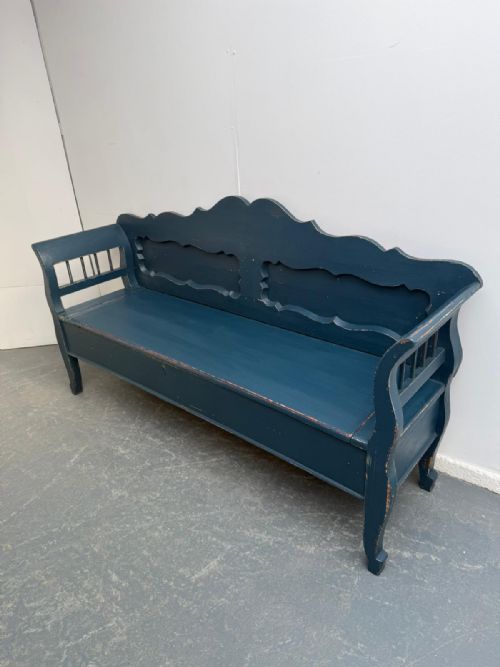


Antique Scandinavian Coffer
An antique scandinavian coffer provides robust domestic storage rooted in centuries of northern European craft, sought for its vibrant painted surfaces and honest carpentry.
Antique Scandinavian Coffer
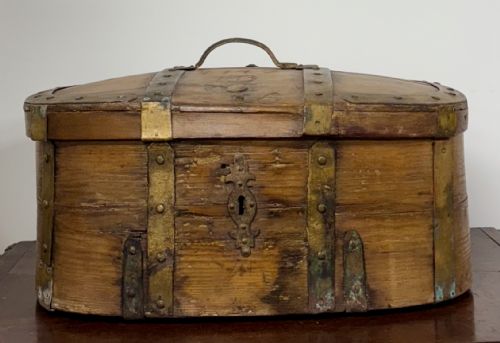
An antique scandinavian coffer encompasses strong boxes, marriage chests, and dome-top storage pieces originating primarily from Sweden and Denmark. These items emerge predominantly from the eighteenth and nineteenth centuries, reflecting the utilitarian needs of rural households.
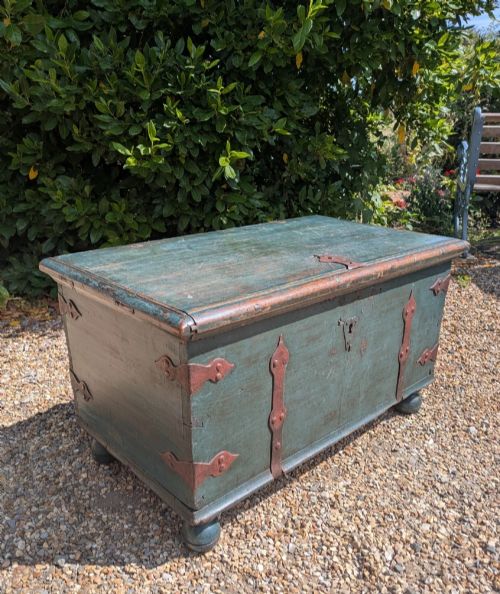
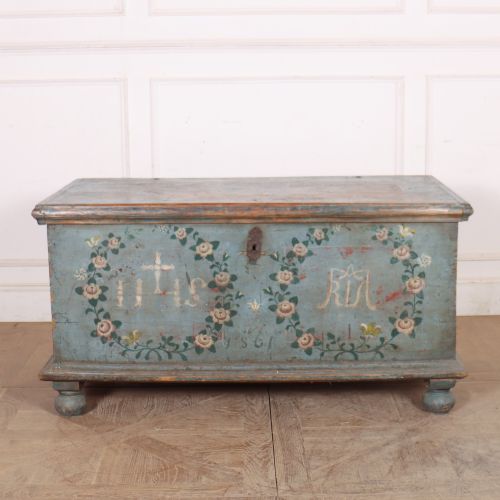
The version most commonly encountered on this page is the nineteenth-century pine chest, often finished with hand-painted folk art motifs. Smaller strong boxes and shaped storage chests also appear frequently alongside larger eighteenth-century marriage trunks.
Makers shaped these pieces in styles spanning Scandinavian country, folk art, and occasional baroque influences. Oak and pine serve as the primary structural woods for these domestic storage vessels.
Materials and construction methods
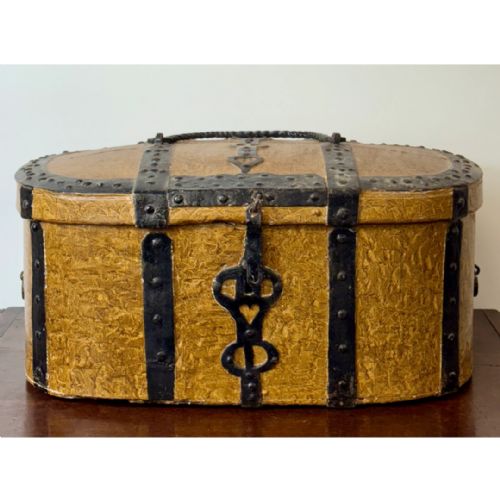
Carpenters built these vessels using solid pine and oak planks, joined to withstand heavy daily use. Hand-forged iron strapwork and wrought iron hardware reinforced the corners and lids of strong boxes.
Makers applied natural pigments and paints to the timber surfaces, creating decorated finishes that often included grained patterns or folk motifs. Brass fittings occasionally appear on select nineteenth-century boxes.
Antique Scandinavian Coffer Retail Price Guide 2026
Typical asking prices for scandinavian coffer among the pieces listed under this phrase on Sellingantiques today, from the lower quarter to the upper quarter. They describe what is for sale here now, not the wider market.
The listings on this page span the eighteenth and nineteenth centuries, featuring pine and oak forms secured with wrought iron.
Judging quality and character
Quality rests in the survival of the original painted surface and the crispness of any folk art decoration. Pieces retaining untouched nineteenth-century pigment display significantly more integrity than those with later repainting.
The sophistication of the ironwork and the precision of the dovetail or pegged joinery distinguish standard utilitarian storage from finer workshop output. Original hinges, locks, and handles elevate the historical standing of a coffer.
The Antique Scandinavian Coffer Glossary
- Coffer
- A large wooden chest used for storing valuables, textiles, or documents. These sturdy containers often feature reinforced iron bands for added security.
- Marriage chest
- A specialised box commissioned or given to mark a wedding, frequently inscribed with dates and initials. Folk art motifs on these pieces often symbolize prosperity and union.
- Strong box
- A compact, heavily reinforced storage box designed to hold money or precious items. Hand-forged strapwork typically wraps the exterior for protection.
- Dome top
- A rounded lid construction allowing water or dust to shed more easily from the top of the trunk. This curved form requires specialised timber bending or shaped framing.
- Folk art
- Decorative painting and carving traditions executed by rural artisans rather than formal guilds. These designs rely on regional motifs and natural pigments.
Antique Scandinavian Coffer: Frequently Asked Questions
What were antique scandinavian coffers used for?
These vessels served primarily to store heavy textiles, blankets, clothing, and household valuables in rural homes. Strong boxes held coins, documents, and other portable wealth securely.
Marriage chests functioned as personal dowry containers gifted during wedding ceremonies, holding the bride's linens and personal possessions.
How can I tell an eighteenth-century coffer from a nineteenth-century one?
Earlier eighteenth-century pieces often utilise heavier oak timbers and display simpler structural joinery influenced by baroque styles. They frequently lack the bright polychrome paintwork common later.
Nineteenth-century examples lean towards pine construction decorated with expressive hand-painted folk art, graining, or specific marriage dates.
How do I care for a painted pine chest?
Keep painted wooden chests away from direct sunlight and heat sources to prevent the historic pigment from fading or flaking. Stable indoor humidity protects both the pine structure and the delicate surface finish.
Dust the surface gently with a dry, soft cloth and avoid modern chemical polishes that might react with old oil or pigment layers.