




Antique Scale Model
These antique scale model pieces capture real-world machinery, ships, and buildings in miniature, offering tangible links to historical engineering and craftsmanship.
Antique Scale Model
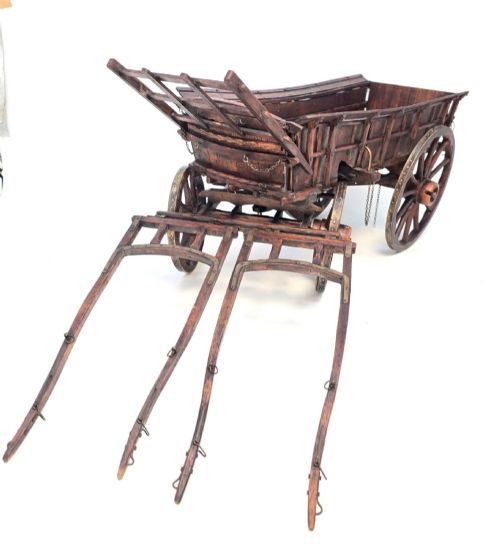
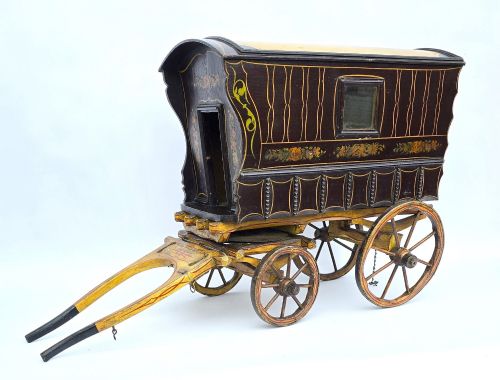
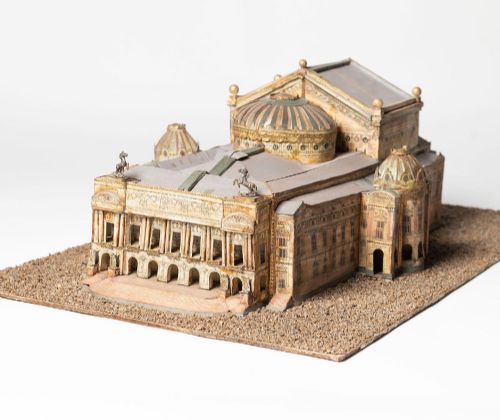
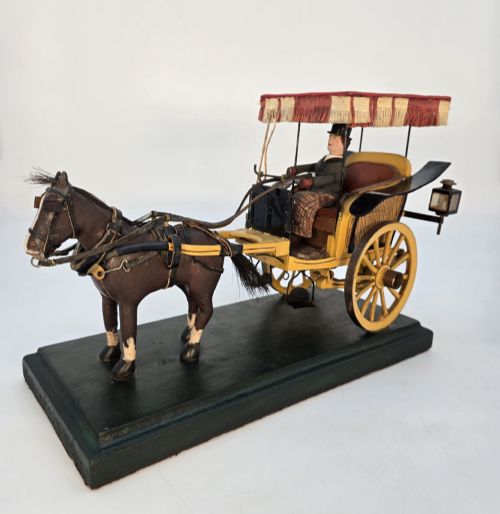
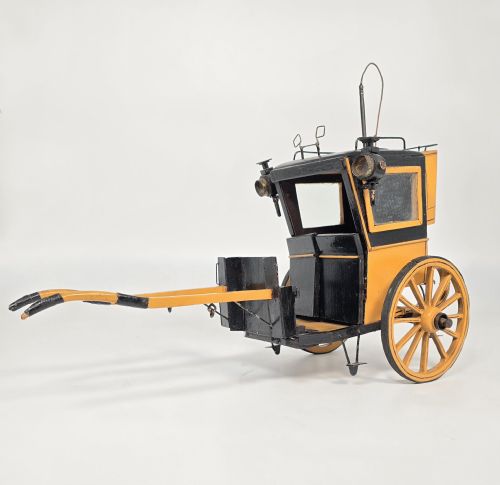
An antique scale model represents an enduring fascination with miniaturisation, spanning functional machinery, naval vessels, and architectural structures. When exploring this selection, buyers encounter diverse forms ranging from working steam engines and maritime sailing ships to detailed horse-drawn carts and buildings.
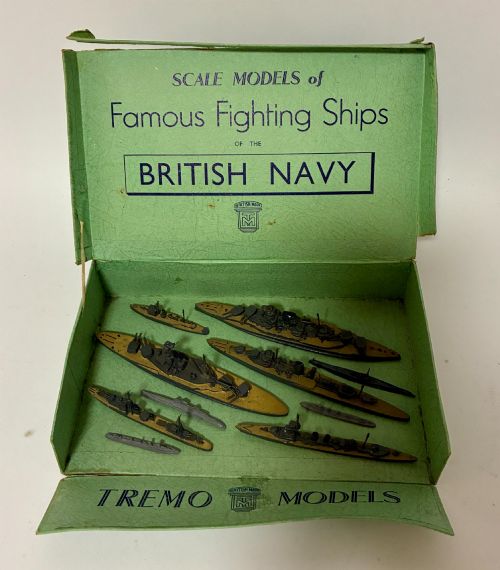
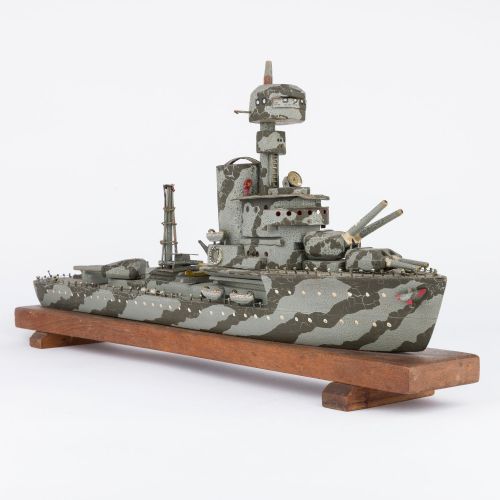
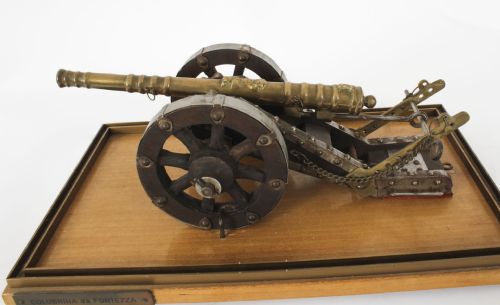
The objects originate from various periods including the eighteenth, nineteenth, and early twentieth centuries, reflecting the manufacturing capabilities and aesthetic interests of their respective eras. Maritime subjects like barques, ketches, and battleships appear alongside domestic and industrial items such as farm carts, cannons, and furniture samples.
Makers utilised available local materials and applied their technical skill to replicate complex machinery and architecture at a reduced size. Such pieces served exhibition purposes, trade demonstrations, or domestic display, and they continue to attract collectors interested in historical engineering and folk art.
How They Were Made
Construction relies heavily on traditional woodworking techniques paired with metalworking, utilising materials such as oak, mahogany, pine, brass, iron, steel, and bronze. Artisans shaped timber hulls, vehicle bodies, and architectural frames by hand, often incorporating painted surfaces and glass details to enhance realism.
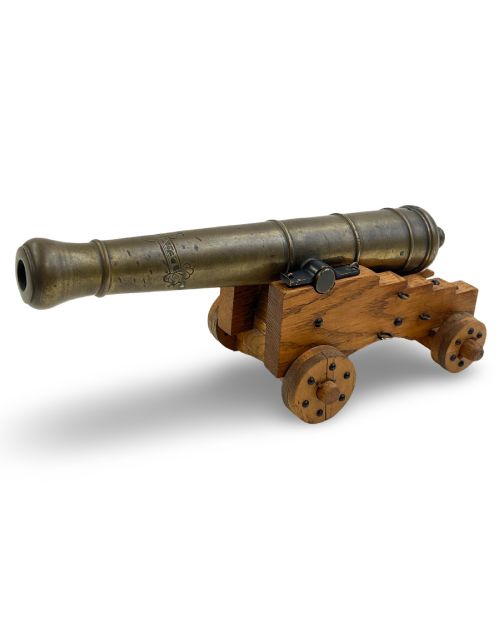
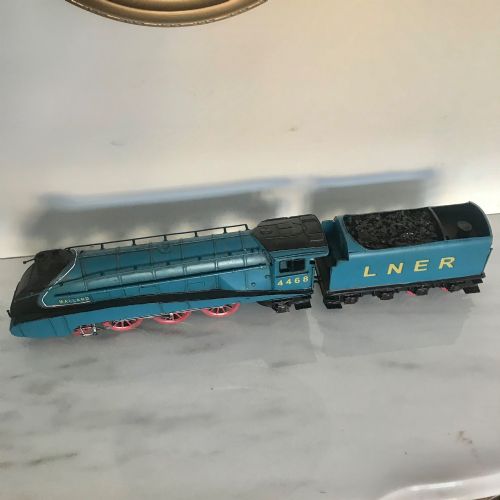
Metal components, including cannons, locomotive parts, and steam engines, required casting, machining, and soldering. Makers employed brass and bronze for ordnance barrels and fittings, while iron and steel formed the structural elements of locomotives and industrial machinery.
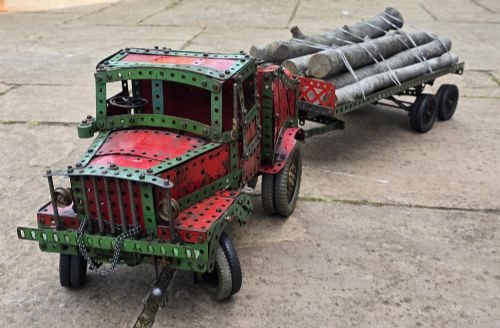
Certain examples incorporate specialist finishes such as French polishing on miniature furniture samples or spirit-fired mechanisms capable of operating steam-driven models. Scratch-built creations demonstrate individual ingenuity through the assembly of diverse components without standard commercial kits.
Listings feature wooden, brass, iron, and steel materials across periods from the eighteenth century through to the 1940s.
What Varies in Quality
The fidelity of proportion and mechanical accuracy distinguishes finer examples from simpler works. Superior pieces exhibit precise scaling and functional capability, such as operational steam engines or fully rigged model ships that reflect authentic naval architecture.
The choice of materials and the refinement of surface finish reveal the maker's intent, whether creating a commercial exhibition piece or a domestic folk art item. Finer works display careful joinery, detailed hand-carved elements, and documented signatures or inscriptions.
Historical context and original condition also influence the standing of an object. Pieces retaining their original paint, unaltered metal components, and complete miniature rigging or superstructure possess greater documentary value.
R.D. Roberts·Liverpool Ship Building Co.
The Antique Scale Model Glossary
- Apprentice piece
- A specimen created by a trainee craftsman to demonstrate mastery of a trade before admission to a guild. These objects often take the form of miniature furniture or architectural elements.
- Scratch built
- An item constructed entirely from raw materials rather than from a pre-packaged commercial kit. This method highlights the individual maker's resourcefulness and technical skill.
- Barque
- A sailing vessel with three or more masts having the fore and main masts square-rigged and the mizzen mast fore-and-aft rigged. Models of these ships illustrate traditional maritime design.
- Pond yacht
- A toy or model sailing boat designed to sail across open water autonomously. Larger examples feature fully rigged decks and substantial wooden hulls.
- Gribeauval
- A standardised system of field artillery developed in France during the eighteenth century. Scale models of these pieces replicate the distinct iron and bronze ordnance design.
Antique Scale Model: Frequently Asked Questions
What materials were antique scale models built from?
Makers constructed these objects using a combination of timber, metals, and glass, depending on the subject matter. Wood varieties such as mahogany, oak, and pine formed hulls, furniture samples, and architectural structures.
Metal components like brass, bronze, iron, and steel appeared on steam engines, locomotives, and model cannons. Paint and applied finishes completed the surface detailing.
Were these models meant to be operational?
Certain examples, particularly steam locomotives, traction engines, and signal cannons, were engineered to function using spirit-fired boilers or gunpowder. These working mechanisms demonstrated real-world mechanical principles at a reduced scale.
Other categories, such as architectural models and furniture samples, served purely visual or demonstrative purposes for exhibitions and trade presentations.
How do I care for a wooden model boat?
Display the object in a stable environment away from direct sunlight and dramatic fluctuations in humidity. This protects fragile wooden hulls and prevents painted surfaces or rigging threads from degrading.
Dust the piece gently with a soft, dry brush rather than liquid cleaners. Preserving original finishes maintains the historical integrity of the item.
How can I tell a folk art model apart?
Folk art models typically display idiosyncratic construction methods and personal interpretations by makers outside formal manufacturing guilds. They often utilise everyday materials and feature hand-carved or painted details unique to the creator.
Commercial exhibition pieces, by contrast, generally exhibit strict adherence to industrial blueprints and standard engineering practices.