
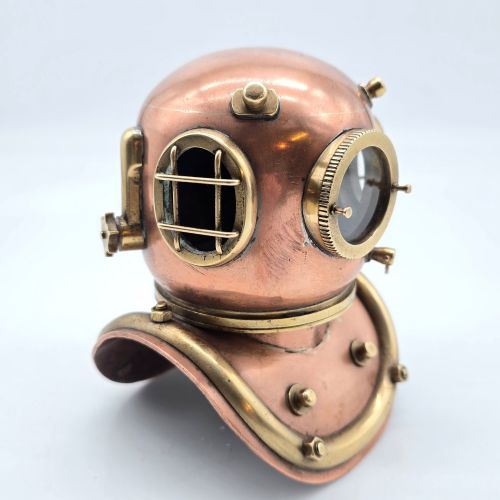


Vintage Engineering Model
A vintage engineering model is a precision machine in miniature, built to demonstrate mechanics or power industrial progress.
Vintage Engineering Model
A vintage engineering model represents mechanical innovation from the nineteenth and twentieth centuries, spanning industrial and maritime subjects. These miniature machines include scale models, model engines, and scientific apparatus built for education or demonstration.
The pieces encountered most frequently on this page range from early twentieth-century German machine models to steam traction engines and vertical steam power plants. Many reflect styles such as industrial engineering, Victorian industrial, and mid-century design.
Makers and builders created these objects from the 1880s through the 1960s, utilising durable materials like brass, cast iron, and steel. Each object offers a tangible connection to the history of technology and mechanical manufacturing.
Materials and Construction
Construction relies heavily on metals such as brass, cast iron, steel, and copper, shaped to replicate full-size industrial machinery. Many examples incorporate wood bases, glass components, and painted finishes to complete the realistic appearance.
Makers employed precision metalworking techniques, turning, and casting to produce working education models and scratch-built steam engines. The integration of moving parts required exact tolerances and careful assembly by skilled engineers.
One tiny divers helmet miniature proves that nineteenth-century engineers possessed a delightful sense of scale humour.
Judging Quality
Quality rests in the precision of the mechanical engineering and the fidelity of the scale reduction. Superior examples demonstrate smooth operation, accurate proportions, and refined finishing of metallic surfaces.
The distinction between standard commercial production and individual craftsmanship lies in the complexity of the moving parts and the maker's attention to functional detail. Scratch-built models often display unique ingenuity in their construction.
The Vintage Engineering Model Glossary
- Scale model
- A physical representation of an object, maintaining exact proportional relations to its full-size counterpart. These pieces allow observers to study complex machinery in miniature form.
- Scratch built
- An item constructed entirely from raw materials and components by the builder rather than assembled from a commercial kit. This method highlights individual engineering skill and bespoke design.
- Stationary steam engine
- A fixed steam engine used for driving factory machinery or generating power rather than locomotion. Models of these engines demonstrate the primary power source of the industrial age.
- Demonstration model
- An apparatus created specifically for educational projection or classroom instruction. These pieces were designed to make complex mechanical principles visible to students.
Vintage Engineering Model: Frequently Asked Questions
What is a vintage engineering model?
A vintage engineering model is a working or static miniature representation of industrial machinery, steam engines, or scientific apparatus. These pieces were built for education, demonstration, or professional display during the nineteenth and twentieth centuries.
Constructed from durable materials like brass, steel, and cast iron, they reflect the technological advancements of their era. Collectors prize them for their mechanical ingenuity and precise metalwork.
How were steam engine models used?
Steam engine models served as educational tools in classrooms, technical institutes, and sales showrooms. They allowed engineers and educators to demonstrate thermodynamic principles and mechanical motion without running full-scale plant machinery.
Some working models powered other miniature equipment, while others were built specifically for optical projection. Their operation provided practical instruction in steam power dynamics.
Are these models mechanically functional?
Many models on this page are working examples designed to operate under steam or mechanical power. Working education models and scratch-built steam engines frequently retain their operational capability when handled with care.
Other pieces function primarily as static scale representations of industrial machinery, focusing on visual accuracy rather than movement. Examining the linkage and cylinders reveals whether an item was built to run.
How do I identify the period of a model?
Dating relies on the materials, manufacturing techniques, and stylistic markers characteristic of specific decades from the 1880s to the 1960s. Early pieces often feature heavy cast iron and Victorian industrial styling, while mid-century examples show different design traits.
Makers' marks, patent details, or attribution to known makers like Max Kohl provide definitive chronological clues. Comparing the mechanical form to contemporary engineering catalogues also helps establish the era.