


Antique Architectural Display
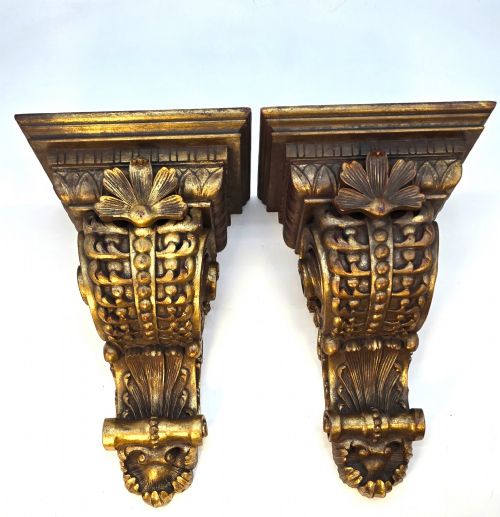
These pieces of antique architectural display bring scale and structure into a room, offering genuine historic presence through columns, pedestals and models.
Antique Architectural Display
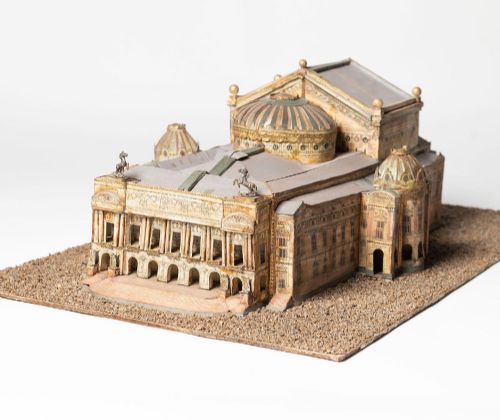
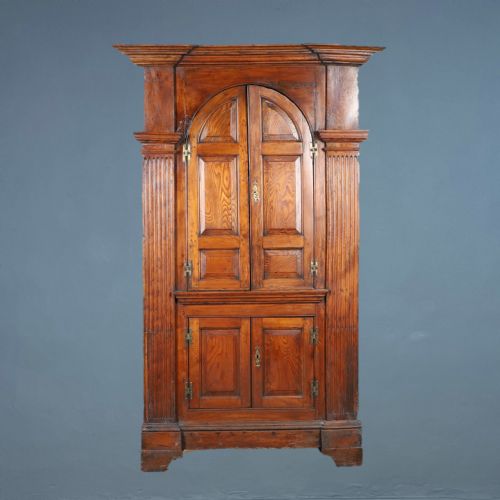
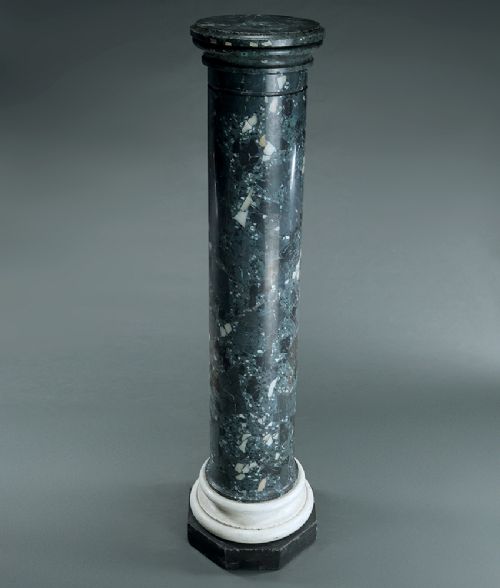
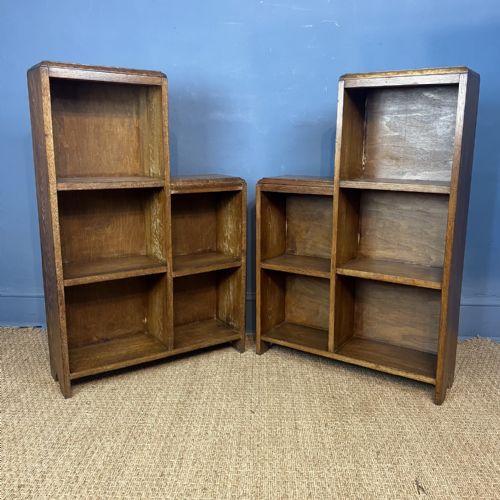
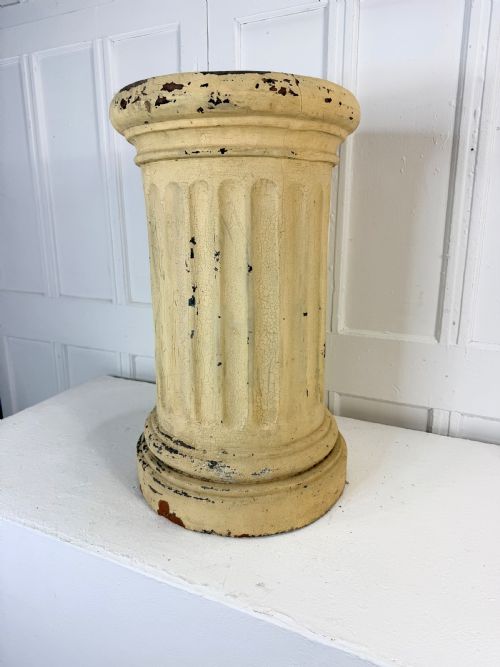
When you examine antique architectural display pieces, you encounter a diverse range of structural forms intended to elevate objects or frame a space. The selection spans sturdy pedestals and columns, intricate architectural models, and display cabinets originating across Britain, France, Italy, and Scandinavia.
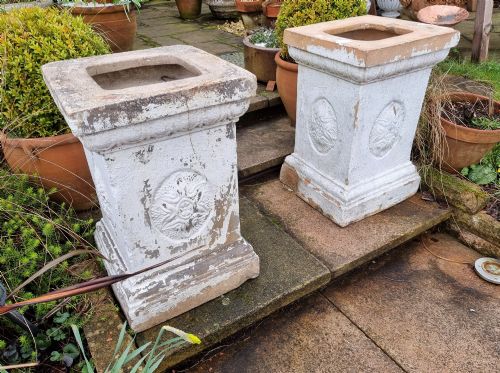
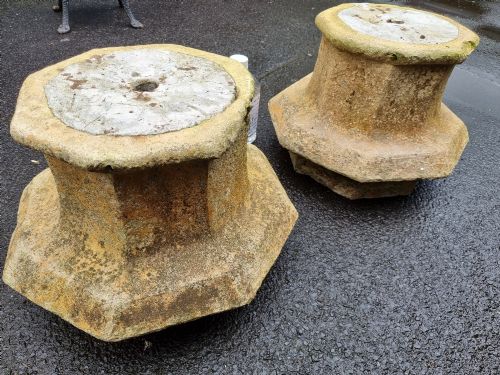
You are most likely to meet nineteenth-century turned wooden columns, painted wood display elements, and stone plinths among these listings. Earlier examples from the eighteenth century appear alongside twentieth-century models and display boards, reflecting varied domestic and institutional uses.
Evaluating Quality
Quality rests upon the precision of the carving and the integrity of the structural joinery or stone composition. A superior column or cabinet displays confident proportions, crisp architectural detailing, and harmonious balance between decorative surface finishes and the underlying material.
The sophistication of surface preparation distinguishes standard utilitarian pieces from exceptional display items. Master execution in scagliola, gilding, or hand-painted faux finishes elevates an object, while inferior examples exhibit heavy-handed application and loss of definition in mouldings.
One unexpected item is a mounted Indian silk spinning wheel standing ready for quiet textile work.
Dunfermline Clay Company·Gerwin & Co Birmingham·Benjamin Taylor & Sons
The Antique Architectural Display Glossary
- Solomonic column
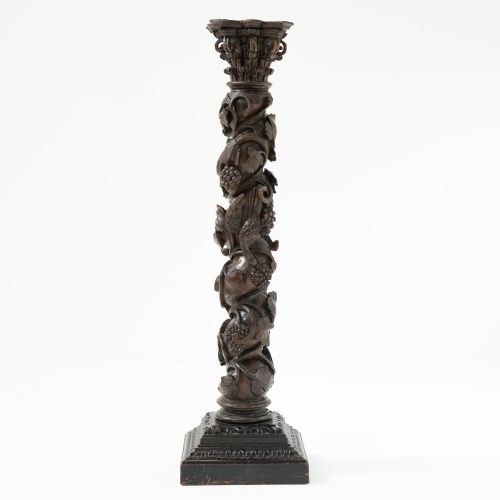
- A twisted shaft resembling a spiral vine, popular in Baroque architecture and decorative furnishings. This dynamic form creates strong vertical movement and catches light effectively.
- Scagliola
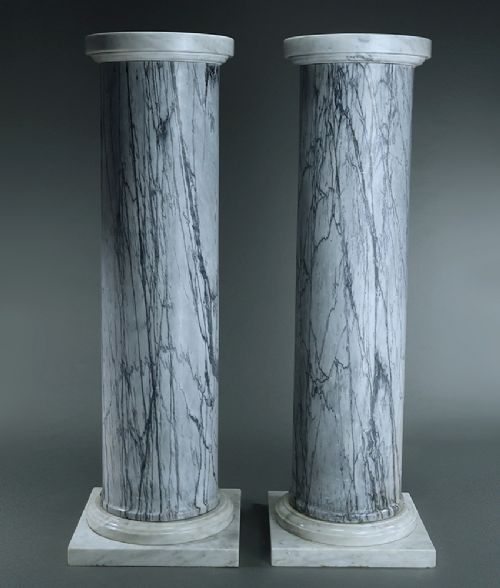
- A composite material made from pigmented selenite, glue, and plaster, laid down to imitate marble and other hard stones. Craftsmen polish the surface to achieve a convincing, durable sheen.
- Cartagloria
- An ornamental altar frame used to hold liturgical texts in Catholic churches. These gilded wooden frames often feature elaborate carved decoration and religious motifs.
- Tabernacle
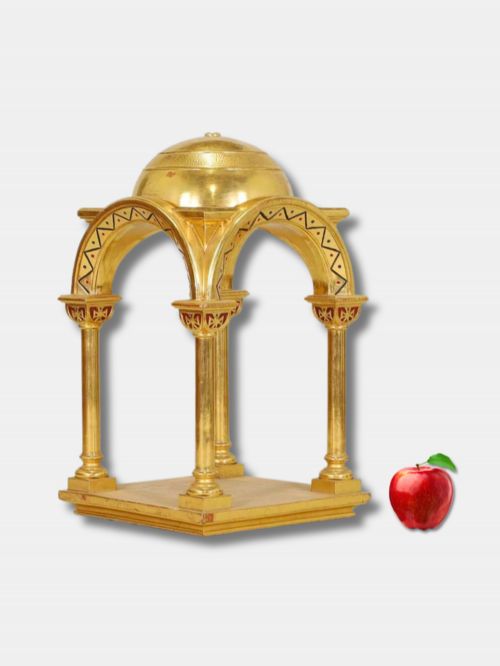
- A heavily decorated ornamental enclosure or architectural shrine, often featuring a domed top and religious iconography. In domestic contexts, these structures serve as dramatic focal display points.
- Plinth
- A heavy flat base upon which a column, statue, or monument rests. It provides physical stability and visual separation from the floor.
Antique Architectural Display: Frequently Asked Questions
What is an architectural model?
An architectural model is a small-scale three-dimensional representation of a building, opera house, alcove, or interior space. These pieces were constructed by makers to demonstrate design proposals or showcase craftsmanship.
Today, they function as standalone sculptural display objects that highlight historical building techniques and spatial design.
How were pedestals used historically?
Pedestals and columns served to elevate sculptural busts, urns, and valuable decorative objects within grand rooms and galleries. By raising the object, they drew the eye and framed the piece as a focal point.
In modern interiors, they continue to support plants, lamps, and art while adding structural rhythm to a corner or empty wall.
What is scagliola?
Scagliola is a composite technique that imitates genuine marble using pigmented plaster, glue, and stone dust. Artisans apply and polish the mixture by hand to achieve realistic veining and depth.
This method allowed workshops to produce elaborate columns and architectural display pieces without the extreme weight and cost of solid stone.
How do I identify a Neoclassical piece?
Neoclassical pieces draw inspiration from classical Greek and Roman architecture, emphasising symmetry, straight lines, and restrained ornamentation. Look for motifs such as fluting, egg-and-dart moulding, and classical proportions.
This style emerged during the eighteenth century and persisted through the nineteenth century in furniture, columns, and display stands.