




Victorian Architectural Model
These Victorian architectural model examples are clever representations of buildings and structures, prized by collectors for their intricate craftsmanship and historical charm.
Victorian Architectural Model
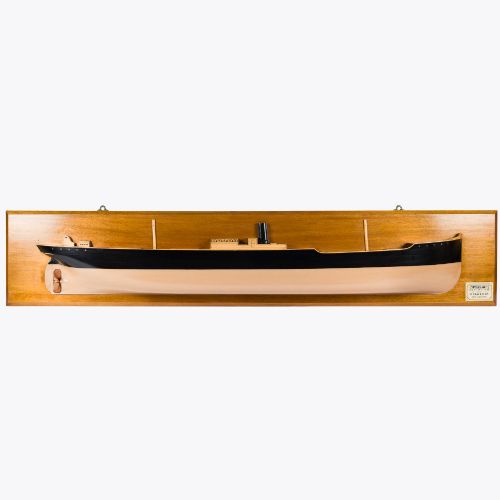
When you search for a victorian architectural model, you encounter a fascinating range of nineteenth-century structures that capture the building styles of their era. These pieces include detailed representations of houses, churches, and large public edifices created with great patience and observation.
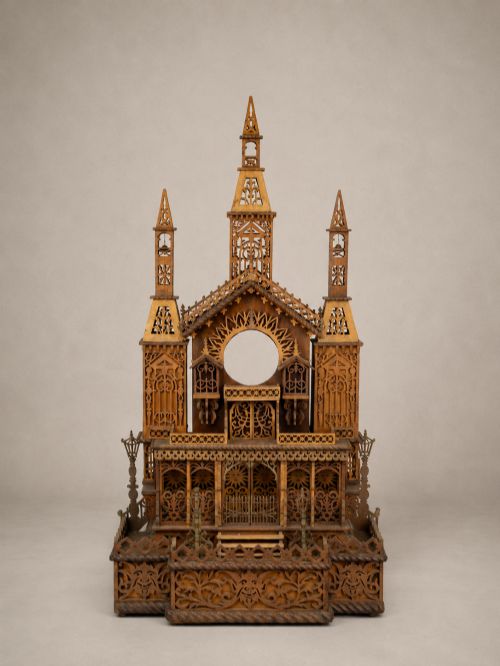
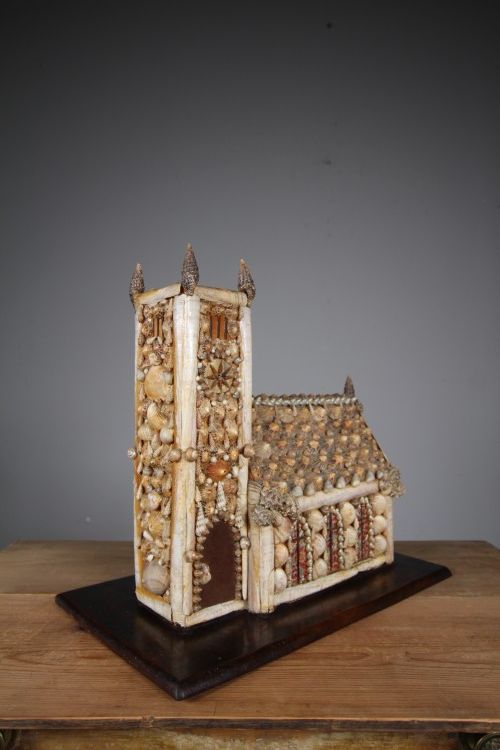
The versions most commonly met on this page span the nineteenth century, including folk art interpretations and Gothic Revival designs. Makers utilised various everyday settings, producing models of detached houses, grocery stores, and notable cathedrals.
Beyond standard buildings, the selection incorporates specific structural forms such as fretwork clock cases and decorative pagodas. Each piece reflects the diverse architectural interests of the period, from vernacular folk sculpture to formal Gothic expressions.
How they were made
Makers constructed these models using accessible materials like pine, fruitwood, and oak, often shaping the timber with hand tools to achieve precise structural details. Carved woodwork defines many pieces, seen in elaborate cathedral models and substantial clock cases.
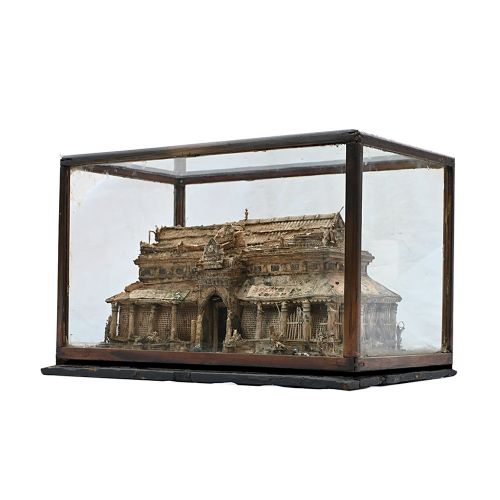
Alternative materials played a significant role in nineteenth-century construction, incorporating cork work, paper, and painted surfaces to create texture and depth. Some structural dioramas even utilised seashells to form intricate exterior ornamentation.
Listings feature nineteenth-century materials including wood, glass, cork, paper, and seashells.
What varies in quality
The distinction between ordinary and exceptional work lies in the architectural accuracy and the complexity of the execution. Finer examples demonstrate meticulous attention to structural proportions, window tracery, and surface finishes.
Material selection and decorative ambition also divide the range, separating simple vernacular items from ambitious folk art sculptures and detailed carved monuments.
The Victorian Architectural Model Glossary
- Gothic Revival
- An architectural style popular in the nineteenth century that revived medieval forms such as pointed arches and intricate tracery. This aesthetic strongly influences several ecclesiastical models.
- Folk Art
- Objects created by self-taught makers working within traditional community idioms rather than formal academic rules. These pieces often employ unconventional materials to achieve striking visual results.
- Diorama
- A three-dimensional scene enclosed in a box or case, designed to create a sense of depth and perspective. Cork work and layered paper frequently appear in this format.
- Fretwork
- Ornamental design created by cutting patterns through thin wood using a fretsaw. This technique appears on decorative clock cases and architectural embellishments.
Victorian Architectural Model: Frequently Asked Questions
How were these models used originally?
Many of these pieces served as decorative conversation pieces in nineteenth-century parlours and studies, reflecting the owner's interest in local buildings or grand architecture.
Others functioned as shop displays or intricate clock housings, combining practical utility with sculptural form.
How should I live with one?
Place your model on a sturdy shelf or table away from direct sunlight and damp conditions to protect the delicate wooden and paper components.
Keep the display area stable, as nineteenth-century assemblies of cork, shell, and painted wood benefit from minimal movement and gentle dusting.
How do I identify the period?
Examine the materials, construction methods, and stylistic cues such as Gothic Revival motifs or nineteenth-century vernacular carpentry techniques.
Genuine pieces display authentic ageing on the timber, paint, and internal structures consistent with nineteenth-century craftsmanship.