


Antique Saucer
An antique saucer brings domestic history to the tabletop, offering tangible connection to Georgian, Victorian and earlier centuries of ceramic artistry.
Antique Saucer
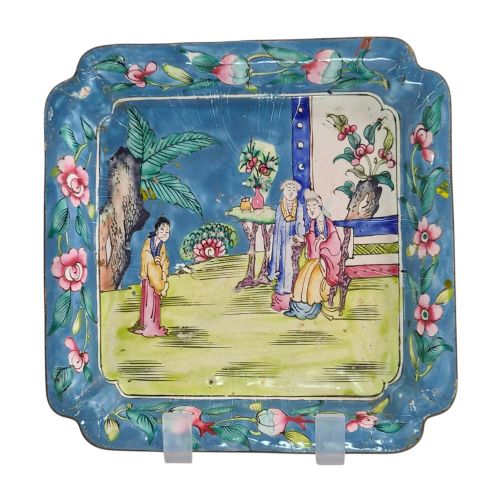
When you search for an antique saucer, you encounter small ceramic dishes produced across the 18th and 19th centuries, often surviving alongside matching teacups, coffee cans and chocolate cups. These pieces originate from historic English, continental European and Asian potteries, reflecting shifts in dining and social habits over generations.
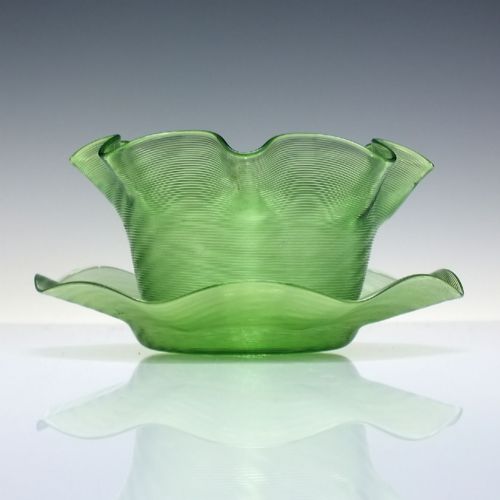
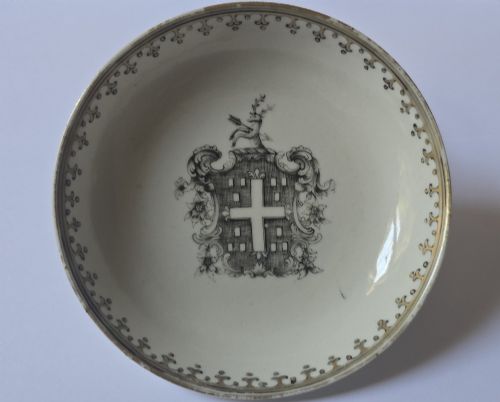
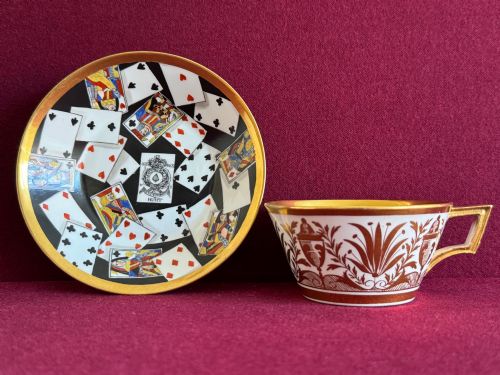
The selection on this page centres heavily on British porcelain and earthenware from the Georgian, Regency and Victorian periods, alongside Chinese export porcelain and occasional glass vessels. Many items appear as part of duos, trios or cabinet sets rather than solitary plates, demonstrating how domestic tea and coffee service evolved.
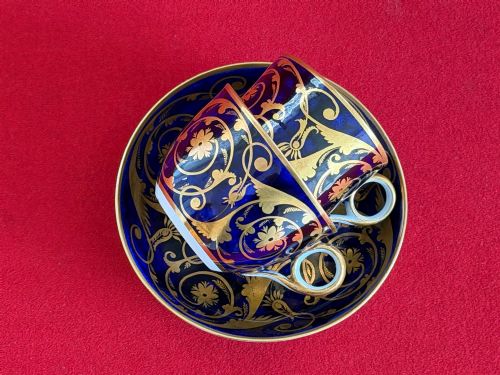
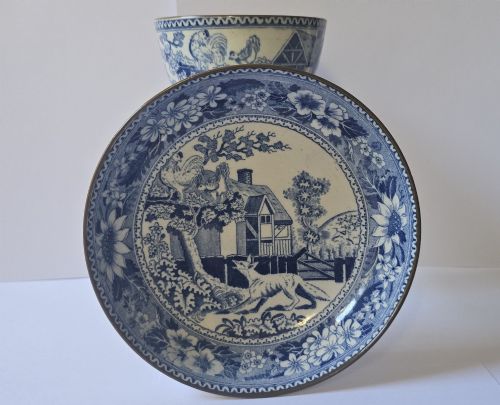
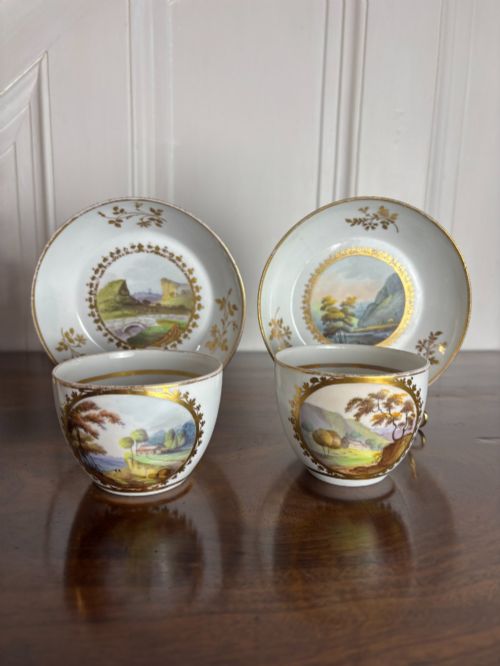
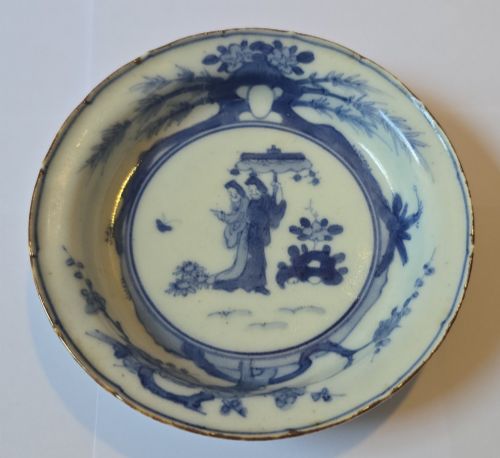
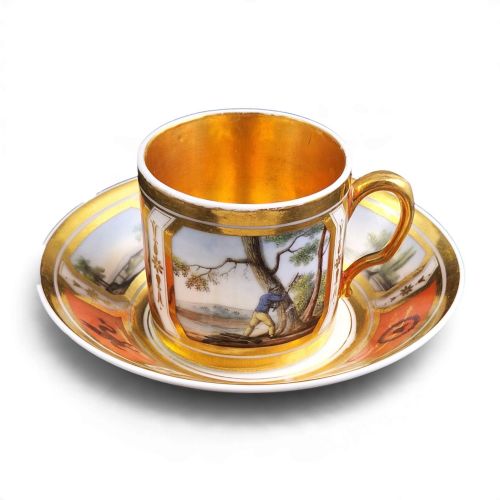
Forms range from simple blue and white Delftware dishes to elaborate gilded cabinet pieces decorated with handpainted landscapes or botanical motifs. Buyers find utilitarian pieces intended for daily service alongside decorative items meant for display within enclosed cabinets.
Materials and Craftsmanship
Makers utilised various ceramic bodies, including soft-paste porcelain, bone china and English Delftware, shaping them by hand or moulding them in potteries across Europe and Asia. Artisans applied cobalt blue underglaze decoration or handpainted polychrome scenes over the fired surface, often finishing details with gold leaf and gilding.
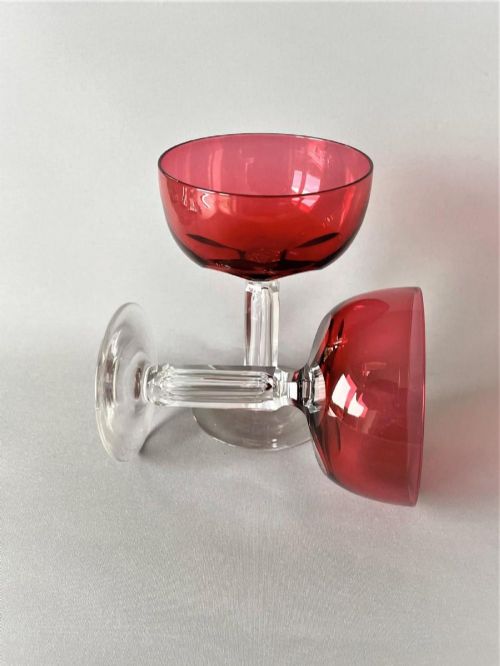
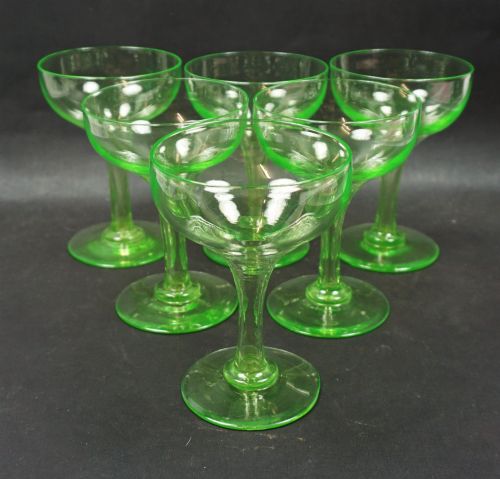
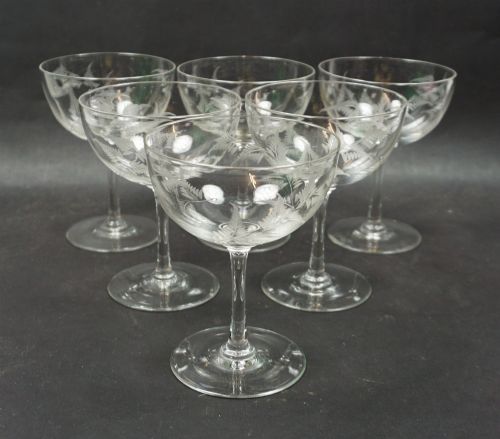
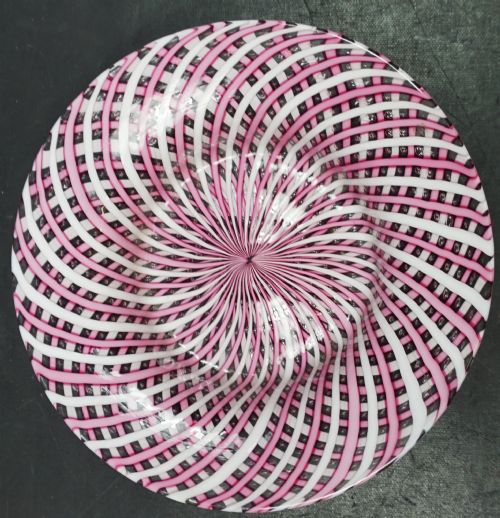
Glassware examples demonstrate wheel-cutting and star-etching techniques on lead glass, creating champagne coupes and bowls with distinct optical properties. Ceramic pieces required multiple kiln firings to set the body, glaze and enamel colours properly.
Antique Saucer Retail Price Guide 2026
Typical asking prices for saucer among the pieces listed under this phrase on Sellingantiques today, from the lower quarter to the upper quarter. They describe what is for sale here now, not the wider market.
Listings feature periods spanning from the 17th century to the 1930s, utilising porcelain, bone china, glass and enamel.
Judging Quality
Quality rests upon the crispness of the moulding, the skill of the handpainted brushwork and the preservation of the original gilding. Finer pieces display delicate, deliberate detailing in the botanical or landscape motifs rather than rushed or mechanical application.
The integrity of the ceramic body and glaze determines overall merit, where smooth surfaces without excessive kiln ash or firing cracks indicate superior workshop standards. The reputation of specific factories, such as Worcester, Derby or Spode, also guides discernment among collectors.
The Antique Saucer Glossary
- Soft-paste porcelain
- An early artificial ceramic composition fired at lower temperatures than hard-paste porcelain. It typically exhibits a warm, creamy translucent body.
- Coffee can
- A straight-sided cylindrical cup lacking a handle, designed for drinking strong coffee during the 18th and early 19th centuries.
- Cabinet cup and saucer
- An ornate decorative set produced primarily for display in glass-fronted furniture rather than for practical daily use.
- Gilding
- The application of gold leaf or gold paint to ceramic rims, handles and motifs to enhance visual richness.
- Trio
- A matched set comprising a teacup, a coffee cup and a saucer, popular during the Regency and Victorian eras.
Antique Saucer: Frequently Asked Questions
How do I date an antique saucer?
Dating relies on identifying factory marks, ceramic paste compositions and decorative styles characteristic of periods like the Georgian or Victorian eras.
Changes in glaze texture, footrim construction and handle shapes further help narrow down the decade of manufacture.
Were saucers always sold with cups?
Many saucers were originally paired with teacups, coffee cans or chocolate cups, though individual pieces frequently became separated over centuries of use.
Finding a complete trio or pairing is less common than discovering solitary dishes.
Can I use antique saucers for dining?
While structurally sound, antique ceramics often feature delicate handpainted enamels and soft glazes that are vulnerable to modern dishwashers and cutlery.
Most collectors prefer to display these pieces or use them strictly for gentle, occasional service.
What is Chinese export porcelain?
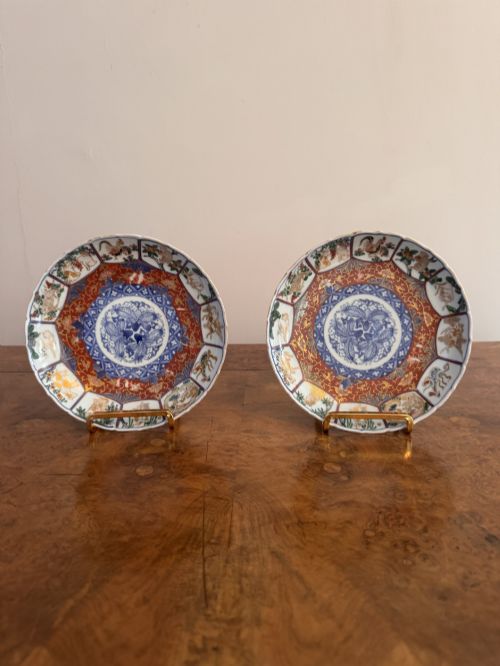
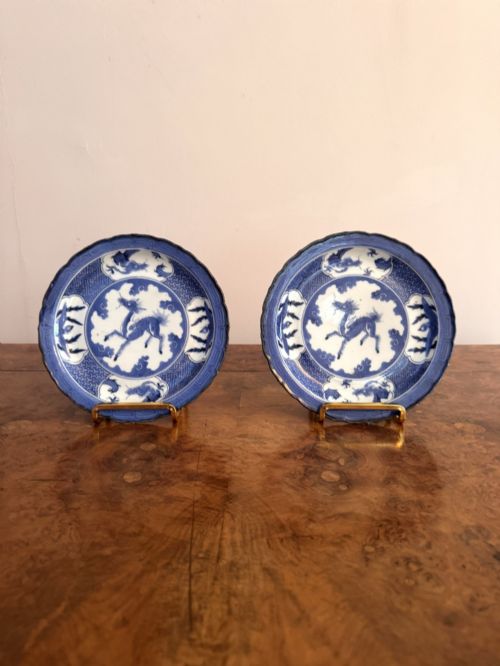
This refers to ceramic goods manufactured in China specifically for European and American markets from the 17th century onwards, often featuring famille rose or blue and white designs.
These items travelled via trade ships and influenced Western ceramic production significantly.