




Antique Sarouk Rug
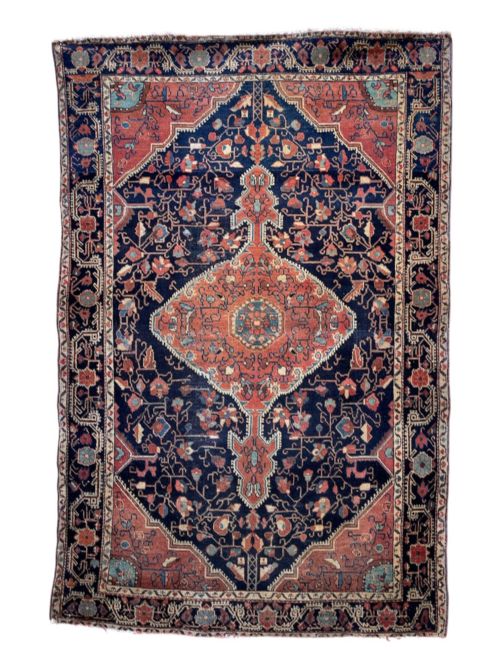
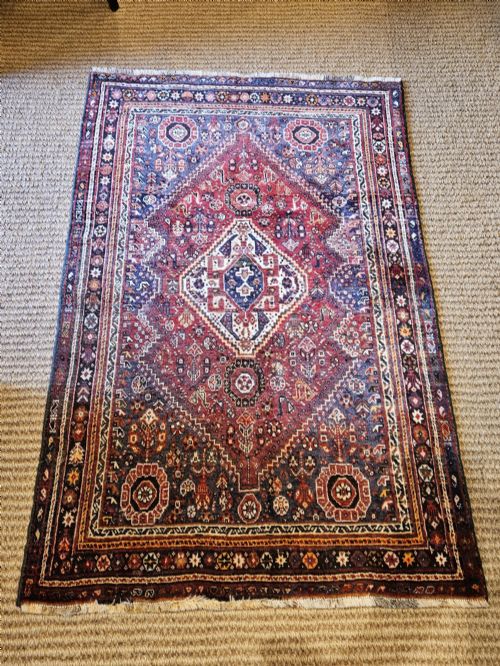
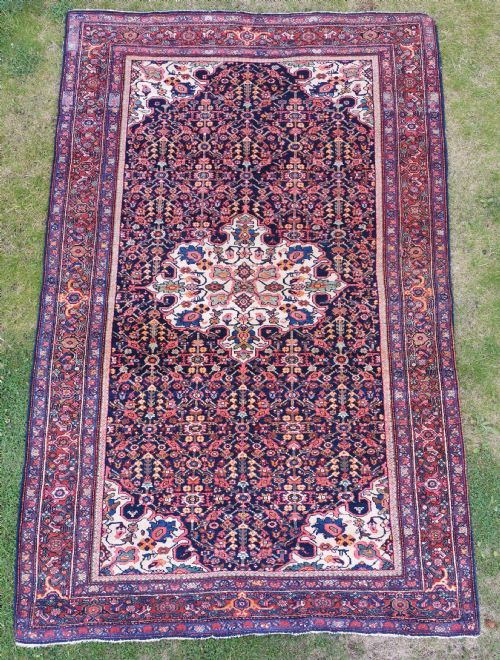
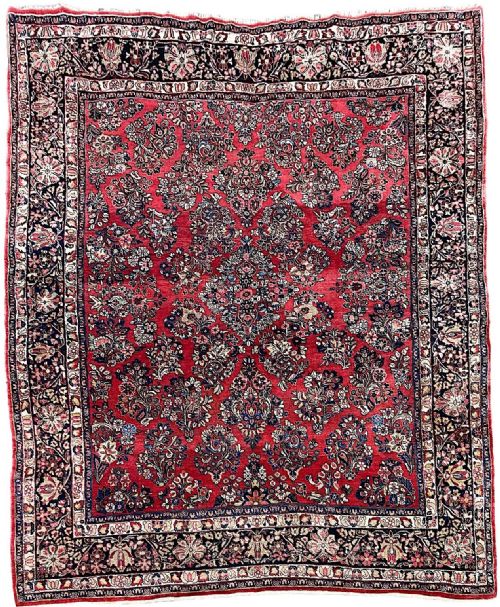
An antique sarouk rug brings resilient West Persian craftsmanship and rich floral motifs into a room.
Antique Sarouk Rug
An antique sarouk rug originates from West Persia, specifically drawing on traditions from surrounding villages like Jozan and Ferahan. These woven pieces serve as durable floor coverings, ranging from compact area formats to exceptionally long runners and large carpets.
Buyers encounter pieces primarily dating from the late nineteenth century through the early twentieth century, spanning decades of traditional Persian weaving. The selection encompasses familiar formats like the classic floral spray field alongside narrow runner formats designed for hallways.
How these rugs were made
Weavers constructed these carpets using resilient wool for the surface pile, paired with strong cotton foundations for the warp and weft threads. This combination provided the structural stability necessary for everyday utility in domestic settings.
Traditional hand-knotting techniques produced dense, fine weaves capable of rendering intricate floral sprays and detailed geometric borders. Vegetable and natural dyes created the foundational background colours, which often developed subtle tonal variations known as abrash over time.
Antique Sarouk Rug Retail Price Guide 2026
Typical asking prices for sarouk rug among the pieces listed under this phrase on Sellingantiques today, from the lower quarter to the upper quarter. They describe what is for sale here now, not the wider market.
Certain early specimens secretly hide charming depictions of small birds nestled amongst botanical pomegranate motifs.
What varies in quality
Knot density and structural tightness dictate the refinement of the weave, separating simpler village examples from exceptionally fine metropolitan commissions. A tighter knot count allows complex floral patterns and curved lines to render with greater clarity.
The integrity of the wool pile and the depth of the palette influence the overall visual impact of a carpet. Uniformity in foundation tension and the preservation of original borders contribute substantially to the lasting character of each piece.
The Antique Sarouk Rug Glossary
- Abrash
- Natural variations in dye shades across the field of a rug. This occurs when dye batches change during production.
- Boteh
- A traditional almond-shaped motif representing a floral or cypress sprout. It appears frequently in Persian weaving.
- Farahan
- A style and region associated with finely woven Persian carpets. Pieces bearing this name often display intricate detail and superior wool quality.
- Jozan
- A specific village production centre known for sturdy construction and distinct design characteristics. Items from this origin command attention for their robust wool.
- Kelleh
- A traditional long rug format. These pieces offer extended proportions suited to specific architectural spaces.
Antique Sarouk Rug: Frequently Asked Questions
Where were antique sarouk rugs made?
These textiles originate from West Persia, encompassing specific weaving centres and villages such as Jozan, Ferahan, and Mahal.
Production flourished across the region during the nineteenth and early twentieth centuries, yielding distinct local variations in design.
How do I care for an antique wool carpet?
Protect the textile by placing a suitable underlay beneath it to prevent slipping and reduce friction against the floor.
Vacuum gently using suction attachment tools rather than rotating brush bars to preserve the integrity of the vintage wool pile.
What is a Mohajeran sarouk?
This designation refers to rugs woven in the Mohajeran district, known for producing particularly pliable foundations and fine wool.
Such pieces often share stylistic traits with broader West Persian workshops while retaining specific regional handling of floral sprays.
How can I distinguish a runner from a carpet?
Runners feature exceptionally long and narrow proportions designed primarily for hallways, corridors, or narrow gallery spaces.
Carpets and area formats provide broader surface areas intended for anchoring furniture arrangements in principal rooms.