



Antique Samurai Sword
An antique samurai sword holds centuries of metalworking skill, martial history and meticulous craftsmanship within steel and iron.
Antique Samurai Sword
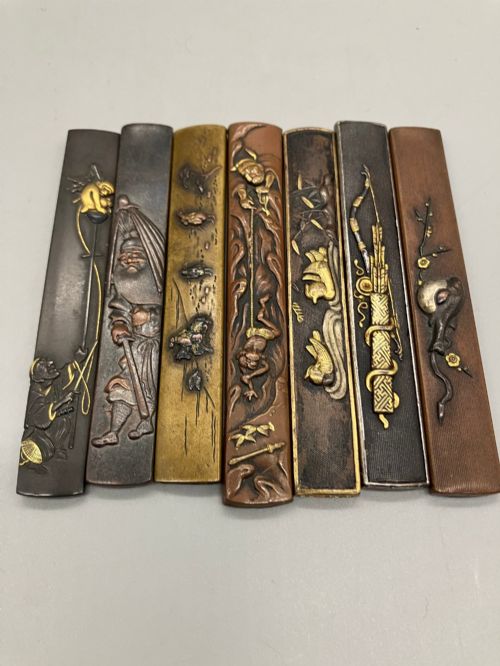
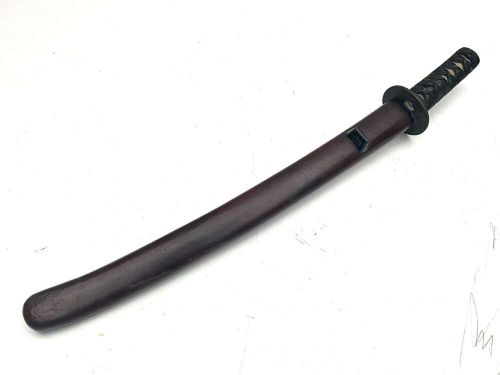
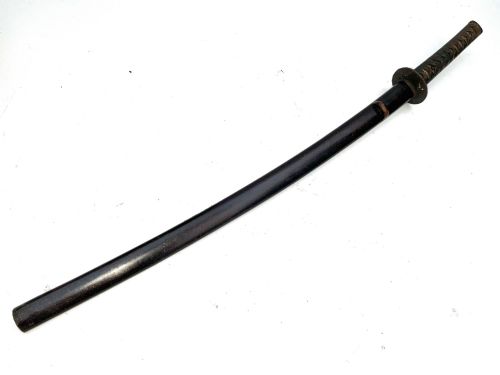
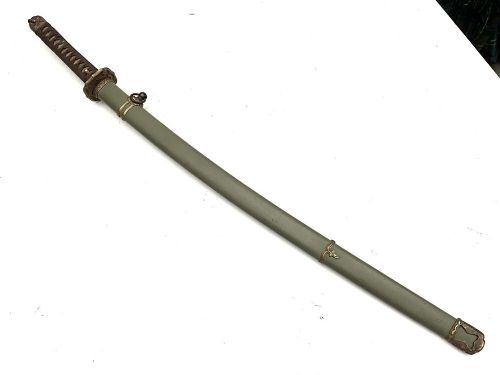
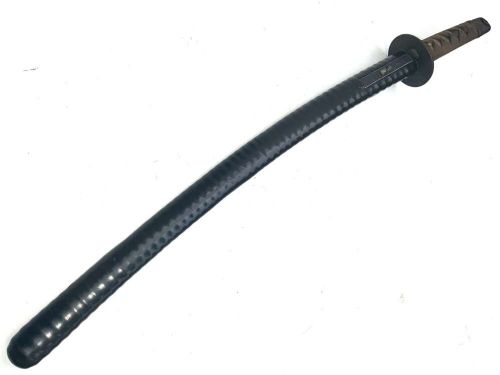
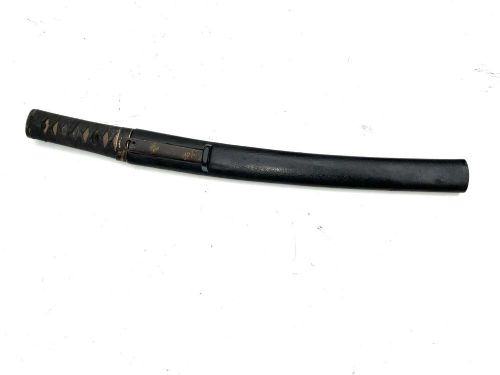
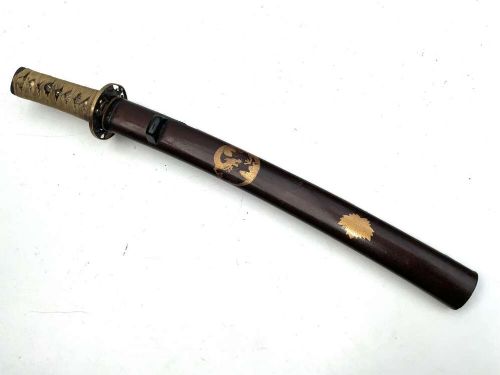
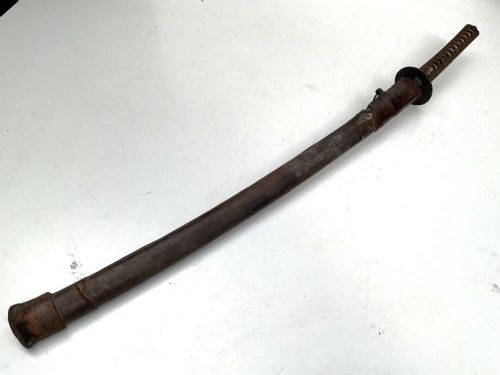
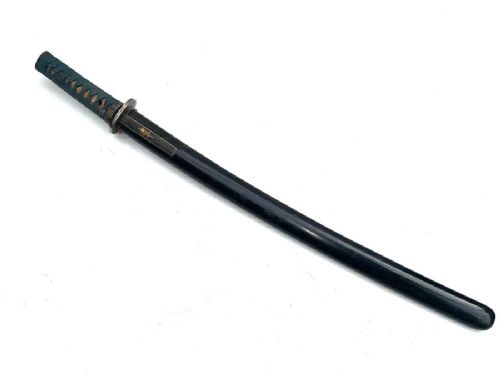
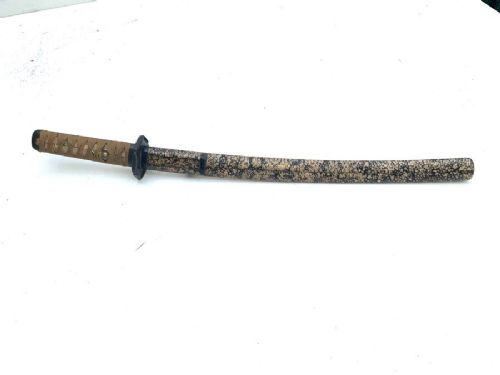
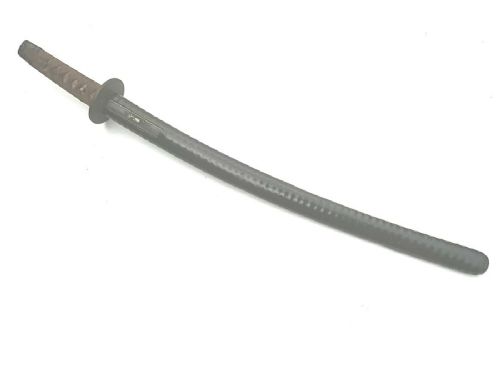
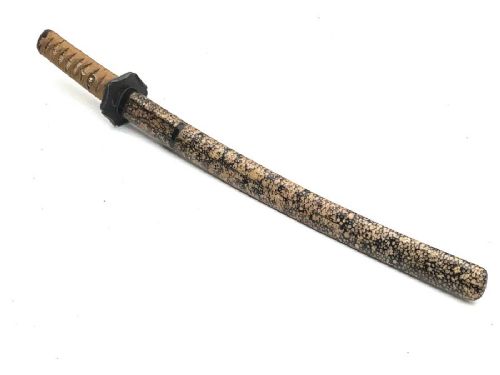
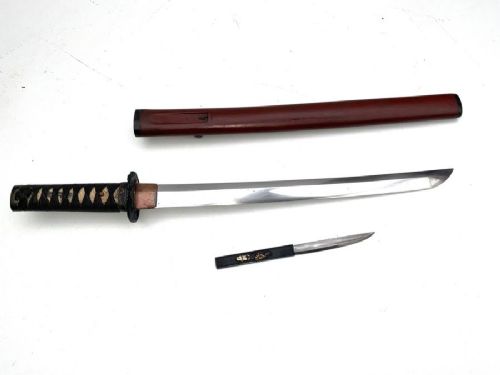
An antique samurai sword represents edged weapons originating from Japan across various historical epochs. When searching for an antique samurai sword, collectors encounter diverse forms ranging from full length blades to shorter wakizashi mountings and protective guards.
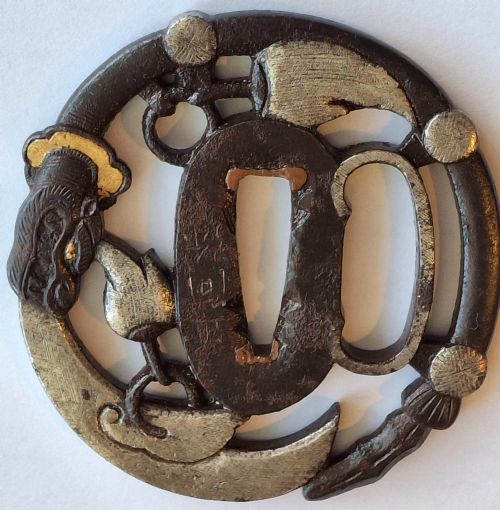
The selections span significant eras including the pre 16th century Muromachi period, the extensive Edo period, the Meiji period, and later military contexts. Wakizashi short swords and detailed tsuba sword guards form a prominent part of what appears here.
Originating directly from Japanese feudal and military traditions, these pieces combine functional martial utility with high aesthetic refinement. Each object preserves the distinct material culture of its specific century of production.
Materials and construction
Forged primarily from steel and iron, the blades and guards demonstrate complex traditional metalworking techniques. Wood, lacquer, ray skin, rayskin, and leather provide structural cores and textural wrapping for the mountings.
Decorative elements incorporate copper inlay, silver overlay, and cloisonne enamel to achieve detailed surface ornamentation. High relief casting and intricate carving bring traditional motifs like dragons and folklore figures to life on iron and bronze components.
Antique Samurai Sword Retail Price Guide 2026
Typical asking prices for samurai sword among the pieces listed under this phrase on Sellingantiques today, from the lower quarter to the upper quarter. They describe what is for sale here now, not the wider market.
Current listings incorporate steel, iron, wood, lacquer, ray skin, leather, silver, and copper across Edo, Meiji, and Muromachi periods.
Evaluating the craftsmanship
Superior examples display exceptional control in metal forging, careful integration of secondary metals such as copper or silver, and deeply detailed high relief carving. The precision of inlay work and the harmonious balance of mounting materials distinguish finer pieces.
Signatures and artist marks on guards or blades elevate historical interest and demonstrate individual workshop mastery. Condition and integrity of the original steel, iron, lacquer, and skin components remain central to the overall standard.
The Antique Samurai Sword Glossary
- Wakizashi
- A traditional Japanese short sword carried by samurai warriors, frequently paired with a longer blade. These shorter weapons share similar mounting styles and steel construction.
- Edo Period
- A historical epoch in Japan spanning from the early seventeenth to the mid nineteenth century. This era produced a vast quantity of surviving swords, mountings, and decorative guards.
- Muromachi Period
- An earlier era in Japanese history stretching before the sixteenth century. Pieces surviving from this time represent the older end of the available sword spectrum.
- Koto
- A designation referring to old swords forged prior to the shinto period. These blades reflect historical manufacturing methods from earlier centuries.
Antique Samurai Sword: Frequently Asked Questions
What is a wakizashi?
A wakizashi is a traditional Japanese short sword that samurai warriors wore alongside their primary long blade. These pieces functioned as secondary weapons and served ceremonial as well as practical roles.
In collections, wakizashi appear both as complete short swords and as individual mountings preserved from the Edo period and earlier centuries.
How are tsuba used?
A tsuba acts as the hand guard situated between the grip and the blade of a Japanese sword. It protects the hand from sliding forward during use and balances the weapon.
Beyond utility, these guards served as canvases for metalworkers to display iron forging, copper inlay, and high relief sculptural designs.
Which periods do these swords date from?
The available pieces span multiple centuries, originating from pre 16th century Muromachi times through the Edo period and Meiji era. Twentieth century military examples also appear.
Each period imparts distinct characteristics to the steel, iron mounts, and decorative techniques applied to the weapons and guards.
What materials make up the mountings?
Mountings incorporate a combination of wood, iron, steel, lacquer, ray skin, and leather to form grips, guards, and scabbards. Secondary metals like copper, silver, and bronze add decorative contrast.
These organic and metallic elements work together to protect the blade while providing a textured grip for the handler.
How do signed pieces differ?
Signed items bear the mark or signature of the metalworker or swordsmith who created the component. These inscriptions provide direct attribution to specific makers and workshops.
Signed tsuba guards and blades generally attract greater attention from collectors interested in documented historical craftsmanship.