


Antique Japanese Weapon
These antique japanese weapon examples span centuries of master craftsmanship, offering collectors authentic steel blades, traditional mounts and historic samurai arms.
Antique Japanese Weapon
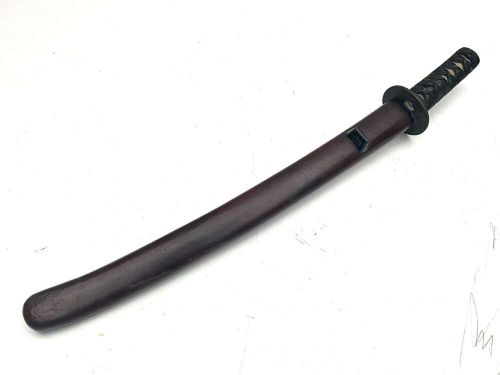
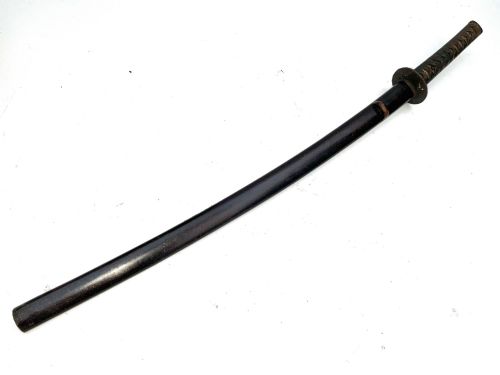
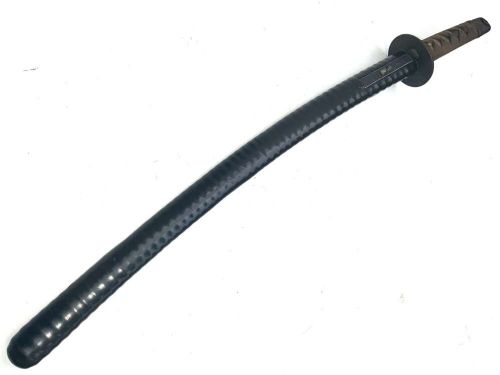
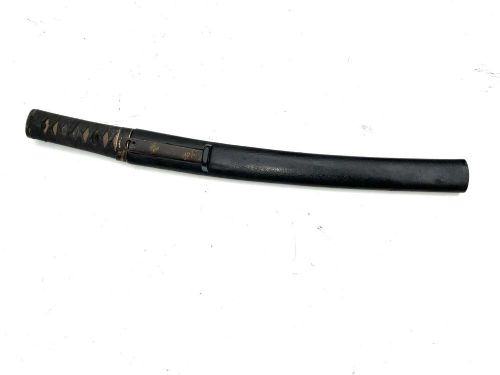
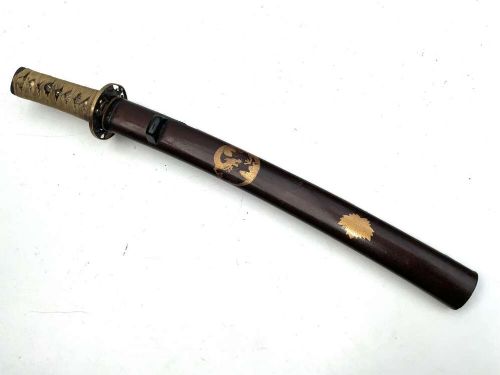
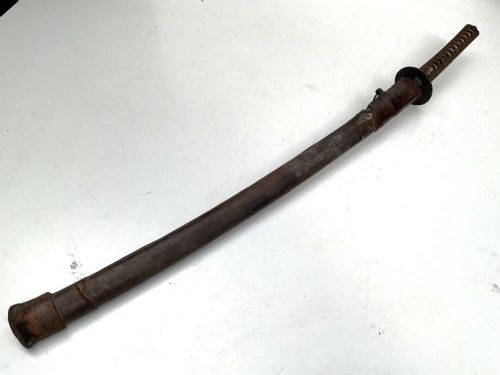
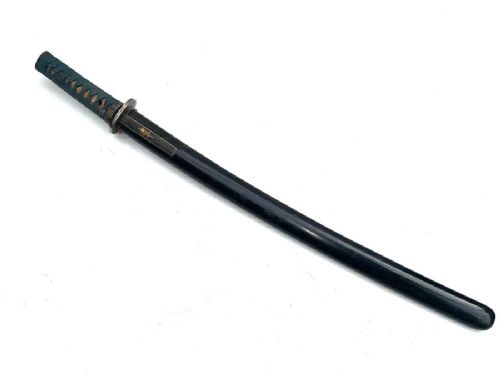
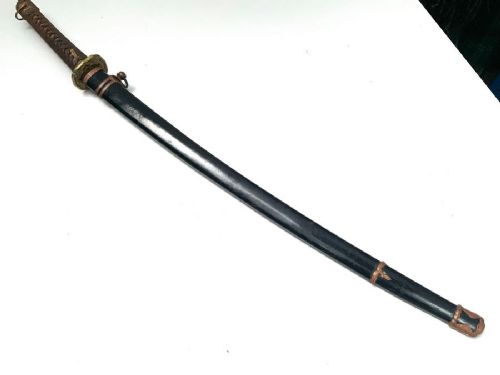
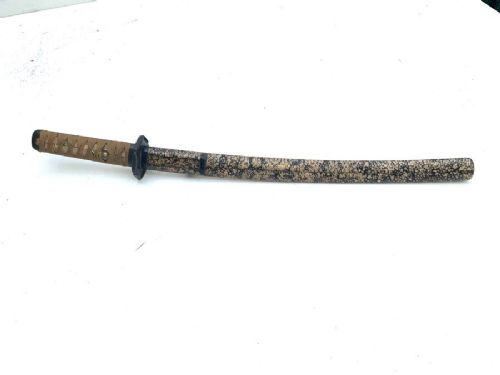
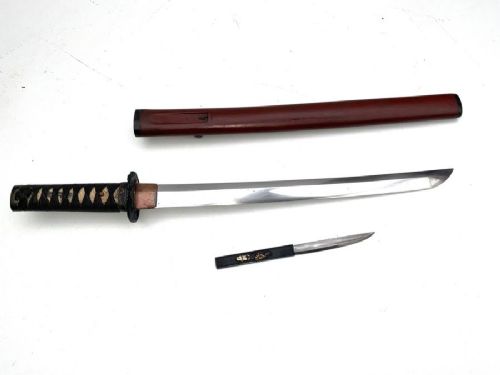
An antique japanese weapon encompasses historic arms and edged pieces such as samurai swords, wakizashi short swords, tanto daggers, and officers' military swords. Buyers searching this category frequently encounter pieces originating from the Muromachi period through the Edo and Showa periods.
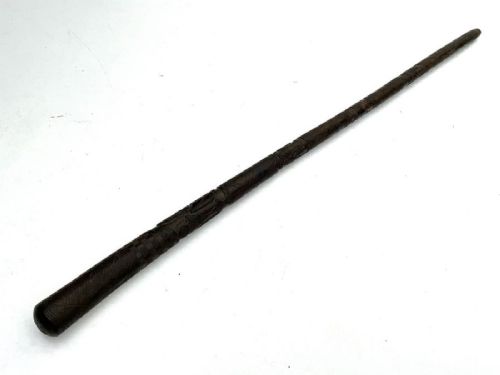
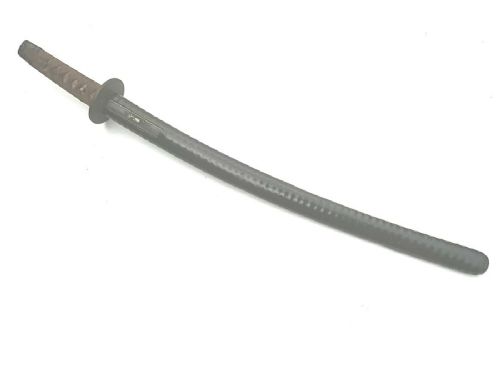
The selections available here range from formal military katana and koto swords to specialised items like bokken practice sticks and family mounts with signed blades. Each object represents specific eras of Japanese martial history, traditional craftsmanship, and military service.
The most common forms on this page are traditional samurai swords and wakizashi short swords dating from the eighteenth century and earlier. Collectors also find mid-twentieth-century military pieces reflecting later periods of Japanese history.
How they were made
The construction of these arms relies heavily on forged steel for the blades, combined with traditional organic and metallic elements for the mountings. Artisans shaped hard steel into effective edged weapons using specialised smithing techniques passed down through generations.
Hilt and scabbard assemblies incorporate materials such as wood, iron, copper alloy, lacquer, leather, and ray skin or rayskin. These exterior components provided both protective utility and refined decorative detail to the finished arms.
Antique Japanese Weapon Retail Price Guide 2026
Typical asking prices for japanese weapon among the pieces listed under this phrase on Sellingantiques today, from the lower quarter to the upper quarter. They describe what is for sale here now, not the wider market.
Listings feature items spanning the Muromachi, Edo, and Showa periods, utilising steel, iron, wood, lacquer, and ray skin.
What varies in quality
Quality in these pieces rests upon the precision of the steel forging, the preservation of the blade's temper, and the integrity of the signature or mounts. Superior examples demonstrate expert metallurgy and careful preservation of historic fittings.
The refinement of the decorative lacquer, the tightness of the ray skin wrap on the hilt, and the overall balance of the sword distinguish higher grade pieces from standard utilitarian examples.
The Antique Japanese Weapon Glossary
- Katana
- A traditional long Japanese sword designed for cutting, characterised by a curved, single-edged steel blade. It served as the primary weapon of the samurai class.
- Wakizashi
- A traditional Japanese short sword worn alongside the katana by samurai warriors. These blades date frequently to the Edo period and earlier.
- Tanto
- A traditional Japanese dagger or short sword used for thrusting and close combat. These pieces feature single or double-edged steel blades.
- Koto
- A term denoting old swords forged before the transition to the Shinto period. These early blades are prized for their historical significance.
- Bokken
- A wooden Japanese sword utilised primarily for martial arts training and practice. These pieces replicate the dimensions of traditional steel swords without the edge.
Antique Japanese Weapon: Frequently Asked Questions
What is a wakizashi?
A wakizashi is a traditional Japanese short sword that samurai warriors carried as a companion to the longer katana. These blades were often worn together in a pair known as daisho.
Wakizashi swords served as versatile weapons for close quarters and indoor combat where longer blades proved cumbersome.
How old are these weapons?
The pieces span multiple centuries of Japanese history, ranging from pre-sixteenth century examples to mid-twentieth-century military arms. Edo period pieces and eighteenth-century swords appear frequently in these listings.
Each period reflects distinct styles of forging, mounting, and military utility unique to its era.
What materials were used?
These arms combine forged steel blades with natural materials for the hilts and scabbards. Wood forms the core of many handles and scabbards, while iron and copper alloy provide structural guards and mountings.
External wraps often utilise ray skin, leather, and decorative lacquer finishes to secure the grip and protect the wood.
How do I care for a blade?
Maintaining steel blades requires regular application of light oil to prevent corrosion and oxidation from humidity. Handling the metal directly should be avoided to protect the historic surface from oils and moisture.
Displaying the pieces in stable environmental conditions preserves both the steel and the organic mountings over time.