






Antique Sampler Picture
An antique sampler picture combines needlework skill with domestic history, preserving centuries of stitched alphabets, scenes and stories.
Antique Sampler Picture
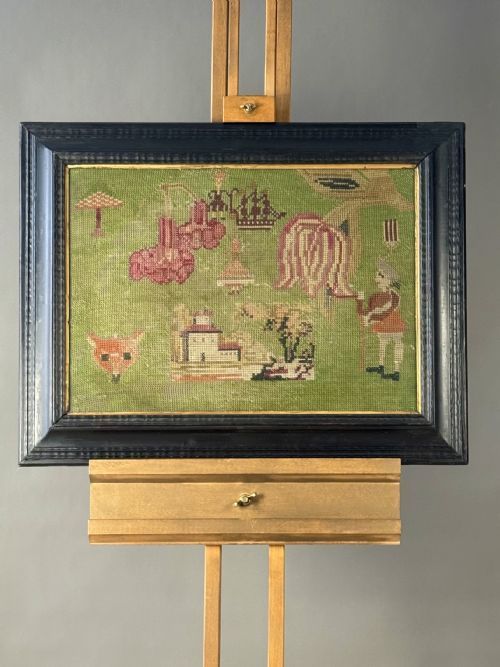
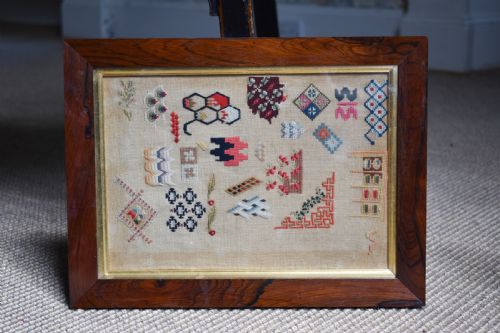
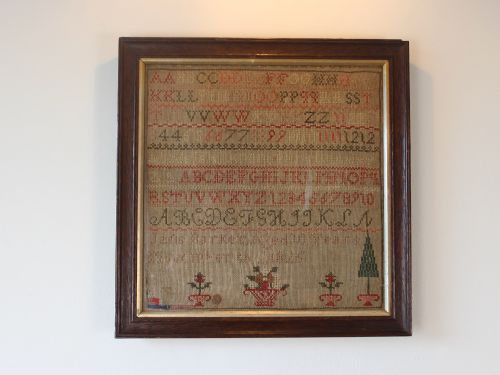
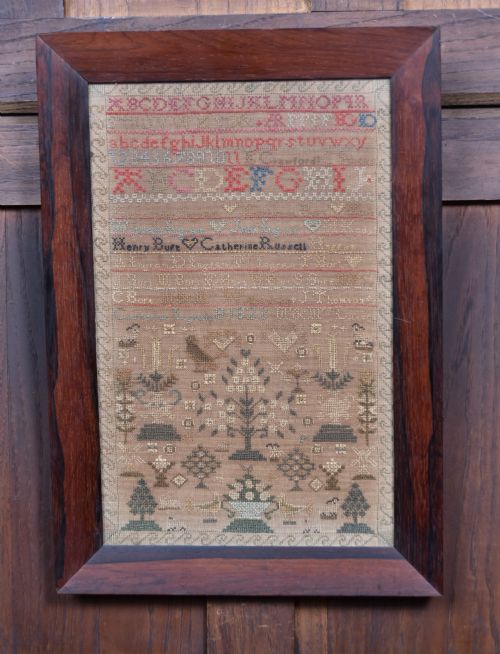
An antique sampler picture represents needlework created across the eighteenth and nineteenth centuries, spanning Georgian and Victorian periods. These textile works range from traditional alphabet and verse panels to pictorial scenes involving figures, animals, maps and stories. Buyers searching for an antique sampler picture encounter both instructional schoolgirl pieces and elaborate framed works intended for display.
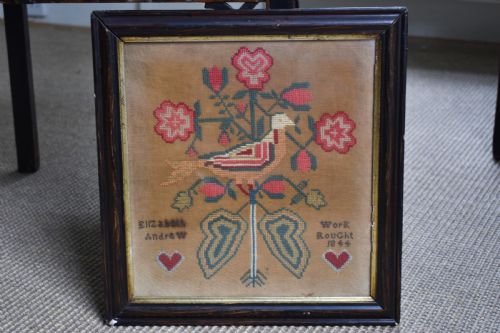
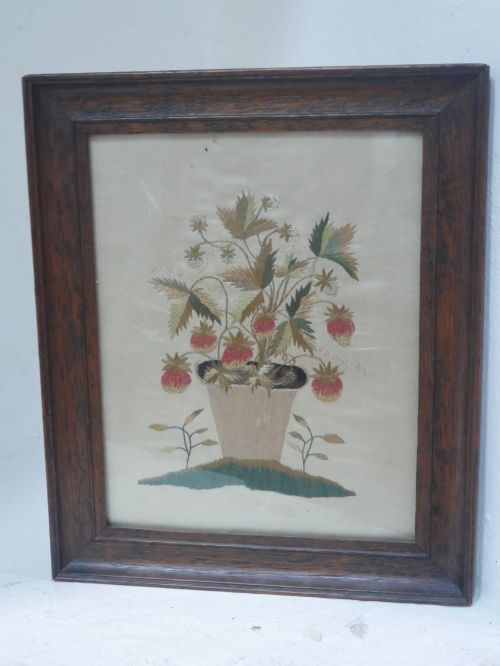
The format appears in various styles including folk art, botanical studies, religious subjects and narrative compositions. Many examples incorporate specific dates, makers' names and ages, recording the personal history of the stitcher. The selection includes Scottish, English and continental European origins, housed within period wooden frames.
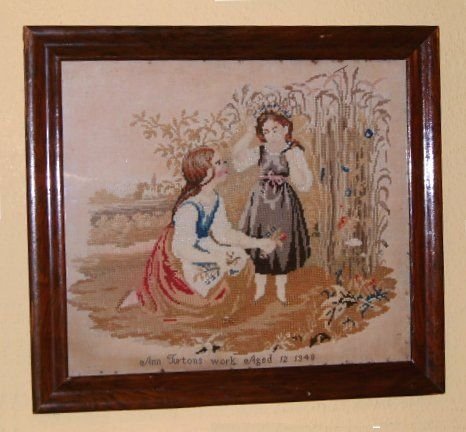
Most pieces seen on this page date from the Georgian and Victorian eras, employing traditional techniques on linen or canvas grounds. Formats vary from simple alphabet exercises to detailed gros point and petit point wool work framed in rosewood or timber.
What varies in quality
Quality in an antique sampler picture rests upon the precision of the stitch work, the complexity of the design and the preservation of the material. Finer examples display meticulous control of tension and shading across detailed pictorial scenes or complex lettering.
The choice of materials and framing also distinguishes the pieces, with silk floss on fine linen or rosewood-framed wool work representing higher levels of period presentation. Documentation such as legible signatures, dates and ages adds historical depth to the workmanship.
Antique Sampler Picture Retail Price Guide 2026
Typical asking prices for sampler picture among the pieces listed under this phrase on Sellingantiques today, from the lower quarter to the upper quarter. They describe what is for sale here now, not the wider market.
Young Ann Hodson documented her precise milestone in 1847 by stitching her exact age alongside her name.
The Antique Sampler Picture Glossary
- Sampler
- A piece of needlework produced as a demonstration or test of skill in various stitches, frequently featuring alphabets, numbers and motifs. These historical panels often record the name and age of the young maker.
- Gros Point
- A type of needlepoint embroidery worked on canvas using a coarse cross stitch or Gobelin stitch. It creates a durable, textured surface common in nineteenth-century wool work pictures.
- Needlework Picture
- A framed textile composition designed purely for pictorial display rather than as an instructional exercise. These works depict landscapes, religious subjects, portraits or narrative scenes.
- Alphabet Sampler
- A specific variety focused primarily on rows of lettering, numbers and simple decorative borders. They served as foundational exercises for young stitchers learning typography and layout.
Antique Sampler Picture: Frequently Asked Questions
How do I date an antique sampler?
Many pieces contain stitched dates, makers' names and ages which provide a direct point of reference for the period of creation. Stylistic elements, lettering formats and framing materials also assist in determining whether a work originates in the eighteenth or nineteenth century.
Examination of the ground fabric and thread types helps confirm the era of production. Linen grounds generally point towards earlier Georgian examples, while heavier canvas and rosewood frames often indicate Victorian manufacture.
Were all samplers made by children?
A large proportion of schoolgirl samplers were stitched by young girls as part of their domestic education, often recording their age alongside the alphabet or religious verses. These pieces served to demonstrate both literacy and needlework competence.
Other works, including complex pictorial tapestries and botanical studies, were produced by adult makers or professional embroiderers. These advanced pieces focused on artistic composition and sophisticated shading techniques rather than basic instruction.
How should I care for a framed textile?
Framed needlework requires protection from direct sunlight to prevent the fading of silk threads and wool grounds. Maintaining a stable indoor environment away from excessive moisture preserves the integrity of the fabric and wooden frame.
Displaying the piece out of harsh light and avoiding damp walls ensures the textile remains stable over time. Professional framing using conservation-grade glass further safeguards the delicate fibres from atmospheric damage.