

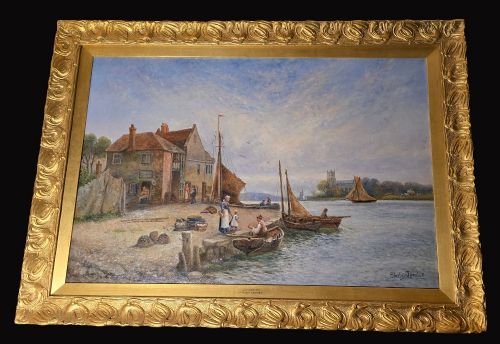
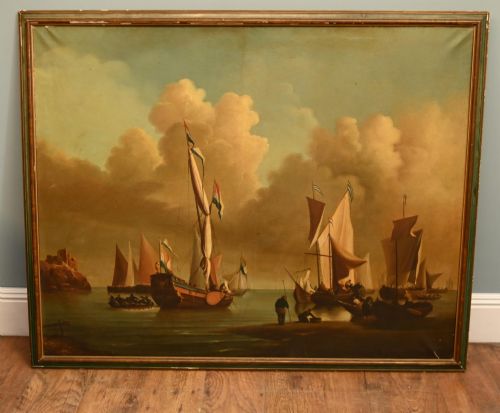
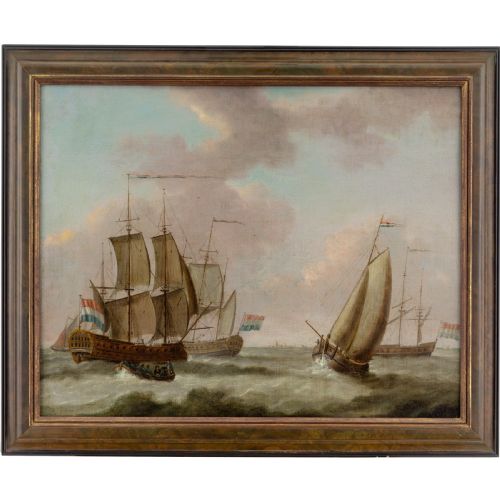
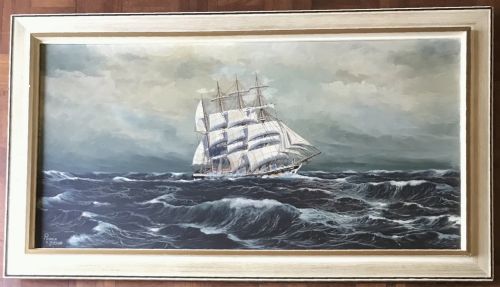



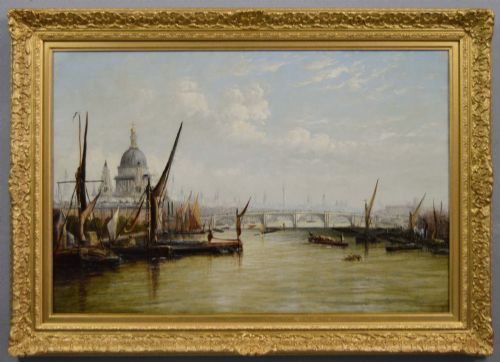
Antique Sailing Painting
An antique sailing painting captures the enduring drama of historic vessels, choppy seas and coastal harbours on canvas, paper or wood.
Antique Sailing Painting
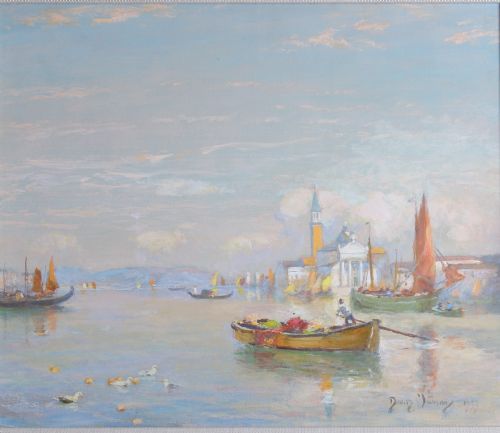
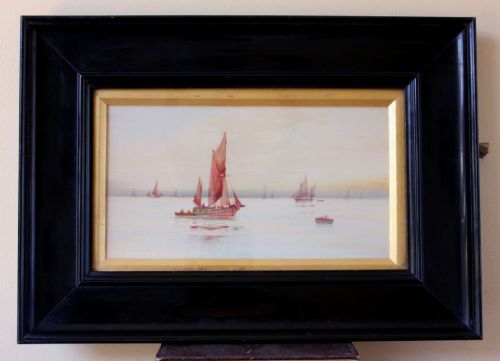
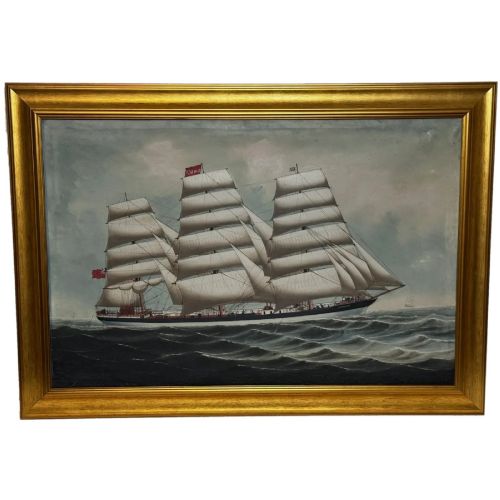
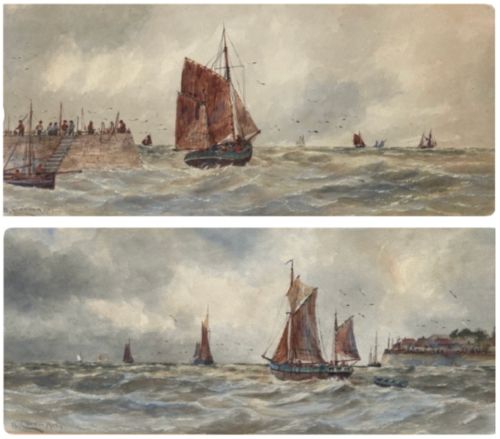
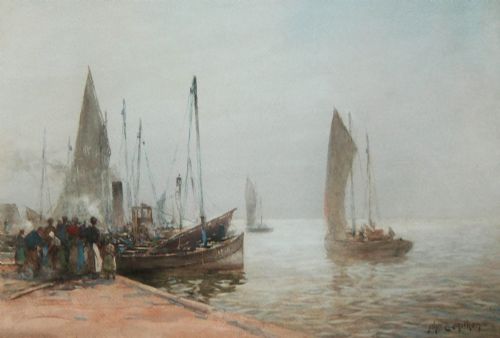
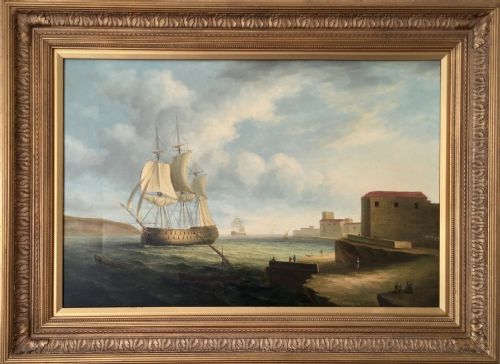
When you examine an antique sailing painting, you encounter visual records of maritime history ranging from nineteenth-century merchant ships to coastal fishing boats. These artworks appear primarily as oil paintings on canvas or board, alongside delicate watercolours and three-dimensional shadow box dioramas.
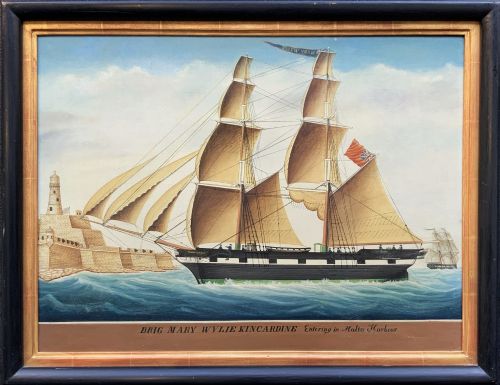
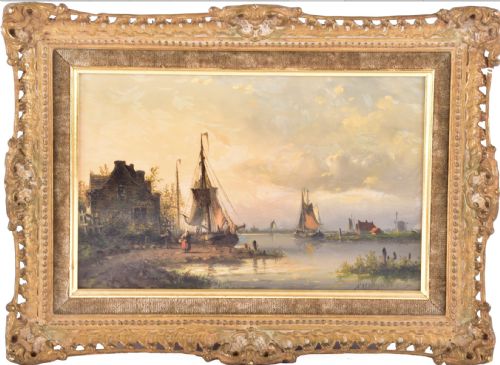
The creators of these works include named British and European artists working within Victorian marine, Edwardian and Dutch romantic traditions. You will frequently find depictions of specific vessels, naval engagements and bustling harbour scenes set against rolling seas.
While many examples date from the nineteenth century, the selection extends from earlier eighteenth-century Dutch shipping scenes through to mid-century maritime interpretations. Each piece preserves a distinct moment of nautical heritage through period artistic conventions.
How they were made
Artists utilised traditional oil paint on stretched canvas or wooden panels, building up rich textures to render turbulent water and billowing canvas sails. Watercolours on paper offer a lighter, translucent approach, often capturing coastal light and atmosphere with fine washes.
Frames play a structural role in the presentation of these artworks, frequently constructed from wood with gilt enrichment to complement the maritime subject matter. Dioramas incorporate glass enclosures and handmade wooden model vessels to create depth within a framed box.
Antique Sailing Painting Retail Price Guide 2026
Typical asking prices for sailing painting among the pieces listed under this phrase on Sellingantiques today, from the lower quarter to the upper quarter. They describe what is for sale here now, not the wider market.
Listings feature oil paintings, watercolours, canvas, paper, wood, glass and gilt wood across multiple historical periods.
What varies in quality
The skill with which an artist handles light, movement and atmospheric perspective defines the standing of an individual marine work. Depictions of rigging, hull construction and nautical topography reveal the painter's direct observation and technical competence.
The preservation of the original painted surface, alongside the integrity of period wooden and gilt frames, influences the overall character of the piece. Works by documented painters with established exhibition records display greater narrative specificity and compositional strength.
Sir David Murray RA·GM Avondale·Nicolaas Martinus Wijdoogen·James Hardy·William Cannon·Hans Harlander·Reginald Arthur Borstel·James E Aitken·John Rose Miles·Bernard Gribble·Francis Moltino·TB Hardy·Cecil Allan Mould RI·John Wilson Carmichael·Lai Fong·John Macvicar Anderson·John Moore of Ipswich·William Matthison·George Stanfield Walters·Abraham Hulk I·Charles William Adderton·Charles Napier Hemy·Bernard Benedict Hemy
The Antique Sailing Painting Glossary
- Barque
- A sailing vessel with three or more masts, where the foremast and mainmast are square-rigged and the mizzenmast is fore-and-aft rigged. This rig configuration appears frequently in nineteenth-century merchant shipping records.
- Diorama
- A three-dimensional display housed within a glazed box, combining carved or modelled wooden ship figures with painted backdrops. These constructions recreate maritime scenes with physical depth.
- Gilt wood
- Wood coated with a thin layer of gold leaf or metallic gilt, commonly used for framing traditional oil paintings. This finish enhances the visual separation between the artwork and its surroundings.
- Marine art
- Artistic representation of maritime subjects, including ships, coastal views, naval battles and harbour scenes. The genre encompasses various mediums such as oil, watercolour and mixed media.
- Provenance
- The documented history of ownership surrounding an artwork, establishing its origin and authenticity. Clear records help trace the exhibition and custodial lineage of historical pieces.
Antique Sailing Painting: Frequently Asked Questions
What periods do these paintings cover?
The listings span from the early eighteenth century through the nineteenth and twentieth centuries, incorporating Victorian and Edwardian maritime schools.
Key periods include established nineteenth-century marine traditions alongside mid-century interpretations of coastal and river scenes.
How should I care for an antique canvas?
Keep painted canvases away from direct sunlight and fluctuating humidity levels to prevent pigment degradation and canvas warping.
Dust gently with a soft, dry brush and avoid chemical cleaning agents on both the artwork and its wooden frame.
What is a shadow box diorama?
A shadow box diorama is a cased three-dimensional display featuring miniature wooden sailing vessels positioned against a painted background.
These pieces combine model-making with maritime painting to create physical depth within a protective glass frame.
How can I identify the subject of a marine painting?
Titles often record specific vessels, named locations, ports or historical events associated with the composition.
Signatures, artist documentation and distinct geographical landmarks within the landscape provide further clues to the depicted setting.