
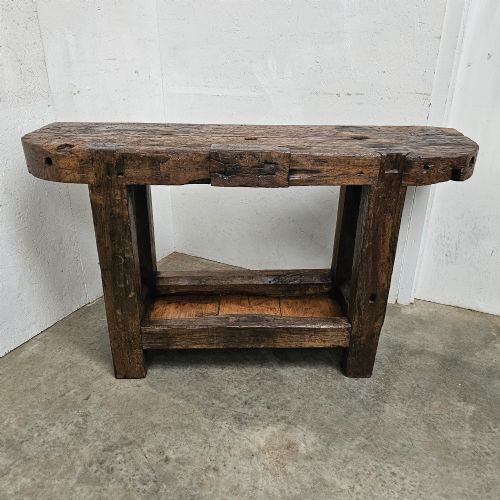
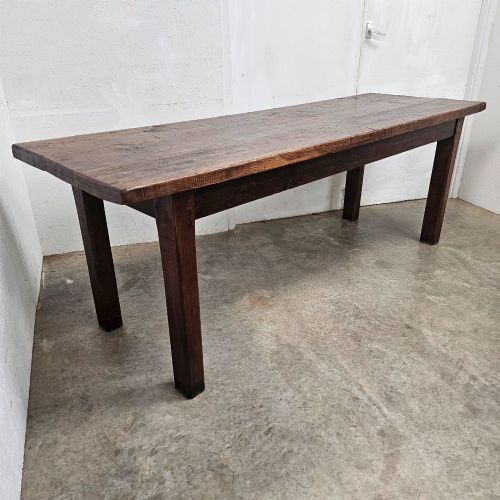
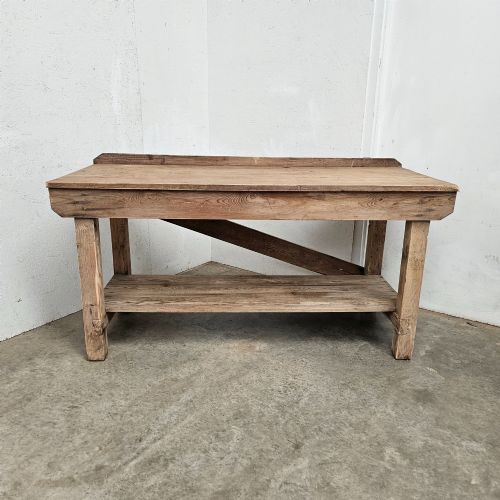
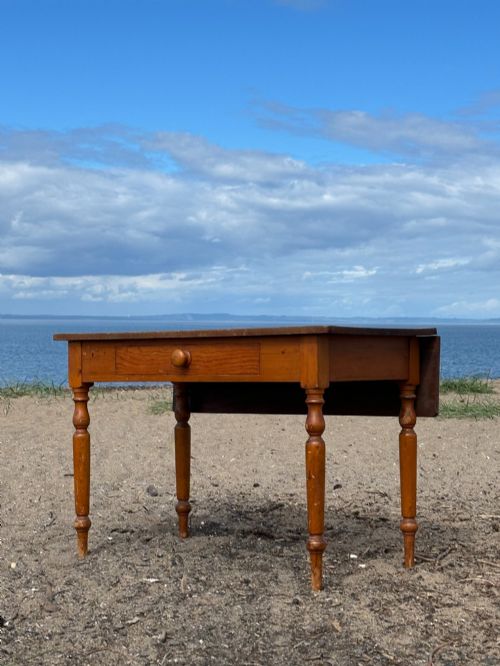
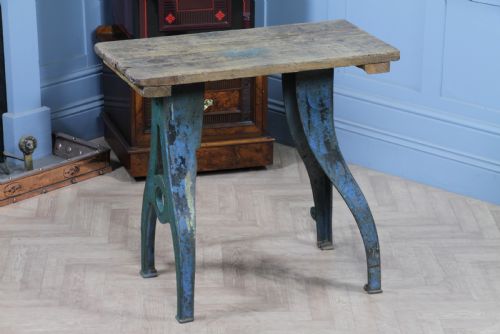


Antique Rustic Workbench Table
An antique rustic workbench table brings working heritage into a domestic interior, offering practical surface space shaped by decades of trade.
Antique Rustic Workbench Table
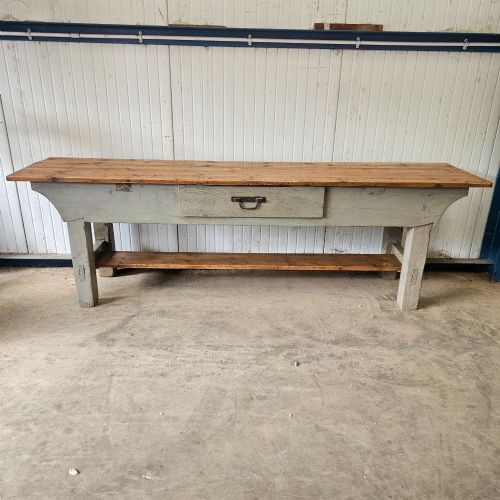
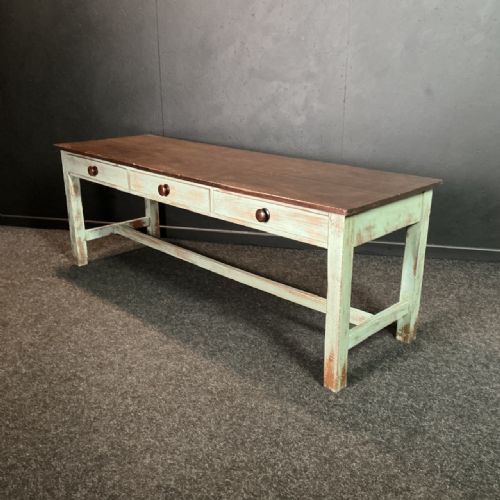
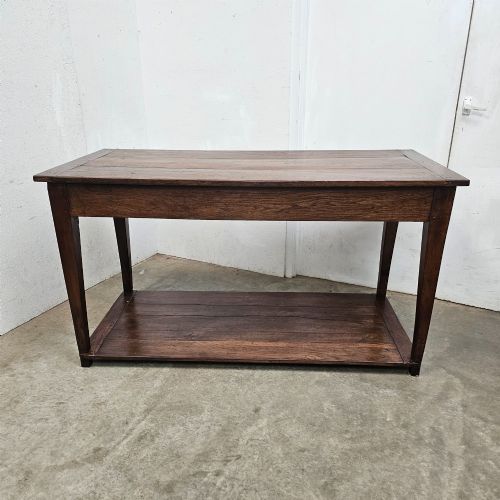
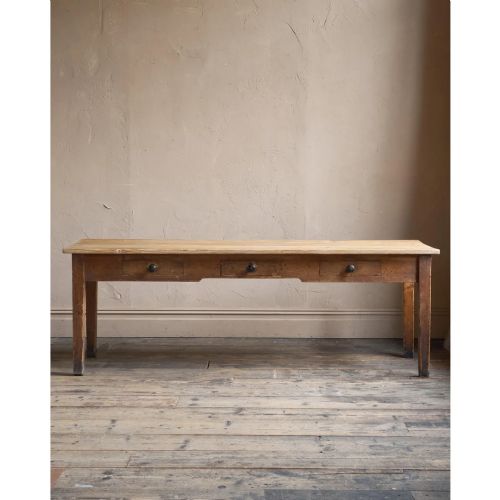
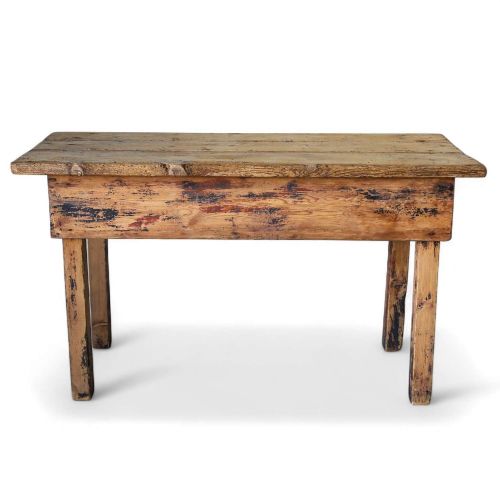
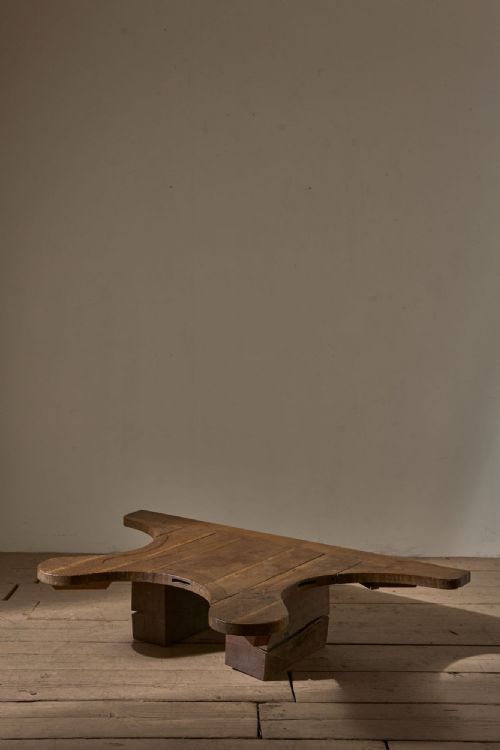
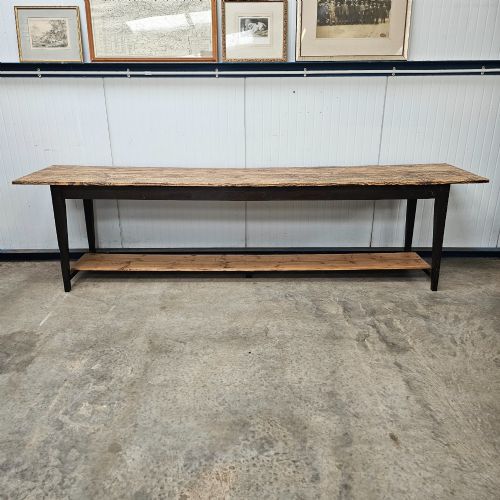
When searching for an antique rustic workbench table, buyers examine heavy utilitarian furniture designed for trade rather than polite display. These pieces range from scullery tables and drapers tables to carpenters' benches and post office sorting tables.
The pieces most often met on this page date from the nineteenth century into the early twentieth century, originating from workshops and kitchens across England, France, Wales, Scotland, and Scandinavia. They serve modern homes as dining tables, kitchen preparation islands, and console tables.
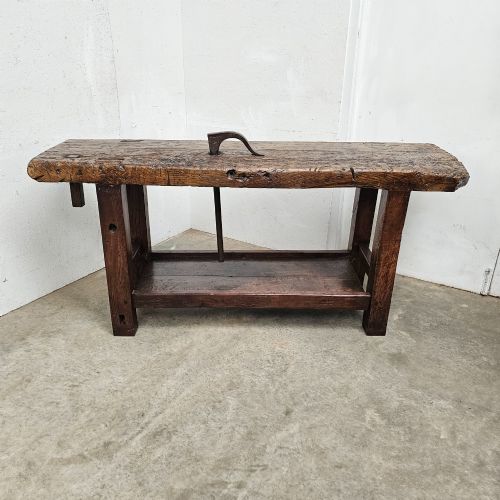
Forms vary from sturdy trestle tables with thick plank tops to substantial workbenches fitted with vises and clamping bars. Each object bears the surface marks of its original vocation, making them functional centres for contemporary rooms.
Materials and construction
Makers built these tables from durable timbers selected for heavy labour, predominantly pine, oak, elm, beech, sycamore, and poplar. Thick tops often sit upon robust frames joined by pegged mortise and tenon joints.
Iron and cast iron appear frequently in braces, screw mechanisms, vices, and structural supports. Many surviving pieces retain traces of original paint or scrubbed surfaces resulting from generations of daily use and cleaning.
Listings feature timbers including pine, oak, elm, beech, sycamore, poplar, and mahogany across nineteenth and early twentieth-century periods.
What defines quality in these pieces
Quality rests in the integrity of the timber and the honesty of the wear. Superior examples display dense grain, substantial thickness in the top boards, and mechanical fittings that remain entirely original to the piece.
Proportion and structural balance separate finer utilitarian furniture from ordinary workshop salvage. A well-proportioned frame supports heavy daily service without wobble, while retaining the authentic patination acquired through decades of trade.
The Antique Rustic Workbench Table Glossary
- Trestle table
- A table consisting of two or more supports carrying a horizontal top. This form allowed makers to construct long, stable surfaces without traditional corner legs.
- Scullery table
- A heavy utilitarian table used for food preparation and washing tasks in large kitchens. They typically feature thick softwood tops able to withstand constant scrubbing.
- Drapers table
- A long counter-like table traditionally used for folding and measuring cloth in retail shops. They often include multiple drawers or lower tiers for storage.
- Patina
- The surface sheen and colour developed through age, handling, and wear. This layer is valued by collectors for recording the history of the object.
- Clamp
- A wooden or iron mechanism integrated into a workbench to hold timber steady during work. Surviving vices and clamping bars add functional character to the piece.
Antique Rustic Workbench Table: Frequently Asked Questions
How do I use a workbench table in a kitchen?
These tables provide sturdy surfaces suited for food preparation and daily dining. Their generous proportions accommodate seating or heavy appliances.
Unfinished or scrubbed timber tops require simple maintenance using traditional oils or waxes to protect against spills while preserving the historic surface texture.
Are these tables suitable for everyday dining?
Many historical work tables and scullery pieces adapt well to dining rooms due to their long rectangular proportions. Legroom varies significantly between traditional workbenches and standard dining tables, so checking clearance is advisable.
Thick wooden tops tolerate active family life and develop further character through continued domestic use.
How do I date an antique work table?
Dating relies on construction methods, tool marks, and materials. Hand-sawn boards, square-headed nails, and pegged joints usually indicate nineteenth-century or earlier manufacture.
Makers often integrated specific hardware designs or timber treatments typical of particular decades, allowing comparison with documented workshop styles from England and France.
Should I remove old paint from a work table?
Original painted surfaces provide evidence of the history and utilitarian use of the object. Collectors generally prefer to preserve extant paint rather than strip it down to bare wood.
Cleaning requires gentle methods that retain the patinated skin built up over generations of workshop or domestic service.