





Antique Russian Art
Antique Russian art encompasses everything from gilded devotional panels to modernist bronzes, offering collectors a tangible piece of a complex cultural history.
Antique Russian Art
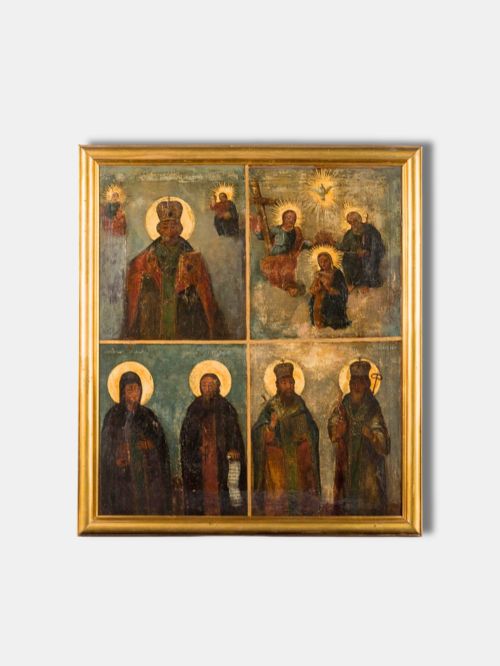
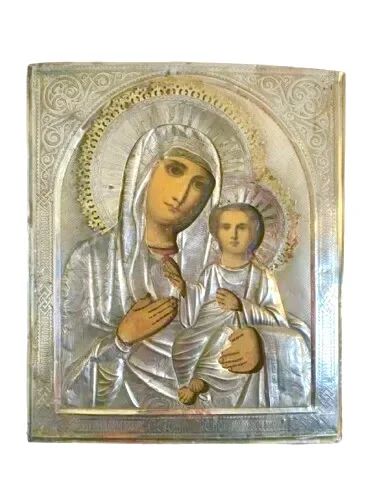
When you search for antique russian art, you encounter a diverse range of objects spanning multiple centuries, from devotional items to secular decorative pieces. Religious icons form a significant portion of what is available, often painted with tempera and gold leaf on wooden panels.
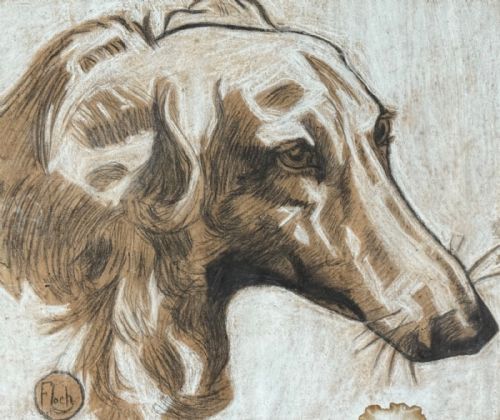
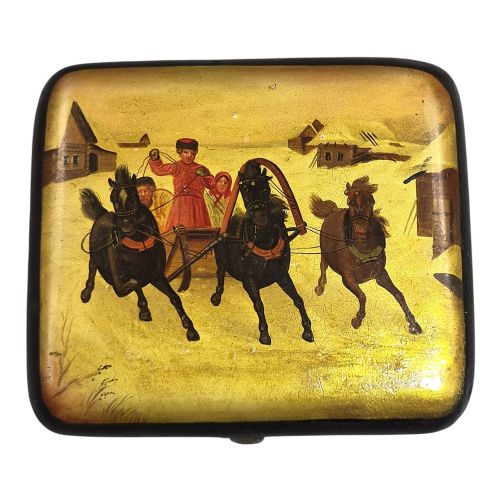
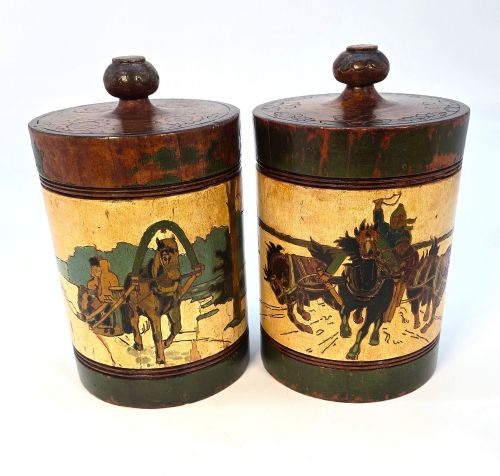
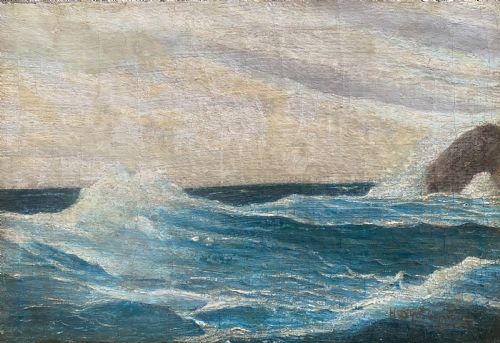
Beyond icons, the selection includes works on paper, oil paintings, and small sculptures in bronze, brass, and ivory. You will also find functional items such as lacquered cigarette cases and carved wooden tobacco containers.
The periods represented stretch from the eighteenth century through the early decades of the twentieth century, taking in Imperial Russian pieces, Orthodox works, and later modernist or Art Deco expressions.
Materials and construction
Wood and canvas serve as the primary supports for painted works and icons, prepared with traditional binding mediums like tempera and egg tempera, frequently enhanced by gold leaf and silver oklads. These materials reflect workshop traditions that persisted across generations of makers.
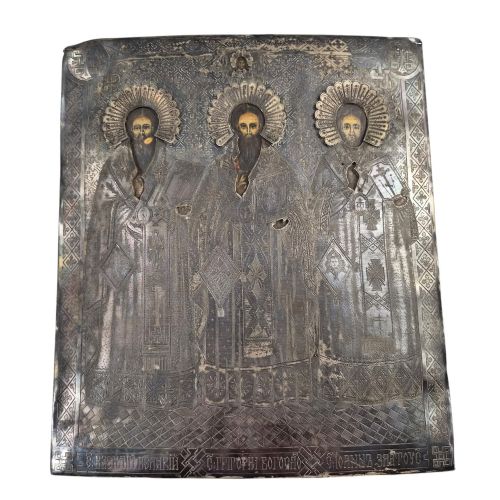
Metalwork relies on bronze, brass, cast iron, and silver, utilised for cast sculptures, chased rizas, and functional metal objects. Sculptors and foundries employed techniques such as cold-painting and chryselephantine construction, combining bronze and ivory for decorative figures.
Organic materials like paper, gouache, and papier-mâché appear in drawings, lacquered cases, and tobacco containers, often finished with detailed painted decoration and protective lacquer layers.
Antique Russian Art Retail Price Guide 2026
Typical asking prices for russian art among the pieces listed under this phrase on Sellingantiques today, from the lower quarter to the upper quarter. They describe what is for sale here now, not the wider market.
Listings feature periods spanning the eighteenth century to the 1930s, utilising materials including tempera, bronze, canvas, and gold leaf.
Assessing quality in the collection
The standard of execution in painted icons and canvases is visible in the precision of the brushwork, the preservation of the original tempera or oil, and the integrity of the underlying wood panel or canvas. Finer examples display meticulous detail in facial expressions and drapery, alongside intact gold leaf and silver components.
In sculptural pieces, quality is determined by the crispness of the casting, the delicacy of chased details on metals, and the harmonious integration of mixed materials such as bronze and ivory. Cast iron and bronze objects reveal their merit in the definition of surface textures and patination.
Heinrich Grünbaum·Vishnyakov Workshop·Dubovsky·Fabergé·Kasli Foundry·Volga Masters·Bogorodskoe Carving·Jas Wyld·Paul Philippe
The Antique Russian Art Glossary
- Icon
- A religious work of art, typically depicting saints, Christ, or the Virgin Mary, painted on wood panels according to traditional Orthodox canons.
- Riza
- A metal cover or revetment, often in silver or brass, placed over an icon to protect the painted surface while leaving faces and hands visible.
- Oklad
- A term interchangeable with riza, denoting a protective metal covering mounted onto a painted icon.
- Tempera
- A permanent, fast-drying painting medium consisting of coloured pigments mixed with a water-soluble binder, commonly egg yolk in traditional works.
- Chryselephantine
- A term describing a statue made of cold-painted bronze combined with carved ivory sections, prevalent in decorative figures.
- Treen
- Small handmade wooden household objects and containers, often carved and painted.
Antique Russian Art: Frequently Asked Questions
What defines an Orthodox icon?
An Orthodox icon is a sacred image created to aid prayer and contemplation within the Russian Orthodox tradition. These panels follow strict iconographic rules regarding composition, colour, and symbolism.
They are traditionally painted with tempera on wood and often embellished with metal covers known as rizas or oklads that highlight specific areas of the design.
How do I display a painted icon?
Icons were originally designed for home shrines or church settings, positioned in a corner facing the entrance of a room. When living with them today, they require stable environmental conditions away from direct sunlight and excessive humidity.
Wall mounting or placement on a dedicated shelf allows the wooden panel and any metal embellishment to be viewed safely without altering the piece.
What is chryselephantine sculpture?
Chryselephantine sculpture combines bronze with carved ivory to create figures with contrasting textures and tones. This technique gained prominence during the Art Deco period for depicting dancers and animals.
Such pieces require careful handling to protect the delicate junction between the metal elements and the carved ivory components.
How are different periods distinguished?
Distinguishing periods relies on stylistic shifts visible across the items, moving from eighteenth-century religious painting through nineteenth-century folk art and Imperial silverwork to twentieth-century modernism and Art Deco.
Examining the materials, workshop marks, and overarching aesthetic movements helps place an object within its specific historical decade or century.