


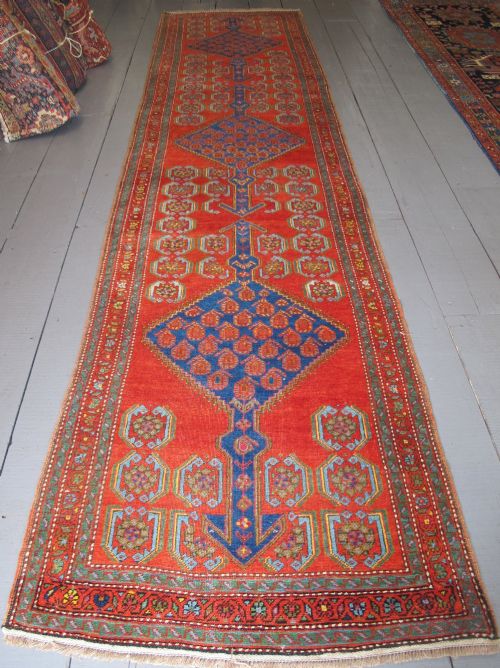


Antique Rug Circa 1890
When you search for an antique rug circa 1890, you enter a diverse world of hand-knotted tribal carpets and village textiles woven at the close of the nineteenth century.
Antique Rug Circa 1890
An antique rug circa 1890 encompasses regional flooring textiles, village runners, and nomadic trappings originating from Persia, the Caucasus, Central Asia, and Anatolia. These pieces reflect traditional weaving customs passed down through generations of tribal and village makers.
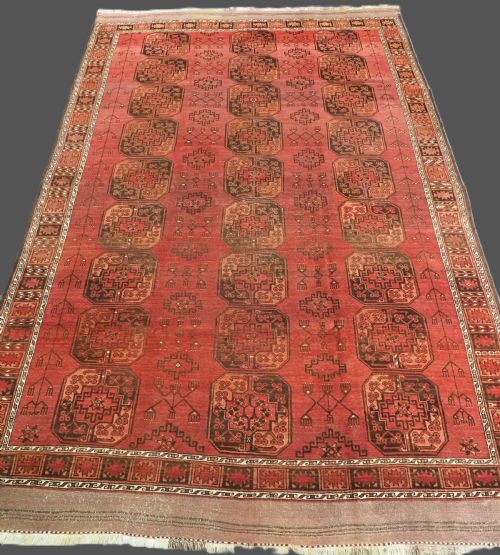
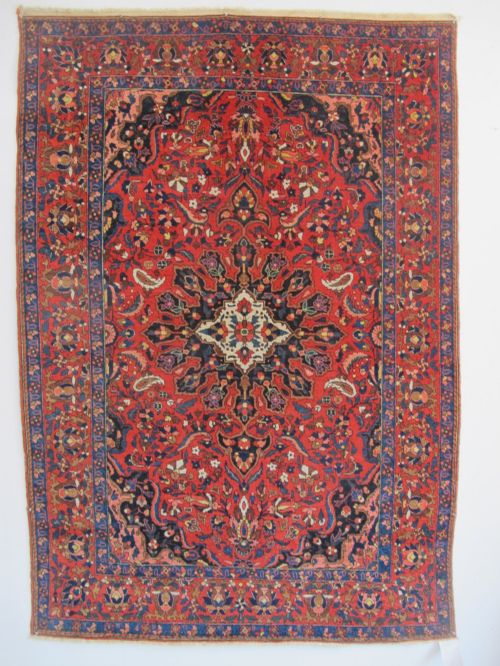
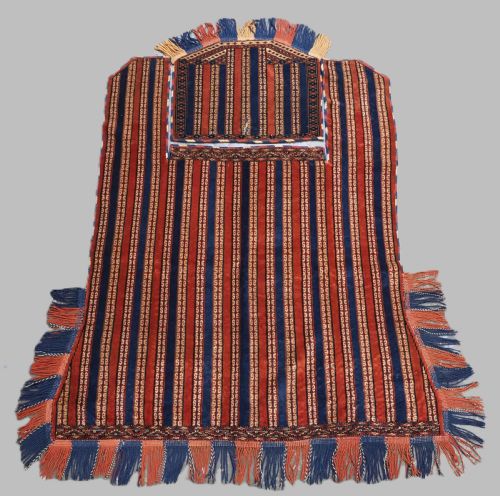
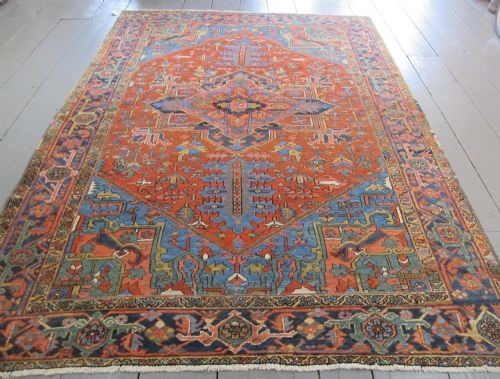
The selections span distinct geographical weaving centres, ranging from the geometric patterns of Caucasian and Turkmen tribes to the elaborate floral compositions of Persian workshops in Heriz, Sultanabad, and Fereghan. Many examples serve practical domestic roles, while others represent ceremonial items such as horse covers and storage bags.
Buyers encountering this group will find both expansive room-size carpets and smaller scatter rugs, alongside flatwoven kilims and embroidered textiles. Each piece carries the distinct structural signatures of its specific origin, preserved through decades of traditional use.
Materials and Construction Methods
The foundational structures and surface piles rely heavily on hand-spun wool and cotton, providing durable foundations for the dense knots. Natural dyes impart rich, variable tones across the wool, cotton, silk, and goat hair fibres utilised by the makers.
Nomadic and village weavers constructed these items on vertical or horizontal looms, occasionally incorporating metallic thread or specialised pile techniques. The integration of hand-spun wool with natural dyes ensures the characteristic depth of colour found across these late nineteenth-century textiles.
Antique Rug Circa 1890 Retail Price Guide 2026
Typical asking prices for rug circa 1890 among the pieces listed under this phrase on Sellingantiques today, from the lower quarter to the upper quarter. They describe what is for sale here now, not the wider market.
Recorded periods within the collection focus strictly on eighteen eighty, eighteen ninety, and nineteen hundred.
Distinctions in Quality and Execution
Quality within these nineteenth-century textiles rests upon the precision of the knotting, the integrity of the materials, and the stability of the natural dyes. Finer examples display a high density of hand-spun wool that enhances pattern definition and structural longevity.
The artistic execution of traditional motifs, the depth of colour variation within the pile, and the preservation of original borders distinguish exceptional weaving from standard production. Superior handling of regional designs demonstrates the advanced skill of the individual weaver or workshop.
The Antique Rug Circa 1890 Glossary
- Gul
- A repeating primary medallion or octagonal design motif frequently found in Turkmen and Central Asian tribal carpets. These motifs often identify the specific clan or nomadic group responsible for the weaving.
- Kilim
- A flatwoven textile produced without a pile by tightly interweaving warp and weft strands. These pieces function as rugs, wall hangings, or covers.
- Torba
- A small utility bag woven by Turkmen tribes for domestic storage inside a yurt. They display characteristic tribal iconography across the face.
- Mafrash
- A large, box-like storage bag produced by Shahsavan and South Caucasian weavers for transporting household belongings. The complete pieces include decorated side panels and ends.
Antique Rug Circa 1890: Frequently Asked Questions
How do I identify a tribal rug from eighteen ninety?
Tribal rugs from this period are identified by geometric motifs, camel-hair fields, and saturated colours derived from natural dye sources. The structural use of hand-spun wool and distinctive border arrangements often point toward nomadic origins in regions such as the Caucasus or Central Asia.
Examining the fringe construction and the regularity of the knotting helps separate authentic nomadic work from later village reproductions. Each tribal group utilised specific structural techniques that remain visible on the reverse of the textile.
Where were these carpets originally woven?
The production centres span Persia, the Caucasus, Turkey, and Central Asian regions, encompassing distinct stylistic zones. Village workshops in Heriz and Sultanabad produced large decorative carpets, while nomadic groups such as the Yomut and Ersari created smaller trappings and main carpets.
Geographical attribution relies on observing specific colour palettes, structural materials like cotton or goat hair, and traditional pattern repeats. These localized traits link individual weavings to specific historical communities.
How should I care for an antique wool carpet?
Regular gentle vacuuming without a beater bar prevents dust accumulation within the wool pile. Professional cleaning designed for antique textiles preserves the natural dyes and structural integrity of the fibres.
Keeping the textile away from direct, harsh sunlight prevents premature fading of natural dye colours. Utilising a proper rug underlay reduces friction between the floor and the antique foundation during daily use.
What is the difference between a carpet and a kilim?
Carpets possess a dense pile formed by individual knots tied to a foundational warp and weft structure. This pile gives them a plush, thick surface texture suitable for heavy floor traffic.
Kilims are flatwoven without any pile, created by interlocking coloured weft threads through the warp grid. This technique results in a thinner, lighter textile that functions well as a decorative floor covering or hanging.