


Antique Royal Painting
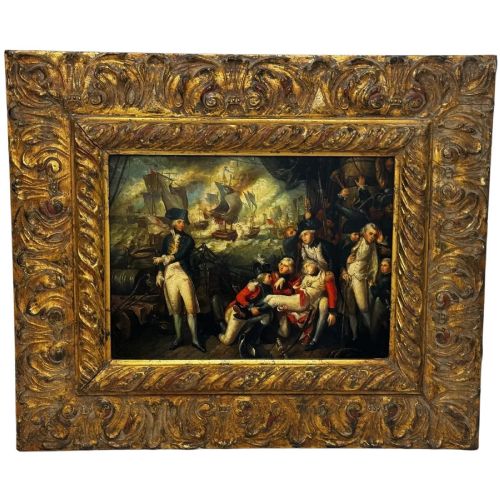
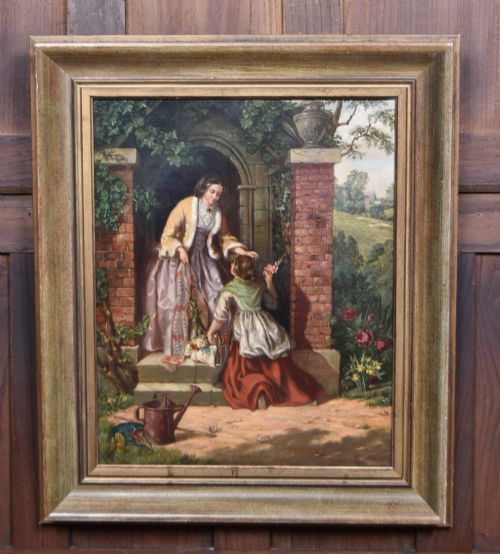
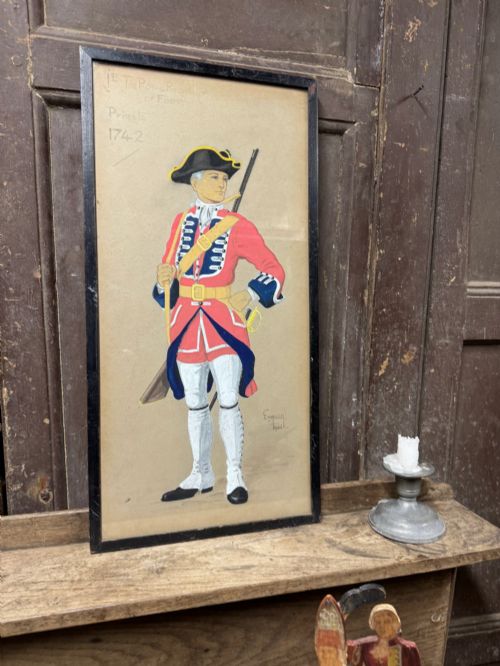
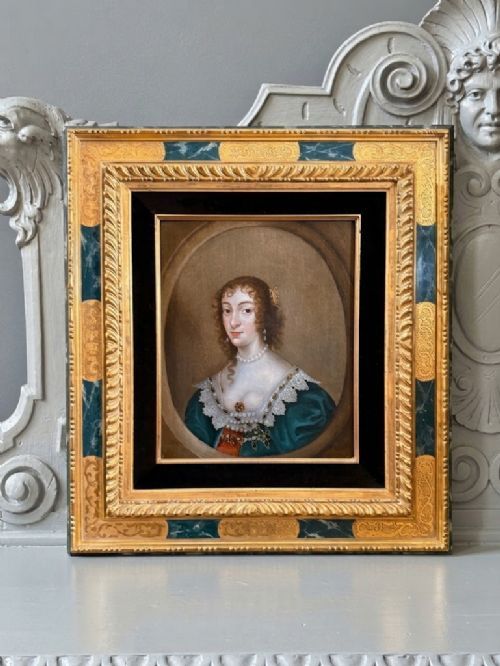
An antique royal painting brings centuries of courtly presence into a room, capturing monarchs, naval figures and aristocratic sitters in oils or pastels.
Antique Royal Painting
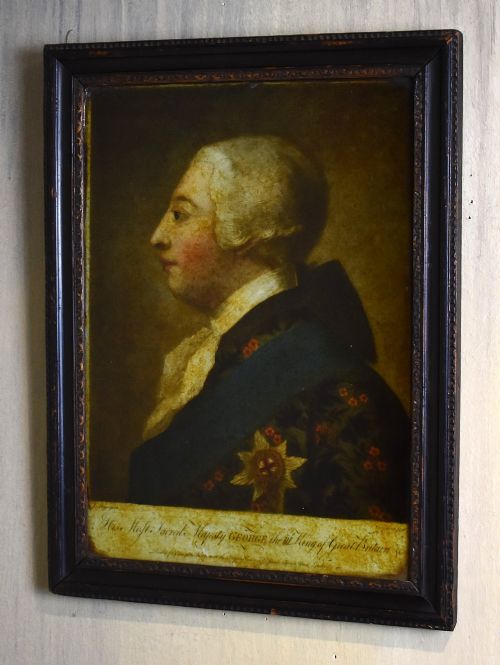
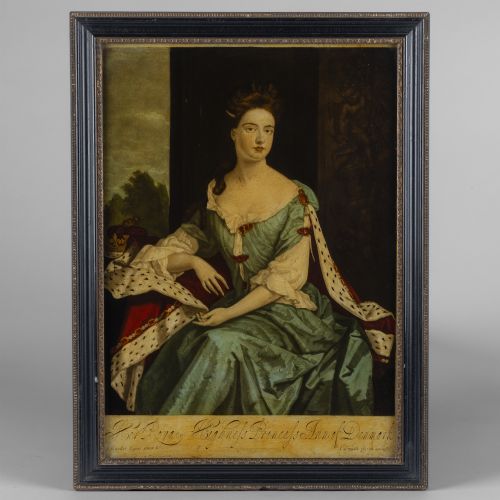
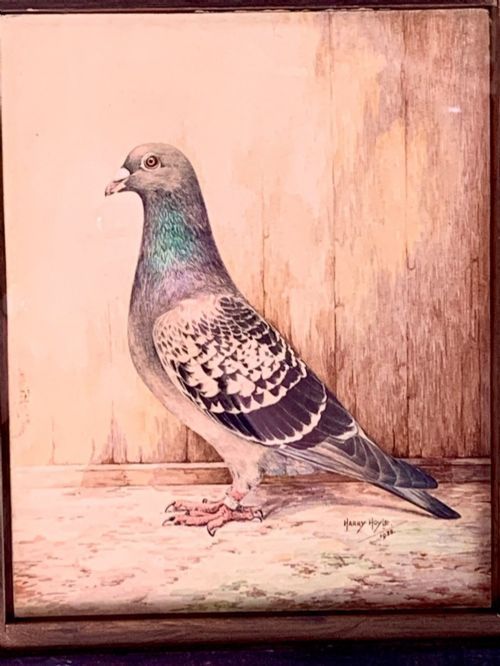
An antique royal painting depicts sovereigns, historical figures and members of the court, spanning centuries from seventeenth-century oil panels to twentieth-century pastels.
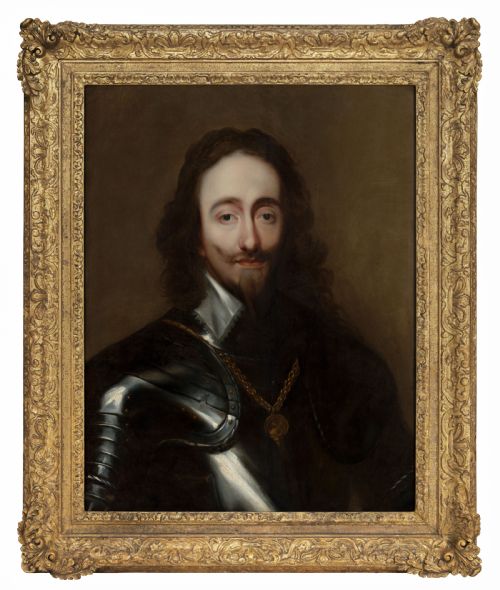
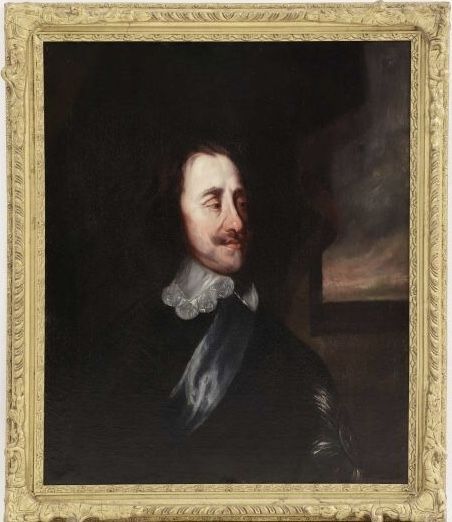
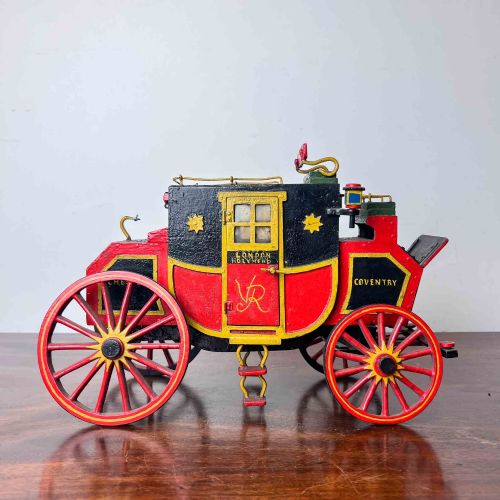
Collectors encounter portraits after Anthony van Dyck and Sir Peter Lely alongside commemorative works bearing royal ciphers and maritime subjects.
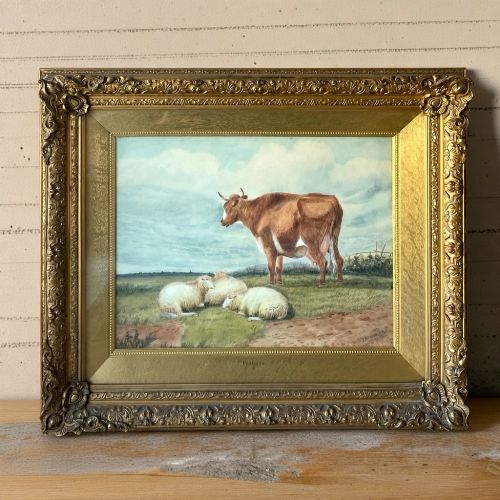
The selection ranges from grand oil portraits of figures like King Charles I and King William III to more intimate pastels and watercolours.
Materials and methods of creation
Artists painted on stretched canvas or wooden panels using rich oil pigments, often applying fine detail to elaborate garments and armour.
Draftsmen also utilised pastel and watercolour on paper to capture likenesses, sometimes framing the works under glass.
Makers integrated paper, wood, and gold leaf into the presentation and framing of these historical images.
Antique Royal Painting Retail Price Guide 2026
Typical asking prices for royal painting among the pieces listed under this phrase on Sellingantiques today, from the lower quarter to the upper quarter. They describe what is for sale here now, not the wider market.
The selection includes oil on canvas, pastel, and watercolour works spanning from the seventeenth century to the twentieth century.
Distinctions in execution and preservation
The finesse of the brushwork and the accuracy of the sitter's likeness define the upper tier of portraiture.
Surface preservation matters greatly, distinguishing works that retain their original pigment layers from those with extensive modern overpainting.
John Russell R.A.·Sir David Murray·Studio M. Canals·Samuel Harry Hancock·Frank Watson Wood·James Stinton
The Antique Royal Painting Glossary
- Oil on canvas
- Pigments bound in a drying oil applied to a woven fabric support. This technique allows for rich depth of colour and subtle blending.
- Oil on panel
- Pigments applied to a prepared wooden board rather than canvas. This solid support often denotes an earlier date of creation.
- Pastel
- A medium consisting of powdered pigment combined with a binder and shaped into sticks. It creates a velvety surface with soft tonal transitions.
- Panel
- A flat piece of wood used as a structural base for painting. Panels provide a rigid surface that withstands the passage of centuries.
- Gouache
- An opaque water-based paint containing pigment and a binding agent. It dries to a matte finish with dense colour saturation.
Antique Royal Painting: Frequently Asked Questions
How do I date an antique portrait?
Dating relies on the sitter's costume, the hairstyle, and the framing style typical of specific reigns. Archival records or signatures on the canvas further clarify the period.
Examinations of the reverse of the canvas or panel often reveal old labels, stamps, or stamps left by historical framers and restorers.
Who are the common subjects?
Subjects frequently include reigning monarchs, military commanders, and prominent historical figures connected to the royal court. Many works are later interpretations after master painters like Van Dyck.
These depictions served to project authority, commemorate allegiance, or mark significant national events.
How should I hang an oil painting?
Oil paintings require stable interior environments away from direct sunlight and sudden temperature shifts. Proper wall fixings matched to the weight of the frame ensure secure display.
Keeping the piece away from damp walls protects both the canvas support and the wooden frame from warping.
What is the difference between an original and an after-work?
An original painting is executed by the primary artist from life or direct composition. An after-work is a later painting copied from a well-known portrait by another hand.
Both categories hold historical value, though contemporary or period copies often reflect the enduring popularity of the original sitter.