

Antique Round Glass
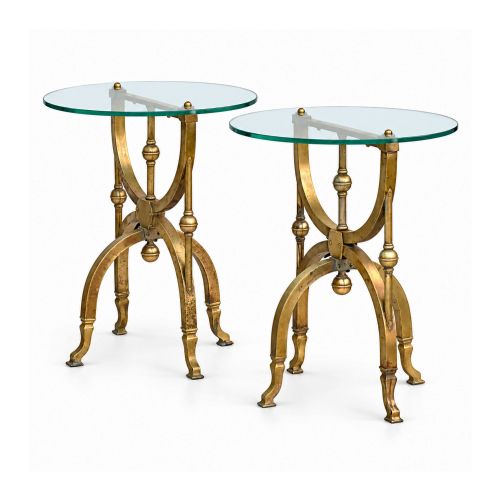
These antique round glass items bring historic form and texture to a room, ranging from convex wall mirrors to Georgian drinking vessels.
Antique Round Glass
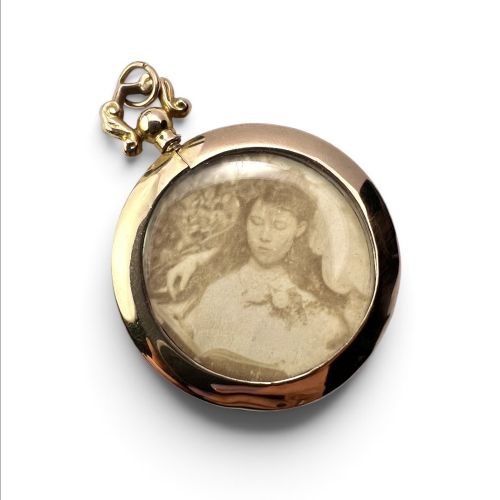
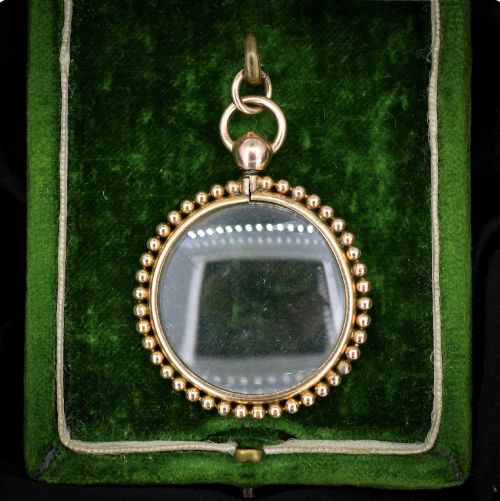
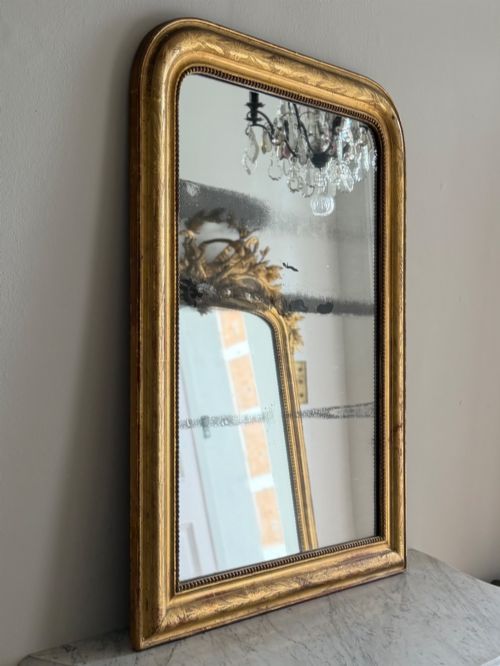
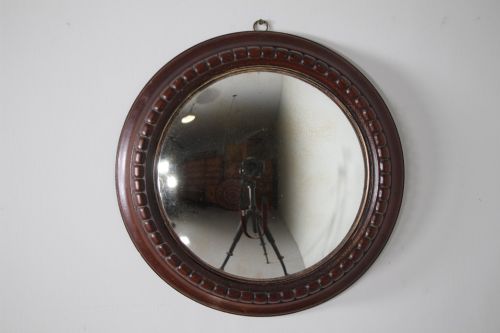
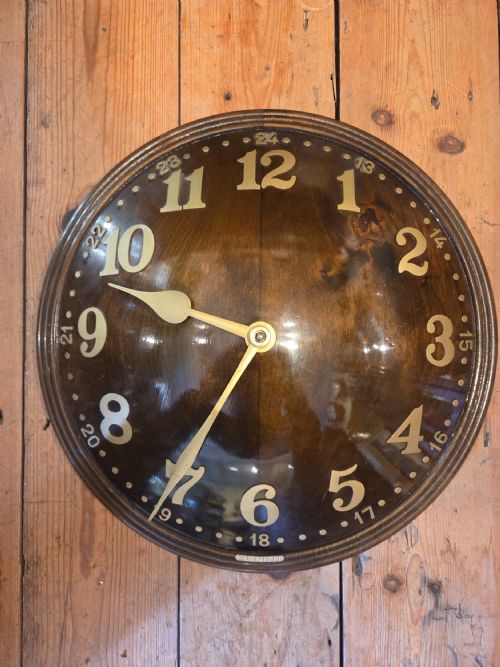
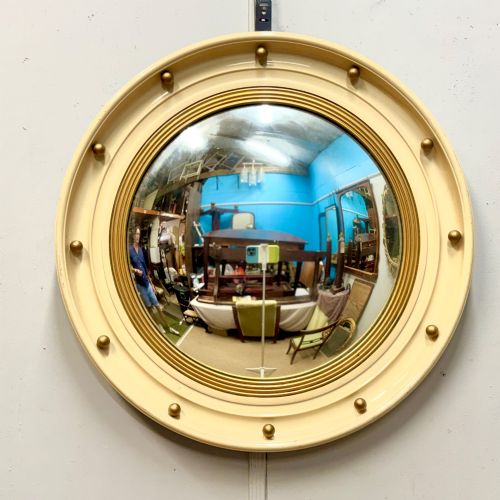
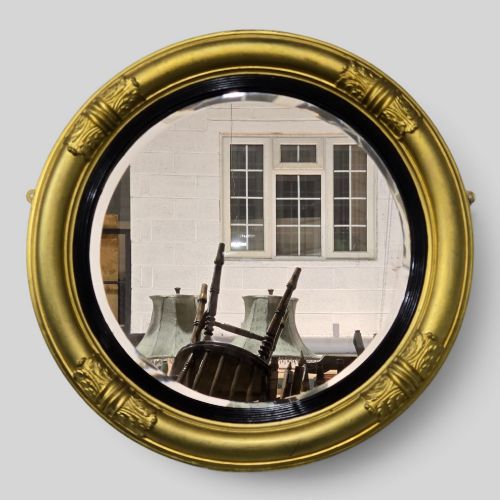
When you search for antique round glass, you encounter a varied collection of circular forms spanning the eighteenth, nineteenth, and twentieth centuries. The selection includes Regency and Victorian convex wall mirrors, Edwardian hall lanterns, and Georgian wine glasses featuring rounded funnel bowls.
Beyond mirrors and glassware, the inventory incorporates circular display cabinets in walnut from the Art Deco period alongside brass and copper lighting. These pieces reflect the functional and decorative uses of curved glass across different eras of British, French, and English craftsmanship.
How they were made
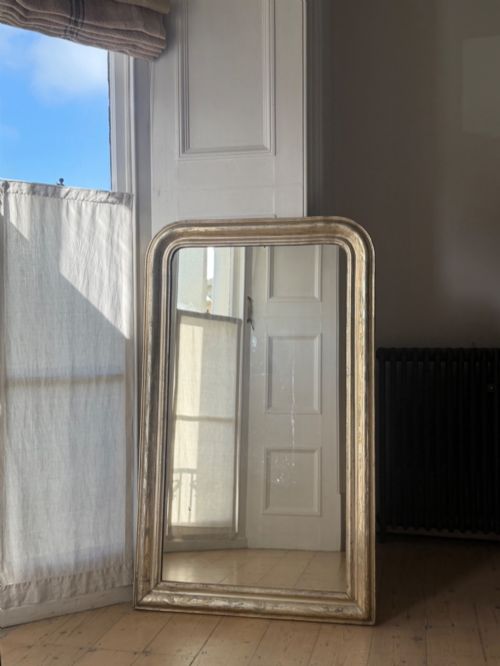
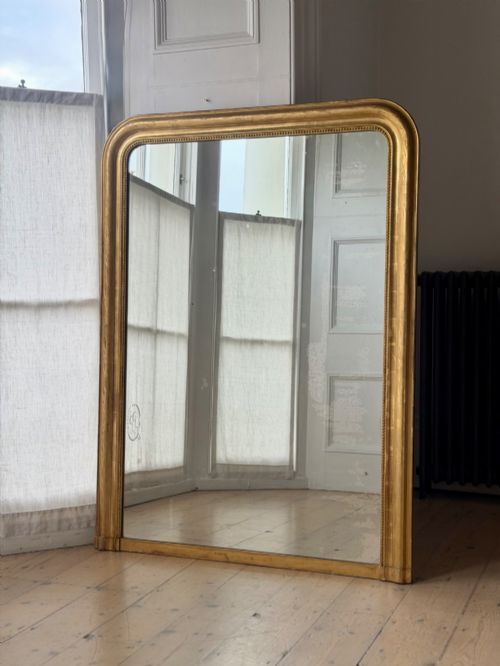
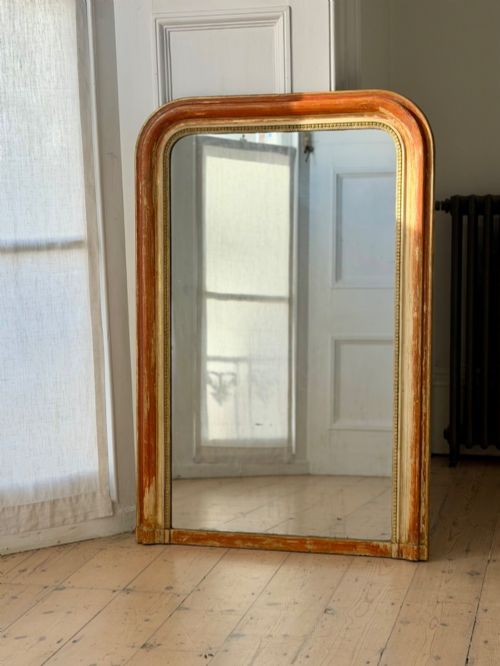
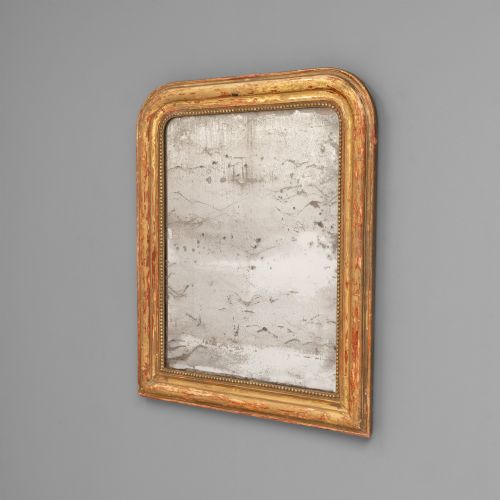
Makers shaped these objects using traditional materials such as glass, brass, gesso, and various woods including mahogany, walnut, and ebonised timber. Mirrors frequently utilise mercury glass plates, sometimes exhibiting natural foxing over time.
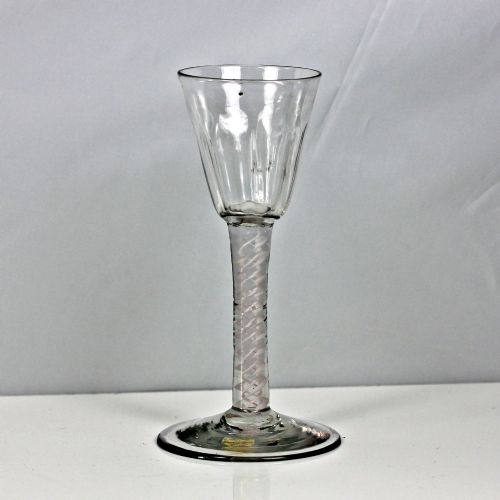
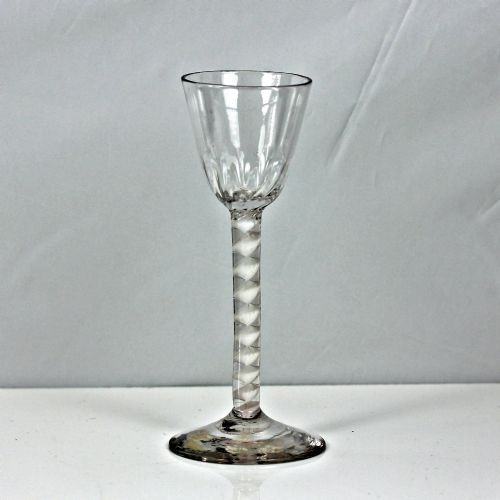
Drinking vessels from the eighteenth century demonstrate specialised glassblowing techniques, creating opaque twists and air twists within the stem. Frames and surrounds combine carved wood, giltwork, and metal fittings to support the circular glass components.
Antique Round Glass Retail Price Guide 2026
Typical asking prices for round glass among the pieces listed under this phrase on Sellingantiques today, from the lower quarter to the upper quarter. They describe what is for sale here now, not the wider market.
Listings span from the 18th Century through to the Art Deco period of 1930, uniting glass with mahogany, walnut, brass, and giltwood.
What varies in quality
Quality rests upon the clarity and preservation of the glass plate, especially in mirrors featuring original mercury backing or hand-blown bowl formations. Frames display distinction through the crispness of carved gesso details or the figured grain of walnut and mahogany timbers.
The integrity of construction separates standard items from finer examples, visible in the joinery of circular cabinets and the precision of engraved glass decoration. Original finishes and untouched surfaces hold greater merit than later alterations.
Zenith
The Antique Round Glass Glossary
- Convex glass
- Curved outward to provide a wide-angle reflection, commonly found in Regency and Victorian wall mirrors.
- Mercury glass
- A double-walled glass blown with a silvering mixture inserted between the layers, creating a reflective coating prone to spotting.
- Foxed mirror plate
- Glass showing dark spots and age-related oxidation within the reflective backing.
- Air twist
- A decorative spiral stem in drinking glasses formed by elongating air bubbles trapped inside the molten metal.
- Vitrine
- A glass-sided cabinet or display table designed for showcasing objects.
- Gesso
- A plaster-like mixture applied to wood frames as a base for subsequent gilding.
Antique Round Glass: Frequently Asked Questions
How do I clean an antique mirror?
Use a soft, dry cloth to remove dust from the glass and frame without applying liquid cleaners that might seep behind the plate.
Avoid commercial chemical sprays, as older mercury glass and silvered surfaces react poorly to harsh solutions.
What is a witch mirror?
A convex round mirror historically placed in rooms to monitor gatherings and provide a wide field of view.
These pieces often feature ornate gilt frames and circular glass plates that distort reflections slightly toward the edges.
How do I date an antique glass cabinet?
Examine the wood veneers, such as figured walnut in Art Deco pieces, alongside the construction methods and leaded glass patterns.
Hardware styles and the type of wood used for internal framing also help determine the specific decade of manufacture.
Are eighteenth-century wine glasses safe to use?
While hand-blown vessels from the 18th century remain structurally sound, collectors generally display them rather than use them for dining.
Handwashing in lukewarm water without soaking is essential if handled.