

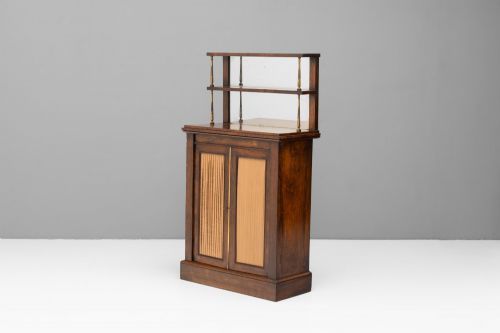
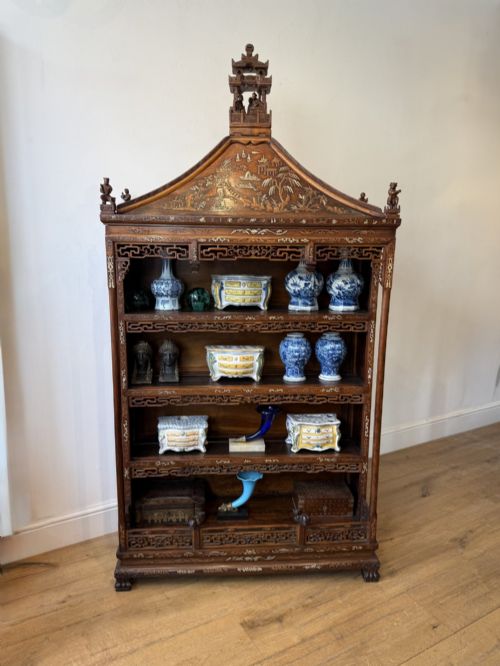
Antique Rosewood Shelving
Antique rosewood shelving brings rich grain and practical tiered display to a room, offering sturdy structure built for serious collections.
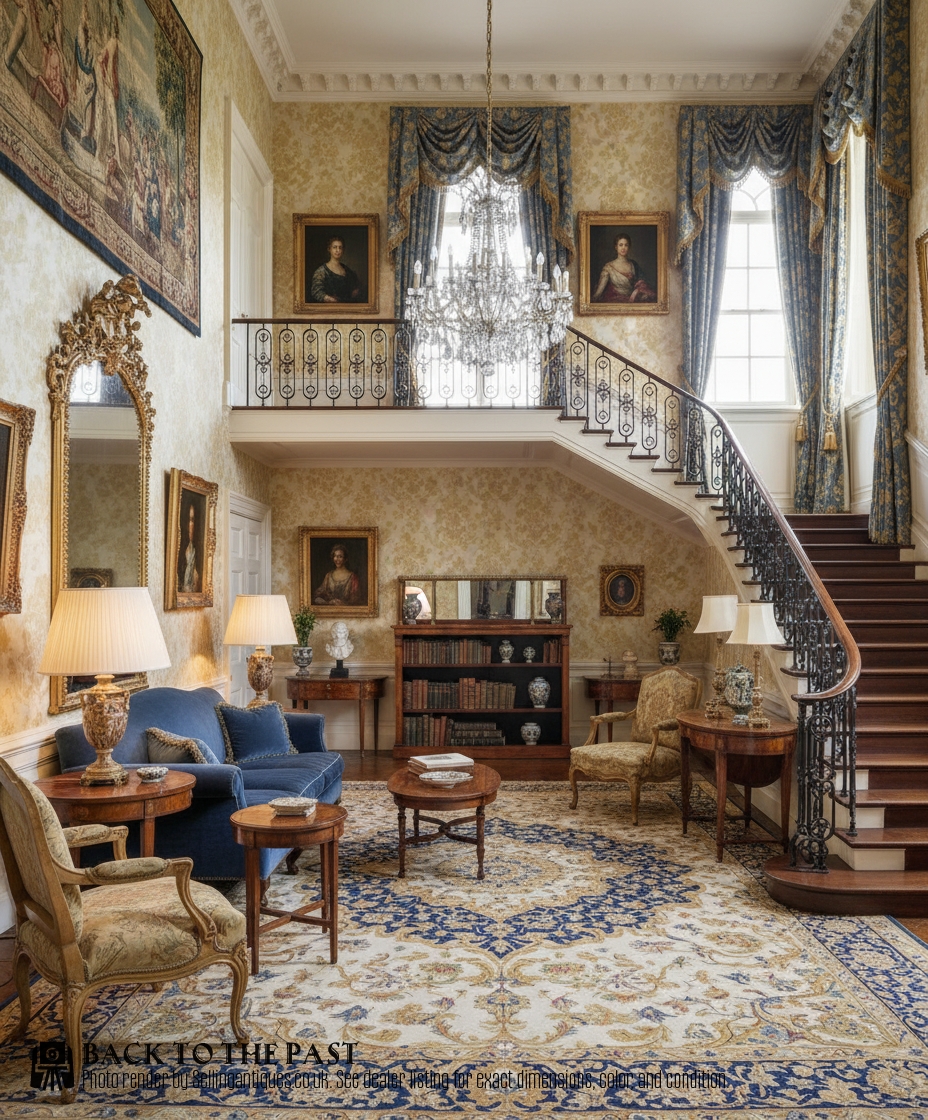
What antique rosewood shelving is
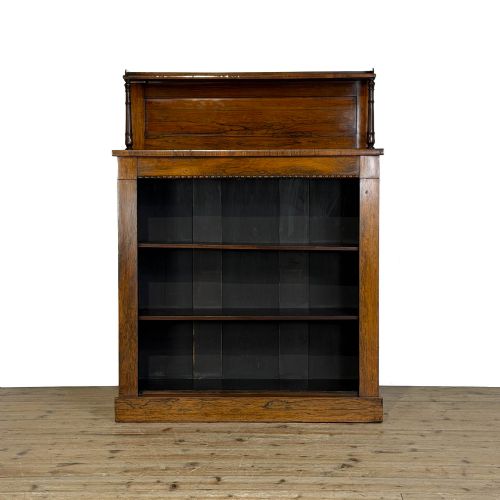
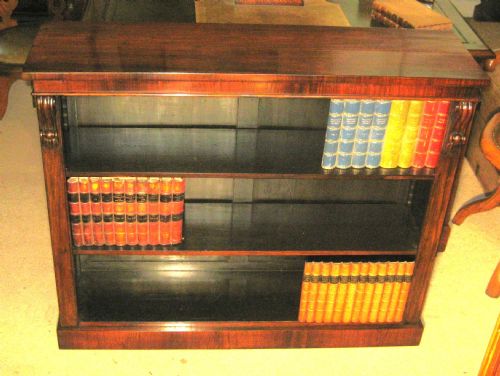
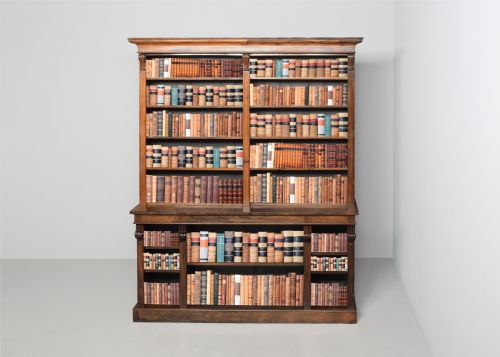
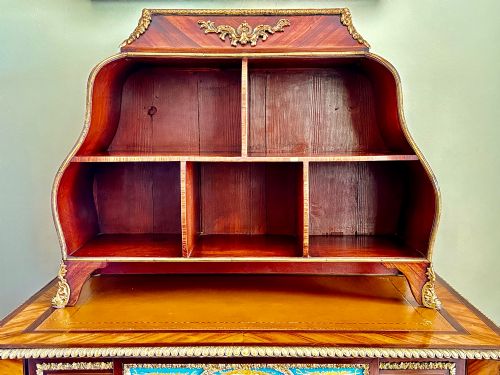
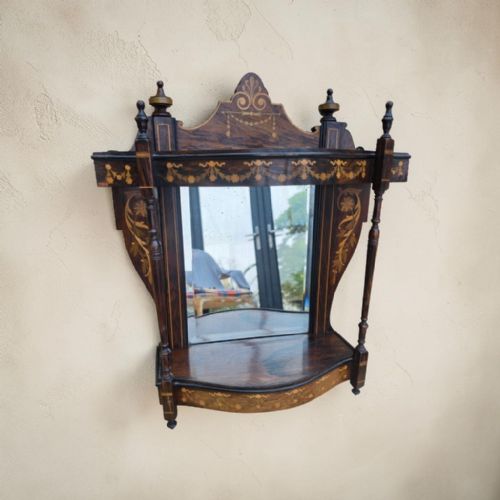
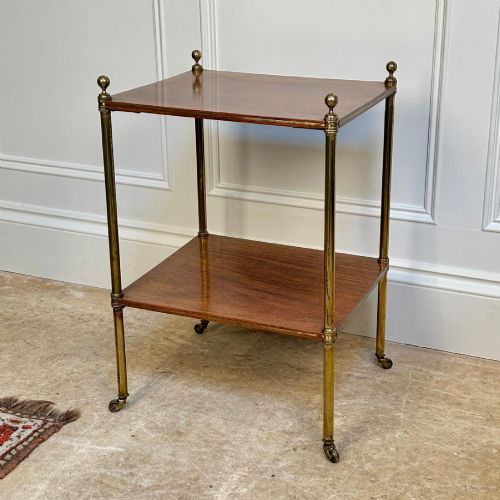
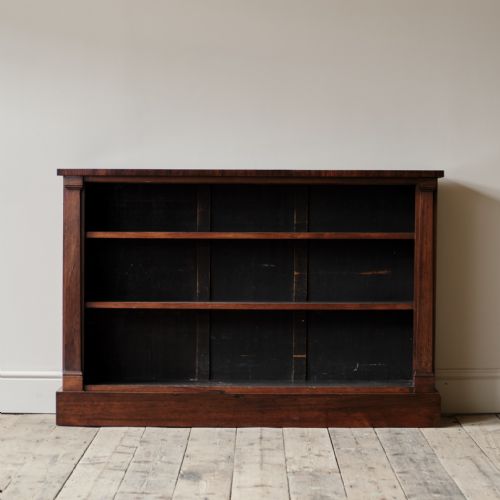
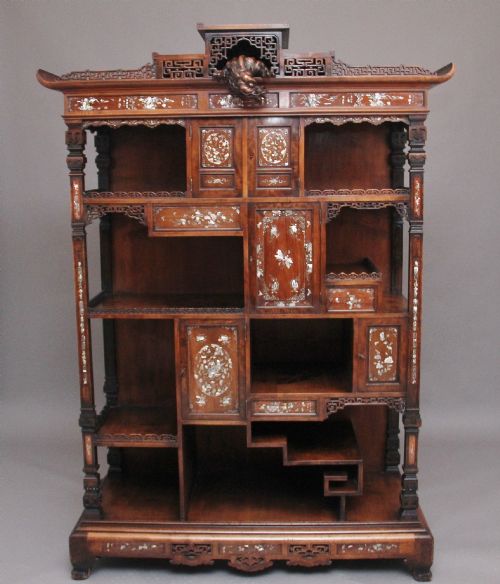
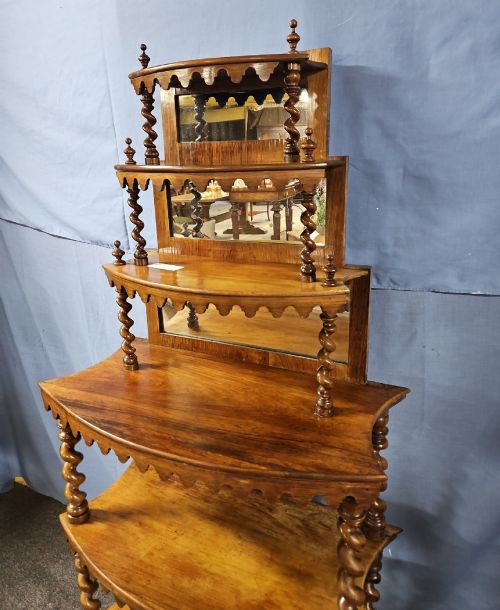
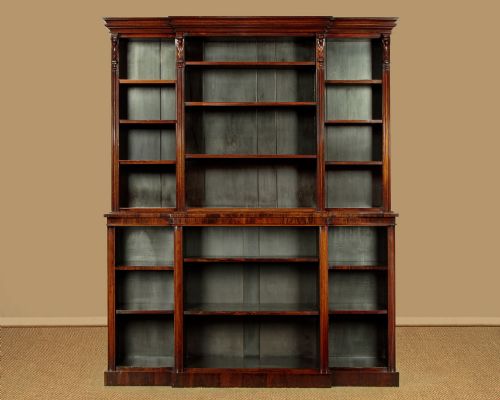
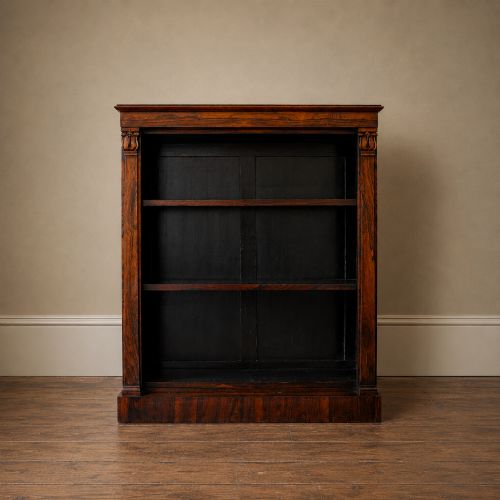
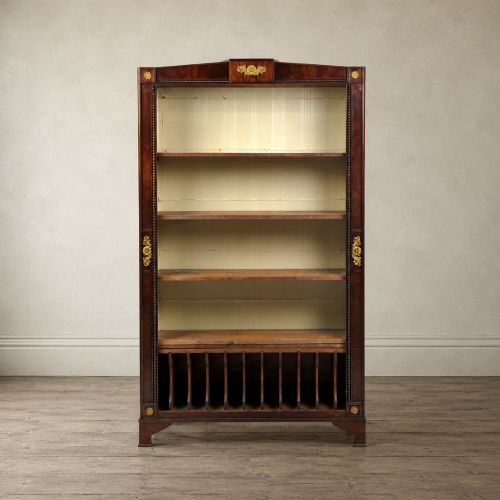
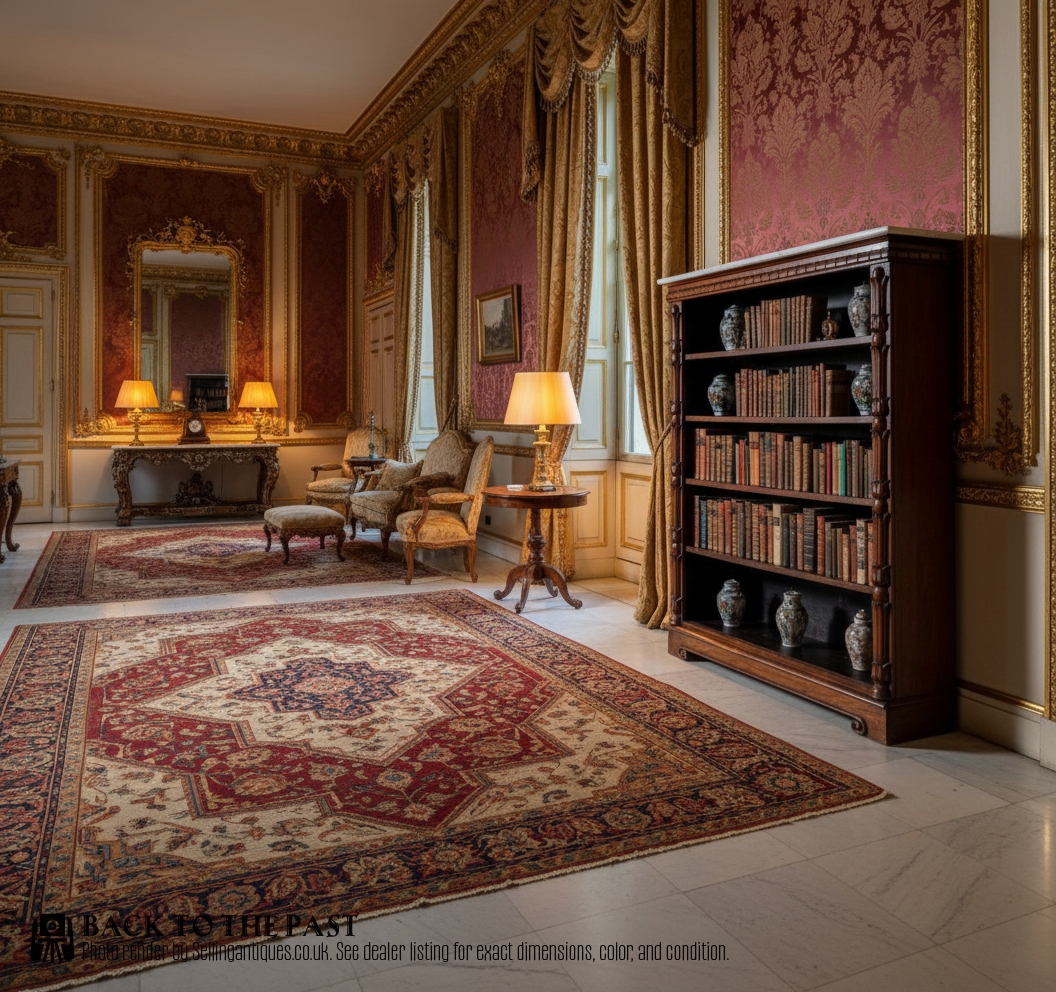
When you search for antique rosewood shelving, you are looking at nineteenth-century furniture designed for books and display, taking the form of bookcases, open bookcases, etageres, and whatnots. These pieces bridge the gap between heavy storage and decorative furniture, providing multiple tiers for holding volumes or ornaments.
On this page, you are most likely to meet pieces from the Victorian, Regency, George IV, and William IV periods, dating across the nineteenth century around eighteen-fifty and eighteen-sixty. The forms range from four-tier whatnots and dumb waiters to breakfront low bookcases and adjustable units.
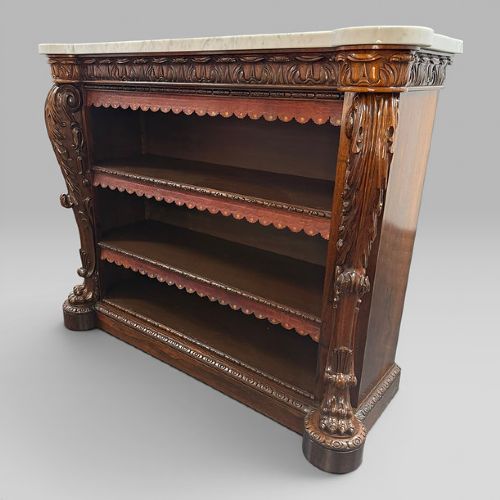
The variety spans small etageres, tall bookcases with carved corbels, and low cabinets with marble tops. Each piece relies on the dark, figured timber to create a strong visual impact in a library, study, or drawing room.
How they were made
Cabinet makers constructed these pieces using solid rosewood and softwood carcasses finished with rosewood veneer. Secondary materials such as glass, brass, and patinated marble were incorporated into tops, mounts, and adjustable mechanisms.
Joinery techniques supported heavy loads, utilising carved corbels to anchor uprights and creating adjustable shelves to accommodate varying book heights. Surfaces were polished to highlight the natural dark grain and depth of the rosewood timber.
Retail Price Guide 2026
Typical UK retail prices for rosewood shelving, calculated from the Sellingantiques database of over a million retail prices indexed since 2003. This retail price guide relies exclusively on Sellingantiques data; no external sources or auction records are used, so the figures do not describe the wider market.
A dumb waiter shelving unit gives your books a promotion from simple reading material to waiting staff.
What varies in quality
Quality separates the standard production piece from the exceptional example through the selection of timber and the precision of the carving. Finely figured rosewood veneer and crisply carved corbels distinguish the better specimens.
The integration of contrasting materials, such as patinated marble tops and brass fittings, marks the distinction between utilitarian shelving and finer decorative furniture designed for formal interiors.
The Antique Rosewood Shelving Glossary
- Rosewood
- A dense, dark timber prized for its heavy grain and rich colour, widely used in nineteenth-century cabinet making. It polishes to a high sheen that accentuates its natural figuring.
- Whatnot
- A piece of open shelving with multiple tiers, designed for displaying ornaments, books, or serving items. These versatile stands became popular during the nineteenth century.
- Etagere
- A piece of furniture consisting of a set of open shelves for displaying small objects. It shares similarities with the whatnot but often leans towards lighter, more decorative use.
- Corbel
- A structural piece of stone, wood, or metal projecting from a wall or upright to carry a weight. In these pieces, carved wooden corbels support upper shelves and provide decorative relief.
- Veneer
- A thin layer of superior wood glued to a base of lesser quality timber, such as softwood. This technique allowed makers to utilise rich rosewood surfaces while maintaining stable construction.
Frequently Asked Questions
What is an antique whatnot?
An antique whatnot is a multi-tiered piece of open shelving designed specifically for holding books, ornaments, or small decorative objects. These stands were popular in nineteenth-century interiors where extra display space was required.
They typically feature three, four, or more shelves supported by slender uprights or columns. Their open construction allows them to fit easily into corners or against walls without dominating a room.
How do I care for rosewood furniture?
Rosewood requires stable humidity and protection from direct sunlight to prevent the timber and veneer from drying out or fading. Regular dusting with a soft, dry cloth maintains the surface.
Avoid placing these pieces near active heat sources or damp areas. Occasional gentle cleaning with appropriate wax helps preserve the rich grain and polished finish.
Where were these pieces used?
Nineteenth-century shelving was placed in libraries, studies, drawing rooms, and formal parlours to organise personal libraries and display decorative arts. Bookcases held working volumes, while whatnots displayed ceramics and small sculptures.
Their varied sizes allowed them to suit both grand reception rooms and more intimate private spaces. Lower breakfront cabinets doubled as surface display areas.
How do I identify a Regency bookcase?
Regency bookcases date from the early nineteenth century and often display classical architectural proportions, clean lines, and restrained use of ornamentation. They frequently employ dark timbers like rosewood with minimal brass detailing.
Examining the construction methods, secondary woods, and hardware helps confirm the period. The presence of hand-cut joints and period-appropriate timber selection supports correct attribution.