
Antique Rosewood Pedestal
An antique rosewood pedestal brings rich timber grain and solid central support to a room, offering both practical surface area and architectural presence.
Antique Rosewood Pedestal
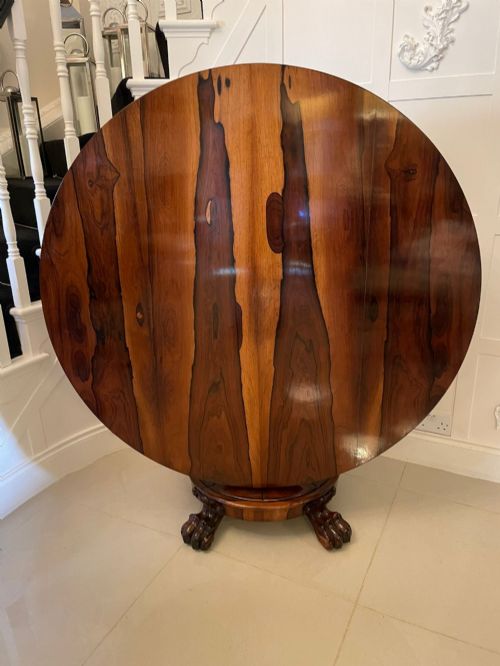
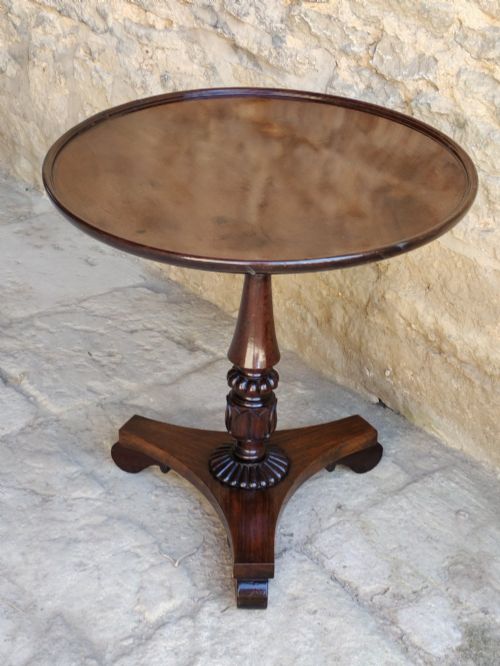
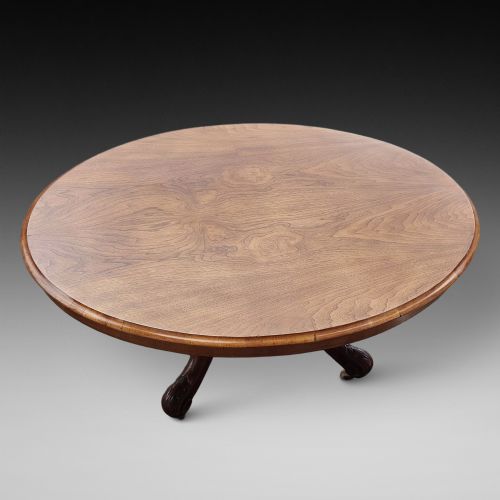
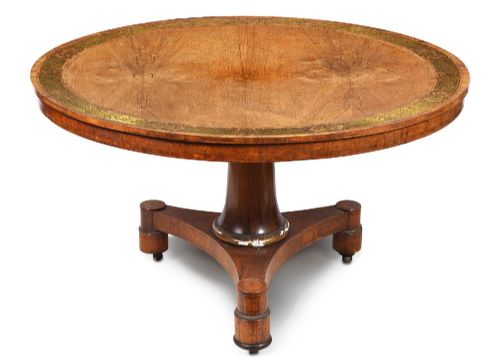
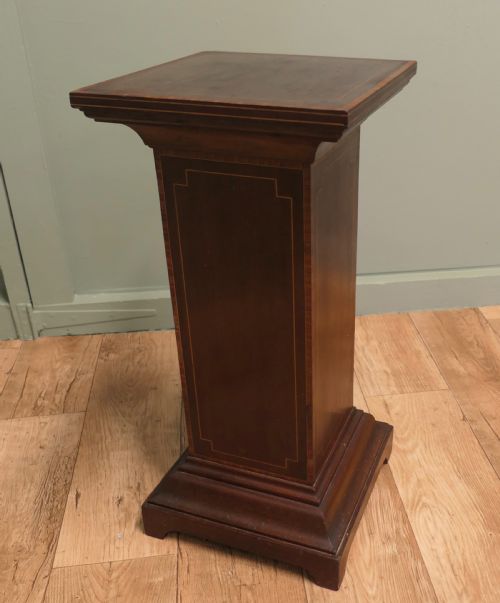
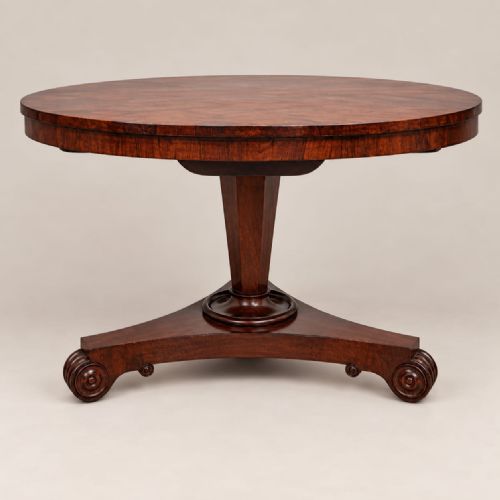
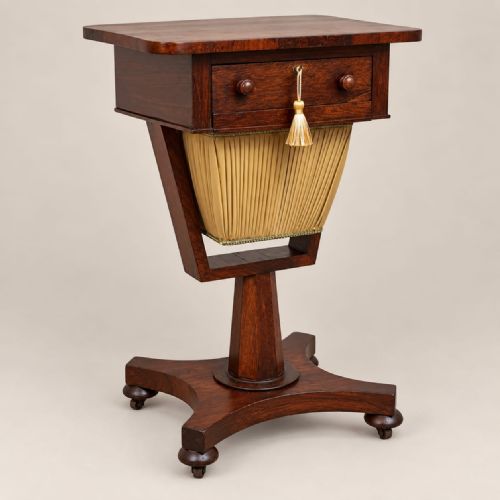
When you search for an antique rosewood pedestal, you encounter tables and stands supported by a central column rather than standard corner legs. These pieces range from compact occasional tables and chess boards to large dining tables and library desks.
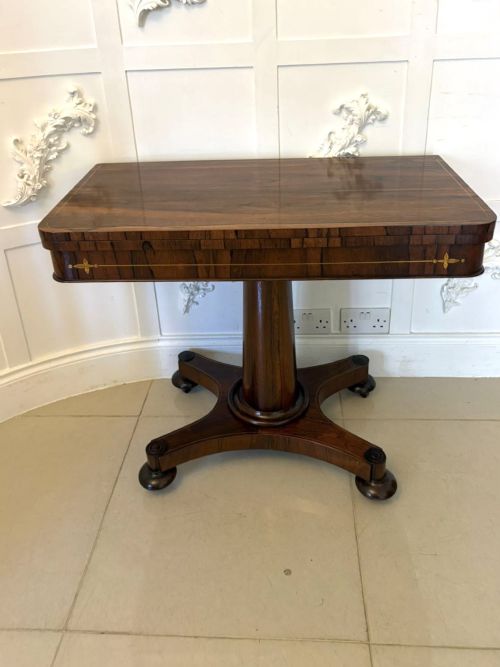
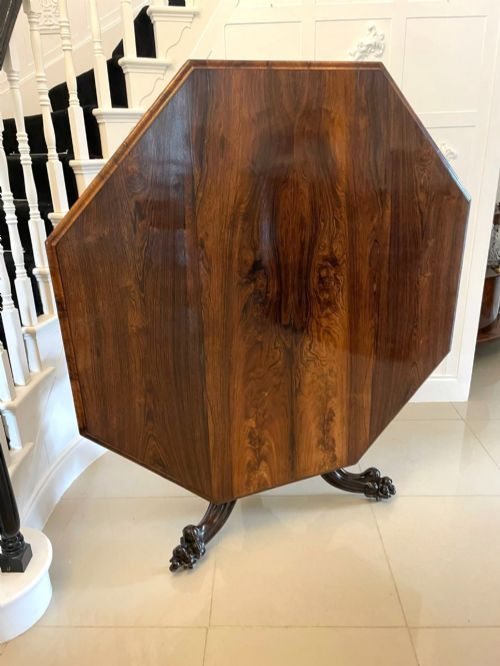
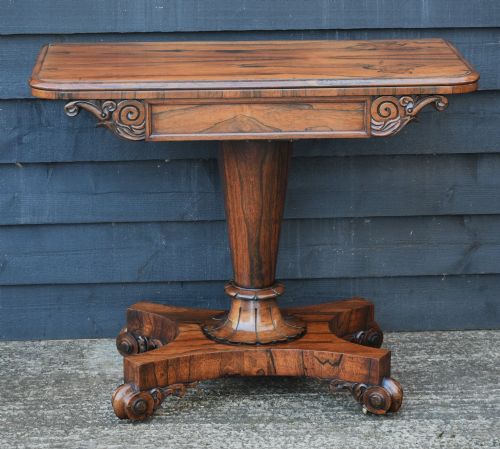
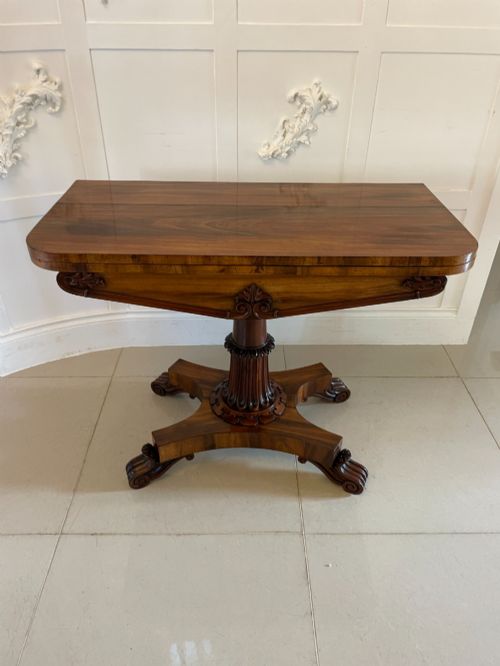
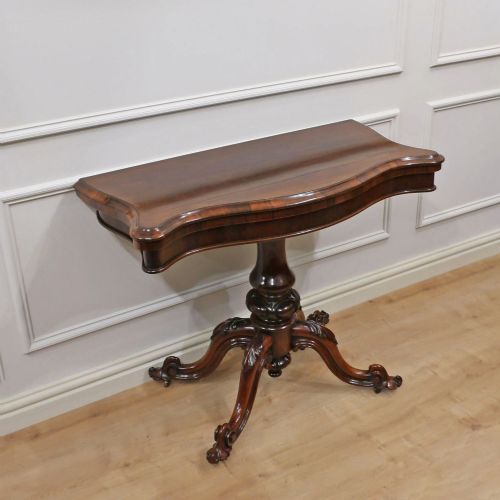
The selections span several eras, with nineteenth-century examples from the Regency, William IV, and Victorian periods appearing most frequently. Makers utilised the dense timber for circular breakfast tables, card tables, and writing desks resting on triform or platform bases.
How They Were Made
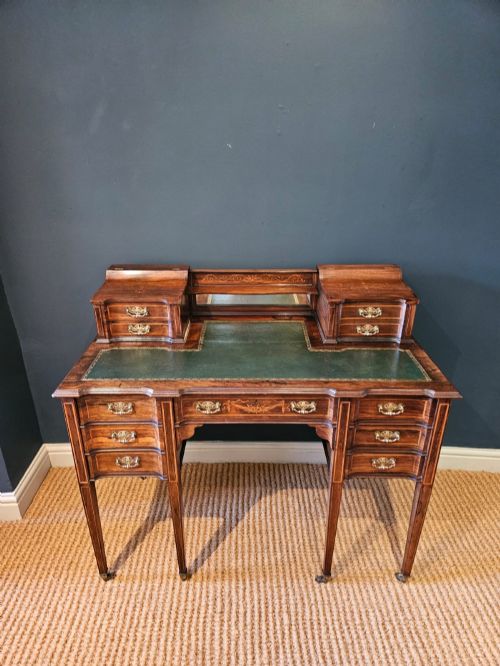
Cabinet makers constructed these pieces using dense rosewood timbers, often applied as veneers over secondary woods to display rich grain patterns. Workshops integrated brass inlay, satinwood stringing, and mother of pearl to ornament the surfaces of card tables and occasional stands.
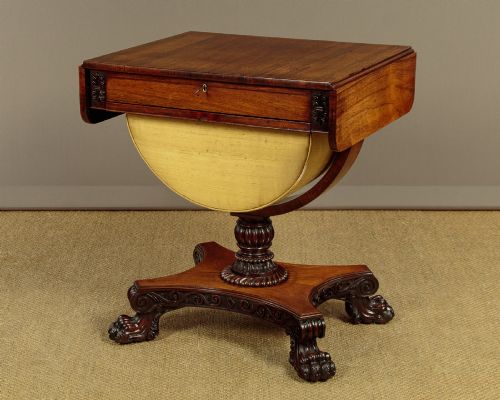
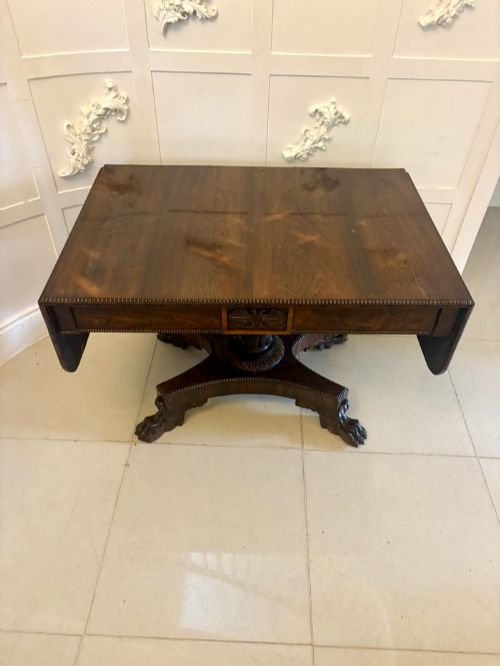
Central columns frequently incorporated turned elements, barley twists, or carved foliage rising from solid timber bases with paw feet. Marble inserts and leather writing surfaces also appear on specific library and occasional pieces.
Listings for antique rosewood pedestal items span the nineteenth century, including Regency, William IV, and Victorian periods.
What Varies in Quality
The calibre of an antique rosewood pedestal rests on the choice of timber figure and the precision of the cabinet work. Pieces featuring heavily figured veneers and intricate brass inlay or carved pedestals command greater regard than plain constructions.
Structural stability in the central column and base jointing distinguishes superior examples. Maker attribution to known workshops like Gillows or George Bullock elevates the standing of a piece within the market.
George Bullock·Gillows·Mein of Kelso
The Antique Rosewood Pedestal Glossary
- Pedestal
- A single central support or column holding up a table top, frequently resting on a triangular or platform base with feet.
- Rosewood
- A dense, heavily figured dark timber utilised by cabinet makers for high-status nineteenth-century furniture.
- Teapoy
- A small box or chest mounted on a central pillar, designed for holding tea caddies in the parlour.
- Triform
- A three-sided base supporting a central pedestal column, common in Regency and William IV furniture.
- Tilt-top
- A mechanism allowing the table top to pivot into a vertical position when not in use.
Antique Rosewood Pedestal: Frequently Asked Questions
What rooms suit an antique rosewood pedestal?
These tables adapt well to living rooms as centre or occasional pieces, and smaller versions function effectively beside armchairs or sofas.
Larger circular formats serve effectively in entrance halls or dining spaces where a central column allows unrestricted seating.
How do I care for rosewood furniture?
Keep rosewood pieces away from direct heat sources and strong sunlight to prevent the timber and veneers from drying out or fading.
Dust regularly with a dry cloth and apply occasional specialist wax polish to maintain the sheen of the grain.
How do I distinguish Regency from Victorian pedestals?
Regency pieces often display neoclassical restraint, crisp brass inlay, and simulated bronze detailing dating from the early nineteenth century.
Victorian examples tend towards heavier proportions, bolder carved ornamentation, and darker finishes reflecting mid-nineteenth century tastes.
What is a tilt-top table used for?
A tilt-top mechanism allowed historical households to pivot the table top vertically so the furniture could be stored against a wall when not in use.
Today, this feature survives as both a functional space-saver and a demonstration of nineteenth-century mechanical ingenuity.