


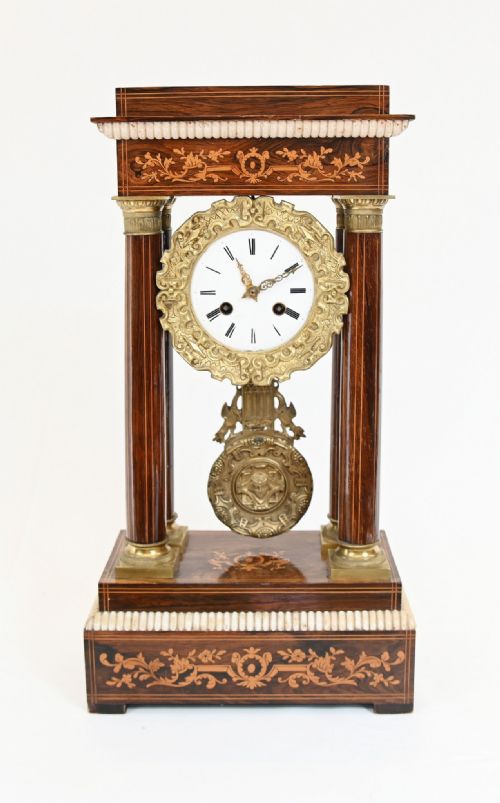


Antique Rosewood Column
An antique rosewood column brings architectural presence and rich grain to a room, appearing in forms from tall portico clocks to sculptural pedestals.
Antique Rosewood Column
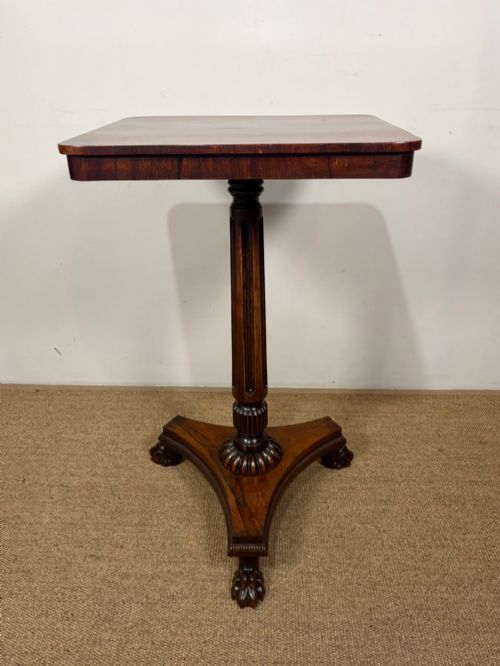
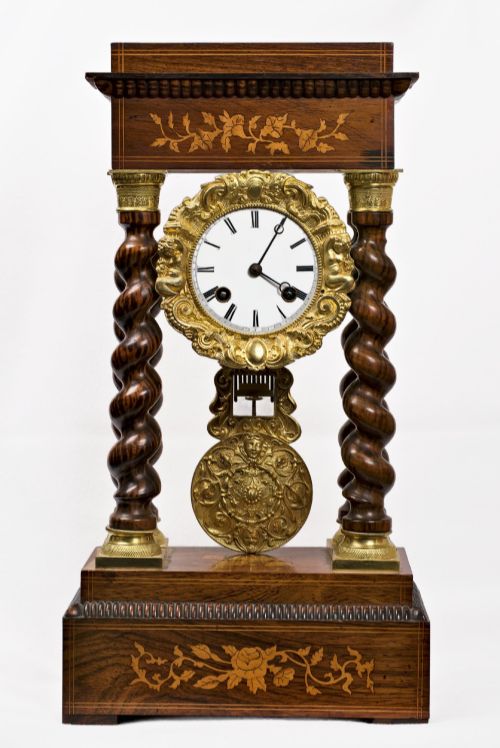
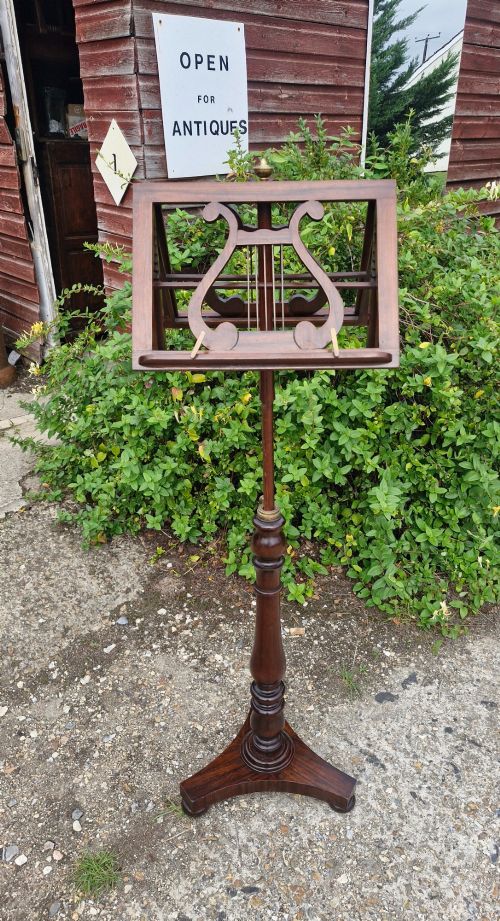
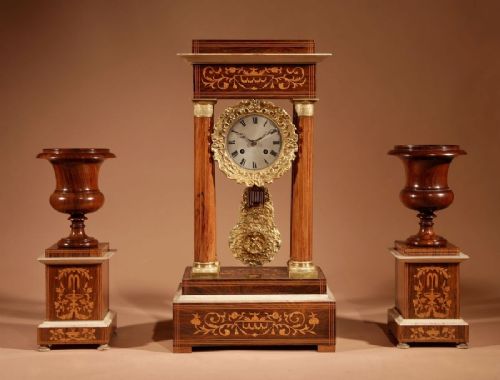
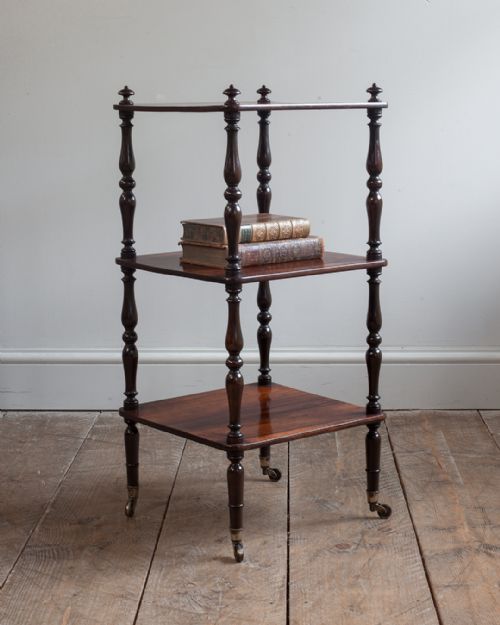
When you search for an antique rosewood column, you encounter vertical forms and architectural elements built from dark tropical timber during the Georgian, Regency, and Victorian periods. These pieces include French portico clocks flanked by upright pillars, tall multiple-tier what-nots, and specific sculpture display stands or pedestals designed to elevate objects.
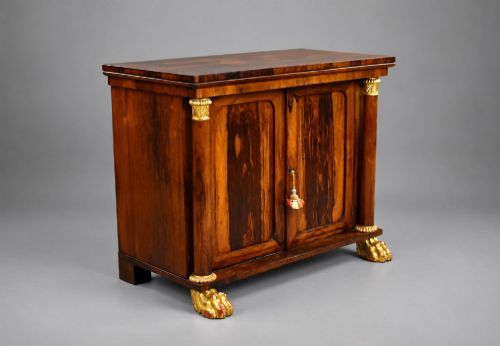
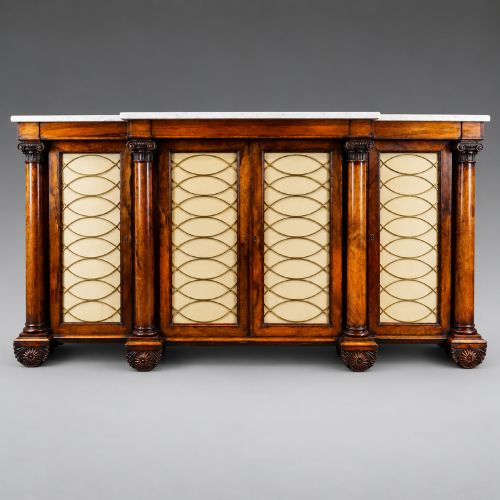
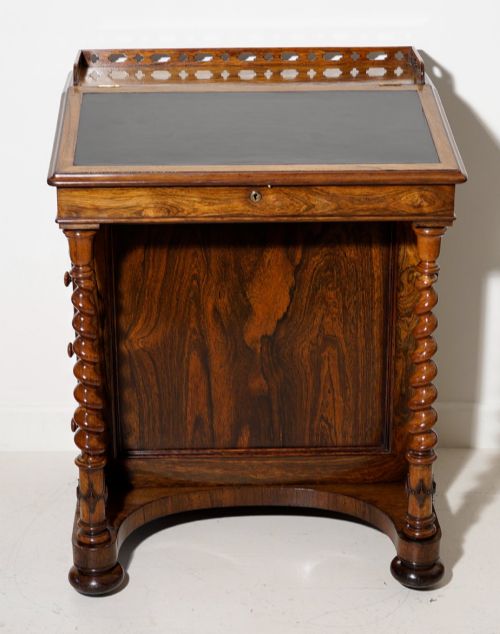
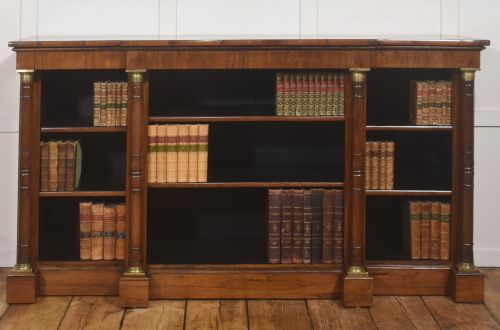
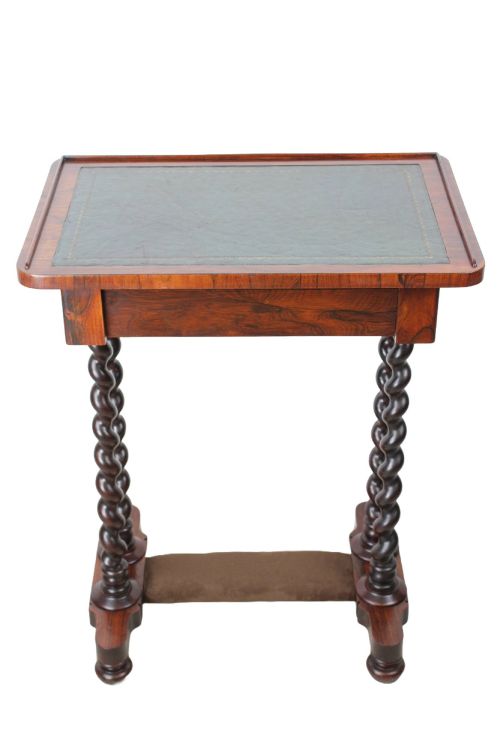
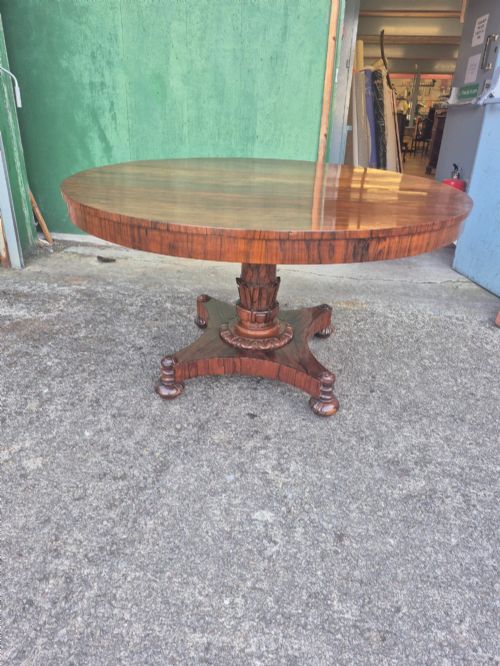
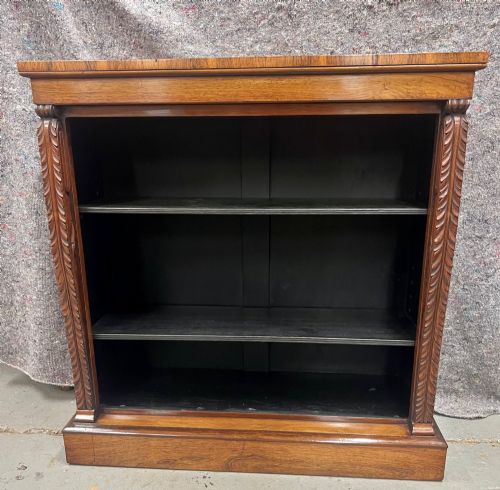
The selection on this page leans heavily toward Regency and Victorian examples, alongside French Louis Philippe and Charles X designs. You find functional items like open bookcases, chiffoniers, and card tables that incorporate columnar supports or pilasters into their structural framework.
Origin varies between British workshops and continental centres, notably France and Anglo-Indian makers producing solid rosewood stands. The overarching characteristic is the use of the dense, figured wood to give weight and dignity to domestic furniture and timepieces.
How they were made
Cabinet makers utilised dense rosewood timber, often applied as fine veneers over secondary woods like mahogany or pine to achieve striking grain patterns across flat surfaces and curved columns. Timber such as lemon wood, satinwood, and goncalo alves provided contrasting inlay and stringing.
Metal mounts in brass and ormolu reinforced structural corners and decorated clock porticos, while marble tops added weight and a cool surface to chiffoniers and tables. French polishing built up a deep, glossy finish that highlighted the natural dark red and brown hues of the rosewood.
Antique Rosewood Column Retail Price Guide 2026
Typical asking prices for rosewood column among the pieces listed under this phrase on Sellingantiques today, from the lower quarter to the upper quarter. They describe what is for sale here now, not the wider market.
One exceptional Regency bookcase cleverly incorporates leather dummy books to conceal storage space behind architectural columns.
What varies in quality
Quality rests upon the selection and matching of the rosewood veneer, where continuous grain patterns across a door or tabletop demonstrate superior craftsmanship. Pieces that integrate precise brass inlay, fire-gilt ormolu, or contrasting lemon wood stringing sit higher in the range than plain surfaces.
The architectural integrity of the columns and the crispness of the turning separate standard cabinet work from exhibition pieces. Original surfaces with undisturbed French polish hold more appeal than stripped and heavily refinished timber.
The Antique Rosewood Column Glossary
- Portico clock
- A monumental mantel clock featuring a dial suspended between two or more architectural columns. These French timepieces often incorporate glass panels and ormolu mounts.
- What-not
- A multi-shelved open stand used for displaying ornaments, books, or china. Examples range from three tiers to six tiers supported by slender upright columns.
- Chiffonier
- A low sideboard or cabinet featuring enclosed lower cupboards beneath a drawer, frequently topped by a raised shelf supported on columns or pillars.
- Ormolu
- Gilt bronze ornamentation cast and chased to mount upon furniture and clock cases. It provides bright golden contrast against dark rosewood.
- Goncalo alves
- A dense exotic hardwood with striking contrasting brown and pale streaks, occasionally utilised interchangeably with rosewood in Regency cabinet making.
Antique Rosewood Column: Frequently Asked Questions
What is a portico clock?
A portico clock is a mantel timepiece built in an architectural style with a central dial housing suspended between vertical columns. These French designs often feature wood veneers, brass inlays, and glass panels.
Originating in the early nineteenth century during the Charles X and Louis Philippe periods, they served as grand decorative objects for formal mantelpieces. The architectural form draws directly on classical building shapes.
How do I care for rosewood furniture?
Rosewood benefits from stable indoor humidity and protection from direct sunlight, which can bleach the deep natural tones of the timber. Regular dusting with a soft, dry cloth preserves the French polished surface.
Avoid applying silicone-based polishes or placing damp items directly onto the wood. Natural wax applied sparingly helps maintain the lustre of older finishes.
What distinguishes Regency rosewood?
Regency rosewood furniture displays restrained classical lines, often enhanced by brass stringing, parcel gilding, or finely turned column supports. The timber chosen for these pieces typically exhibits rich, dark figuring with high contrast.
Pieces from this era tend to be smaller and more architectural in proportion than later Victorian items. Designers drew inspiration from ancient Greek and Roman forms.
Where were pedestal stands used?
Pedestal stands and sculpture display columns were placed in drawing rooms and libraries to elevate busts, bronzes, or large urns. Their vertical form drew the eye upward and saved floor space.
Solid rosewood or veneered examples provided a sturdy base that matched other principal furniture in the room. They functioned as focal points for displaying prized decorative objects.