




Antique Rose Pottery
These antique rose pottery pieces bring vibrant botanical painting and soft floral glazes into a room, offering centuries of ceramic artistry.
Antique Rose Pottery
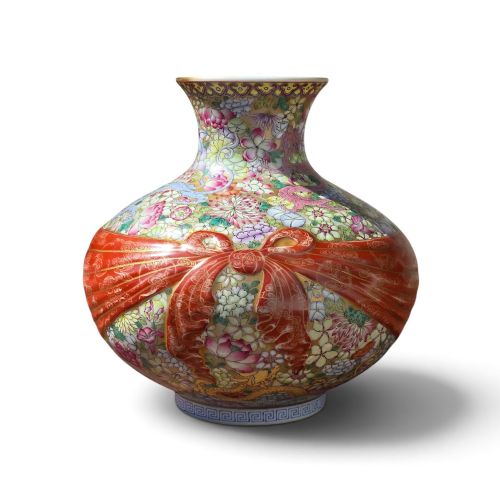
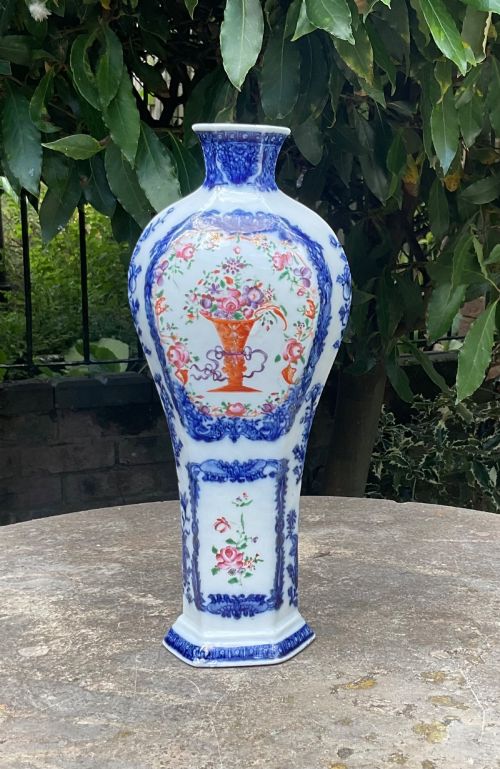
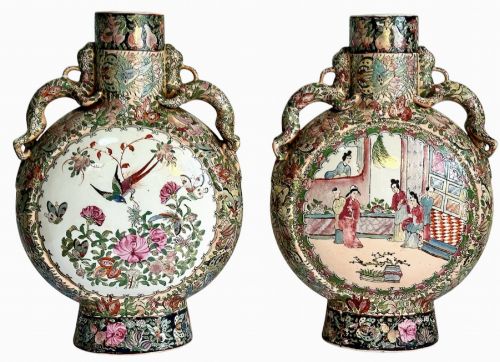
When searching for antique rose pottery, collectors encounter a diverse range of items spanning the eighteenth, nineteenth, and early twentieth centuries. These objects include Chinese export porcelain vases, moon flasks, and ginger jar lamps, alongside British studio pottery, tiles, and majolica.
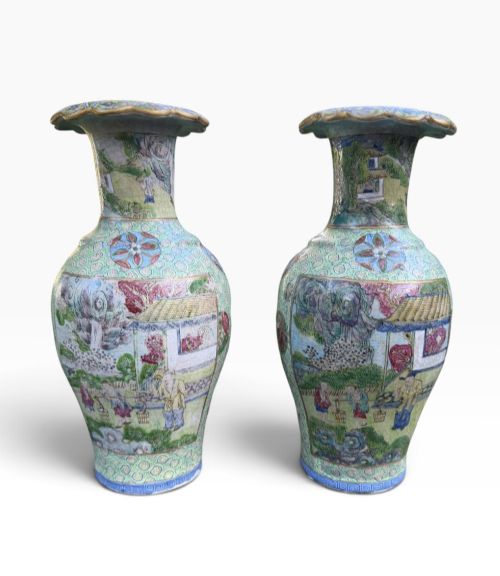
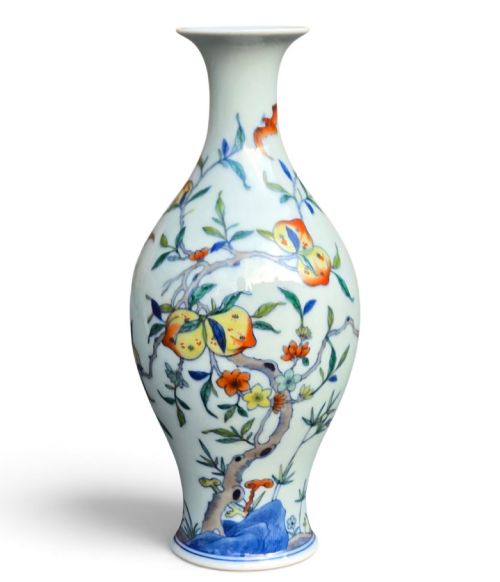
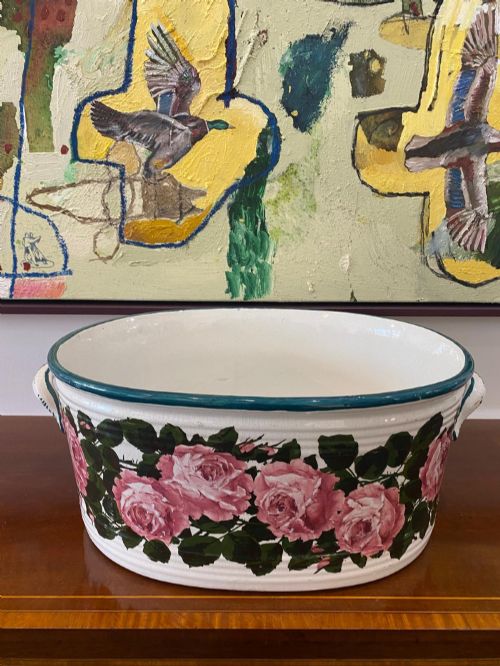
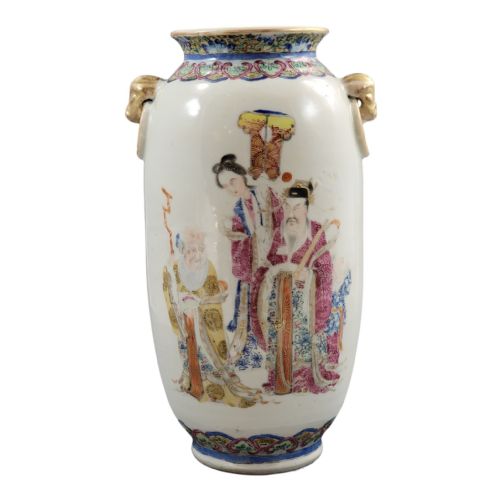
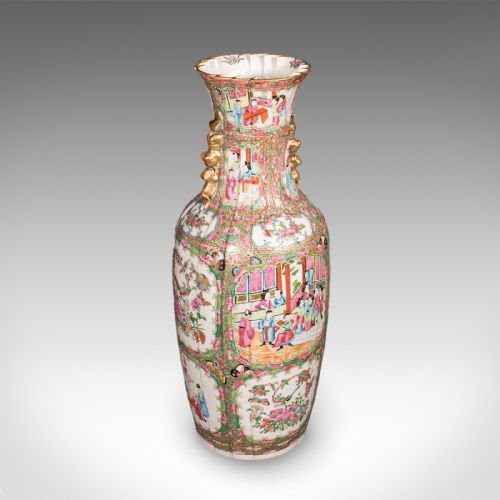
The Chinese pieces typically display the famille-rose palette with overglaze enamels, featuring figures, peaches, bats, and floral motifs. British works from makers such as Wemyss and Doulton Burslem introduce cabbage roses and painted earthenware into domestic spaces.
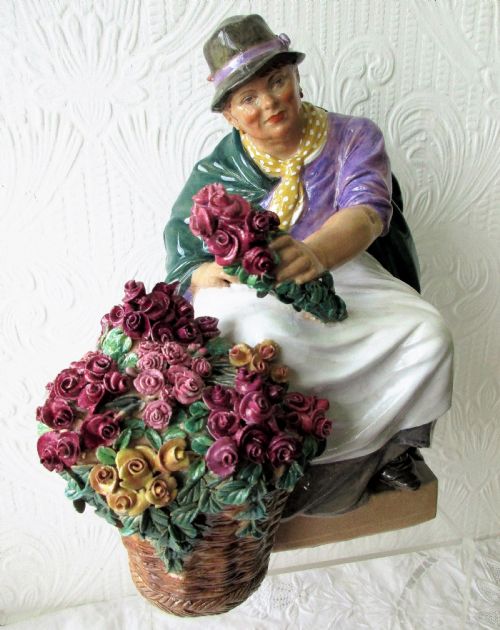
Vases, footbaths, decorative trays, and ceramic figurines dominate the selection. Buyers frequently find nineteenth-century examples alongside pieces from the late Qing to early Republic periods and the Art Deco era.
How they were made
Potters shaped these objects from porcelain, earthenware, and Yixing stoneware before applying intricate designs. Artisans utilised overglaze enamels, glaze, and gold leaf or gilt to highlight details on vessels, tiles, and figures.
Hand-painting defines the decoration across both Chinese export works and British studio pieces. Firing techniques varied from traditional kilns in Jingdezhen to European kilns producing majolica and art pottery.
Antique Rose Pottery Retail Price Guide 2026
Typical asking prices for rose pottery among the pieces listed under this phrase on Sellingantiques today, from the lower quarter to the upper quarter. They describe what is for sale here now, not the wider market.
Listings feature 19th Century, Victorian, and 18th Century periods alongside materials such as porcelain, earthenware, and gold leaf.
What varies in quality
The precision and detail of the hand-painted brushwork separate standard production from exceptional pieces. Finely executed enamel work, crisp glazing, and well-preserved gilt or gold leaf indicate superior craftsmanship.
The complexity of the form and the reputation of the studio or maker influence the standing of an item. Pieces retaining distinct signatures, such as works by Charles Vyse or Gao Hengsheng, demonstrate higher artistic ambition.
Charles Vyse·Doulton Burslem·Eichwald·Minton·Wemyss
The Antique Rose Pottery Glossary
- Famille-rose
- A palette of opaque overglaze enamels centred on a distinctive pink or rose colour. Introduced in Chinese ceramics during the Qing dynasty, it allowed for nuanced shading and detailed pictorial scenes.
- Majolica
- A type of earthenware coated with an opaque tin-glaze and painted with metallic oxide colours. Victorian makers utilised this technique for brightly coloured domestic wares and decorative dishes.
- Overglaze enamel
- Pigments applied over a previously fired and glazed ceramic surface before undergoing a second, lower-temperature firing. This method preserves brilliant colours like iron-red and rose.
- Stoneware
- A dense, hard pottery fired at high temperatures until vitrified and non-porous. Yixing stoneware exemplifies this durable medium, often left unglazed to showcase the natural clay body.
Antique Rose Pottery: Frequently Asked Questions
How do I identify Chinese famille-rose pieces?
Look for the characteristic pink enamel and delicate overglaze painting depicting figures, flowers, and auspicious motifs. These pieces often date from the eighteenth and nineteenth centuries.
Examine the base and the weight of the ceramic to help distinguish period production from later reproductions.
Where were Wemyss rose ceramics made?
Wemyss Ware was produced in Scotland, famous for hand-painted cabbage roses and fruit designs on earthenware. The pink and red floral motifs sit beneath a clear glaze.
Items range from trays and footbaths to decorative tiles and tableware.
Can I use these decorative bowls daily?
Most antique ceramic bowls and trays serve primarily as decorative centrepieces rather than robust daily tableware. Enamels and gilt surfaces can wear down with frequent washing and handling.
Display them safely on tables or shelves to preserve their hand-painted finishes.
What is the difference between earthenware and porcelain?
Earthenware is a porous, lower-fired pottery body that requires glazing to hold liquids, typical of majolica and studio pottery. Porcelain is a dense, vitrified ceramic fired at much higher temperatures.
Chinese export pieces and fine nineteenth-century vases are typically formed from porcelain.