


Antique Roman Statues
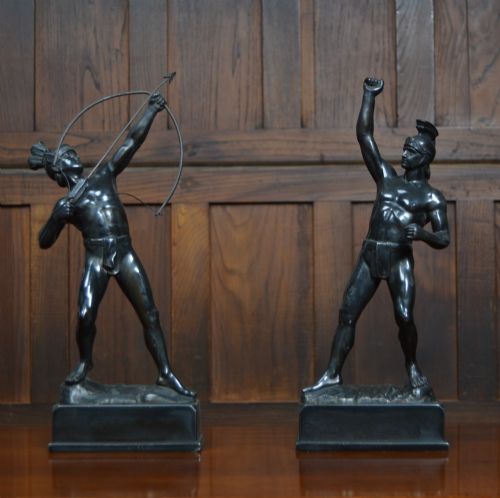
Antique Roman statues are historical bronze, marble and terracotta sculptures that bring classical mythology and imperial portraiture into your interior.
Antique Roman Statues
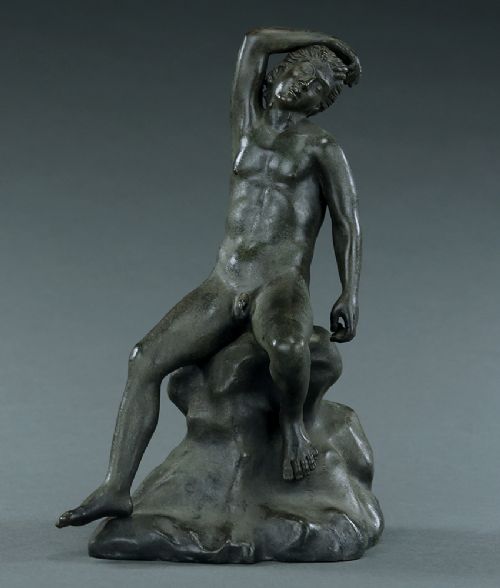
When you search for antique roman statues, you encounter pieces that range from 18th-century antiquities to 19th-century Grand Tour souvenirs and classical revival sculptures. These works translate ancient forms, mythological figures and imperial busts into cabinet-sized bronzes and library busts designed for private study and display.
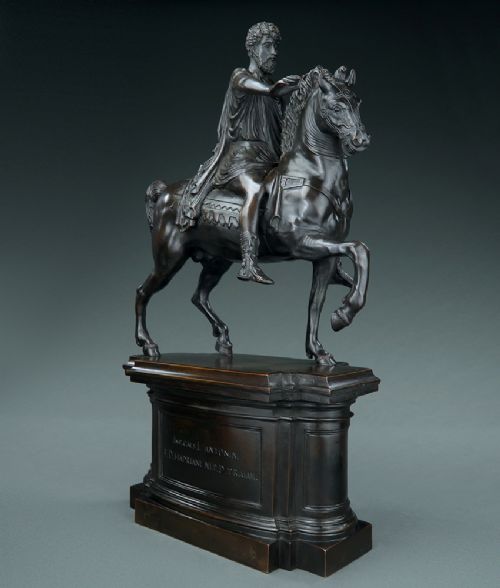
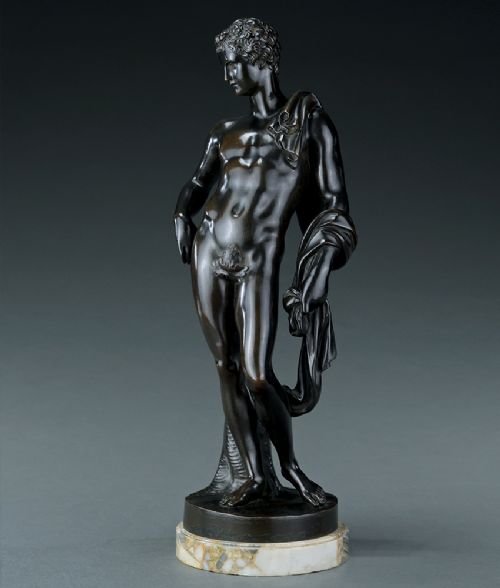
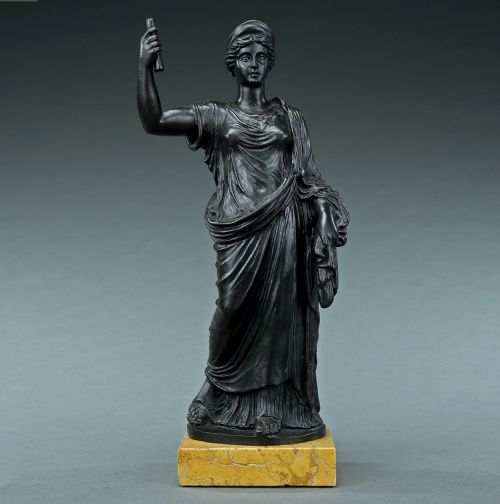
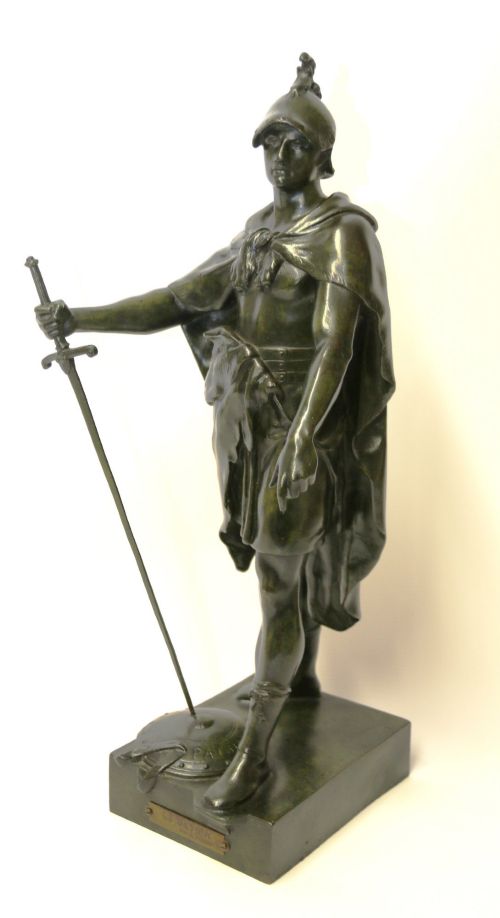
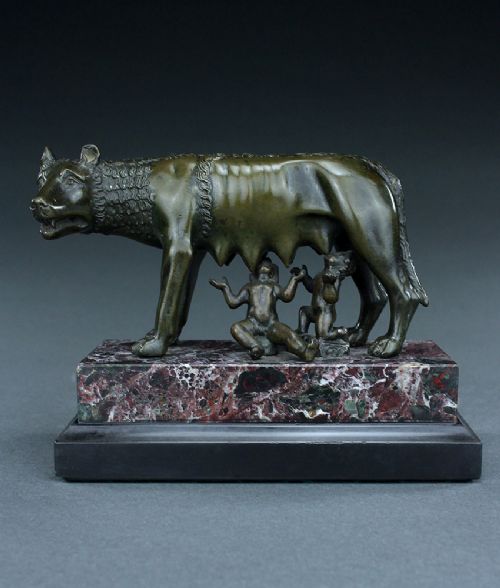
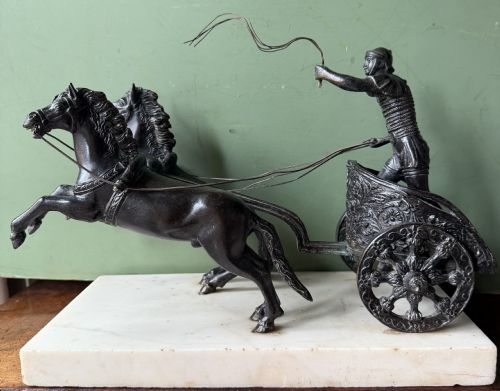
The most common examples on this page are 19th-century Grand Tour bronze reductions and portrait busts of emperors and philosophers. These souvenir pieces replicate famous archaeological finds from Pompeii and Rome, utilising patinated metals and marble plinths to evoke classical authority.
Materials and casting methods
The material palette centres on cast bronze, patinated bronze, carved marble and terracotta, with occasional works cast in brass or formed in pottery and plaster. Founders applied chemical patination to bronze surfaces to create dark brown, verdigris green or golden finishes that mimic excavated antiquity.
Listings feature works spanning the 17th, 18th and 19th centuries, executed in bronze, marble, terracotta, brass, gold leaf, paper and plaster.
Assessing execution and origin
The distinction also lies in the weight and density of the materials, from heavy solid bronze figures to finely detailed marble and terracotta carvings. Signed foundry works and pieces by named sculptors command greater appreciation for their documented artistry.
Émile Louis Picault·Goldscheider·Zoffoli·Barbedienne·Mathurin Moreau·Richard Aurili·Francesco Piranesi·Eden Antony Paul Noel
The Antique Roman Statues Glossary
- Grand Tour
- A traditional trip through Europe undertaken by upper-class scholars to view classical antiquities. Souvenirs from these journeys formed the basis for many 19th-century bronze and marble reproductions.
- Patination
- The chemical or natural alteration of a metal surface over time. Founders used chemical treatments to give modern bronze casts an aged, excavated appearance.
- Spelter
- An alloy of zinc and lead used as a cheaper alternative to bronze. It offers a lighter weight and accepts patination to resemble genuine bronze.
- Reduction
- A scale copy of a larger monument or sculpture. These smaller versions allowed collectors to house museum-sized classical statues in private libraries.
Antique Roman Statues: Frequently Asked Questions
What is a grand tour bronze?
A Grand Tour bronze is a souvenir sculpture purchased by travellers touring Italy during the 18th and 19th centuries. These pieces reproduced famous classical statues found in museums and archaeological sites.
Founders in Rome, Florence and Paris cast these reductions in bronze, often mounting them on marble bases for display in British and European homes.
How do I tell bronze from spelter?
Bronze is heavier, colder to the touch and rings with a clear tone when tapped, whereas spelter is softer and more brittle. Spelter statues often show bubbling beneath the surface finish where the cheaper metal reacted during casting.
Examining the underside or areas of worn patina reveals the lighter, greyish colour of spelter compared to the warm reddish-brown of bronze.
Who are the figures depicted on these busts?
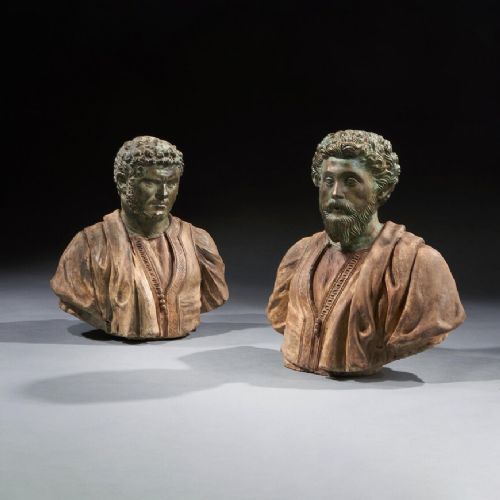
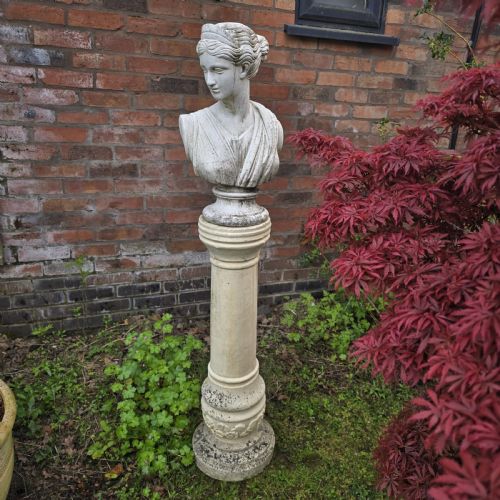
The busts represent Roman emperors such as Augustus, Marcus Aurelius and Caracalla, alongside philosophers, orators and mythological figures. Collectors favoured these subjects to signal classical learning and historical taste.
Labels or inscriptions on the marble plinths frequently identify the specific emperor or deity portrayed.
Where were these sculptures displayed historically?
Owners placed these figures in libraries, studies and entrance halls alongside books and scientific instruments. Their compact scale suited tabletop display rather than architectural installation.
They served as conversational pieces that demonstrated the owner's classical education and travel experience.