



Antique Rococo Bedroom Seating
Antique rococo bedroom seating brings curved lines and ornate carving to private chambers, offering pieces designed for personal dressing and repose.
Antique Rococo Bedroom Seating
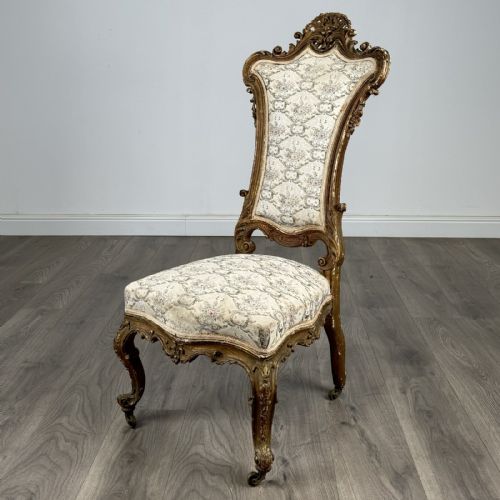
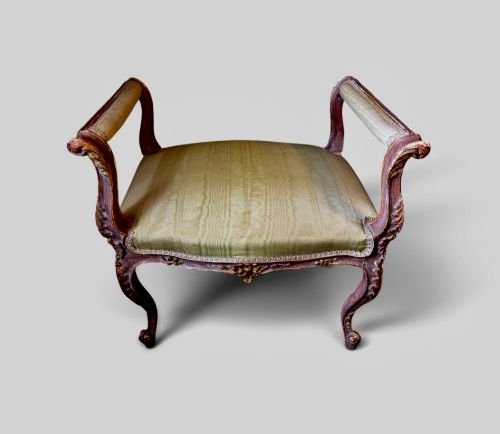
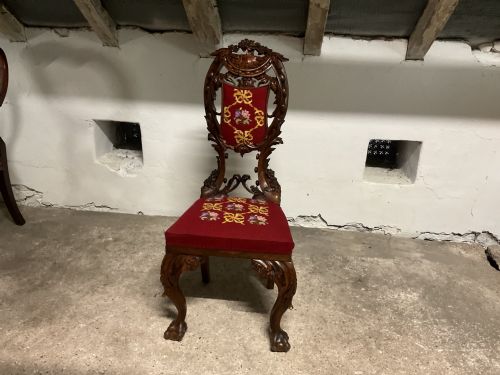
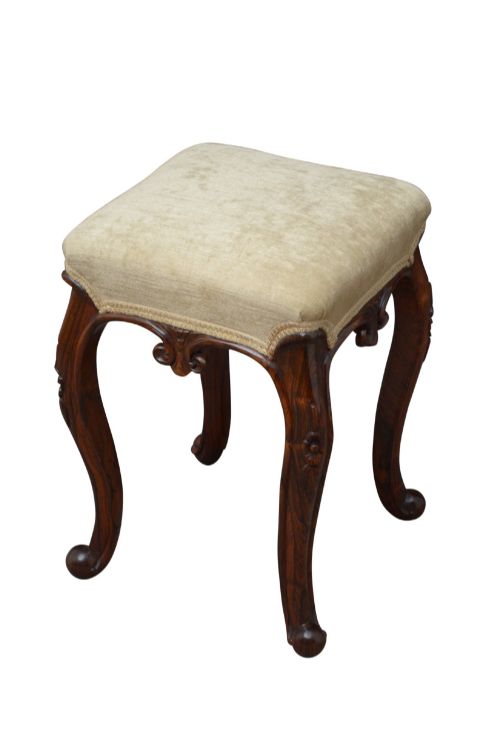
When buyers search for antique rococo bedroom seating, they encounter various forms including nursing chairs, dressing table stools, side chairs, and window seats. These pieces originate predominantly from the Victorian era and the nineteenth century, alongside French provincial and chateau styles.
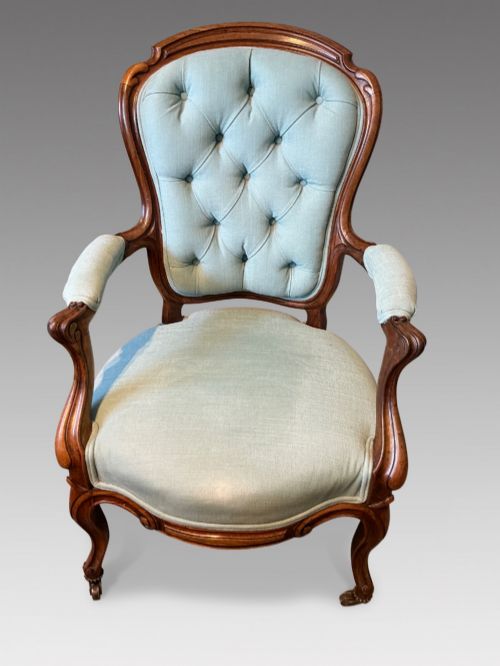
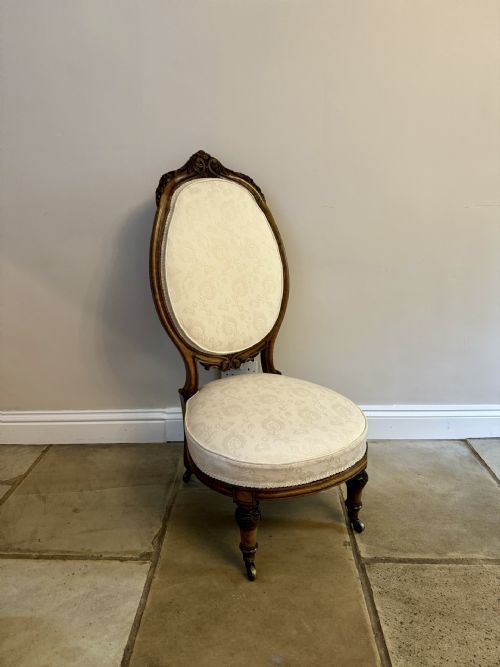
The most common items on this page are walnut and rosewood ladies chairs and dressing stools, often featuring low seats tailored for nineteenth century dressing rooms and boudoirs. Alongside these, occasional chairs and giltwood window seats appear frequently in the listings.
Materials and construction techniques
Cabinetmakers constructed these frames using dense timbers such as walnut, mahogany, rosewood, and kingwood, frequently applying giltwood finishes or ormolu mounts to emulate French models. Woodworkers shaped structural members with flowing curves to achieve the characteristic rococo silhouette.
Upholstery techniques involved traditional stuffing covered in velvet, needlework, or patterned fabric, often secured with buttoning. Carvers ornamented the wooden rails and cabriole legs with foliage, scrolls, and pierced splats.
Antique Rococo Bedroom Seating Retail Price Guide 2026
Typical asking prices for rococo bedroom seating among the pieces listed under this phrase on Sellingantiques today, from the lower quarter to the upper quarter. They describe what is for sale here now, not the wider market.
Nineteenth century owners squeezed low chairs beside dressing tables so heavy skirts could drape properly during morning routines.
Measures of quality
Quality rests in the crispness of the hand carving upon the wooden frames and the selection of figured timbers like burr walnut or rosewood. Superior examples retain original gilding, intricate pierced splats, and robust joinery in the cabriole legs.
The refinement of the silhouette distinguishes finer pieces from simpler workshop productions, particularly in the graceful sweep of spoon backs and balloon backs. The integration of decorative elements like ormolu mounts or needlework covers further separates standard seating from exceptional examples.
Blaise Maucuy
The Antique Rococo Bedroom Seating Glossary
- Cabriole leg
- A furniture leg that bends outward in a convex curve and tapers inward in a concave arc, ending in a pad or scroll foot. This shape derives from animal limbs and defines nineteenth century revival seating.
- Spoon back
- An upholstered chair back hollowed out in the vertical plane to resemble the bowl of a spoon. This design supports the sitter's spine closely.
- Ormolu
- Gilded bronze applied as a decorative mount to furniture frames. It provides metallic contrast against dark hardwoods like kingwood.
- Splat
- The vertical central strip of wood in the back of a chair. Pierced splats contain cutout decorative patterns.
- Boudoir chair
- A small, low upholstered seat intended for a private dressing room or bedroom. These items prioritize comfort and decorative appeal.
Antique Rococo Bedroom Seating: Frequently Asked Questions
What is an antique nursing chair?
A nursing chair is a low seated upholstered chair designed in the nineteenth century to allow women to nurse infants comfortably while wearing voluminous skirts.
These pieces typically feature low frames, balloon backs or spoon backs, and sometimes castors for ease of movement across bedroom carpets.
How do I identify rococo revival style?
Rococo revival seating displays asymmetric scrollwork, C-scrolls, floral carvings, and sinuous cabriole legs echoing eighteenth century French design.
Victorian makers adopted these fluid organic motifs enthusiastically, applying them to walnut and rosewood framework.
Where were bedroom chairs placed?
These seats belonged in private chambers, dressing rooms, and boudoirs rather than formal reception rooms. They served practical purposes near dressing tables or alongside windows.
Window seats and dressing stools provided convenient perches for putting on footwear or garments.
What woods are typical for these chairs?
Walnut and rosewood dominate the frames of nineteenth century English and French bedroom seating. Mahogany and ebonised finishes also appear regularly.
Finer French examples incorporate exotic veneers like kingwood alongside ormolu mounts.