

Antique Repousse Copper
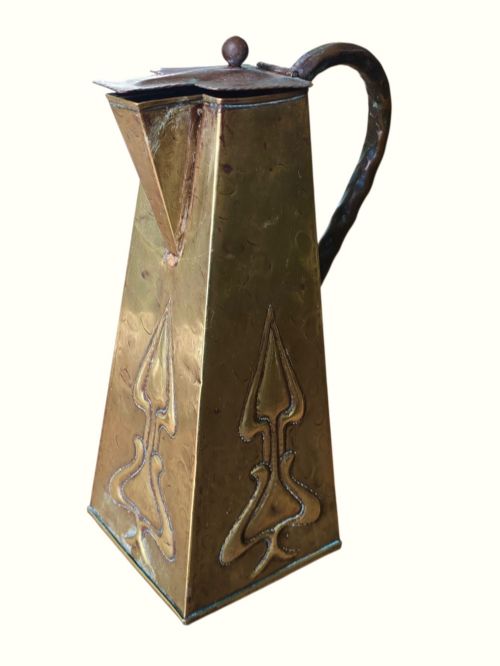
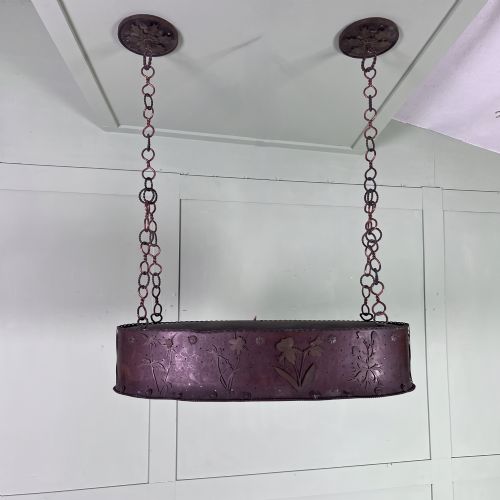
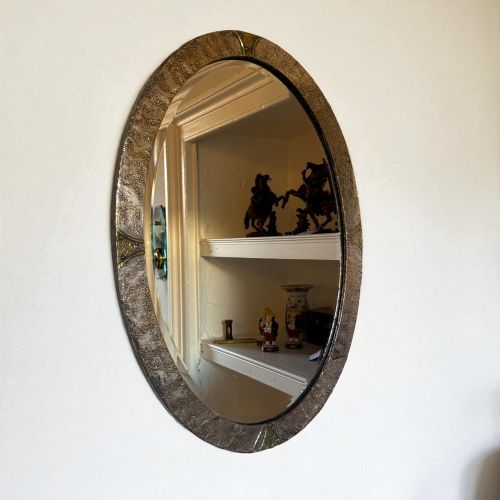
Antique repousse copper brings raised relief metalwork into domestic spaces through mirrors, planters, and wall chargers from the late nineteenth and early twentieth centuries.
Antique Repousse Copper
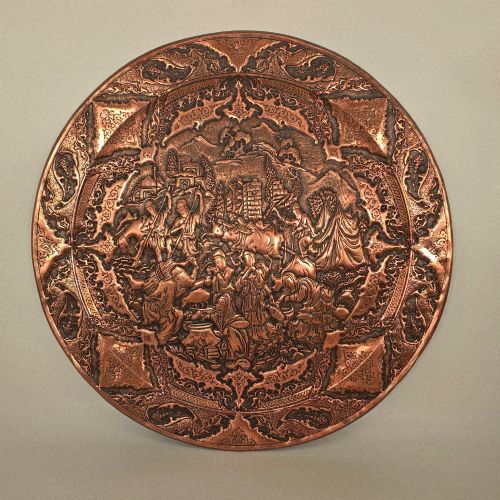
When searching for antique repousse copper, a buyer encounters domestic items and decorative objects shaped by hammering from the reverse to create raised designs on the front. The selection on this page leans heavily toward the Arts and Crafts and Art Nouveau movements of the late nineteenth and early twentieth centuries.
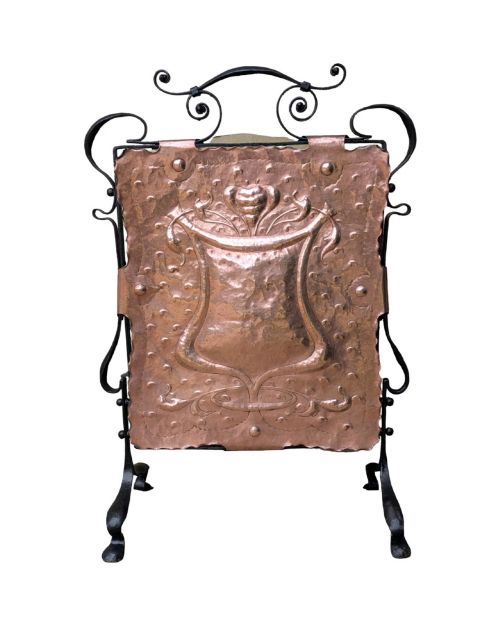
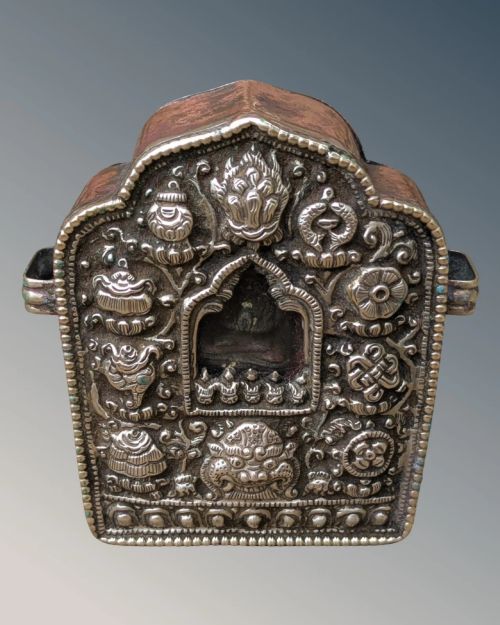
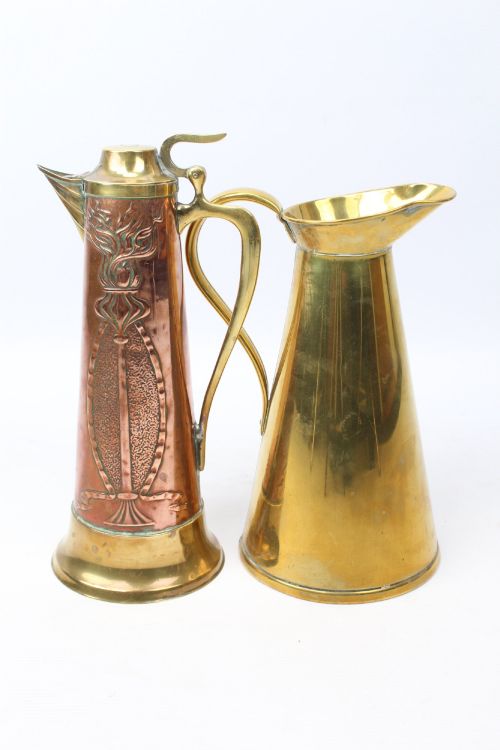
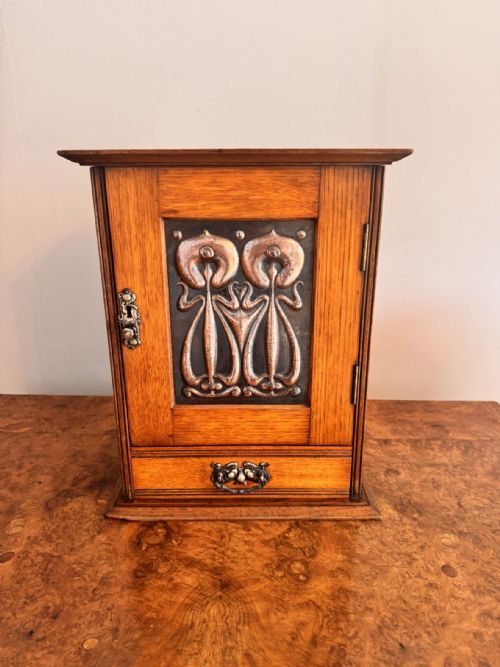
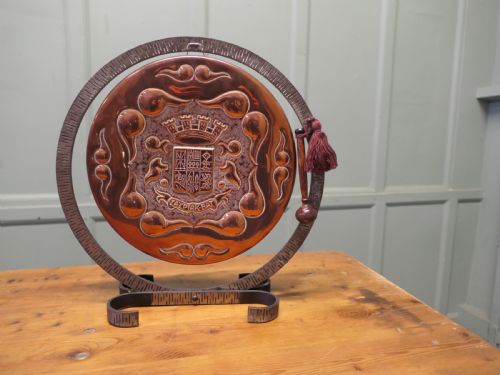
Mirrors, jardinieres, fire screens, and trays dominate the forms, often combining beaten copper with brass, oak, iron, or glass. Pieces originate from British workshops alongside French, Italian, Indian, and Tibetan makers, reflecting diverse global traditions of raised metalwork.
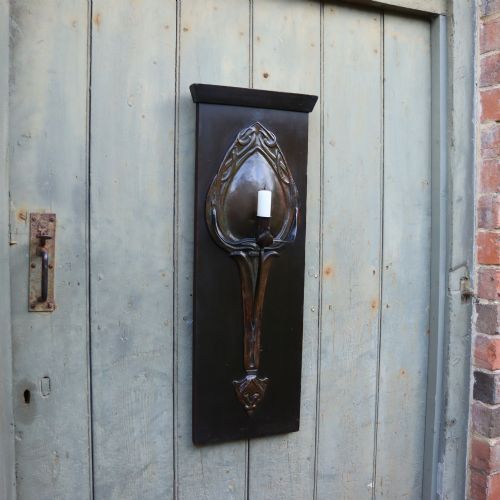
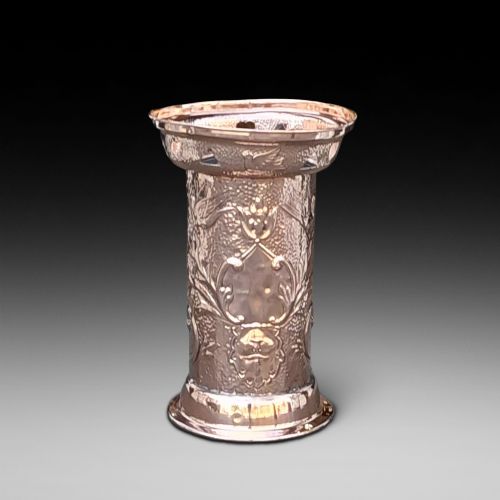
The objects serve both utility and ornament, spanning umbrella stands, desk blotters, wall sconces, and coal bins. Most examples date from the Victorian, Edwardian, and 1900 periods.
How they were made
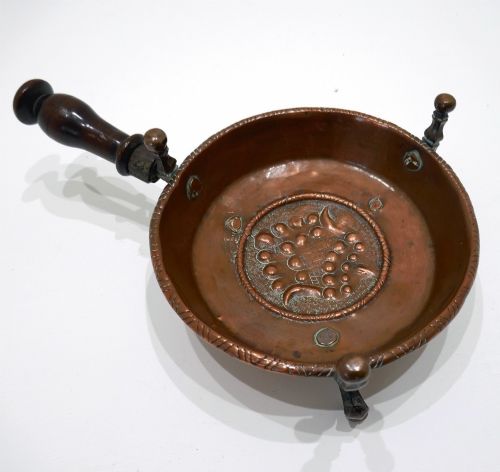
Makers shaped sheet copper by hammering from the reverse side into a yielding bed of pitch or lead, raising the design outward in relief. Chisels and punches then refined the details from the front, producing the textured surfaces seen on chargers, jugs, and mirror frames.
Copper frequently pairs with other materials such as wrought iron, oak frames, brass handles, and silver plating. Rivets, pierced metalwork, and applied brass or iron mounts complete the construction of fire screens, umbrella stands, and wall sconces.
Antique Repousse Copper Retail Price Guide 2026
Typical asking prices for repousse copper among the pieces listed under this phrase on Sellingantiques today, from the lower quarter to the upper quarter. They describe what is for sale here now, not the wider market.
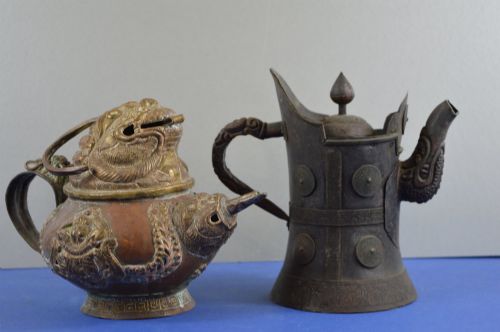
Yak butter tea pots sit alongside umbrella stands and weather vanes, proving Victorians hammered copper into almost anything.
What varies in quality
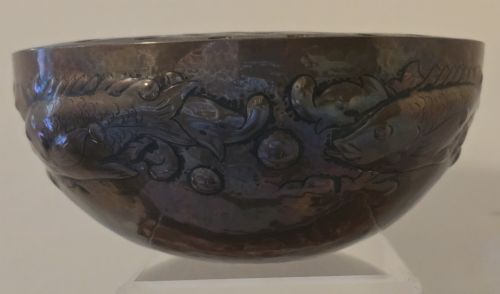
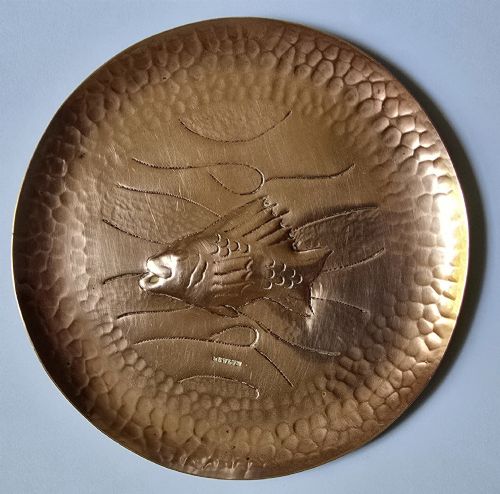
The depth and crispness of the repousse hammering define the quality of the work, separating flat, mechanical stamping from skilfully articulated relief. Hand-beaten pieces show individual tool marks and deliberate modulation across floral, figurative, or abstract motifs.
The integrity of the construction and the retention of original mounts, mirrors, and pierced lids dictate the standing of an item. Stamped marks from known guilds or makers add authority to the craftsmanship of the period.
Newlyn Copper·Joseph Sankey·Keswick Art Metal·Liberty and Co
The Antique Repousse Copper Glossary
- Repousse
- A metalworking technique where the artisan hammers sheet metal from the reverse side to form a raised design in relief on the front. This method creates depth and texture on trays, plaques, and mirrors.
- Arts and Crafts
- A design movement spanning the late nineteenth and early twentieth centuries that valued handcraftsmanship and simple forms over mass production. Copper work from this period often displays visible hammer marks and naturalistic motifs.
- Art Nouveau
- An international style prominent around 1900 characterised by fluid, organic lines and floral patterns. It appears frequently on copper vases, jugs, and mirror frames.
- Jardiniere
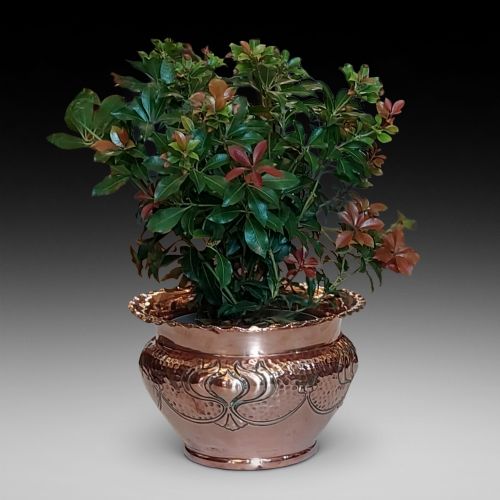
- A large ornamental pot or stand designed to hold growing plants. These copper vessels often feature raised repousse decoration around the body.
- Charger
- A large ornamental plate or dish intended for display on a wall or table rather than for dining. Antique examples frequently display detailed figurative or floral repousse work.
Antique Repousse Copper: Frequently Asked Questions
How do I clean antique copper?
Dust surfaces gently with a soft dry cloth to preserve the natural patina developed over decades. Avoid harsh chemical polishes that strip away the historical surface character.
Consult a specialist before attempting any intensive cleaning if the metal shows fragile areas or historic lacquer. Keeping pieces away from moisture prevents active corrosion on vulnerable copper and iron joins.
Were these pieces made for use?
Many items served practical household roles, including umbrella stands, coal bins, fire screens, and desk blotters. Artisans combined utility with decorative beaten metal surfaces.
Other objects, such as wall plaques and large chargers, were purely ornamental from their creation. Even functional items relied heavily on aesthetic appeal within domestic interiors.
How do I date these items?
Stylistic indicators such as flowing Art Nouveau plant motifs or geometric Arts and Crafts construction point toward the late nineteenth and early twentieth centuries. Maker marks and stamps stamped into the metal provide the most reliable chronological markers.
Associated materials like golden oak frames, wrought iron stands, and specific mounting techniques also help narrow down the production era. Comparing the depth of repousse work with documented period pieces confirms the timeline.
Where were these copper items made?
Production occurred across British craft guilds, continental European workshops, and international regions including India and Tibet. Each geographic origin brought distinct regional motifs and metalworking traditions to the medium.
British pieces often connect to specific West Country or northern workshops, while continental examples show French or Italian stylistic influences. Non-European items reflect traditional ceremonial and decorative uses specific to their culture of origin.