

Antique Religious Wooden Carving
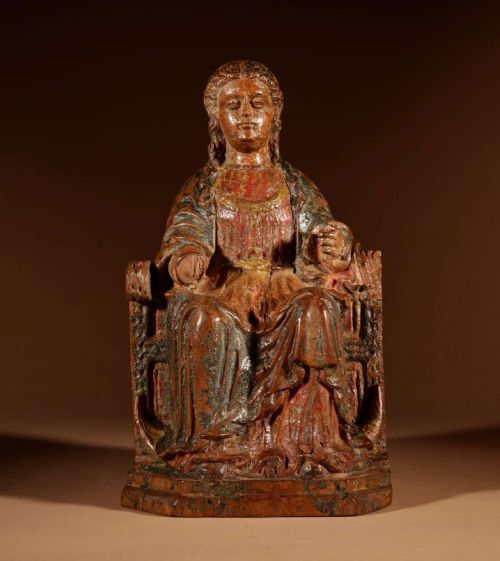
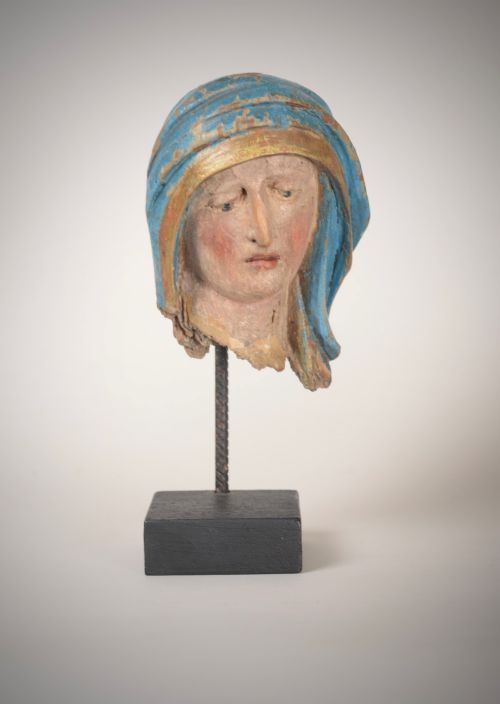
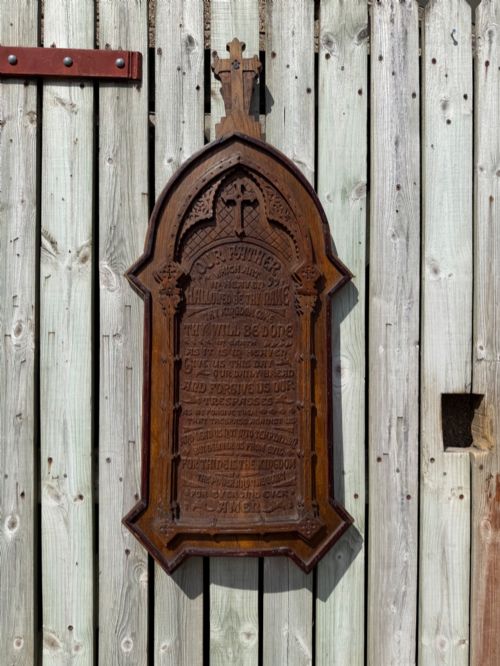
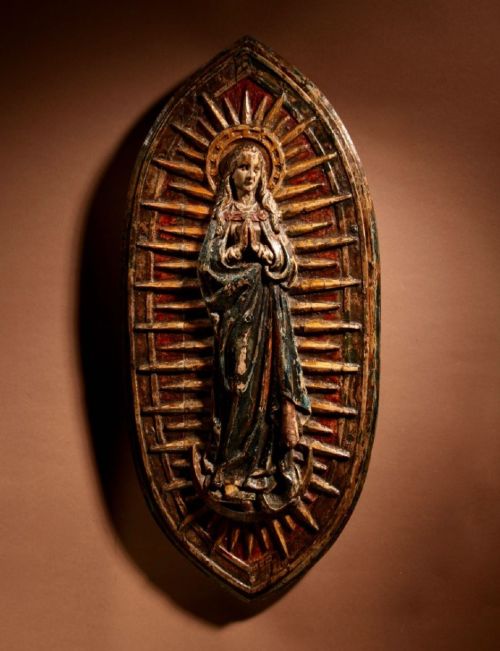
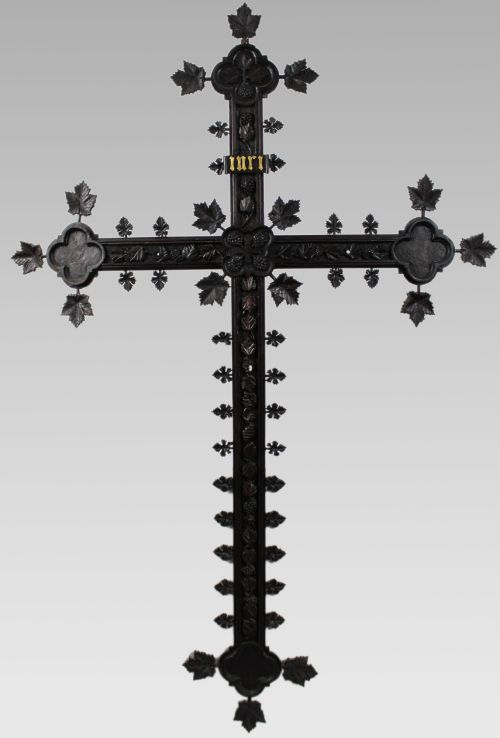
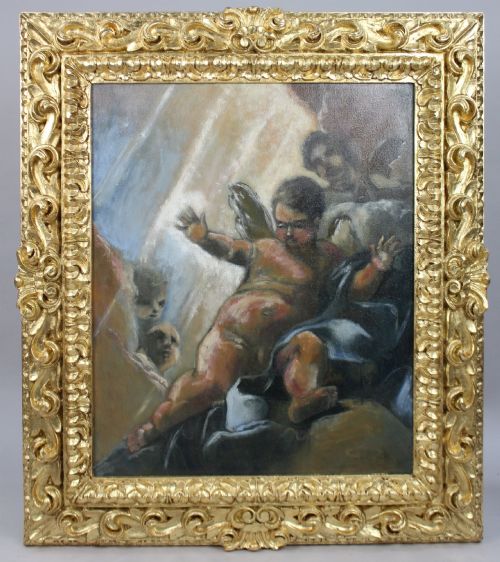
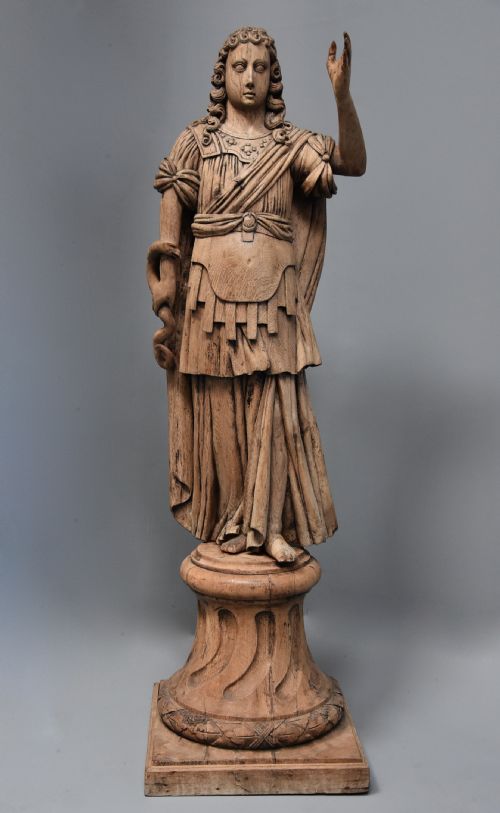
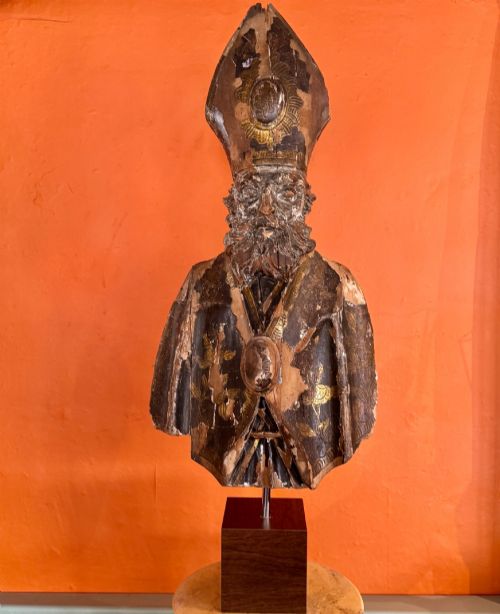
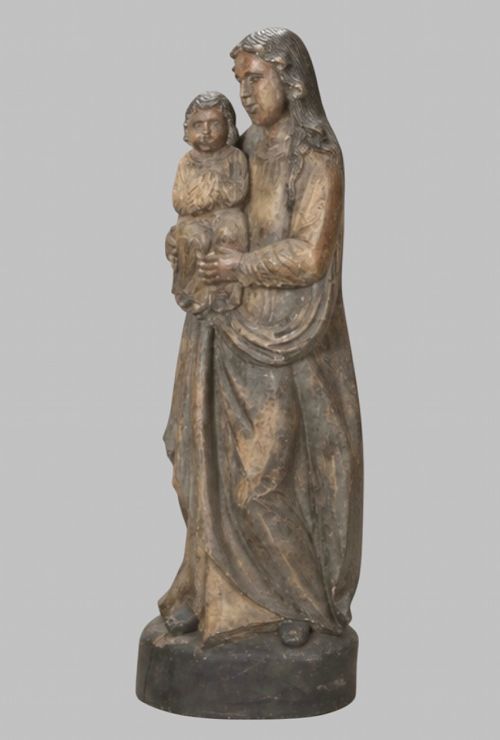
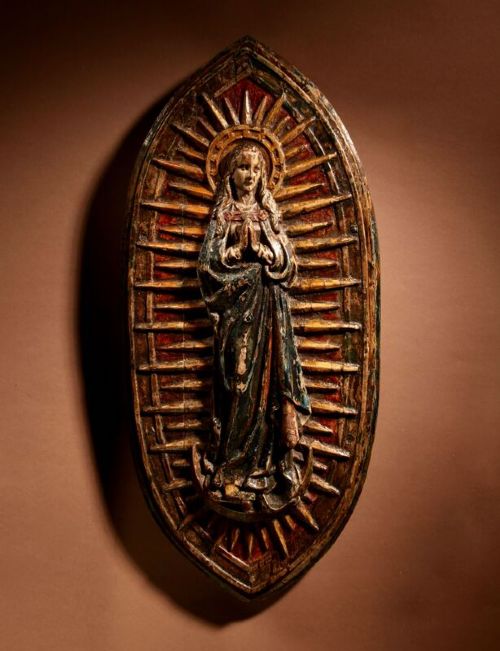
An antique religious wooden carving brings centuries of devotion into a room, fashioned from solid timber to depict saints, figures, and sacred scenes.
Antique Religious Wooden Carving
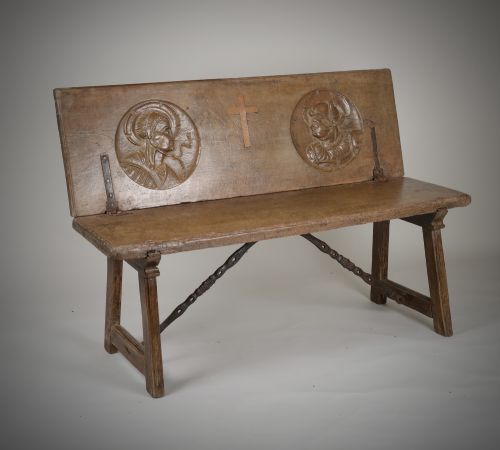
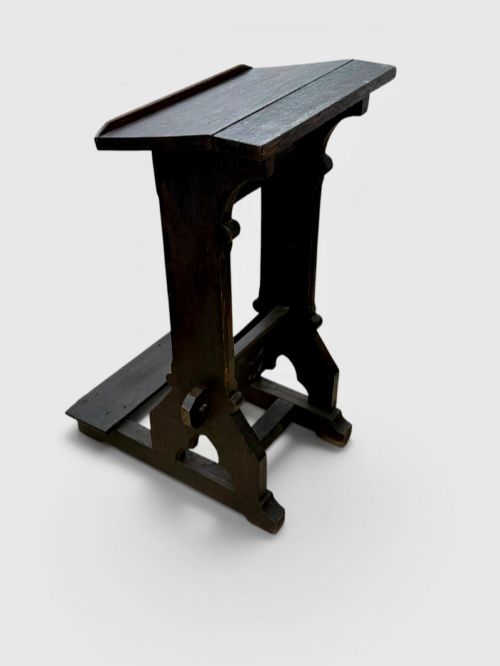
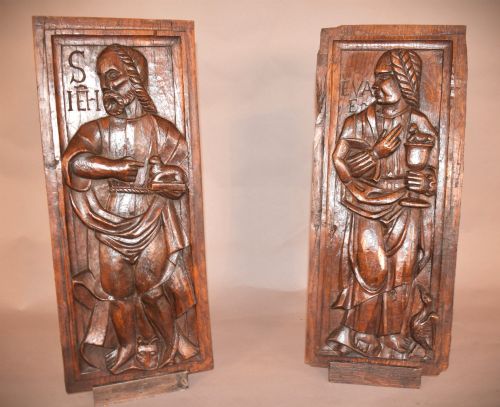
An antique religious wooden carving encompasses standalone figures of saints and the Madonna, architectural panels, and ecclesiastical furniture such as prayer desks and missal stands.
The selections span from sixteenth-century devotional groups to nineteenth-century statues and folk art carvings originating across Continental Europe.
Buyers encounter both life-size figural sculptures and smaller domestic devotional panels intended for private prayer.
Materials and construction
Carvers shaped these pieces primarily from solid hardwoods including oak, walnut, chestnut, and limewood, utilising hand chisels and gouges.
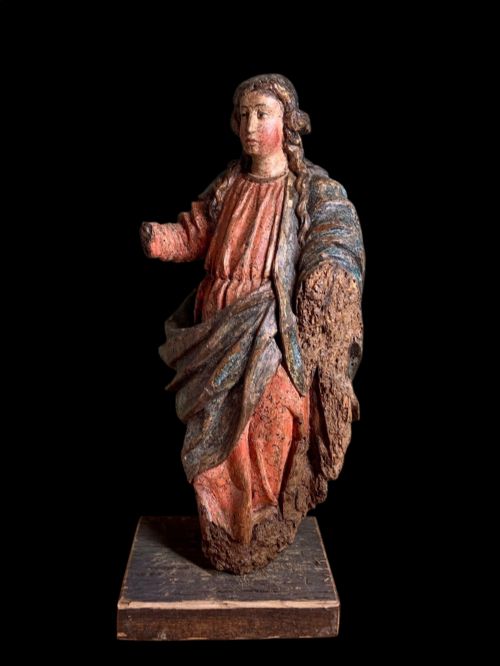
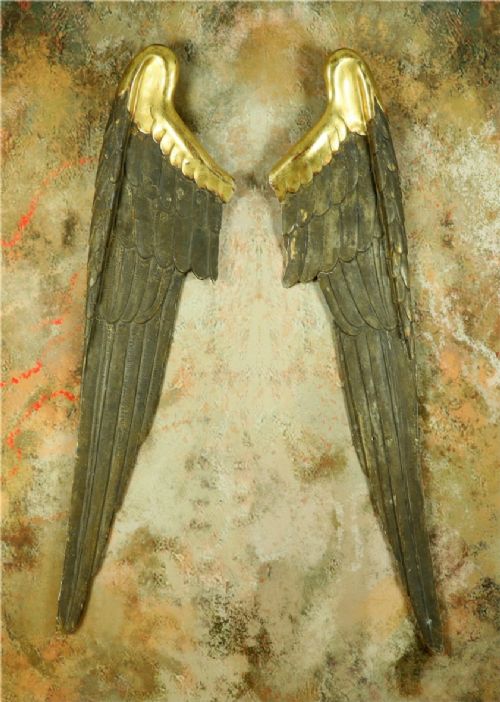
Many surfaces received layers of gesso, gold leaf, or polychrome paint to add colour and divine radiance to the timber figures.
Listings span from the 16th century to 1900, featuring oak, walnut, limewood, and chestnut materials.
Assessing craftsmanship
The survival of original surface treatments, such as early polychrome pigment and gold leaf, distinguishes pieces that retain their historic character from those stripped down to bare wood.
The Antique Religious Wooden Carving Glossary
- Polychrome
- Painted in several colours. This term describes wooden sculptures adorned with historic pigments and mineral paints.
- Corpus Christi
- The body of Christ on the cross. These wooden figures focus on the crucifixion.
- Reliquary
- A container for holy relics. These objects often incorporate mirrors, carved wood, and sacred ornamentation.
- Gesso
- A plaster mixture applied to wood. It serves as a smooth base for gilding and painting.
- Altarpiece
- A structured panel placed above an altar. Central panels often depict the Virgin Mary or biblical scenes.
Antique Religious Wooden Carving: Frequently Asked Questions
How do I date an old wooden carving?
Dating relies on tool marks, the choice of timber species, and the style of the carving. Historic costume and facial expressions also offer clues to the period of creation.
Examining the underlying gesso and paint layers helps confirm the age of surface decorations on Continental figures.
Where were these carvings displayed originally?
Many large figures and panels belonged to churches, monasteries, or altarpieces. Smaller devotional sculptures were made for private homes and domestic chapels.
Ecclesiastical furniture like prayer desks and missal stands served practical roles in daily worship.
How should I care for historic wood?
Keep wooden carvings away from direct sunlight and sudden changes in temperature or humidity. Stable indoor conditions prevent the timber from splitting.
Dust the surface gently with a dry, soft cloth without applying modern polishes or cleaning chemicals.
What is a Santos figure?
A Santos figure is a carved wooden representation of a saint or holy person, often clothed in fabric garments. These statues were used in religious processions and domestic shrines.
Examples range from small tabletop figures to life-size sculptures mounted on wooden plinths.