



Antique Religious Silver
Antique religious silver encompasses devotional objects, liturgical vessels and personal talismans shaped by centuries of Christian and Orthodox tradition.
Antique Religious Silver
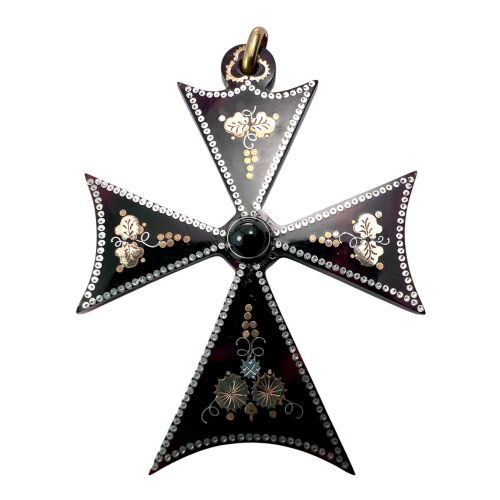
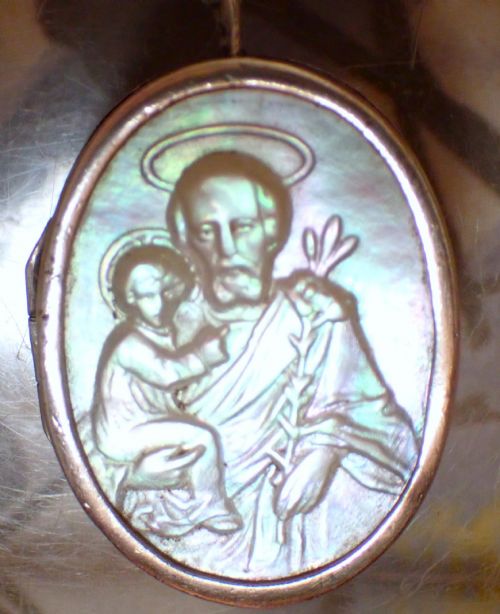
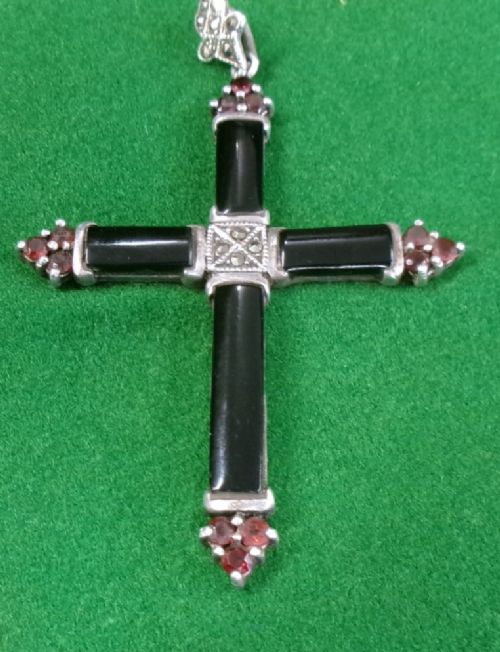
Antique religious silver spans both personal items worn or carried close and the larger vessels used in church services. Personal pieces include crucifix pendants, devotional brooches, prayer book covers, rosary rings and pocket shrines.
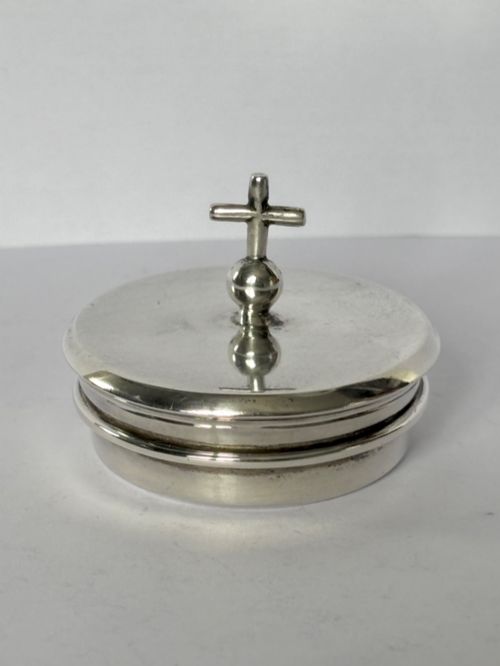
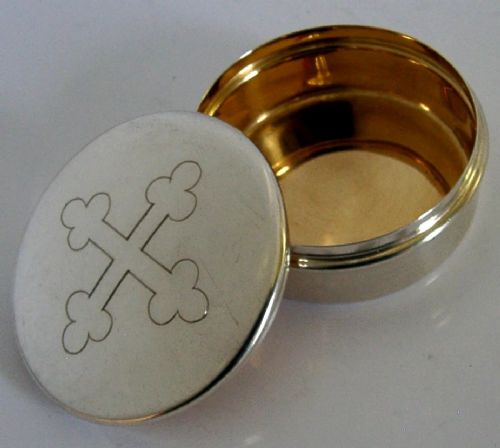
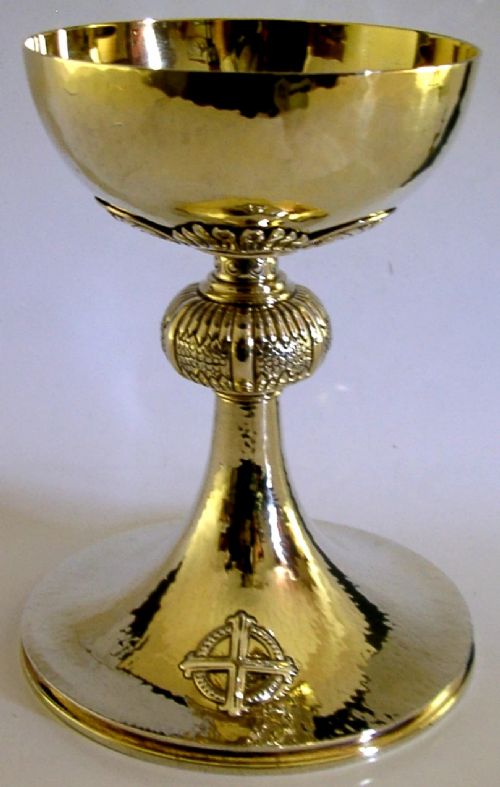
The selection also covers portable sacrament kits, small pyx boxes for carrying communion wafers, and baptism spoons intended to mark a child's entry into the faith. Larger church silver includes communion chalices, paten dishes, altar crosses and holy water wall fonts.
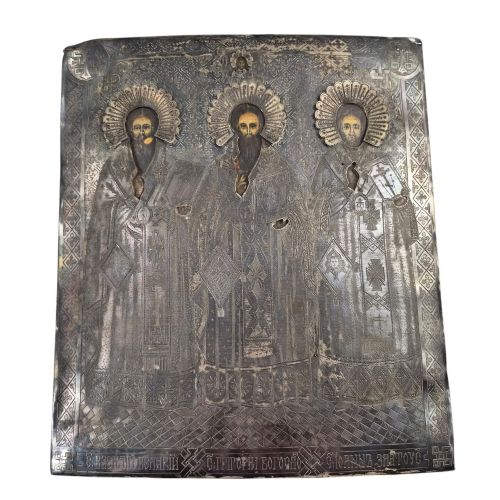
Pieces originating from domestic and ecclesiastical settings alike range across the Georgian, Victorian and Edwardian eras, extending into mid-century ecclesiastical design. Russian and continental European workshops provide icons framed in silver rizas alongside regional ex-votos.
Materials and construction
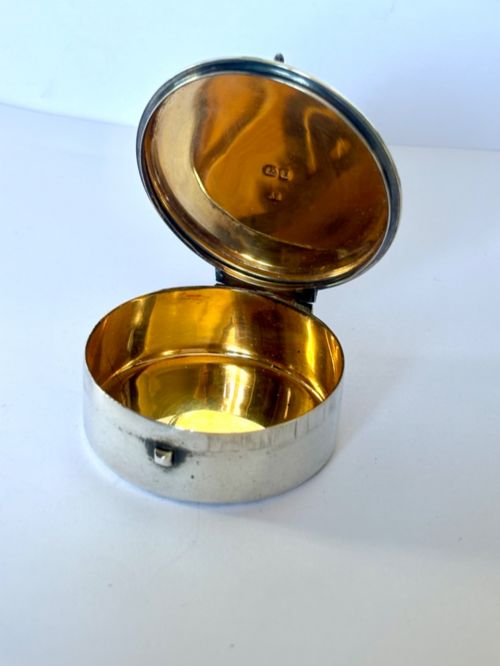
Construction relies heavily on solid sterling silver and silver plate, often enhanced with gold gilt interiors or highlights known as silver gilt. Makers also employed Old Sheffield plate, copper alloys, and base metals paired with silver wire or sheet.
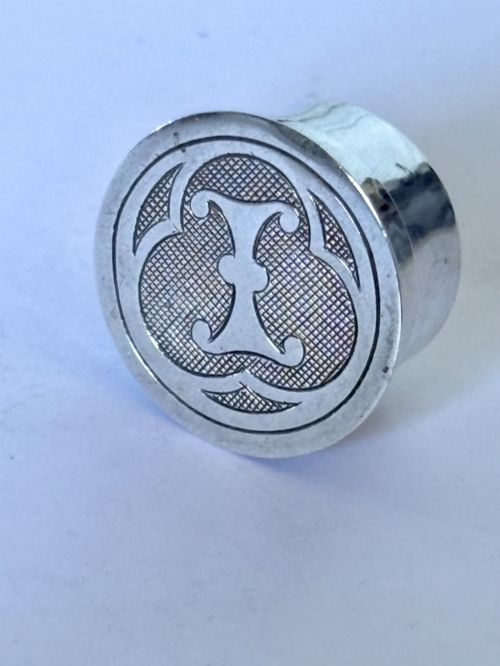
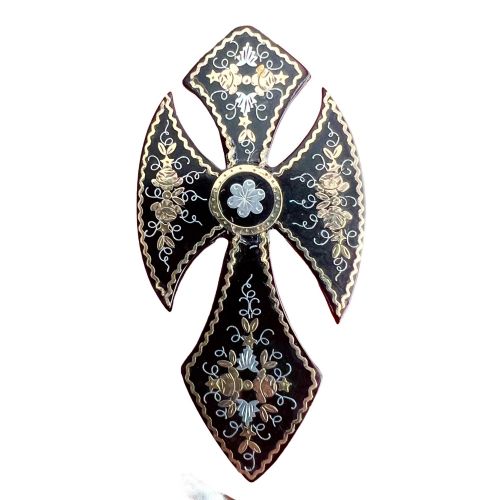
Surface decoration frequently combines repoussé and chasing, pushing and sinking the metal from front and back to raise low-relief angels, saints and floral motifs. Enamel work, mother of pearl inlay, tempera on wood panels, and engraved inscriptions complete the physical structure of these devotional artefacts.
Listings feature items spanning the 18th, 19th, and 20th centuries, executed in silver, silver plate, wood, and tempera.
Factors of quality
Quality rests on the crispness of the hand-chased relief work and the depth of the metal used in the construction, distinguishing solid cast or heavy gauge items from thinner pressed sheets. Finer pieces demonstrate precise maker marks, detailed facial expressions on figures of saints, and intact gilding.
In icons and framed works, the calibre of the underlying tempera painting or the intricacy of the metal riza overlay dictates the standing of the piece. Complete sets, such as fitted travelling communion boxes with their original chalices and patens, command greater architectural and historical coherence.
F. Osbourne & Co London·Burns, Oats & Washbourne·FA Barrett·Heinrich Grünbaum·Omar Ramsden & Alwyn Carr·Rouillard Angers
The Antique Religious Silver Glossary
- Pyx
- A small, round container used by clergy to carry consecrated communion wafers to the sick or absent.
- Riza
- A metal cover, often embossed silver, placed over an icon to protect the painted surface while leaving the faces visible.
- Chalice
- A large cup used to hold sacramental wine during Christian communion services.
- Patene
- A small plate or dish used to hold the bread during the Eucharist.
- Ex-voto
- A votive offering presented to a saint or divinity in fulfilment of a vow or in gratitude for a miracle.
- Monstrance
- An ornate vessel used to display the consecrated Eucharistic host during adoration.
Antique Religious Silver: Frequently Asked Questions
What is an ecclesiastical pyx box used for?
Ecclesiastical pyx boxes served as portable vessels designed to safely transport consecrated communion bread outside the church.
Clergy utilised these small lidded containers to bring the sacrament to parishioners who were confined to their homes or unable to attend regular services.
What do Russian orthodox icons in silver rizas represent?
Russian orthodox icons depict sacred figures such as saints or holy scenes painted in tempera on wood panels, framed by protective metal covers.
The silver riza or oklad covers the background and robes of the figure while exposing the painted hands and face for veneration.
How can you identify Victorian religious silver?
Victorian religious items carry specific hallmarks indicating the assay office, date letter, and silversmith mark stamped directly into the metal.
Stylistic markers from this period often lean towards Gothic Revival motifs, featuring heavy chased decoration and intricate cross designs.