



Antique Religious Metal Sculpture
These antique religious metal sculpture pieces span diverse cultural traditions from European cast iron to Asian bronze deities.
Antique Religious Metal Sculpture
An antique religious metal sculpture represents sacred figures and narratives, cast in bronze, copper alloy, brass, silver alloy, and cast iron. These works manifest devotional practices across various global traditions.
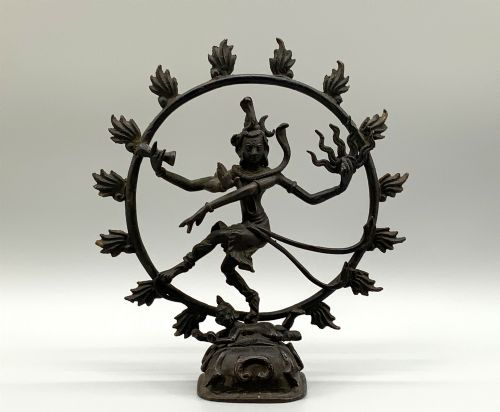
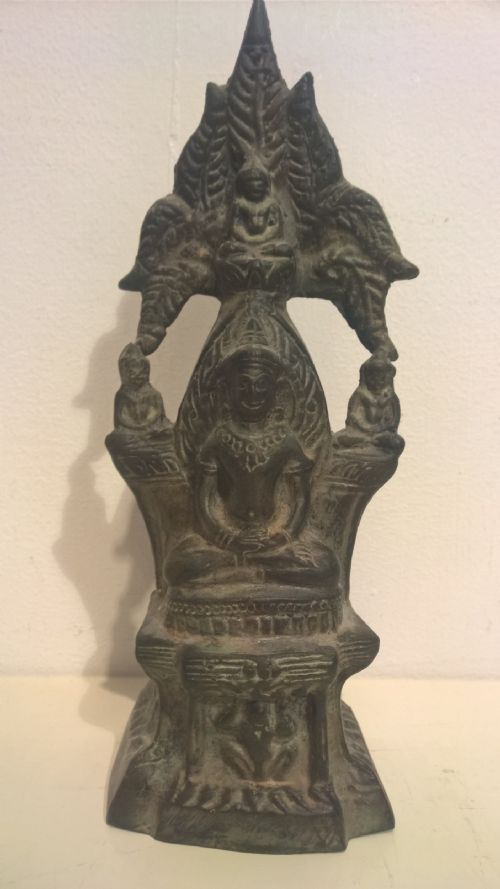
The selections available here range widely in origin and period, from Pre 16th century Javanese figures to 19th Century Indian bronzes and Victorian European pieces. Figures of Shiva, Buddha, Vishnu, Ganesh, and Christian subjects appear frequently.
Buyers encountering this category will find both small devotional household statuary and larger memorial items like grave markers. Each piece reflects the iconography and stylistic conventions of its specific era and region of origin.
How they were made
Surface treatments and secondary materials enhance the sculptural forms, including gilding in gilt bronze and gilt metal, alongside remnants of vermilion pigment. Cast iron examples utilise industrial or traditional foundry casting suited to heavy commemorative markers.
Periods represented span from Pre 16th century and 16th Century through to the 17th Century, 1800, and the Victorian era.
What varies in quality
Quality in these sculptures rests upon the crispness of the cast and the retention of fine detail in facial expressions, ornamentation, and drapery. Softer or worn castings often result from secondary casting or heavy surface wear over centuries of handling.
The preservation of original surface finishes, such as fire gilding, applied pigments, and natural patination, distinguishes superior examples from those with stripped or heavily altered surfaces.
The Antique Religious Metal Sculpture Glossary
- Bronze
- An alloy primarily of copper combined with tin, widely utilised for durable and detailed statuary. This material develops a natural patina over centuries of exposure.
- Copper alloy
- A broad classification for metals containing copper mixed with other elements such as zinc or tin. These alloys form the foundation of many early Asian sculptural works.
- Gilt bronze
- Bronze objects treated with a thin layer of gold applied through amalgamation or leaf techniques. This finish provides a luminous golden surface to sacred figures.
- Iconography
- The traditional imagery and symbolic elements associated with a subject or deity. Understanding these visual symbols helps identify the specific religious figures depicted.
Antique Religious Metal Sculpture: Frequently Asked Questions
What periods do these metal sculptures cover?
The available pieces span from Pre 16th century works up to 19th Century and Victorian examples. This broad chronological range includes Javanese, Ayutthaya, and European regional items.
Collectors can find works originating from different centuries, each carrying the distinct stylistic markers of its period of production.
Which religious traditions are represented here?
The listings encompass Hindu, Buddhist, Jain, and Christian subjects. Figures include deities like Shiva, Buddha, Vishnu, and Ganesh, alongside Christian devotional scenes.
Each tradition employs specific iconographic details that define the sacred identity of the sculpted figure.
What metals were used to create these sculptures?
Common materials include bronze, copper alloy, brass, silver alloy, and cast iron. Some pieces incorporate gilt surfaces or traces of original pigments.
The choice of metal often reflects the geographical origin and the period in which the sculpture was cast.
How should I care for an antique metal sculpture?
Maintain stable indoor humidity levels and keep sculptures away from direct heat sources. Dust gently with a soft, dry brush without applying chemical cleaners.
Preserving the existing patina safeguards the historical integrity and visual character of the antique metal.