
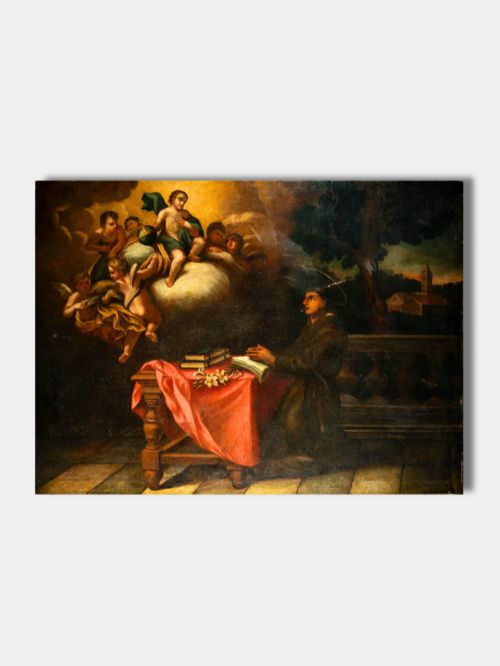
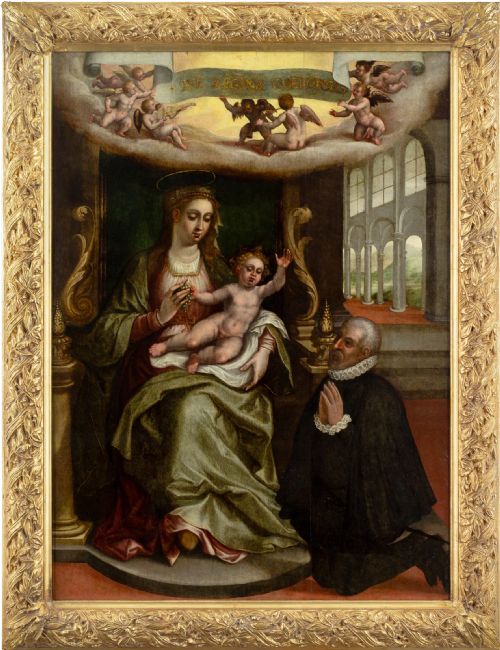
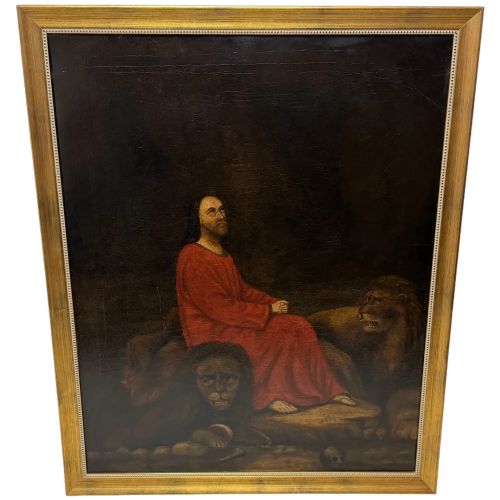
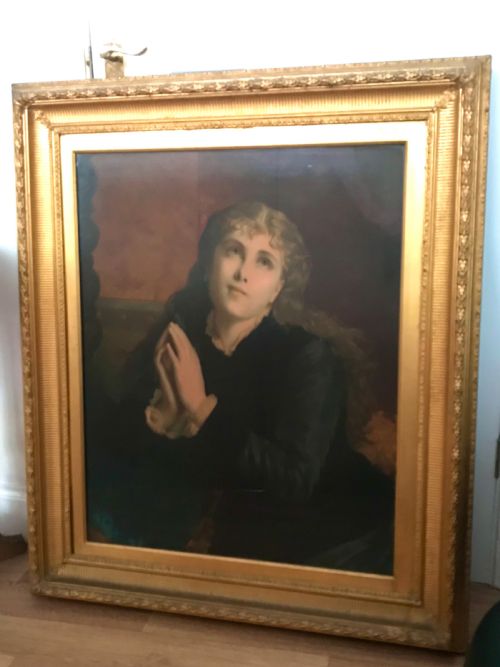
Antique Religious Canvas
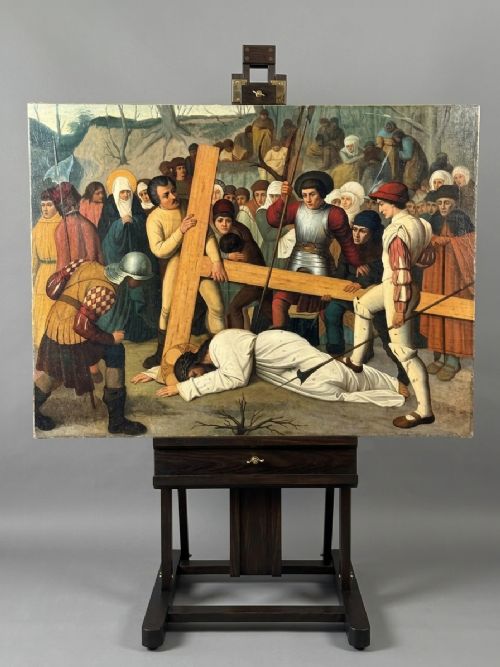
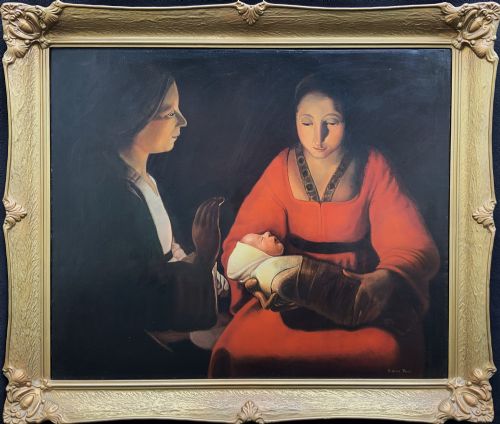
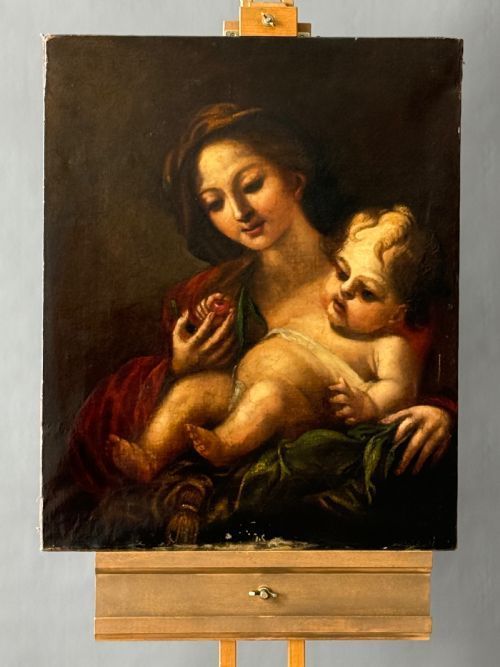
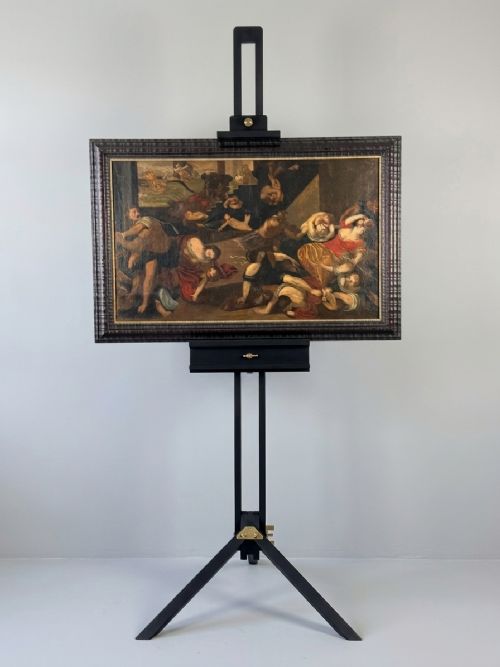
When you examine an antique religious canvas, you encounter centuries of devotion captured through oil paint and pigment upon stretched fabric.
Antique Religious Canvas
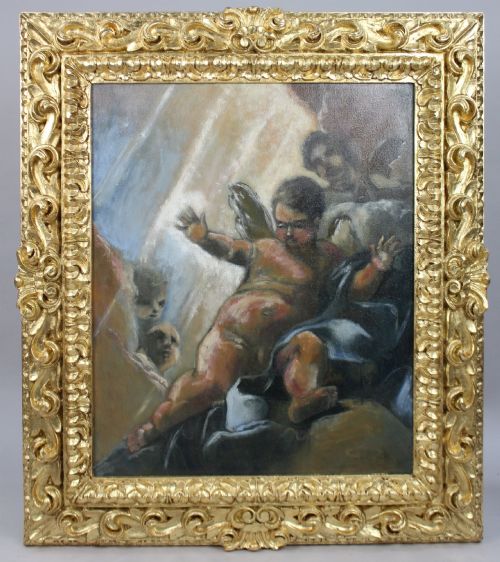
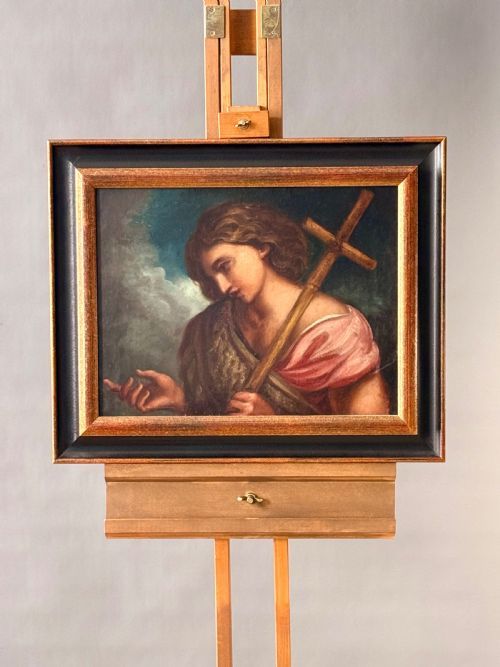
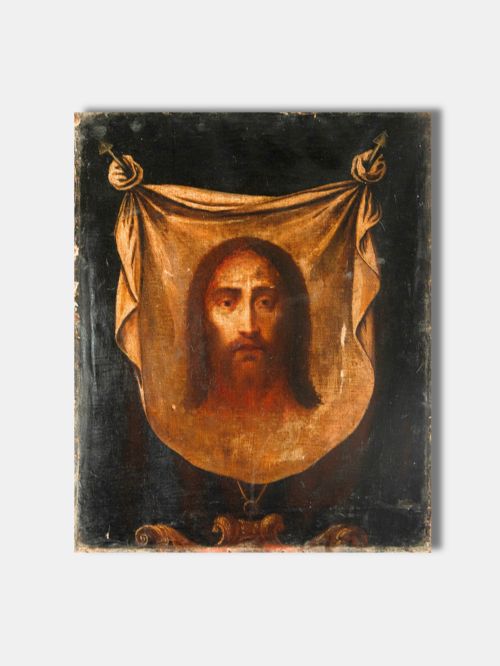
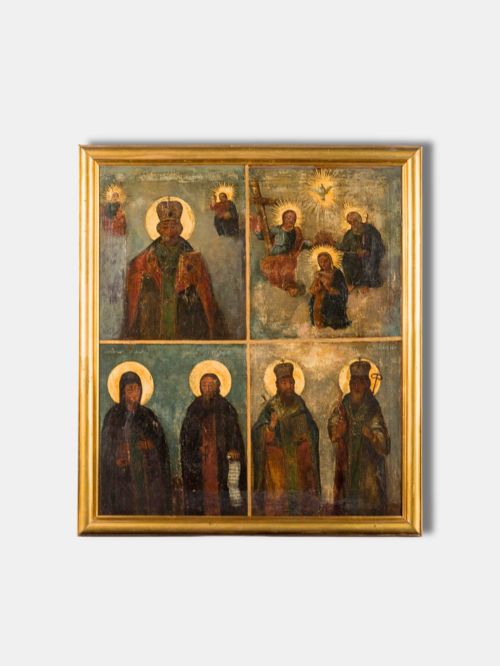
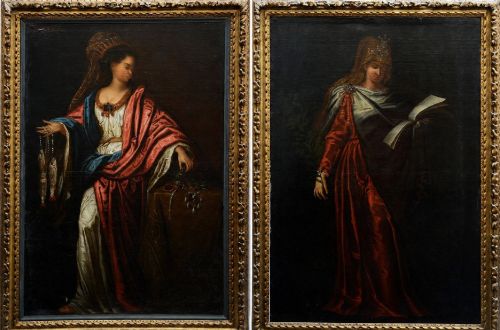
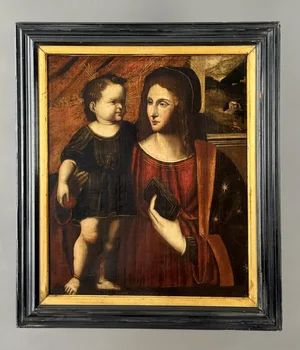
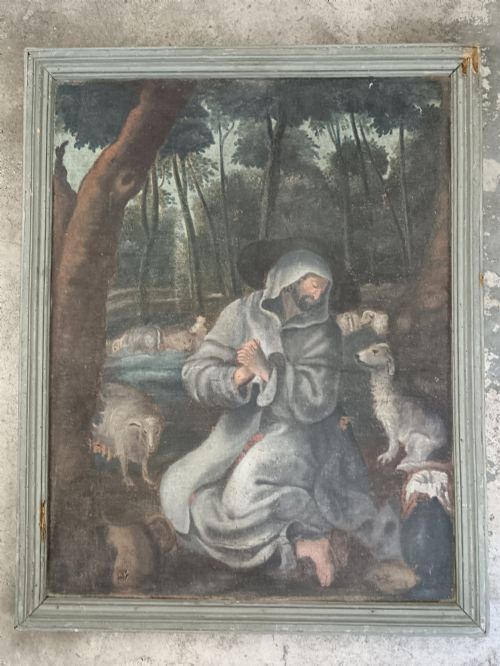
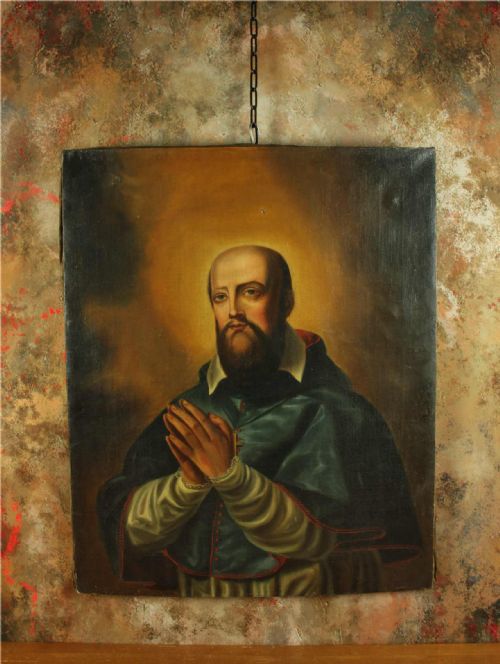
Buyers frequently encounter seventeenth and eighteenth-century old master compositions alongside nineteenth-century revival pieces and Russian icons utilising tempera and gold leaf. These works range from monumental altarpieces to intimate devotional panels intended for private prayer.
Regional European schools dominate the selection, showing distinct stylistic traits from Venetian, Genoese, and Madrid traditions. Subjects focus heavily on the Holy Family, Mary Magdalene, and key figures from Catholic and Protestant history.
Materials and construction methods
Artists painted primarily with oil on woven canvas supports, occasionally incorporating tempera and gold leaf for traditional iconography and luminous highlights. Grounds were applied to prepare the fabric before pigments bound in oil were layered to build depth and shadow.
Surviving works are frequently housed in period frames constructed from wood and carved giltwood, which complement the scale and theological gravity of the paintings. Structural support relies on wooden stretchers that hold the canvas taut across centuries of display.
Materials documented across the inventory include oil, tempera, gold leaf, canvas, wood, and carved giltwood frames.
Factors determining quality
Quality rests upon the skill of the brushwork, the anatomical accuracy of the figures, and the expressive depth captured in the faces of saints and biblical subjects. Works by recognised circles or workshops of master painters display superior draughtsmanship compared to simpler provincial or naive student copies.
The preservation of the original paint layer dictates the integrity of the piece, particularly where subtle glazes and pentimenti reveal the artist's working process. The harmony between the canvas and its period carved giltwood frame further influences the standing of the work.
Miguel Barroso·Francesco Solimena·Gaspar de Figueroa·Juan Ruiz Soriano
The Antique Religious Canvas Glossary
- Pentimento
- An alteration in a painting evidenced by visible traces of previous brushstrokes beneath the final layer. This occurrence shows the artist changing their composition during the creative process.
- Tempera
- A permanent, fast-drying painting medium consisting of coloured pigments mixed with a water-binder such as egg yolk. It provides a flat, matte surface often found on early icons.
- Giltwood
- Wood that has been coated with a thin layer of gold leaf or powder. It frequently surrounds canvas paintings within ornate, carved frames.
- Old Master
- A European artist of high skill working before about eighteen hundred. The term also designates a painting produced by such an artist.
Antique Religious Canvas: Frequently Asked Questions
How do I date an old religious painting?
Dating relies on stylistic clues, costume details, canvas preparation, and the construction methods of the wooden stretcher or frame.
Comparison with documented works by known regional schools helps narrow the decade or century of origin.
Where were these devotional canvases displayed?
These works hung in churches, private chapels, and domestic residential spaces for daily prayer and contemplation.
Larger monumental canvases served ecclesiastical interiors, while smaller formats suited private chambers.
What is the difference between an original and an after work?
An original composition stems directly from the primary artist's invention, whereas an after work reproduces a famous composition by a master.
Followers and workshops frequently painted these faithful copies to meet the demand for revered religious imagery.
How should I care for an antique canvas?
Keep paintings away from direct sunlight, high humidity, and rapid temperature fluctuations that threaten the stability of the canvas and paint.
Dust the surface gently with a soft, dry brush and consult a professional conservator for cleaning.