

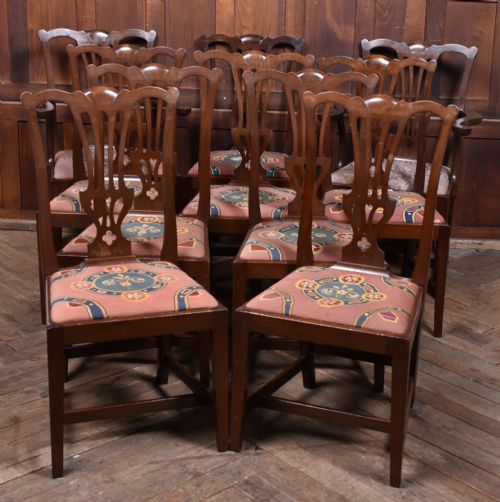


Antique Regional Furniture
Antique regional furniture brings vernacular character into a room through local timbers and traditional forms made outside major urban centres.
Antique Regional Furniture
Antique regional furniture comprises utilitarian and domestic pieces made in specific provinces, valleys and islands using locally sourced materials and time-honoured methods. These objects reflect the geography and domestic needs of their makers, from Welsh tridarns to Thames Valley Windsor chairs.
The pieces on this page span the seventeenth century through to the early twentieth century, taking the form of dressers, cupboards, coffers, armchairs and chests. Oak, fruitwood, yew and elm dominate the selection, shaped by regional hands in places like Snowdonia, Lancashire and the Channel Islands.
Buyers encountering this selection meet sturdy country furniture built for everyday use rather than formal London drawing rooms. Local vernacular traditions dictate the construction details, giving each piece a distinct geographical identity.
Assessing quality and authenticity
Quality in antique regional furniture rests on the integrity of the timber, the retention of original surface patination, and the proportion of the form. Pieces that retain their early pegging, original backs and untouched timber surfaces hold greater authenticity.
Regional distinctiveness also plays a role in distinction, where strong local vernacular traits and documented origins elevate a piece. Master execution in challenging timbers like burr yew or intricate panel inlay separates standard utility items from exceptional workshop examples.
Listings feature regional furniture spanning the seventeenth to the early twentieth century, constructed from oak, elm, yew, ash and fruitwood.
Wheelers of Arncroach·Gabbitass of Worksop·John Moss Worksop
The Antique Regional Furniture Glossary
- Tridarn
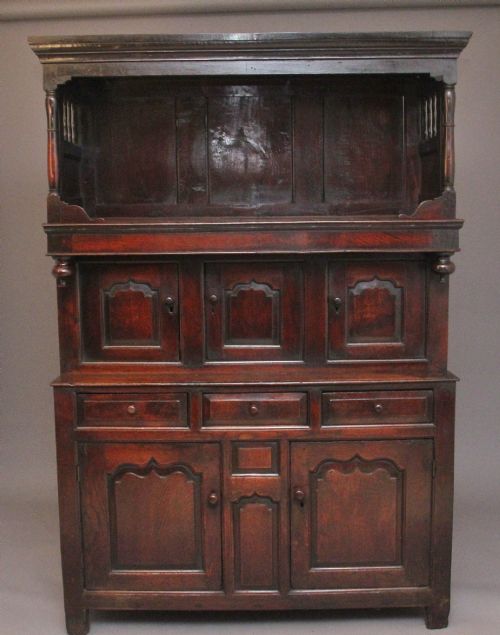
- A three-tier Welsh cupboard consisting of an open or enclosed top section, a middle section with cupboards or drop panels, and a lower base of drawers or cupboards. It represents one of the most ambitious forms of regional Welsh cabinetry.
- Lambing chair
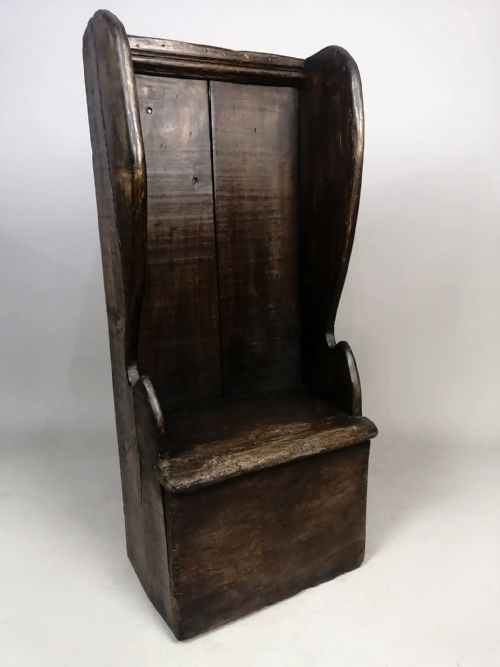
- An enclosed wooden armchair designed with solid wings and a low seat, historically used beside farmhouse hearths to shield the occupant from drafts. Many examples include a enclosed box base or drawer beneath the seat.
- Windsor chair
- A wooden chair constructed with a solid shaped seat into which separate legs and spindles are wedged, often featuring a bentwood bow or comb back. Regional variations include Thames Valley and Worksop types.
- Potboard dresser
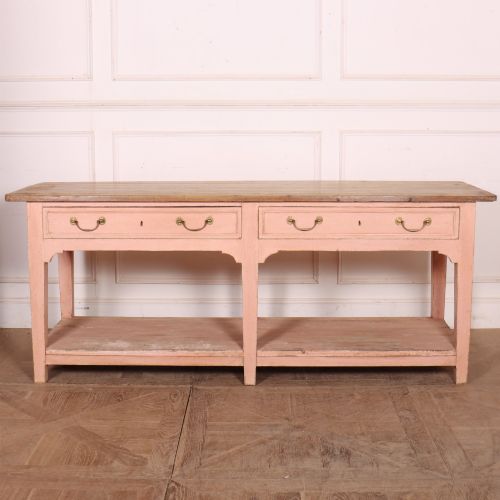
- A Welsh or regional dresser base featuring an open lower board or shelf positioned above the floor, traditionally used for storing pots and pans. This form is characteristic of nineteenth-century farmhouse kitchens.
- Coffer
- A heavy wooden chest constructed with plank or panel walls, utilised for storing textiles, documents and valuables before the widespread use of wardrobes. Early examples often employ oak with carved or inlaid panels.
Antique Regional Furniture: Frequently Asked Questions
What defines regional furniture?
Regional furniture refers to domestic objects made outside metropolitan centres by local cabinetmakers and joiners. These pieces utilise native timbers and traditional vernacular designs specific to their geographical area.
Such items include Welsh tridarns, Lancashire spindleback chairs and Thames Valley Windsor armchairs, each displaying construction methods tied to local trade practices.
How do I identify oak age?
Early oak furniture from the seventeenth century displays wide grain patterns, hand-split boards and pegged joinery without modern metal screws. Tool marks left by adzes and pit saws provide clues to the period of manufacture.
Surface patination develops over centuries through handling and wax polishing, giving older timber a deep, soft sheen that modern reproductions cannot replicate.
Where were Windsor chairs made?
Windsor chairs were produced across various English regions, with notable production centres in the Thames Valley and Nottinghamshire towns like Worksop. Each area developed distinct design characteristics, such as specific hoop shapes and leg turnings.
Makers selected local woods like yew, ash, elm and fruitwood, combining them to provide structural strength and flexible comfort in the seat and back.
How were dressers used?
Farmhouse dressers served as primary storage and display units in domestic kitchens for ceramics, pewter and cookware. The upper shelves held plates while the base cupboards and drawers stored linens and dry goods.
Potboard versions included a low open shelf near the floor for heavy pots, reflecting the practical requirements of rural domestic life.