
Antique Red Velvet Seating
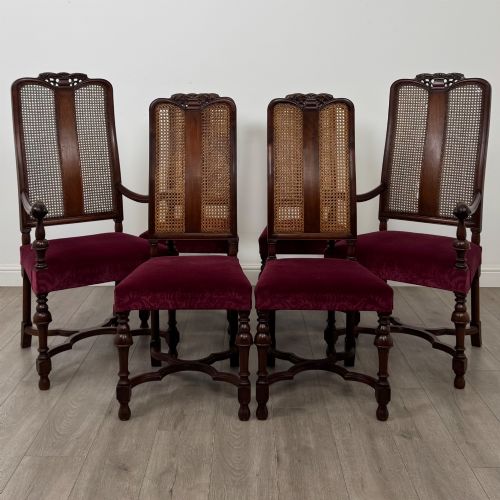
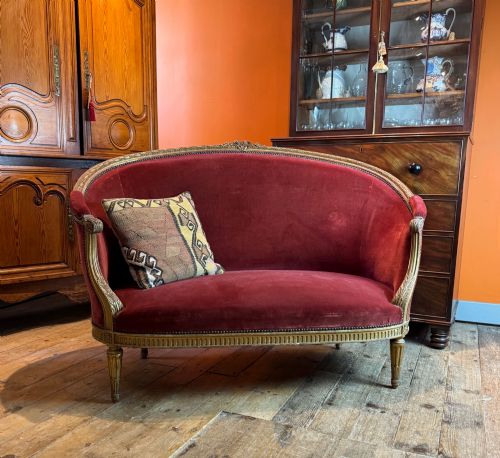
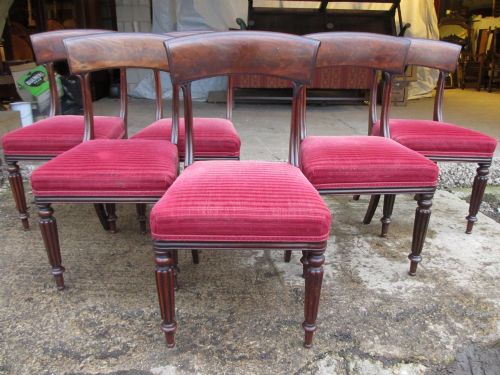
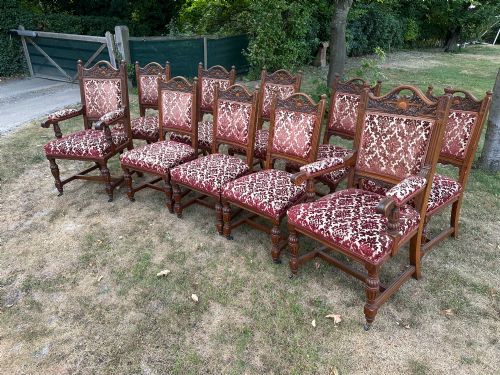
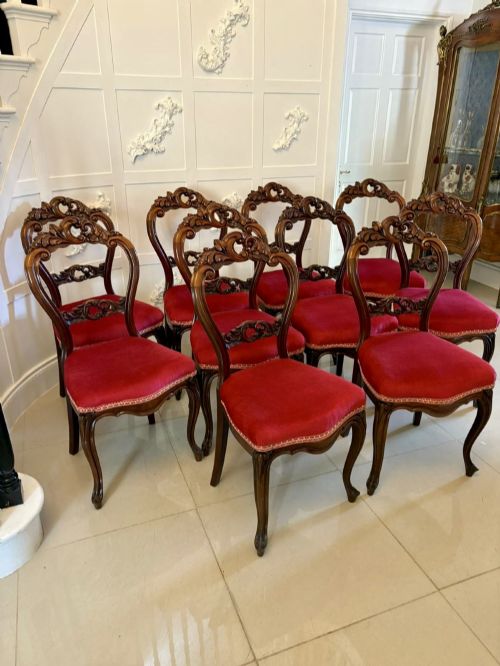
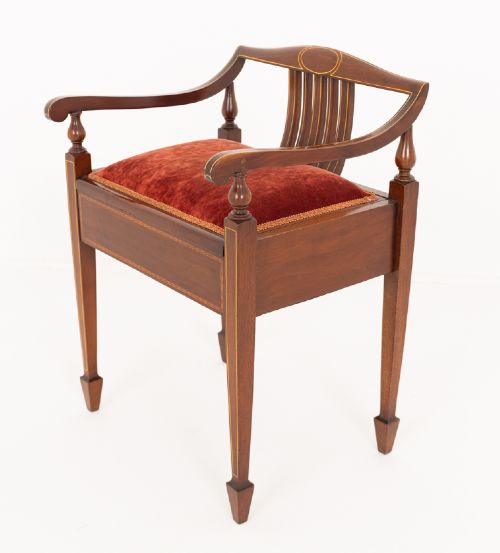
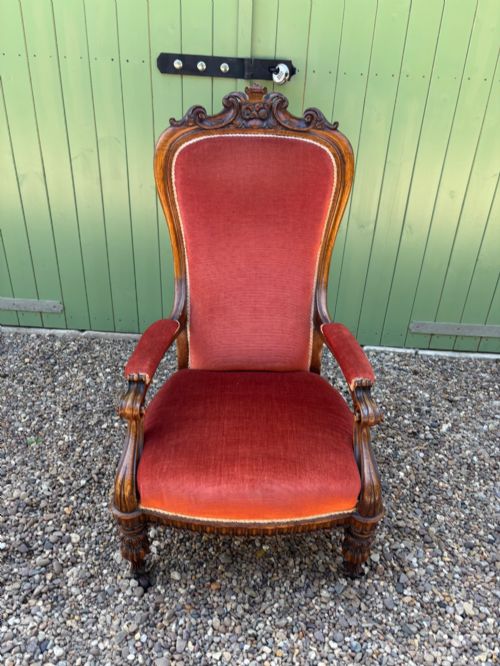
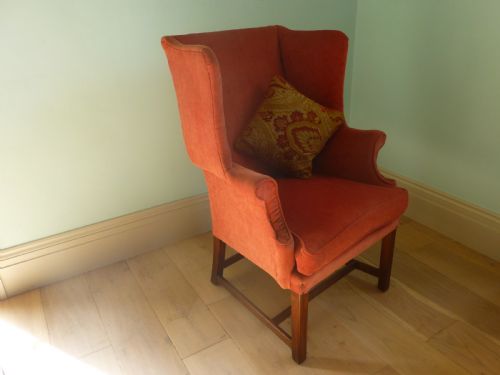
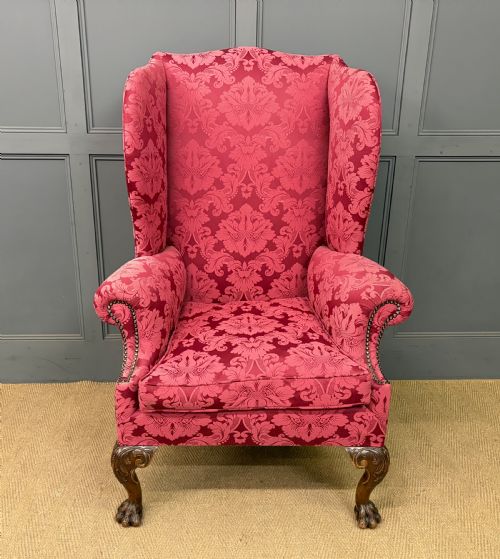
Antique red velvet seating covers a range of upholstered dining chairs, armchairs, and sofas executed in mahogany, walnut, and giltwood.
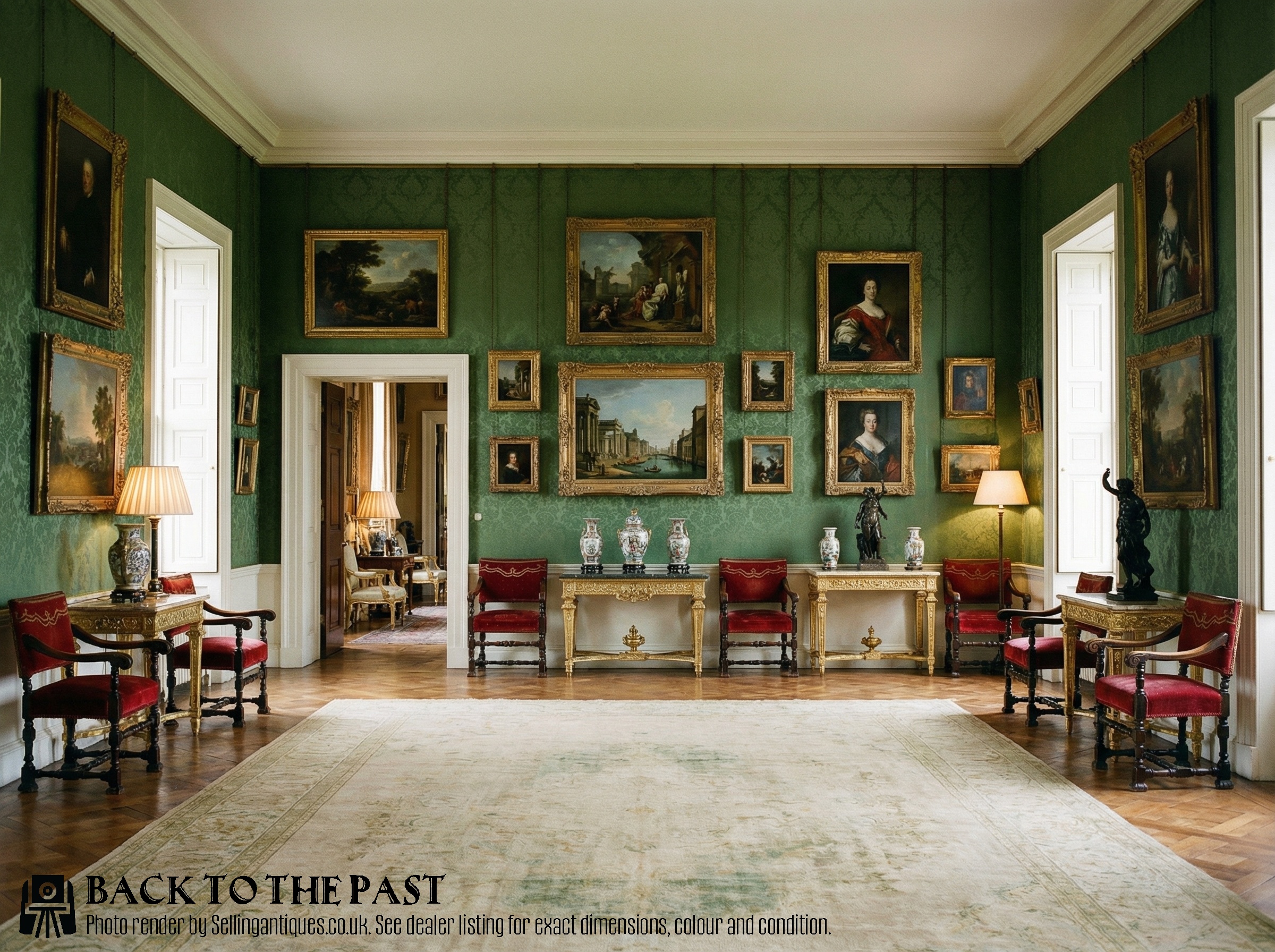
Antique Red Velvet Seating
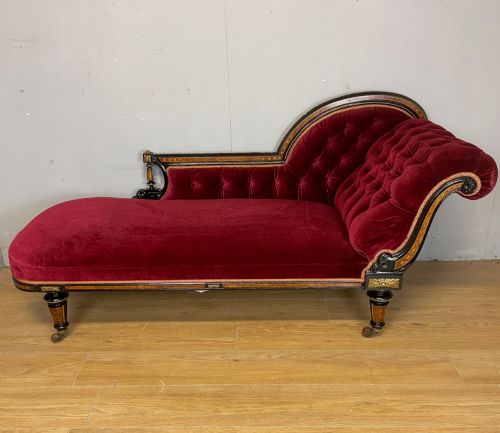
Antique red velvet seating encompasses diverse forms from dining chairs and side chairs to armchairs, sofas, and chaise longues. These pieces emerge from periods spanning the eighteenth century through the Victorian and Edwardian eras into the nineteen-thirties.
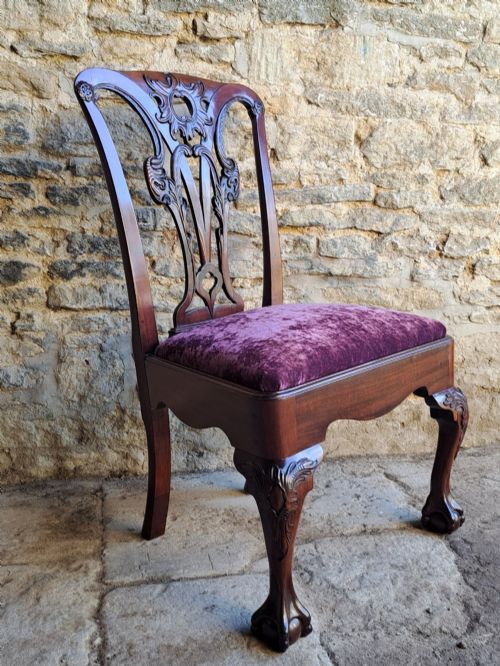
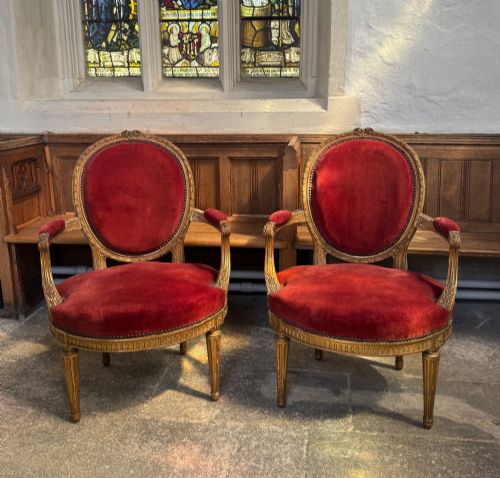
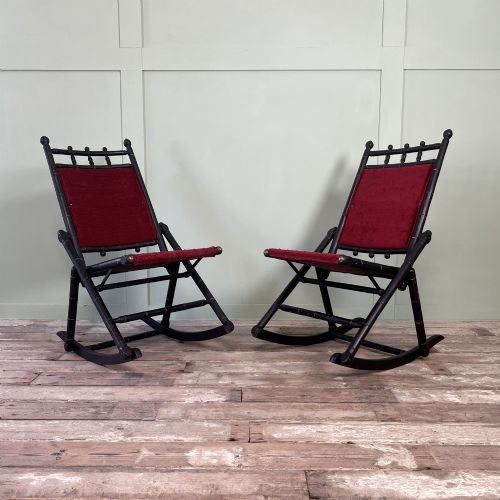
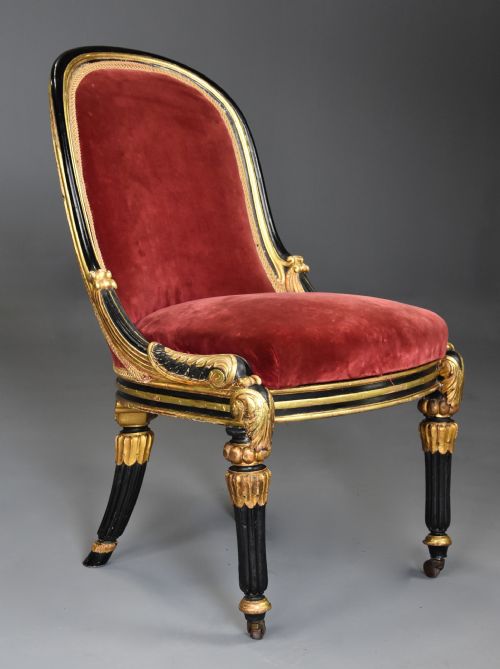
French influence surfaces through giltwood armchairs and corbeille sofas styled in the Louis XVI and Baroque manners. English pieces demonstrate Sheraton Revival, Aesthetic Movement, and Chippendale style influences across oak, walnut, and ebonised woods.
Materials and construction methods
Makers utilised dense hardwoods including mahogany, walnut, rosewood, and oak for structural frames, sometimes applying ebonised finishes, ormolu decoration, and giltwood. Velvet, fabric, and chenille twill served as the primary upholstery textiles.
Cabinetmakers and joiners constructed frames using traditional jointing methods, incorporating carved details, inlaid panels, and cane work. Upholsterers secured textile coverings over sprung or padded seats and backs.
Listings feature mahogany, walnut, oak, rosewood, and giltwood combined with velvet, fabric, and chenille twill.
Assessing craftsmanship and condition
Quality reveals itself in the precision of the timber carving, the choice of dense grain hardwoods, and the integrity of the frame construction. Sets maintain higher value when uniform in timber selection and decorative detail.
The refinement of secondary elements such as ormolu mounts, inlaid wood panels, and original upholstery materials distinguishes superior examples from standard production.
James Shoolbred·Hallett And Sons·Gillows·Holland And Sons
The Antique Red Velvet Seating Glossary
- Giltwood
- Wood carved and coated with gold leaf or thin gold paint. This finish appears frequently on nineteenth-century French armchairs and sofas.
- Ebonised
- Wood treated with a dark finish to imitate ebony. This technique surfaces on nineteenth-century chairs and chaise longues.
- Ormolu
- Gilded bronze ornamentation applied to furniture frames. It decorates nineteenth-century pieces alongside inlaid walnut panels.
- Fauteuil
- An open-armed upholstered armchair with wooden arm rests. These French seats date from the nineteenth century in Louis XVI style.
- Bergere
- An enclosed upholstered armchair with exposed wooden framing and cane work. Examples include child's chairs from the nineteenth century.
Antique Red Velvet Seating: Frequently Asked Questions
How do I date antique seating?
Dating relies upon stylistic markers, timber types, and construction methods associated with specific historical periods like the Georgian or Victorian eras.
Examining secondary woods and joinery details helps narrow the decade of manufacture.
Are dining chairs sold individually?
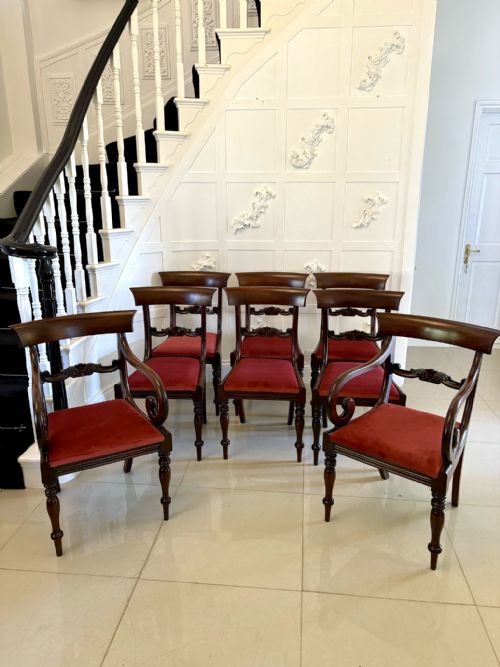
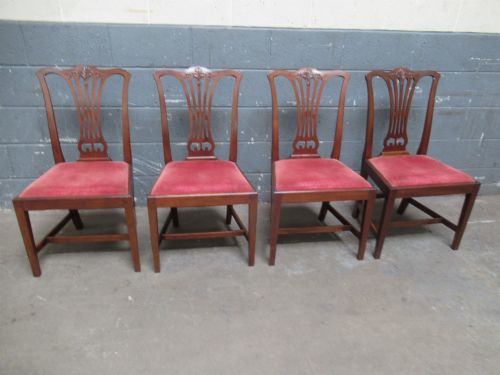
Dining chairs appear both as single pieces and in matched sets numbering from four to twelve items.
Larger sets originate mostly from the Georgian, William IV, and Victorian periods.
What wood types are most common?
Mahogany, walnut, and oak dominate the framing materials across these listings, supplemented by rosewood and giltwood.
Lighter accents involve ebonised wood and inlaid walnut panels.