




Antique Red Runner Carpet
An antique red runner carpet brings warmth and history to a long hallway, offering durable wool construction and rich traditional patterns.
Antique Red Runner Carpet
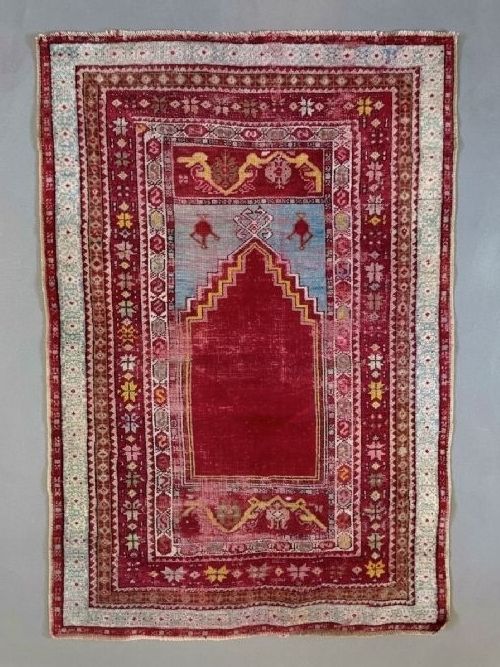
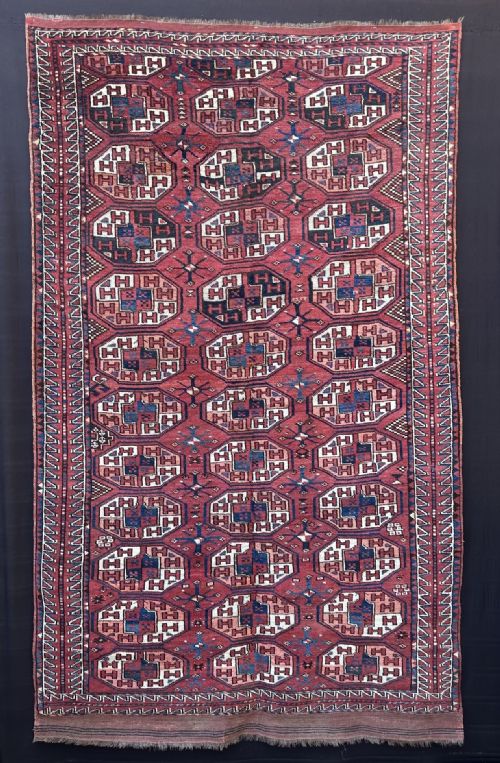
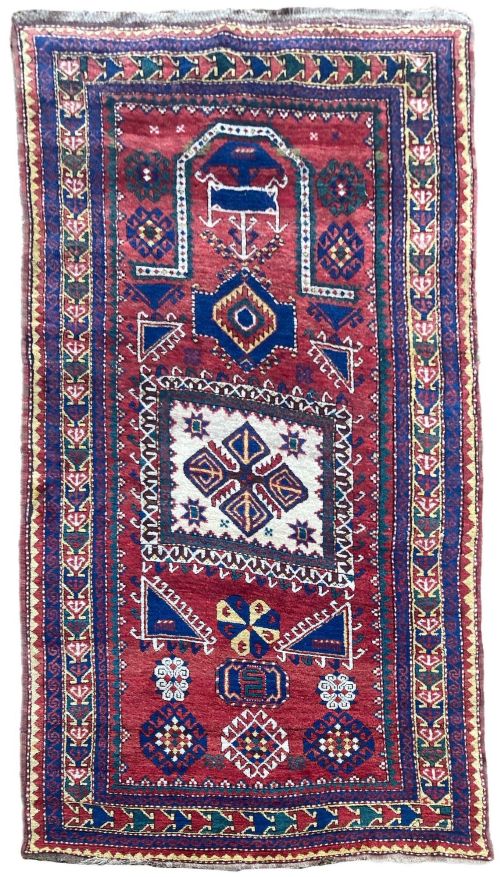
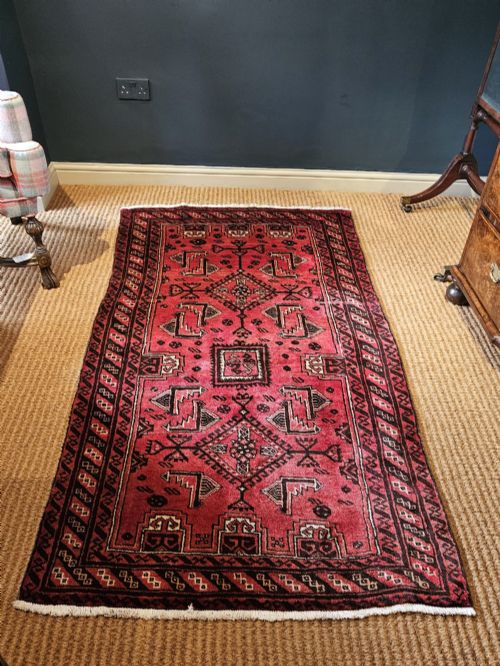
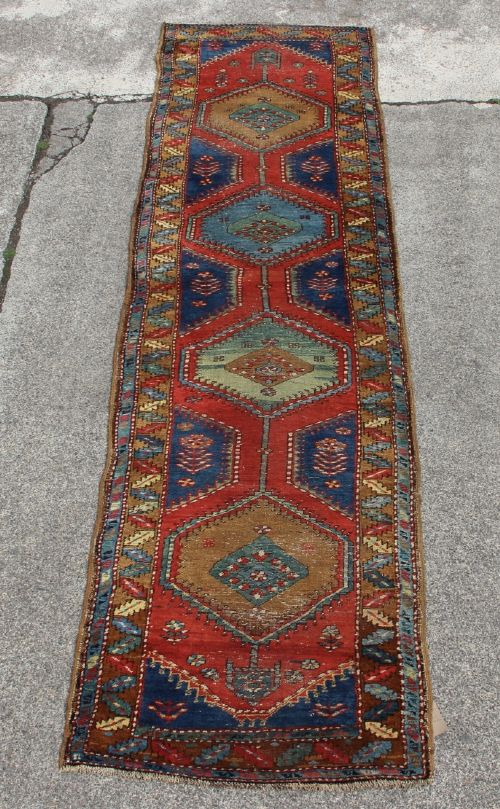
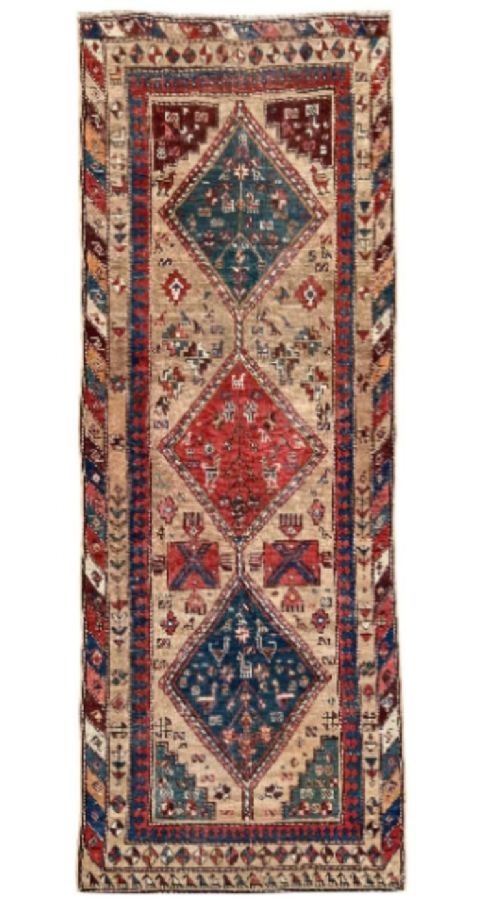
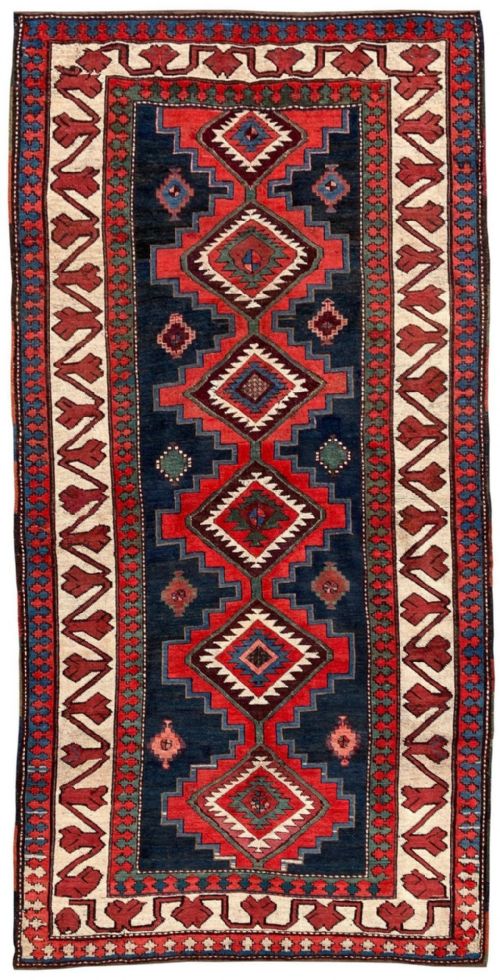
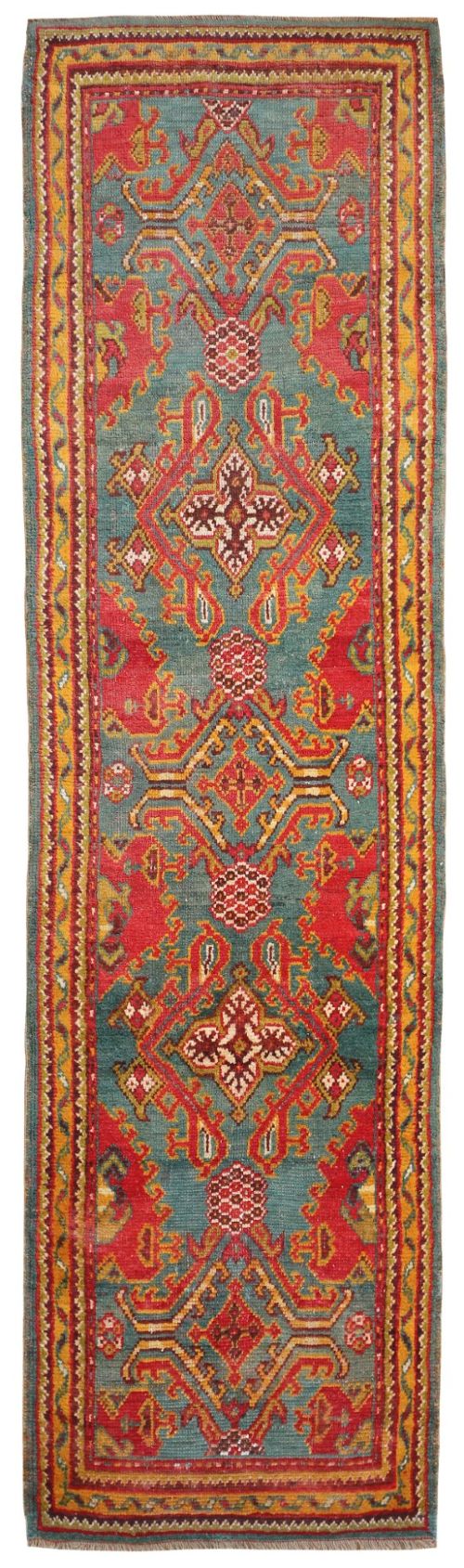
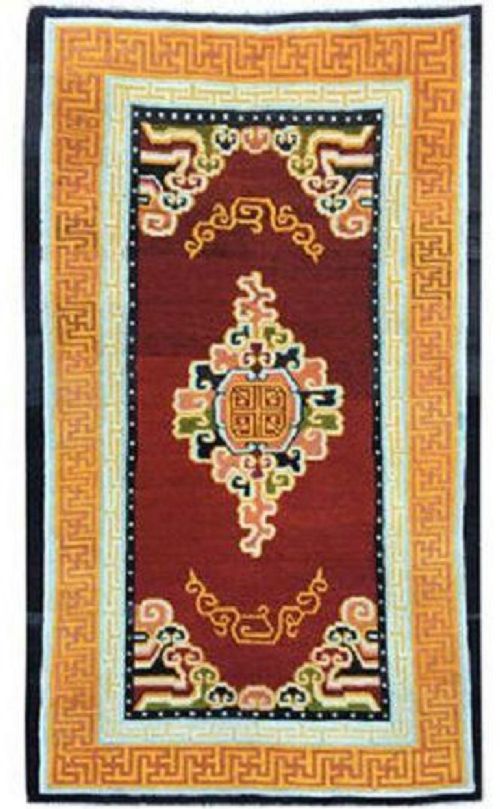
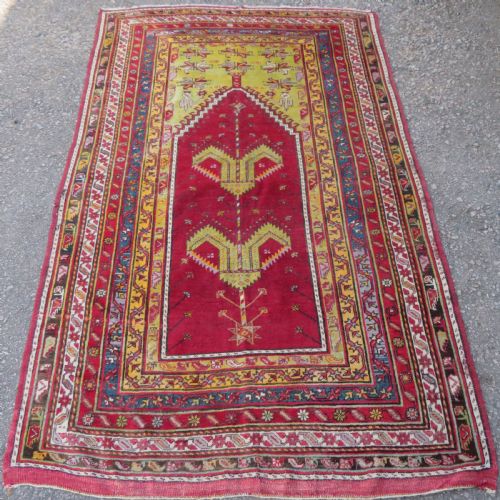
When searching for an antique red runner carpet, collectors find long, narrow floor coverings designed specifically for corridors, hallways, and staircases. These pieces originate from various weaving traditions across Persia, the Caucasus, Anatolia, and Central Asia.
The selections available here span from the late nineteenth century into the early decades of the twentieth century, showcasing tribal and village patterns. Common regional types include Heriz, Hamadan, Kazak, and Baluch examples that utilise striking red and rust ground colours.
Materials and construction
Weavers constructed these long carpets predominantly using wool for the pile, foundation, and warps, occasionally incorporating cotton for structural stability. Pure wool fibres provide the resilience necessary to withstand heavy foot traffic in narrow spaces over generations.
Traditional hand-knotting techniques secure the pile to the foundation threads, allowing intricate geometric and floral designs to emerge clearly. Natural dyes derived from local plants and minerals create the deep red tones that define these textiles.
Listings feature pieces spanning the late nineteenth century through to the 1930s, utilising pure wool and cotton materials.
Factors of quality
Knot density and structural tightness dictate the durability and crispness of the design within each runner. Tighter knotting allows complex medallions and geometric motifs to maintain their geometric integrity over decades of use.
The depth and vibrancy of the natural dye palette separate standard village production from finer workshop pieces. Better examples display subtle variations in shade known as abrash, which add visual depth to the red field.
The Antique Red Runner Carpet Glossary
- Runner
- A long, narrow carpet format traditionally utilised in hallways, corridors, and narrow passageways. Its elongated proportions guide movement through domestic spaces.
- Abrash
- Natural variations in wool colour caused by distinct dye lots or batches of yarn. This tonal shift appears as horizontal bands of subtle shading across the carpet.
- Mihrab
- A niche design motif found on prayer rugs, representing the direction of prayer. This architectural form often frames the central field of the textile.
- Pile
- The upright yarn loops that form the tactile surface of the carpet. Weavers clip these wool ends evenly to reveal the woven pattern beneath.
Antique Red Runner Carpet: Frequently Asked Questions
Where should I place an antique runner?
These narrow formats suit hallways, corridors, landings, and entryways where their length can guide movement through a home. They protect wooden flooring while adding significant decorative presence to transitional spaces.
Ensure you use a suitable underlay beneath the wool pile to prevent slipping and reduce wear from underlying floorboards.
How do I care for wool carpets?
Gentle, regular suction vacuuming without a rotating brush roll helps remove embedded dirt from the wool pile. Avoid beating the textile or using harsh chemical cleaners that can damage natural dyes.
Professional specialist cleaning is recommended every few years to preserve the integrity of the natural fibres and foundational structure.
What causes colour variation in the wool?
Natural dye batches often shift slightly in hue during preparation, creating organic tonal changes known as abrash across the rug field. Hand-spun wool absorbs these plant-based dyes unevenly, which contributes to the authentic character of older pieces.
These subtle shifts distinguish traditional natural dyeing methods from uniform modern chemical processes.
How can I tell the origin of a rug?
Regional weaving characteristics, specific border motifs, and knotting structures help attribute pieces to areas such as Persia, the Caucasus, or Anatolia. Tribal groups often employed distinct geometric vocabularies unique to their specific community.
Comparing the wool quality, palette, and structural foundation against documented regional types clarifies provenance.