
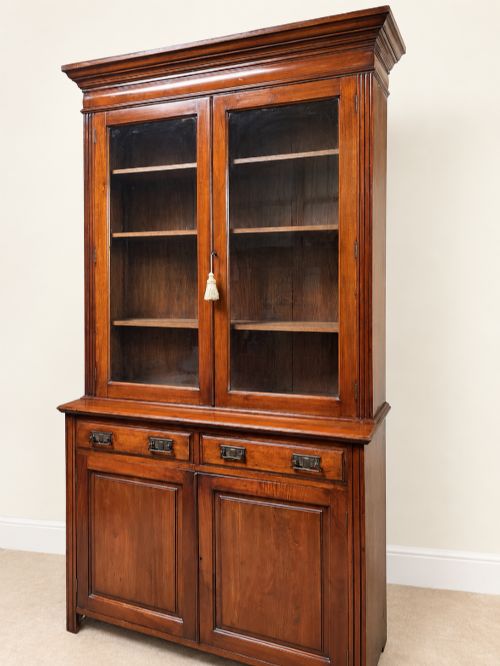
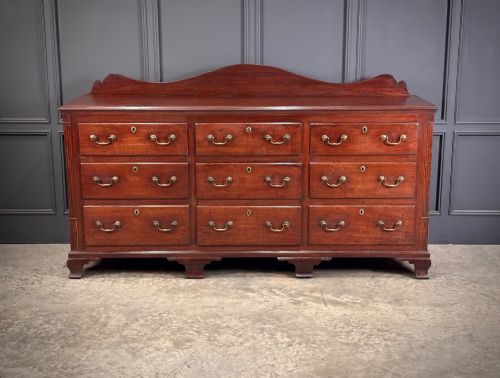
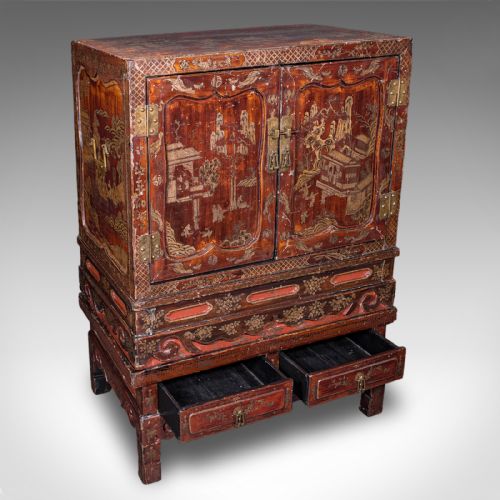
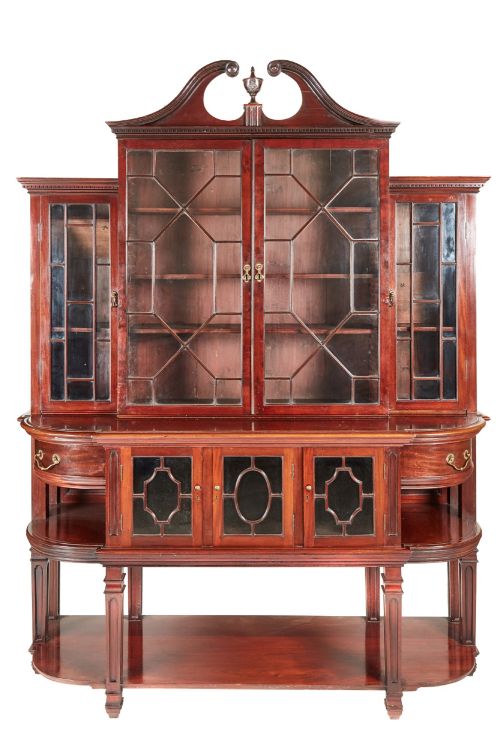
Antique Red Cabinet
An antique red cabinet brings rich colour and striking surface art into a room, spanning traditional Chinese lacquerwork and European Chinoiserie styles.
Antique Red Cabinet
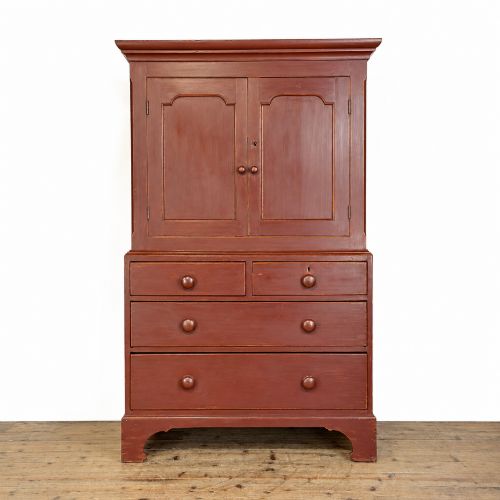
When searching for an antique red cabinet, collectors encounter a diverse range of storage forms extending from large wedding cabinets to smaller tabletop cupboards.
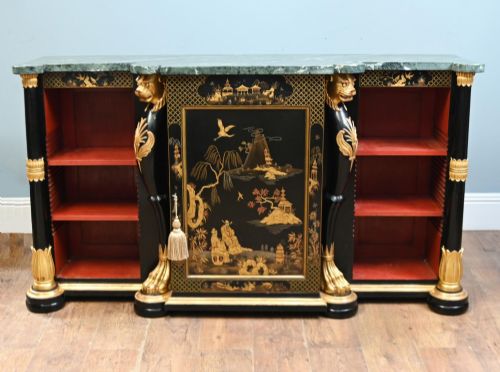
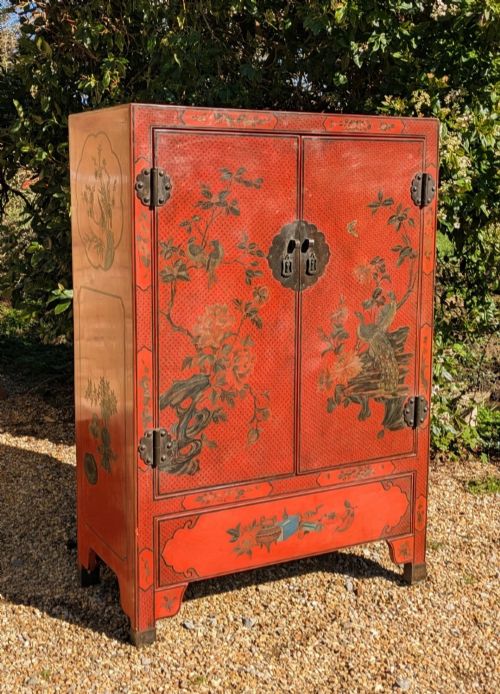
The selections feature prominent examples of Chinese red lacquered marriage and wedding cabinets alongside British and European Chinoiserie pieces from the eighteenth, nineteenth, and early twentieth centuries.
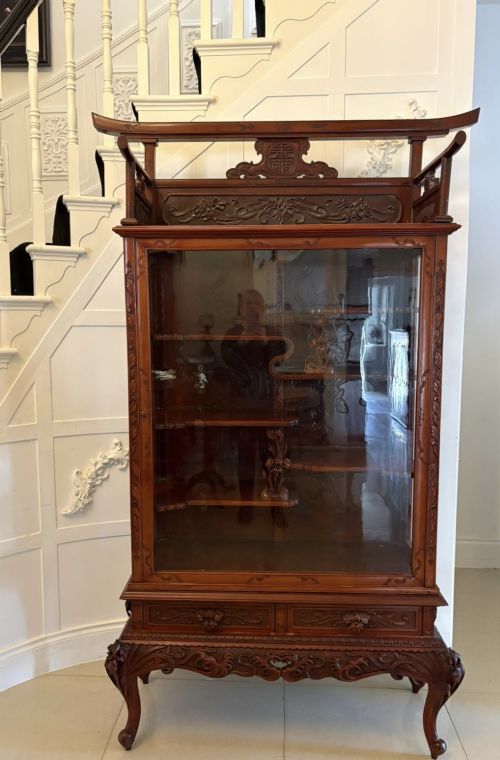
Beyond traditional two-door storage cupboards, the selection encompasses specialised display cabinets, sideboards, and bureaus utilising painted and lacquered finishes.
Materials and construction
Construction relies heavily on traditional hardwoods such as mahogany, walnut, and pine, serving as a stable foundation for decorative surface treatments.
The distinctive red aesthetic is achieved through layers of lacquer, polychrome paint, or specialised Japanning techniques applied to wood substrates.
Many items incorporate brass hardware, glass panels, and intricate hand-painted floral or figural motifs executed by skilled artisans.
Recorded forms include wedding cabinets, bookcases, bureaus, and washstands across various European and Asian styles.
Factors of quality
Quality rests significantly on the depth, condition, and complexity of the lacquered or painted surface decoration.
The integrity of the underlying timber construction, original hardware, and joinery methods dictate the structural standard of each piece.
Gillows of Lancaster·Globe Wernicke·George Edmund Street·Shoolbred
The Antique Red Cabinet Glossary
- Chinoiserie
- European artistic interpretations of Chinese and East Asian artistic traditions, popular in furniture decoration. This style frequently employs hand-painted motifs on lacquered surfaces.
- Lacquer
- A durable varnish made from natural resin applied in numerous thin coats to wooden furniture. It creates a smooth, lustrous surface capable of holding intricate pigments.
- Marriage Cabinet
- A large traditional Chinese storage piece often given to newlyweds to store clothing and valuables. They typically display bold red finishes and elaborate brass lock plates.
- Japanning
- A European imitation of East Asian lacquerwork developed during the seventeenth century. Craftsmen used heat-cured varnishes and gilt dust to replicate oriental finishes.
Antique Red Cabinet: Frequently Asked Questions
How are antique red cabinets cleaned?
Dust surfaces gently with a soft, dry cloth to protect delicate lacquered or painted finishes. Avoid modern chemical sprays and moisture.
Professional wax or specialised polish formulated for antique wood can be applied sparingly to maintain the protective coating without harming the pigment.
Where should a red lacquer cabinet be placed?
Position these striking pieces away from direct sunlight and strong heat sources to prevent the wood and lacquer from drying out or cracking.
Stable indoor humidity levels help preserve the integrity of both the timber frame and the traditional surface decorations.
How do I identify Chinese export lacquer?
Examine the base wood beneath the red finish, as Asian pieces frequently utilise local timber species distinct from European cabinet woods. Look for hand-mixed pigments and traditional joinery methods.
Craquelure and minor surface wear often indicate age, showing how the natural resin has hardened and settled over decades.
What is the difference between Chinese and European red cabinets?
Authentic Chinese pieces, such as marriage cabinets, feature traditional construction with internal wooden hinges and distinctive brass pin locks. They focus on auspicious symbols and floral scenes.
European Chinoiserie and Japanned pieces typically utilise Western furniture forms like secretaries, vitrines, or bookcases adapted with imported or imitated Asian motifs.