


Antique Red Bench
These pieces known as an antique red bench span centuries of craftsmanship, offering versatile seating finished in striking crimson tones that anchor a room.
Antique Red Bench
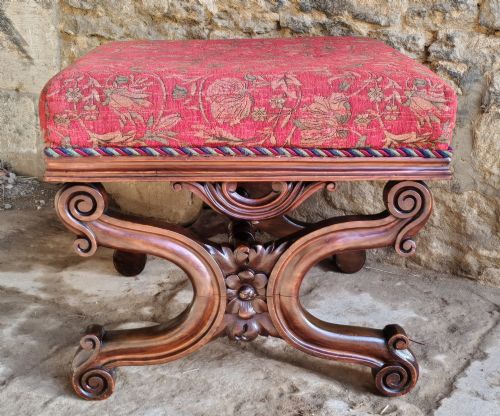
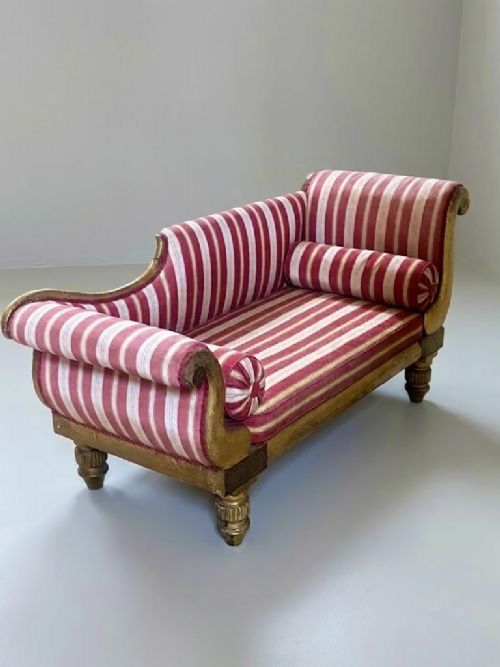
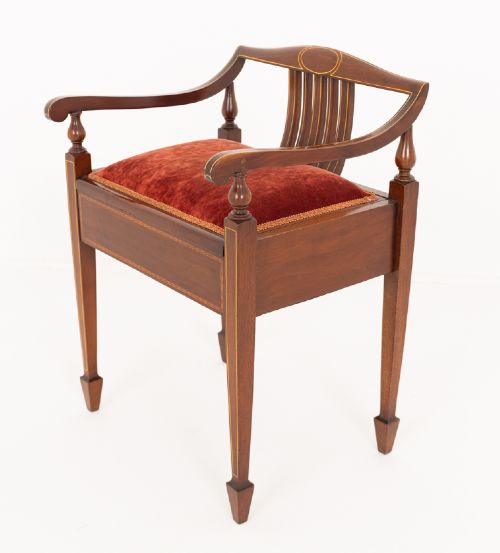
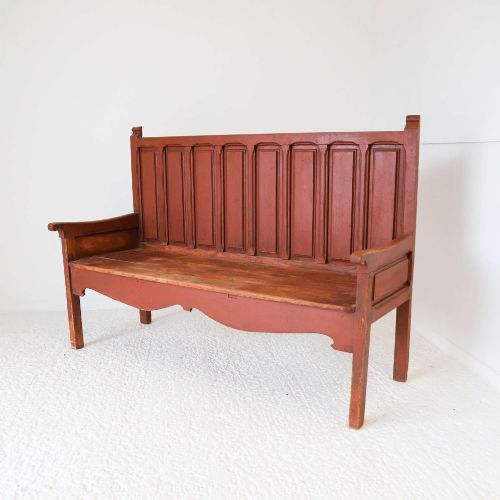
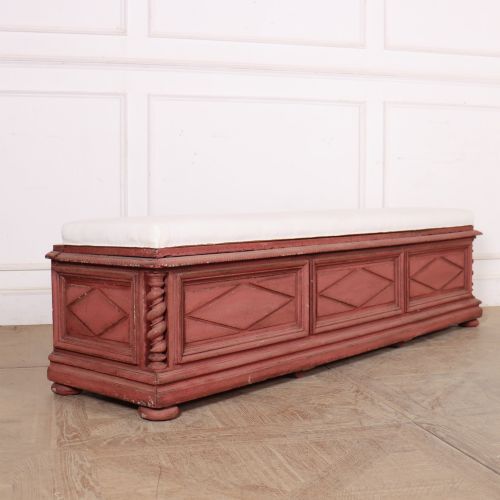
An antique red bench encompasses seating forms ranging from heavy wooden settles and window seats to upholstered footstools and long settees. When exploring this category, a buyer encounters examples originating from the eighteenth, nineteenth, and early twentieth centuries.
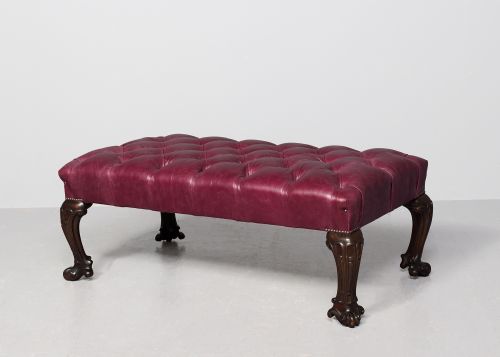
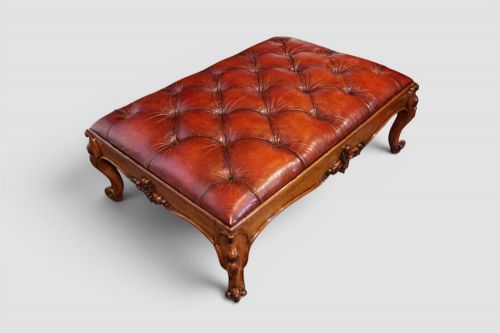
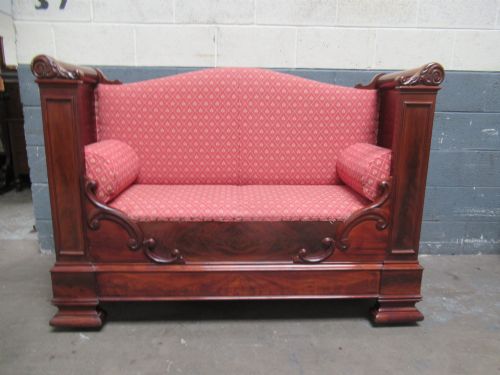
The specific red finish often appears through painted pine or Spanish settle frameworks, or rich crimson leather and damask upholstery. These seating solutions serve functional roles in hallways, at the foot of beds, or as living room accents.
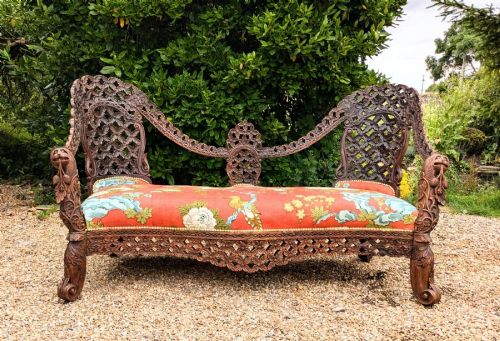
Makers and craftsmen across various periods utilised diverse regional styles, from Anglo-Indian and Spanish traditions to classic English Georgian and Victorian designs. Each piece reflects the domestic habits and interior tastes of its original era.
How they were made
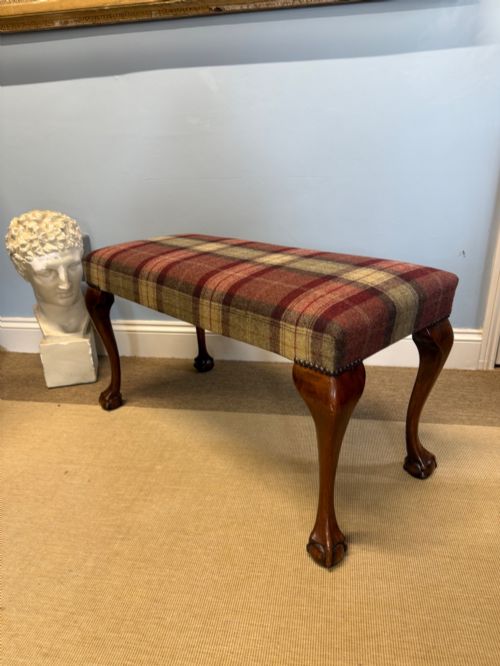
Construction relies heavily on traditional timbers such as mahogany, oak, walnut, and pine, shaped through carving, turning, and joinery. Frameworks often incorporate brass studs and structural elements like x-frames or cabriole legs.
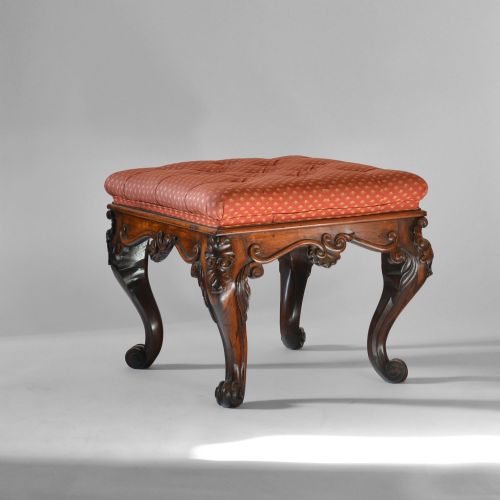
Surface finishes combine layered paintwork or lacquer with textile elements including silk, wool, velvet, damask, and hand-dyed leather. Upholstered variants employ traditional stuffing and buttoning techniques to secure the fabric over the wooden frame.
School benches once endured generations of restless students before finding retirement in domestic hallways as characterful antique seating.
What varies in quality
The degree of artistic refinement in the carved wood details and the integrity of the structural joinery separate standard examples from finer works. Master cabinetmakers achieved superior balance and proportion in elements like cabriole legs and frame mouldings.
The authenticity and preservation of the original surface finish, whether aged paint, lacquer, or period upholstery, heavily influence the overall standard of the object. High-grade materials, such as heavy mahogany or thick hand-dyed leather, demonstrate greater durability over centuries of use.
Hallett & Sons·James Shoolbred & Co·Awn Pugin·Baumann
The Antique Red Bench Glossary
- Settle
- A wooden bench with a high back, solid arms, and often a box base for storage. This form kept draughts away in older hallways.
- Window seat
- A long, narrow upholstered bench designed to fit into a bay window recess. These pieces frequently feature padded armrests.
- Club fender
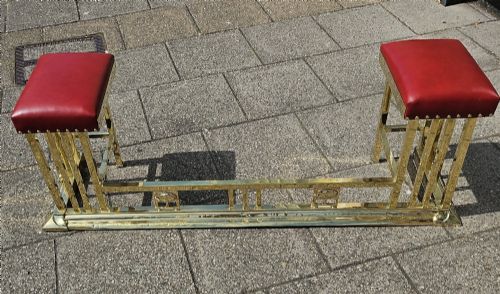
- A low, upholstered seat built around a fireplace hearth with a metal frame. It provided convenient fireside seating in Victorian homes.
- X-frame
- A structural furniture base formed by intersecting diagonal legs shaped like the letter X. This design appeared frequently during the Regency and Neoclassical periods.
- Damask
- A reversible figured fabric woven on a jacquard loom with patterns visible on both sides. It appears often as traditional upholstery material.
Antique Red Bench: Frequently Asked Questions
Where were these benches placed?
These seating pieces found placement in grand hallways, at the foot of bedroom beds, and alongside drawing room windows.
Larger wooden settles often stood near hearths to block cold draughts in older rural and country properties.
How do I identify the period?
Examining the timber choices, turning styles, and leg shapes helps determine the era of manufacture.
For instance, cabriole legs suggest earlier Georgian influences, while heavy buttoned leather points toward Victorian production.
What is a club fender?
A club fender is a low, metal-framed bench featuring upholstered top cushions designed to surround a fireplace hearth.
Victorian households used them to provide comfortable seating close to the fire during colder months.
Are these seats comfortable?
Upholstered variants featuring traditional padding, springs, or buttoned leather offer soft and supportive seating for daily use.
Plain wooden settles and benches rely on cushions added by the owner for softness during longer sitting periods.