
Antique Rectangular Table
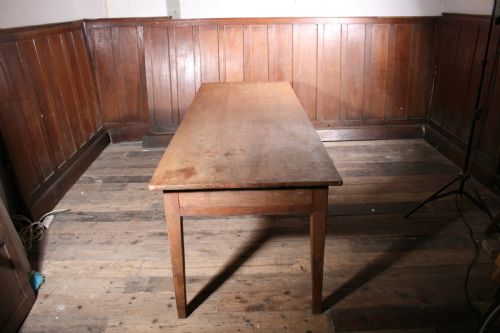
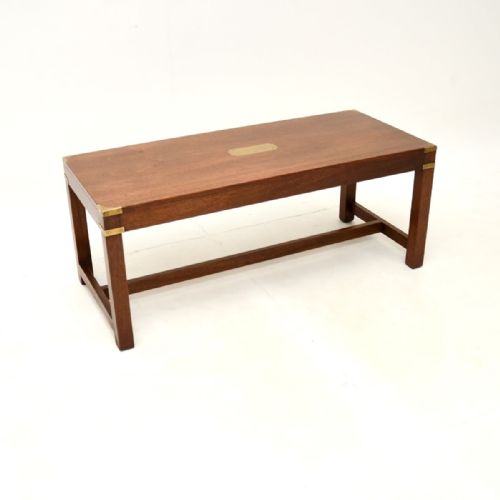
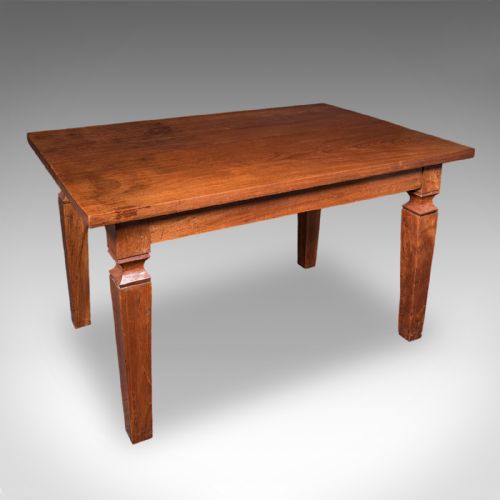
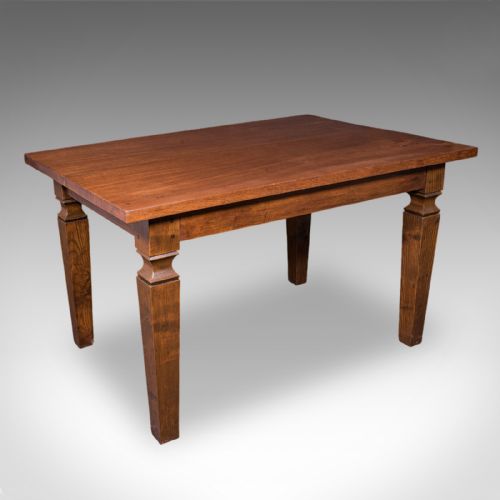
An antique rectangular table brings solid proportion and honest history into a room, spanning intimate tea stands to substantial dining timber.
Antique Rectangular Table
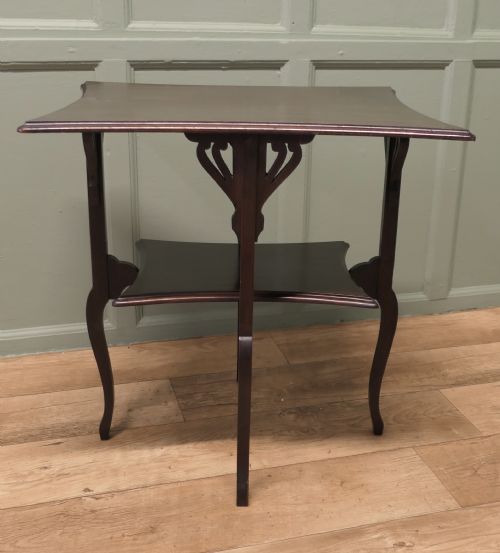
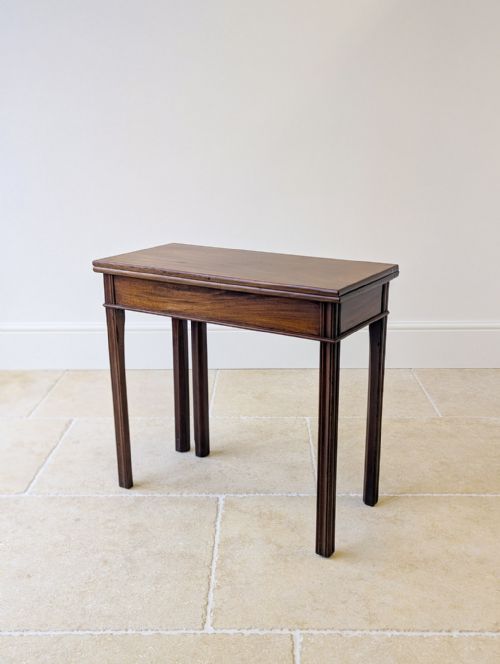
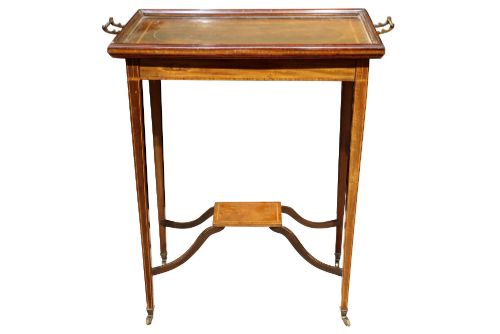
An antique rectangular table covers a remarkably broad range of domestic forms, from formal Georgian tea and fold-over tables to sturdy Victorian and Edwardian dining pieces, alongside smaller occasional and coffee formats.
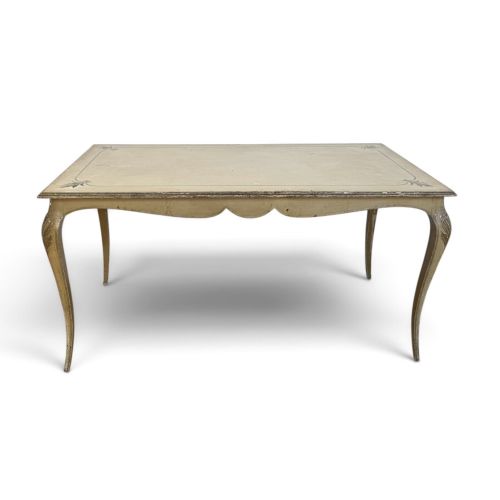
The selections encountered here stretch across the nineteenth and twentieth centuries, taking in Georgian elegance, Victorian utility, Edwardian warmth, and the cleaner lines of Art Deco design.
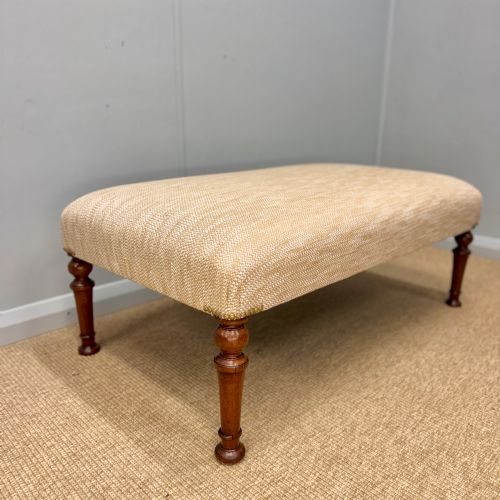
Buyers seeking an antique rectangular table will find formats suited to everyday dining, fireside seating, and central display, drawn from English workshops, French cafes, and wider continental traditions.
Materials and Construction
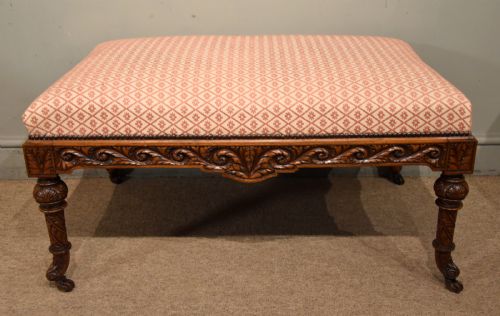
Cabinet makers relied heavily on timber species such as mahogany, walnut, rosewood, oak, and elm, often selecting them for grain pattern as well as structural strength.
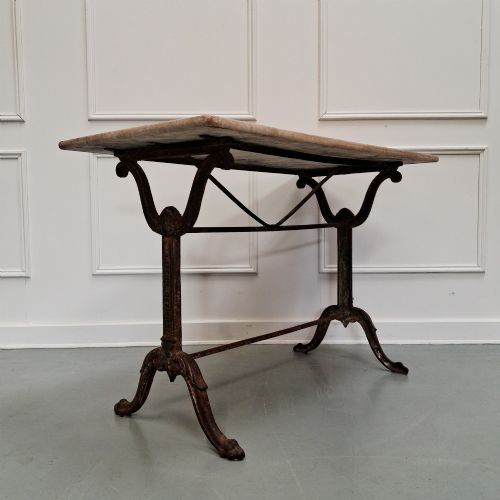
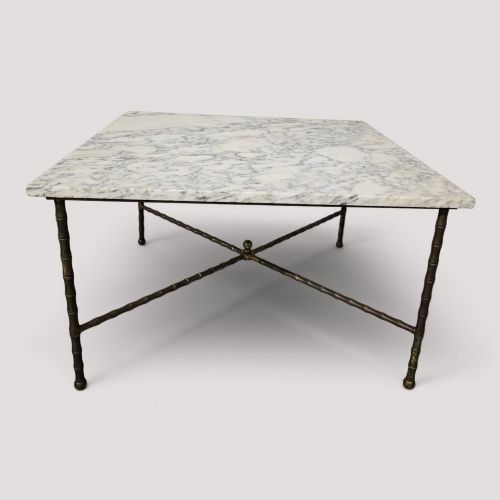
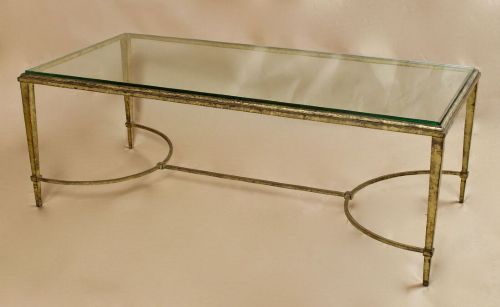
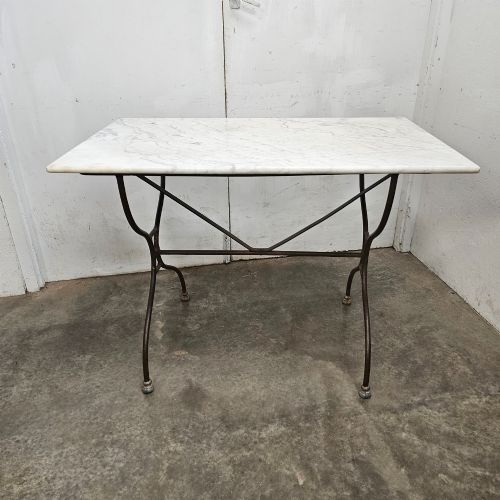
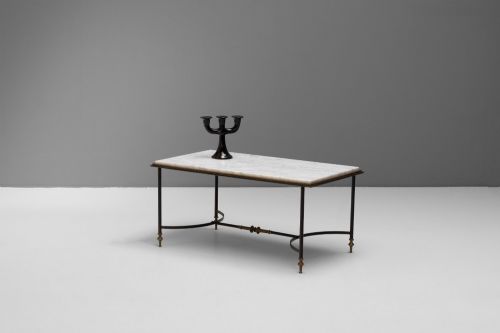
Many pieces incorporate specialist materials like inset marble tops, cast iron bases, brass fittings, and glass panels, reflecting the specific functional demands of dining, pub use, or display.
Joinery methods range from traditional hand-cut framing and tilt-top mechanisms to cast metal frames, ensuring durability across centuries of use.
Listings span the nineteenth and twentieth centuries, incorporating woods like mahogany, walnut, rosewood, and elm alongside cast iron and marble elements.
Craft and Character
Quality rests in the integrity of the timber selection, the crispness of any carved detail or inlay, and the stability of the original construction under daily domestic use.
Pieces that retain their original surface finish, whether polished mahogany or patinated pine, hold greater coherence than those altered by heavy modern intervention.
The distinction between a standard utility piece and a finer example lies in the balance of proportions and the refinement of subsidiary elements like brass mounts or turned supports.
Mappin And Webb·Maison Jansen·Carlton Ware·Hille
The Antique Rectangular Table Glossary
- Fold-over table
- A table with a hinged top that doubles the surface area when opened out. This design was particularly popular during the Georgian period for card games or tea service.
- Occasional table
- A small, movable table designed for specific, intermittent use in a reception room. These pieces appear frequently in Edwardian and Victorian listings.
- Centre table
- A freestanding table finished on all sides to stand independently in the middle of a room. They often feature prominent timber grain or marble inserts.
- Refectory table
- A long, narrow dining table historically used in communal halls. Edwardian examples adapt this sturdy architectural form for domestic dining.
- Tripod table
- A small circular or rectangular table supported by a single pillar resting on three legs. Many examples feature a tilting top mechanism for storage.
Antique Rectangular Table: Frequently Asked Questions
How do I choose the right size?
Measure your floor space carefully to allow adequate clearance around the edges for chairs or movement. Consider whether the piece will serve as a permanent dining surface or a flexible occasional table.
Proportions matter greatly in smaller rooms, where a narrow occasional or side table maintains visual balance without cluttering the floor plan.
Can I use an antique table daily?
Most of these tables were built for rigorous domestic service, utilising solid timbers and robust joinery that withstand regular family life. Using coasters and placemats helps protect historic polished surfaces from heat and moisture.
Regular light waxing maintains the moisture in woods like mahogany and walnut, keeping the timber resilient against everyday wear.
How do I identify the period?
Examine the timber species, construction methods, and hardware style to gauge the manufacturing era. Georgian pieces often display fine mahogany and subtle hand-cut joinery, while Edwardian items lean toward lighter oak or inlaid mahogany.
Cabinetry details, such as drawer linings and screw types, offer further clues to help narrow down the decade of production.
What maintenance do they need?
Keep wooden surfaces away from direct heat sources and strong sunlight to prevent timber warping or fading. Dust gently with a dry cloth and apply a quality beeswax periodically to nourish the grain.
Marble and glass inserts require simple non-abrasive cleaning to preserve their clarity and prevent staining over time.