


Antique Ram Horns
Antique ram horns arrive in various guises, from mounted taxidermy and Scottish snuff mulls to tribal prayer rugs bearing traditional motifs.
Antique Ram Horns
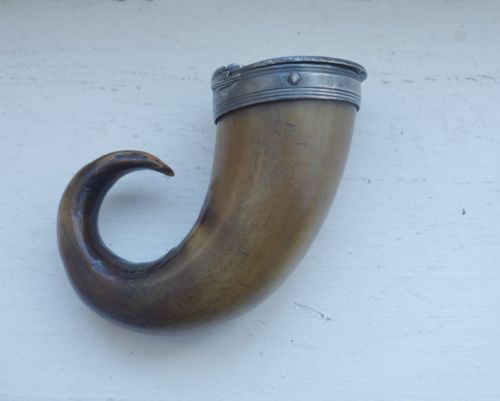
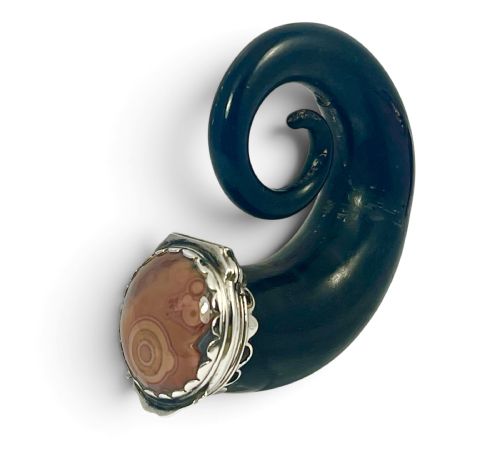
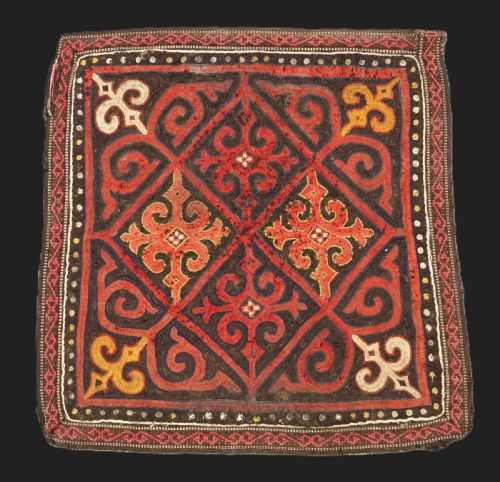
When you search for antique ram horns, you encounter a diverse selection of items spanning taxidermy, Scottish vernacular objects, and Central Asian textiles. The most common manifestations on this page are Scottish horn snuff mulls mounted in silver and tribal prayer rugs featuring ram horn motifs in the design.
The objects cross several distinct cultural traditions, including Victorian taxidermy, nineteenth century Scottish craft, and Turkmen or Afghan nomadic weaving. Each piece utilises the natural shape or symbolic representation of the horn in a functional or decorative format.
Mulls typically date from the mid to late nineteenth century, whilst the textile examples with ram horn patterns generally range from the late nineteenth century to the early decades of the twentieth century. Taxidermy displays and decorative cornucopias complete the variety found across the selection.
Materials and construction
Natural horn forms the primary structural material for the Scottish mulls, often shaped and polished to reveal the dense grain. Silversmiths and metalworkers mounted these horns with white metal or silver rims, hinges, and occasional agate or glass insets.
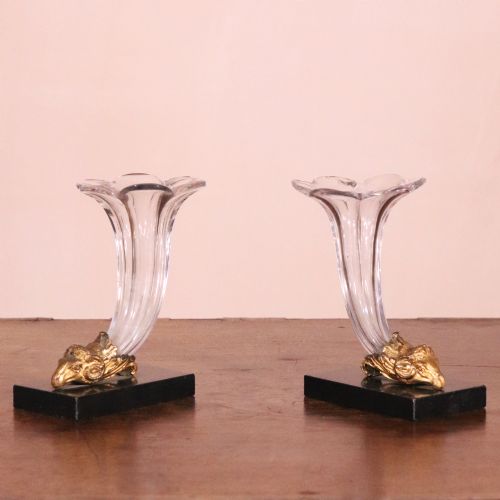
The textile pieces employ wool and felt, intricately woven or embroidered to delineate the specific ram horn patterns within the mihrab or field. Gilt bronze and marble appear in the decorative cornucopia examples from the nineteenth century.
Materials across these listings include natural horn, silver, wool, felt, agate, glass, marble, and gilt bronze.
Assessing quality in horn and textile pieces
Quality in horn mulls rests upon the crispness of the silver mounts and the smoothness of the polished horn surface. Finer examples display secure hinges, well-fitted lids, and occasionally polished agate stones set into the metalwork.
For the textile pieces, the fineness of the weave and the clarity of the ram horn design dictate the standard. Tightly knotted prayer rugs and cleanly embroidered felt panels demonstrate superior regional craftsmanship.
The Antique Ram Horns Glossary
- Snuff mull
- A pocket container used for holding powdered tobacco, traditionally fashioned from ram or goat horn in Scotland. These containers frequently featured hinged metal lids.
- Mihrab
- The prayer niche design found in Islamic rugs, often incorporating a ram horn motif within the arch. It indicates the direction of prayer.
- Torba
- A small wall-hanging bag produced by Turkmen nomadic groups, occasionally decorated with geometric ram horn patterns. They were used for storage inside a yurt.
- Cornucopia
- A horn-shaped container symbolising abundance, rendered in nineteenth century pieces using materials like gilt bronze and glass. These served decorative tablet functions.
Antique Ram Horns: Frequently Asked Questions
What are antique ram horn mulls?
These are traditional Scottish pocket containers made from natural horn and fitted with metal mounts for holding snuff.
Craftsmen shaped the horn using heat and pressure before attaching hinged lids of silver or white metal.
How do I care for horn objects?
Keep horn pieces away from direct heat sources and extreme moisture fluctuations to prevent the natural material from splitting.
Gentle dusting is generally sufficient, avoiding harsh chemical cleaners that might damage silver mounts or polished surfaces.
What is a ram horn motif in rugs?
It is a stylised geometric design element representing the horns of a ram, frequently woven into tribal prayer rugs and bags.
Weavers across Central Asian and Caucasian regions utilised this traditional symbol for its protective and cultural significance.
How are different periods identified?
Dating relies on the style of the metal mounts, the construction methods of the textiles, and documented design characteristics.
Nineteenth century pieces often show distinct Victorian or Georgian crafting techniques compared to later twentieth century examples.