



Highland Taxidermy Mount
These highland taxidermy mount examples bring the atmosphere of the Scottish sporting estate directly into a room.
Highland Taxidermy Mount
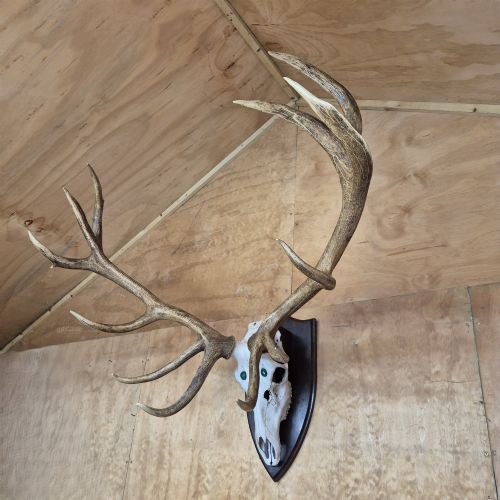
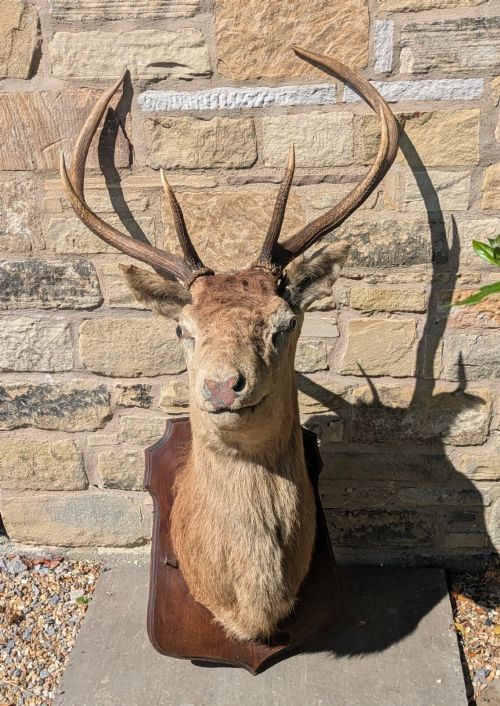
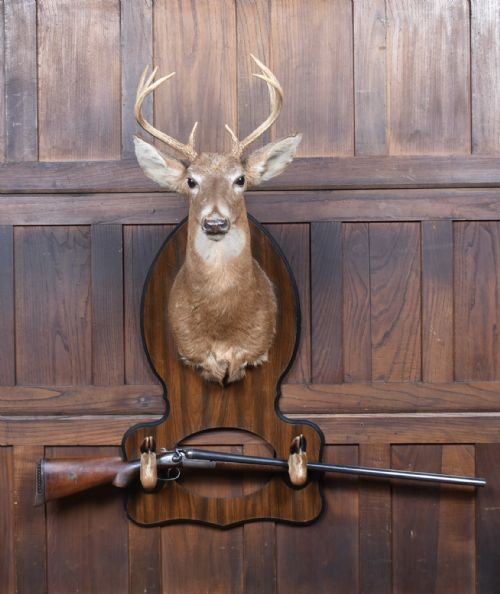
A highland taxidermy mount comprises animal specimens preserved and prepared for display, encompassing wall decor such as stags' heads, deer heads, and mounted horns. These pieces reflect the sporting traditions of nineteenth-century and early twentieth-century country houses.
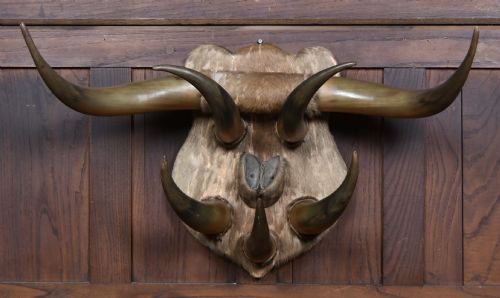
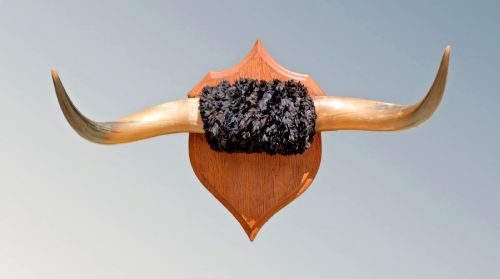
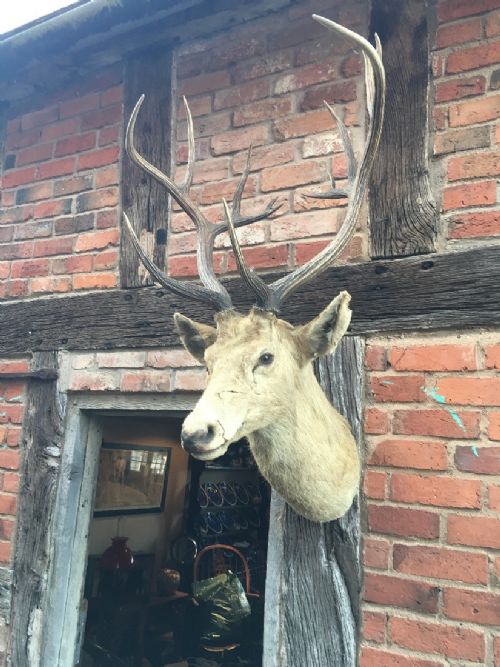
Buyers encounter Victorian pieces alongside Edwardian examples and later 1920 or 1930 works. Forms range from single red stag heads and whitetail deer to cattle horns, ram's horns, and mounted arrangements involving hide and bone.
Stylistic descriptors associated with these objects include Highland Lodge, Highland Traditional, and Highland Sporting. Alongside traditional wall mounts, the category includes functional items such as a Scottish double inkwell.
How they were made
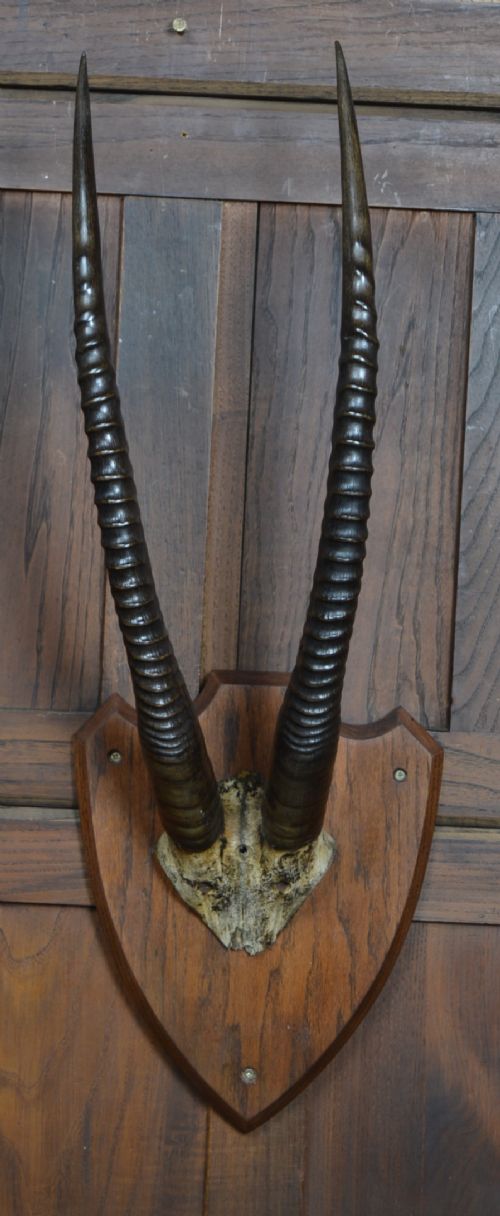
Taxidermy mounts utilise preserved animal hides, antlers, bone, and horns mounted upon timber supports such as oak shields. The preparation of specimens required careful preservation techniques to maintain the natural form of the animal.
Display fixtures frequently incorporate glass domes or protective backing boards to preserve the taxidermy. Wood craftsmanship is evident in the custom shields designed to support heavy antlers and horns securely.
Listings feature items dated across the nineteenth century, Victorian era, Edwardian period, up to 1930, utilising oak, glass, and timber.
What varies in quality
Quality in a highland taxidermy mount rests upon the naturalism of the taxidermrist's modelling and the scale of the specimen. Large antler spreads, such as twelve-point royal sets, distinguish the more impressive examples.
The choice of mounting timber and the preservation condition of the hide or bone influence the overall character of the piece. Superior examples retain a convincing anatomical presence and robust structural support.
The Highland Taxidermy Mount Glossary
- Taxidermy
- The art of preserving, stuffing, and mounting the skins of animals for display. It forms the primary medium for these historical wall mounts.
- Antler
- The deciduous bony appendage shed and regrown by members of the deer family. Large sets serve as focal points in sporting displays.
- Shield
- A shaped wooden plaque, often oak, used as a backing board for mounting animal heads and horns to a wall.
- Inkstand
- A desk accessory holding inkwells and pens. Examples in this category utilise animal horn or hoof materials.
Highland Taxidermy Mount: Frequently Asked Questions
What periods do these mounts come from?
The pieces span the nineteenth and early twentieth centuries, including Victorian, Edwardian, and 1920 or 1930 eras. Victorian examples often carry the distinct aesthetic of nineteenth-century Scottish sporting rooms.
Dates are generally attributed based on the construction style, taxidermy techniques, and accompanying wooden shields.
How should I clean taxidermy mounts?
Dust mounts gently using a soft brush or a dry cloth to protect delicate hair and hide. Avoid using water or chemical cleaners on preserved animal skins and antlers.
Keeping pieces away from direct sunlight and excessive humidity helps preserve the natural materials over time.
What animals are represented in these mounts?
Common species include red deer, roe deer, whitetail deer, cattle, and rams. Some mounts feature exotic or varied horn specimens such as oryx.
Each species brings distinct horn structures or antler points, ranging from single curved horns to massive multi-point stags' heads.