

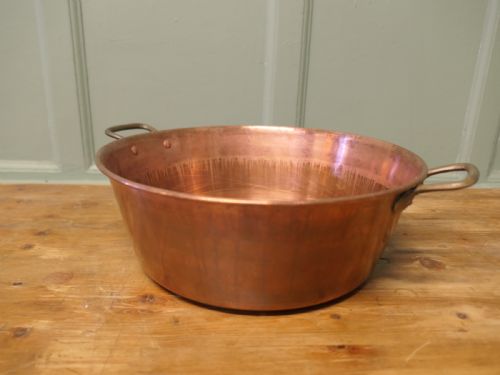
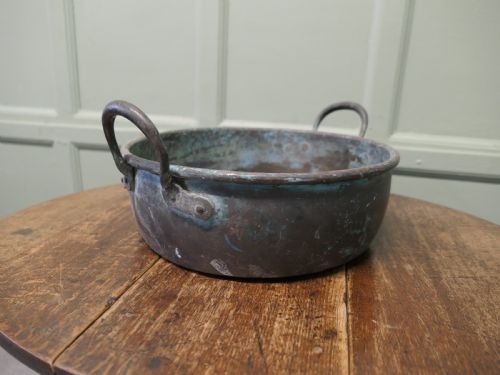


Antique Preserving Pot
These antique preserving pot examples span robust kitchen pans and delicate table jars, each built to hold fruit preserves or condiments.
Antique Preserving Pot
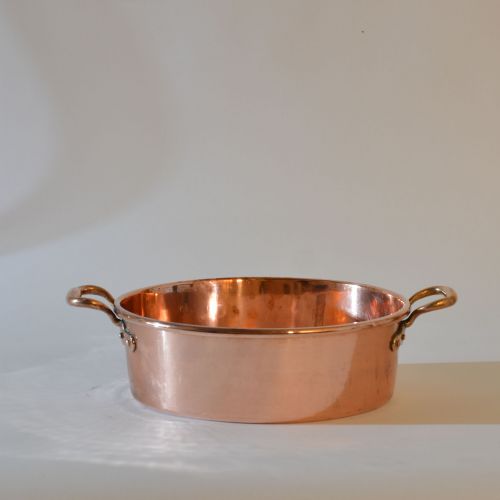
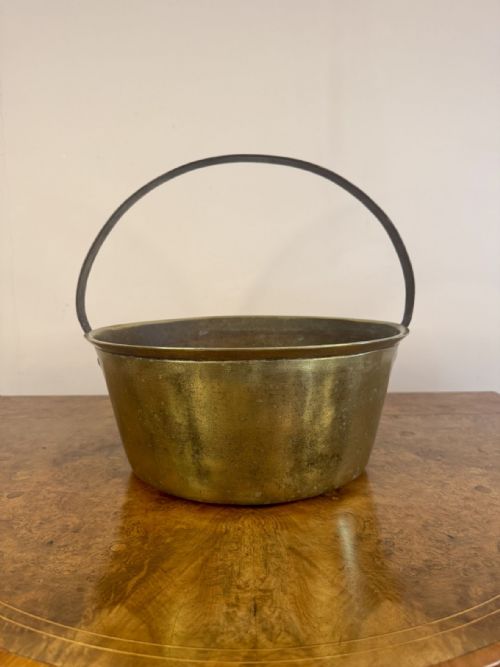
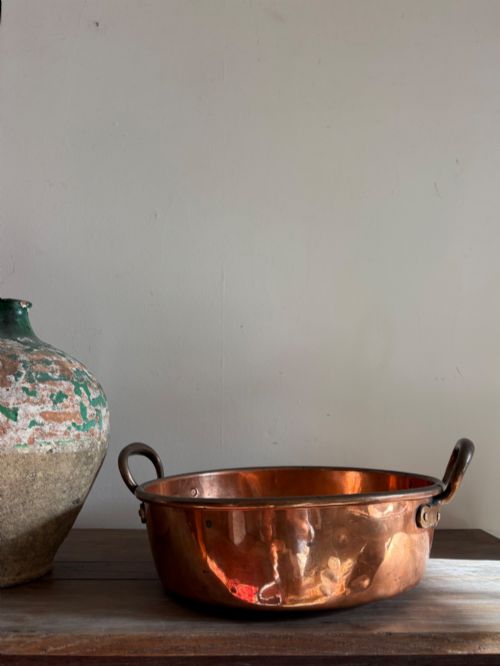
An antique preserving pot encompasses heavy kitchen pans designed for boiling fruit, alongside smaller lidded jars and dishes intended for the dining table. The most frequent encounters on this page are large copper cooking vessels and brass jam pails from the nineteenth century, built for domestic or estate kitchens.
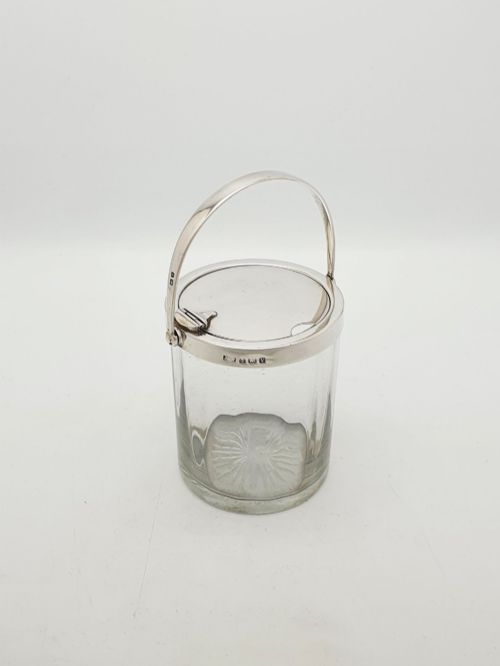
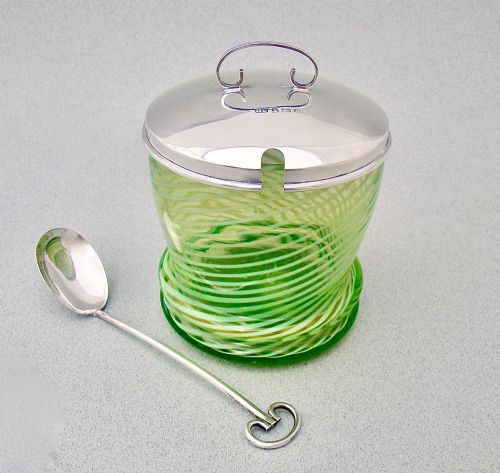
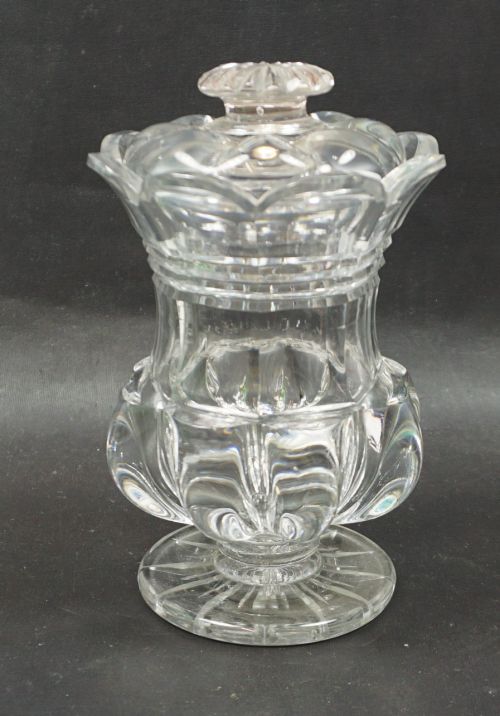
Beyond utilitarian cookware, the selection includes refined tabletop pieces in cut glass, silver plate, and sterling silver. These encompass condiment jars, mustard pots, and cranberry glass preserve bowls that moved from the kitchen hob to the formal dining room during the Victorian and Edwardian periods.
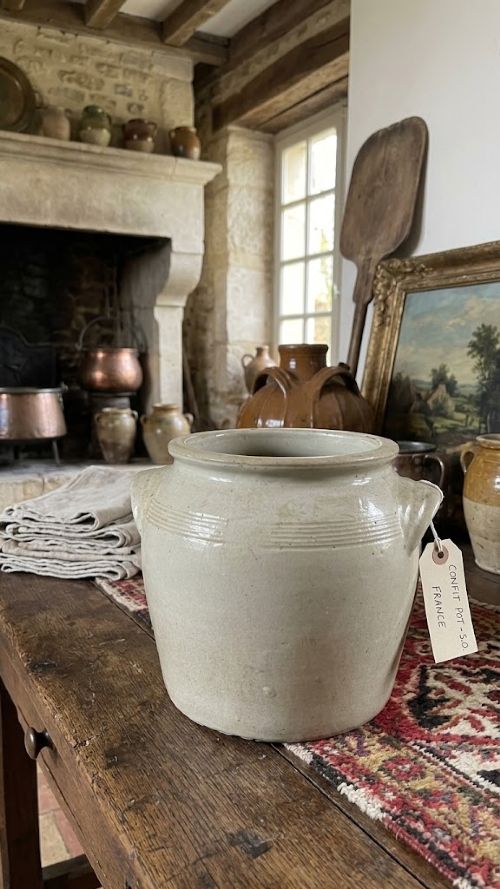
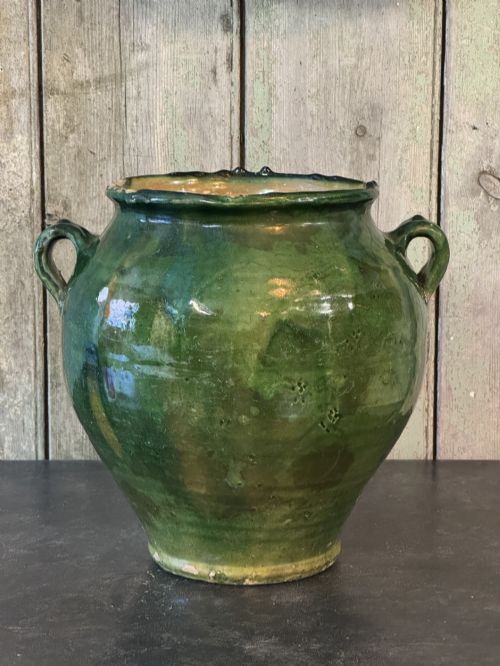
Origin formats also stretch to continental European pieces, notably French green-glazed terracotta confit jars and handmade earthenware vessels. Collectors encounter domestic iron pans, bronze preserve warmers, and specialty items such as tavern soup jars alongside standard British cookware.
Materials and construction methods
Metal preserving pans rely heavily on hand-beaten copper and heavy brass, often fitted with riveted iron handles or brass attachments to endure high heat. Smiths shaped these large vessels to distribute warmth evenly across the base during long jam-boiling sessions.
Tabletop jars utilise cut glass, cranberry glass, and ceramic bodies paired with sterling silver or silver-plated mounts. Makers combined transparent or coloured glass with pierced metal baskets, silver-gilt frames, and fitted lids to create ornamental serving vessels.
Antique Preserving Pot Retail Price Guide 2026
Typical asking prices for preserving pot among the pieces listed under this phrase on Sellingantiques today, from the lower quarter to the upper quarter. They describe what is for sale here now, not the wider market.
Object types span cookware, condiment jars, and French confit pots originating from domestic and tavern settings.
Markers of distinction and build
Quality rests in the weight of the metal and the integrity of the construction, such as tight hand-riveted handles on large copper pans rather than superficial decoration. Substantial gauge copper and heavy brass demonstrate that an item was built for demanding kitchen use.
For tabletop vessels, the precision of the cut glass facets, the crispness of the silver hallmarks, and the completeness of original matching spoons determine the grade. Intact glazes on earthenware confit pots and well-preserved silver-plated mounts separate standard utility items from finer surviving examples.
Hukin and Heath·Hodges and Sons·Asprey and Co·C and A Painter·Plichta Pottery·Richard Ginori
The Antique Preserving Pot Glossary
- Confit pot
- A glazed earthenware storage jar traditionally used in France for preserving meat or fruit. These pots feature lead glazes over terracotta bodies.
- Cranberry glass
- A rich red-pink transparent glass produced by adding gold chloride to the molten batch. It gained popularity during the Victorian era for decorative tableware.
- Silver plate
- A base metal such as copper or Britannia metal coated with a thin layer of silver through electroplating or older processes. This technique provided the appearance of solid silver at a lower cost.
- Hallmark
- An official stamp applied to precious metals indicating the standard of purity, the assay office, and the year of production. British sterling silver pieces carry these distinct marks.
- Preserving pan
- A wide, open metal vessel with sloped sides designed to evaporate moisture quickly when boiling fruit and sugar. They typically include sturdy handles for lifting heavy loads.
Antique Preserving Pot: Frequently Asked Questions
What is an antique preserving pot used for?
Large copper and brass pans served in kitchens for boiling fruit and sugar into jams and preserves over an open fire or stove. Smaller glass and silver versions held condiments, mustard, or butter on the dining table.
Over time, heavy kitchen vessels transitioned into decorative fireside pieces or display items, while glass jars remained functional tableware accessories.
How do I clean a copper preserving pan?
Copper pans benefit from gentle washing with warm soapy water and a soft cloth to remove dust and grease without stripping the aged surface. Many collectors prefer to preserve the dark oxidation rather than polish the metal to a bright shine.
Harsh chemical abrasives should be avoided because they scratch the historic surface and remove the character accumulated over centuries of use.
How can I date an antique preserving pot?
Dating relies on material characteristics, manufacturing marks, and construction techniques visible on the vessel. Georgian and Victorian pieces often display hand-beaten hammering marks and heavy riveted iron handles.
Silver-mounted condiment jars frequently feature legible hallmarks with date letters that pinpoint the exact year of manufacture. Stylistic shifts from Georgian simplicity to ornate Edwardian silver plate also offer reliable chronological clues.
Are these pots safe for modern cooking?
Most antique copper preserving pans intended for display or historic collections lack modern interior linings such as tin or stainless steel. Cooking acidic fruits directly in unlined antique copper can leach metals into food.
Collectors generally use these heavy vessels for interior decoration, plant display, or fireside storage rather than daily kitchen preparation.