






Antique Poultry Art
Antique poultry art captures birds and farmyard fowl in oil and watercolour across several centuries.
Antique Poultry Art
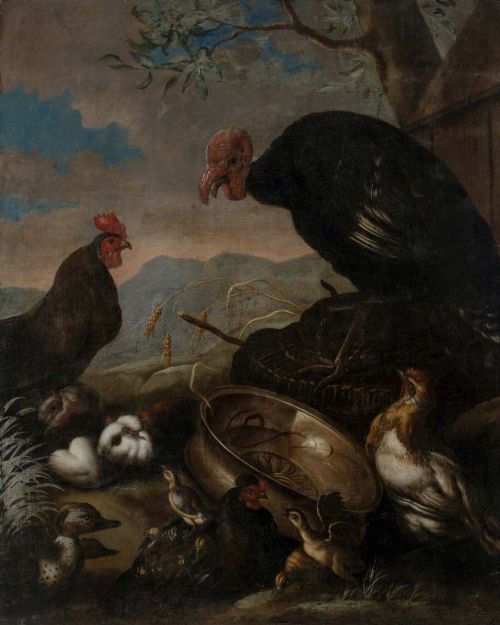
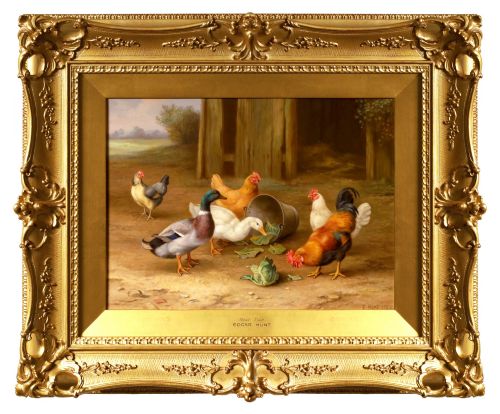
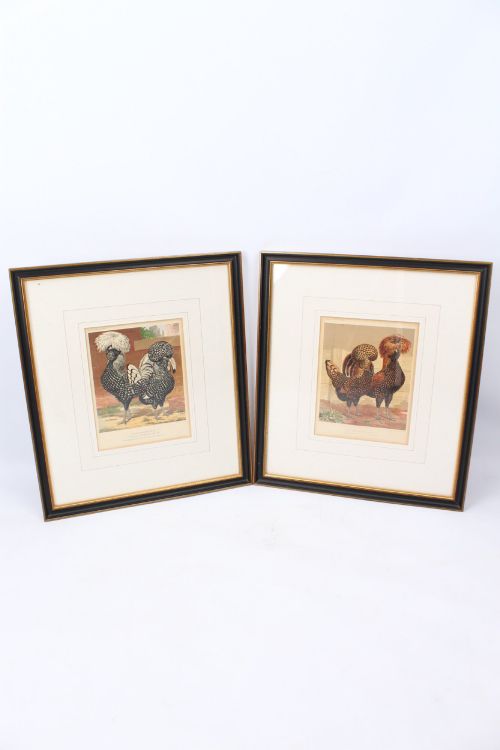
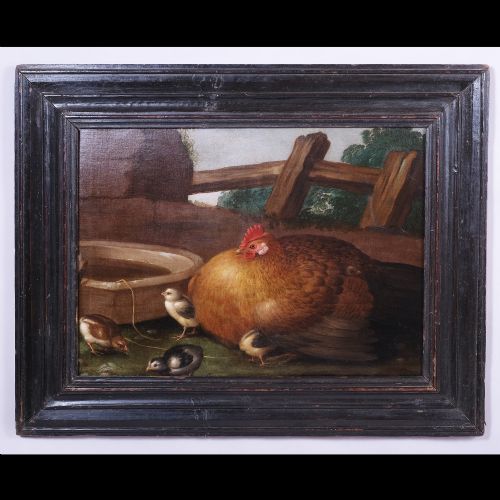
Antique poultry art encompasses oil paintings, watercolours, lithographs, and carved wooden shop displays depicting chickens, cockerels, and farmyard fowl. These works range from seventeenth-century Italian landscapes with castle ruins to Victorian realism and early twentieth-century British animalier studies. Buyers encounter framed prints alongside detailed depictions of hens and chicks in traditional rural settings.
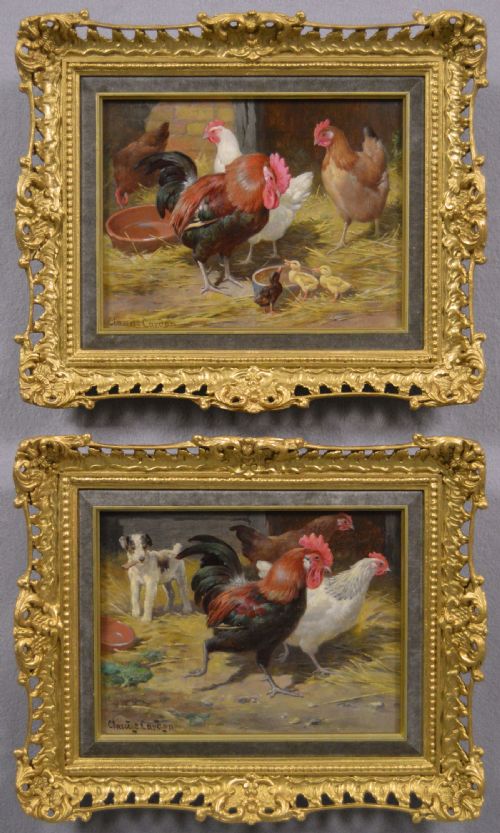
The pieces on this page lean heavily towards oil on canvas and watercolour paintings from the nineteenth and early twentieth centuries. Artists such as Edgar Hunt and Claude Cardon provide numerous examples of farmyard scenes featuring poultry. Collectors also find earlier Dutch and Flemish influenced works depicting exotic birds and fowl.
Materials and construction
These works rely primarily on oil paint applied to canvas or wood panels, alongside watercolours on paper. Many nineteenth-century and earlier pieces feature traditional oil on canvas compositions framed in giltwood or plain wood. Sculptural examples utilise carved solid wood to form three-dimensional shop displays.
Makers layered pigments to achieve realistic textures in feathers and farmyard surroundings. Lithographs utilise pressed paper to reproduce printed imagery of chickens. Glazed protection preserves delicate watercolours and paper prints from environmental wear.
Antique Poultry Art Retail Price Guide 2026
Typical asking prices for poultry art among the pieces listed under this phrase on Sellingantiques today, from the lower quarter to the upper quarter. They describe what is for sale here now, not the wider market.
Listings feature periods spanning from the seventeenth century up to the 1930s, executed in oil, watercolour, and lithography.
Distinctions in quality
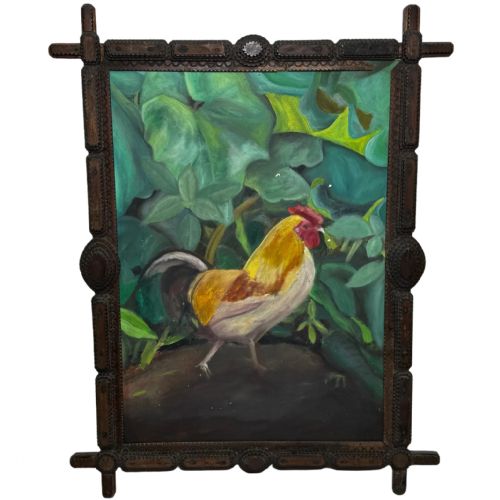
Quality rests upon the artist's ability to render the anatomy, plumage, and expressions of birds with convincing realism. Finer works demonstrate careful handling of light across feathers and farmyard landscapes, whereas lesser examples display rigid brushwork and generic backgrounds. The depth of the composition and the handling of texture separate masterworks from decorative student pieces.
The physical preservation of the canvas, board, or paper dictates the standard of survival. Original giltwood framing and untouched painted surfaces elevate the standing of a piece. Works retaining documented attribution to established animalier painters carry stronger visual and historical interest.
Angelo Maria Crivelli·Edgar Hunt·Claude Cardon·John Atkinson·Marmaduke Cradock·Jacob Bogdani·Percival Glenfern·Owen Bowen·B. Kaufmann·Gustav Goemans·John Frederick Herring Jnr·J L Van Leemputten·R Lauritsch·Emile Lecomte
The Antique Poultry Art Glossary
- Animalier
- Art depicting animals as the primary subject. This genre flourished in the nineteenth century across Britain and Europe.
- Oil on canvas
- Pigment suspended in drying oil applied to stretched woven fabric. This method allows for rich blending and textured brushwork.
- Watercolour
- Paint consisting of water-soluble pigments applied to paper. It yields translucent washes well suited to delicate studies.
- Lithograph
- A print produced from a flat stone or metal plate using a chemical process that repels ink. It permits multiple impressions of an original drawing.
- Giltwood
- Wood carved and coated with a thin layer of gold leaf or gilt powder. It frequently surrounds oil paintings from the eighteenth and nineteenth centuries.
Antique Poultry Art: Frequently Asked Questions
What periods do these paintings come from?
The available works span from the seventeenth century through to the Edwardian era and the 1930s. Earlier examples reflect Dutch and Flemish influences, while nineteenth-century pieces embrace Victorian realism.
Later works include early twentieth-century watercolours and Catalan folk art. Each period brings distinct framing choices and painting techniques.
How were these artworks displayed originally?
Many oil paintings and watercolours hung in domestic interiors, country houses, and farmhouses to celebrate rural life. Framed prints offered an accessible alternative for middle-class homes.
Carved wooden figures such as shop displays served commercial purposes in trade environments. Today, collectors hang these paintings in living rooms, kitchens, and studies.
How do I identify a Victorian farmyard scene?
Victorian farmyard scenes typically feature detailed animalier studies of chickens, cockerels, and livestock rendered in oil on canvas. Artists of this period focused on naturalistic lighting and realistic textures in feathers and straw.
Signatures, framing styles, and nineteenth-century canvas stamps help confirm the period. Many of these works portray daily rural activities without idealisation.
Are these pieces painted on canvas or wood?
The listings include both oil on canvas and oil on board, alongside watercolours on paper. Some earlier works utilise wooden panels as a rigid support for oil paint.
Three-dimensional items like trade displays utilise solid carved wood instead of canvas. Each medium requires specific framing and environmental care to endure.