


Antique Pouffe Stool
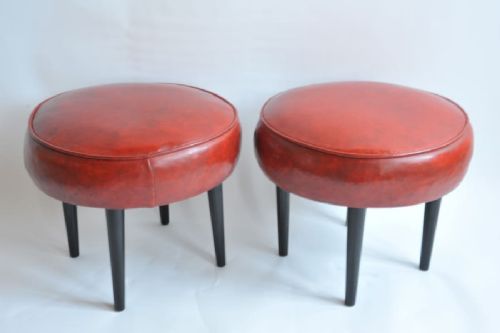
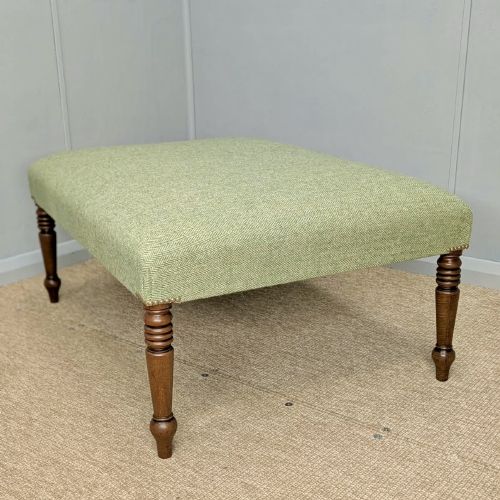
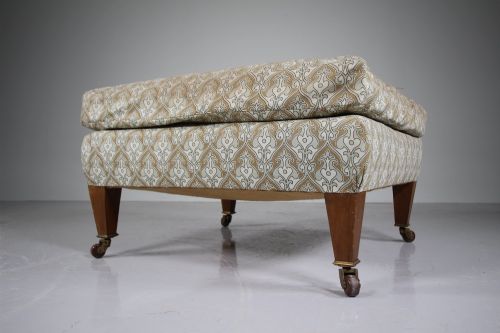
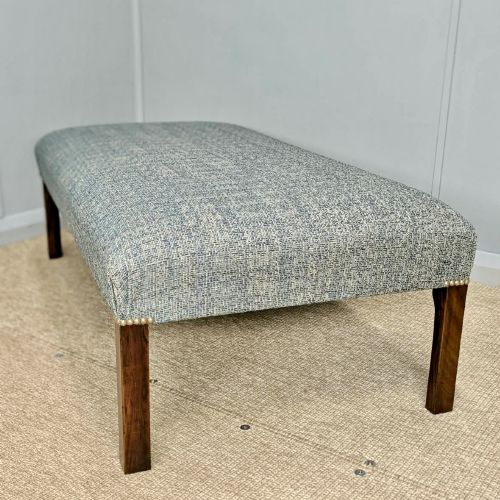
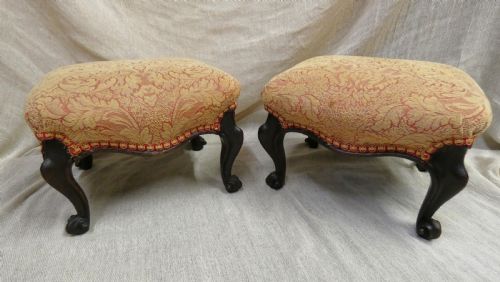
These antique pouffe stools bring low-level seating and foot support into the room, combining period frames with traditional upholstery.
Antique Pouffe Stool
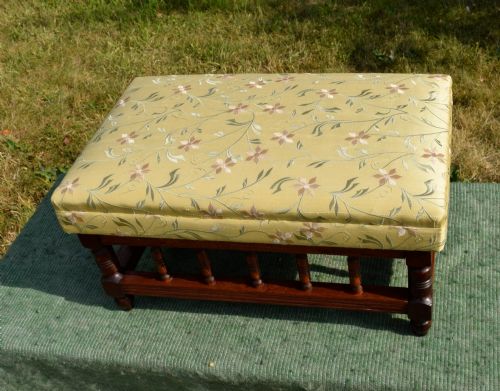
When you search for an antique pouffe stool, you encounter a range of low seating and foot supports originating from the Victorian period through to the early twentieth century. The forms span compact footstools, long window seats, ottomans with storage, and drum-shaped dressing stools.
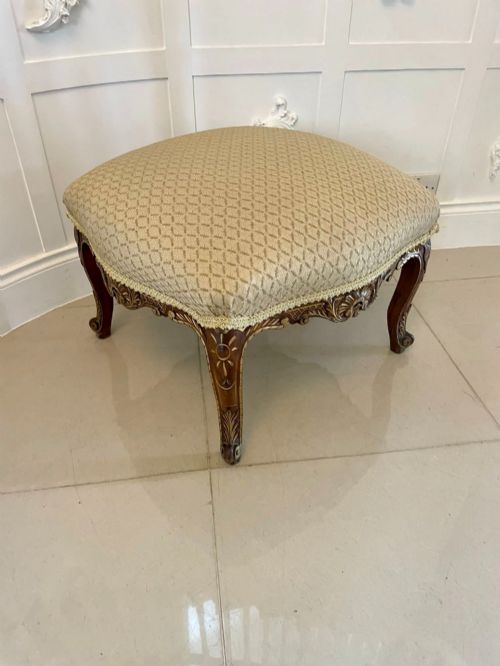
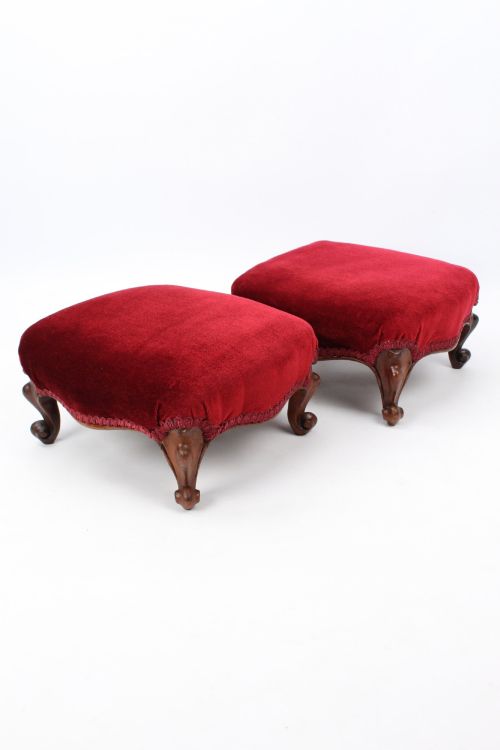
The Victorian era supplies many of the examples seen here, often constructed from walnut, mahogany, or rosewood with carved wooden frames. Alongside these, French style items and French chateau pieces appear, bringing carved beech, giltwood, and specific regional aesthetics to the selection.
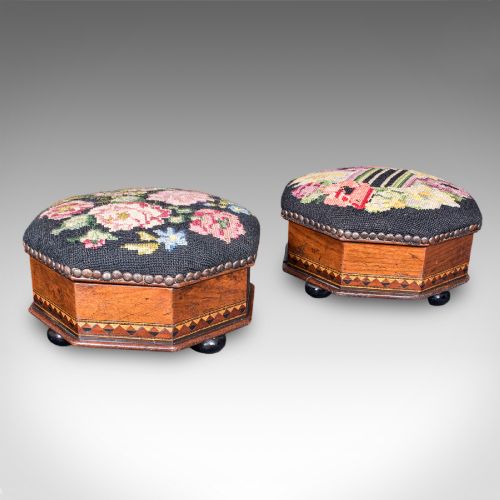
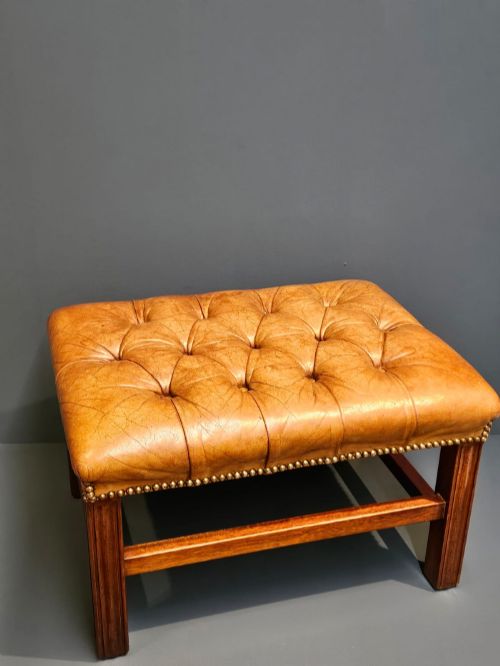
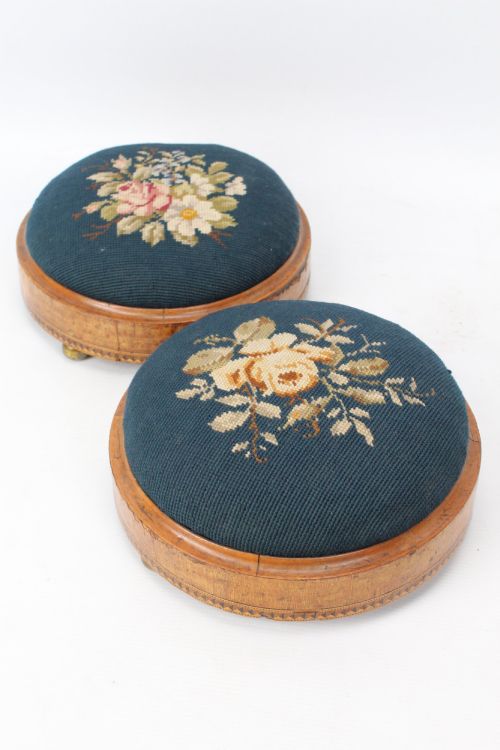
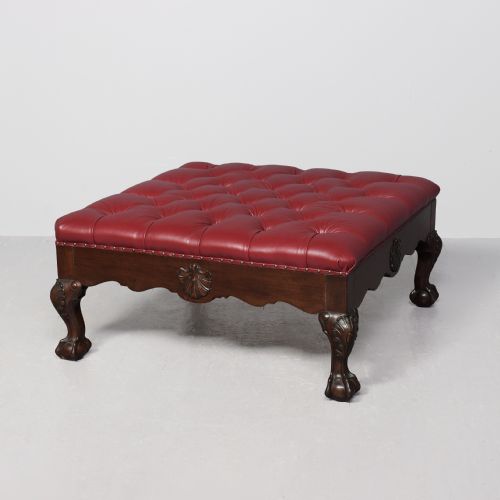
Makers and workshops of the nineteenth and early twentieth centuries also produced Anglo-Indian carved pieces and Regency styles. These objects function as fireside accessories, library foot stools, or centre pieces, often retaining needlepoint, kilim tapestry, buttoned leather, or fabric upholstery.
Materials and construction methods
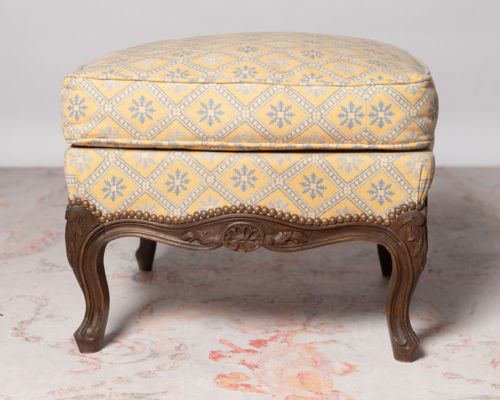
The frames rely on hardwoods such as mahogany, walnut, oak, rosewood, and beech, which provide structural stability for daily use. Cabinet makers shaped these woods into cabriole legs, turned supports, and carved borders, sometimes incorporating inlaid Tunbridge ware or gilt finishes.
Upholstery defines the upper portion of these pieces, utilising materials like leather, hide, velvet, and fabric. Many examples employ buttoning techniques and needlepoint or geometric kilim tapestries, while some items remain ready for fresh upholstery.
Antique Pouffe Stool Retail Price Guide 2026
Typical asking prices for pouffe stool among the pieces listed under this phrase on Sellingantiques today, from the lower quarter to the upper quarter. They describe what is for sale here now, not the wider market.
Some Victorian footstools hide your knitting inside while politely propping up tired feet.
Factors separating different examples
Quality rests in the crispness of the timber carving and the integrity of the underlying wooden frame. Finer examples display well-proportioned cabriole legs, secure joints, and decorative details like intricate inlays or original giltwood surfaces.
The execution of the upholstery and the choice of covering material also differentiate the examples. Pieces retaining period needlepoint, buttoned leather, or specialised textiles demonstrate the standard of the workshop that produced or reupholstered them.
Howard and Sons
The Antique Pouffe Stool Glossary
- Ottoman
- A low upholstered seat or footstool, often featuring a hinged lid and internal storage space. These pieces function as versatile seating or foot supports within a room.
- Cabriole leg
- A furniture leg that curves outward and then tapers inward, mimicking an animal's leg. This form appears frequently on Victorian and revival period stools.
- Tunbridge ware
- A type of decorative woodwork characterised by mosaic designs formed from tiny pieces of coloured wood. It appears as geometric inlay on nineteenth-century surfaces.
- Needlepoint
- A form of counted thread embroidery stitched onto a stiff open-weave canvas. It provides durable and decorative covering for period footstool tops.
- Buttoning
- An upholstery technique where indentations are created in the padding by pulling buttons deep into the stuffing. This method secures the filling and adds texture.
Antique Pouffe Stool: Frequently Asked Questions
How were antique pouffe stools originally used?
These pieces served primarily as foot supports by the fireside, low seats in dressing rooms, or window benches in nineteenth-century homes. Many larger variants included internal storage compartments for blankets or needlework.
Over time, their roles expanded as households adapted them for libraries, drawing rooms, and hallways. Their low profile made them practical additions for resting feet or providing casual seating.
How can I tell a Victorian stool from a Regency one?
Victorian examples often feature heavier carved walnut or mahogany frames, cabriole legs, and buttoned leather or tapestry upholstery. They date from the mid to late nineteenth century and frequently incorporate storage boxes.
Regency pieces tend to display cleaner classical lines, sometimes in rosewood or mahogany, reflecting earlier nineteenth-century design influences. Examining the timber turning and joinery helps clarify the period of manufacture.
What is the difference between a footstool and an ottoman?
A footstool is typically a smaller, low piece designed specifically to support feet while sitting in a chair. An ottoman is generally larger, sometimes functioning as a standalone seat or bench with a hinged top for storage.
Many period listings group these terms together, but the scale and the presence of an internal compartment usually distinguish an ottoman from a standard footstool.
Are these stools suitable for daily use?
Most antique stools retain sturdy hardwood frames made from mahogany, walnut, or oak, making them structurally sound for regular sitting or resting feet. Checking the stability of the joints ensures they withstand daily weight.
Upholstery condition varies, with some pieces featuring newly applied fabric or leather while others require professional recovering. Selecting an item with solid framing guarantees longevity in a modern interior.