




Antique Pottery Stand
When seeking an antique pottery stand, you find practical vessels and pedestals shaped by nineteenth-century kilns.
Antique Pottery Stand
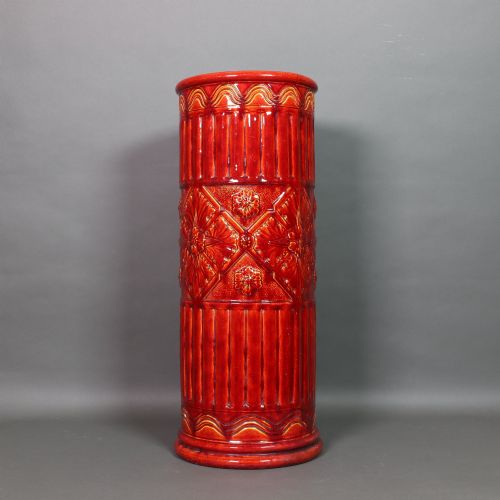
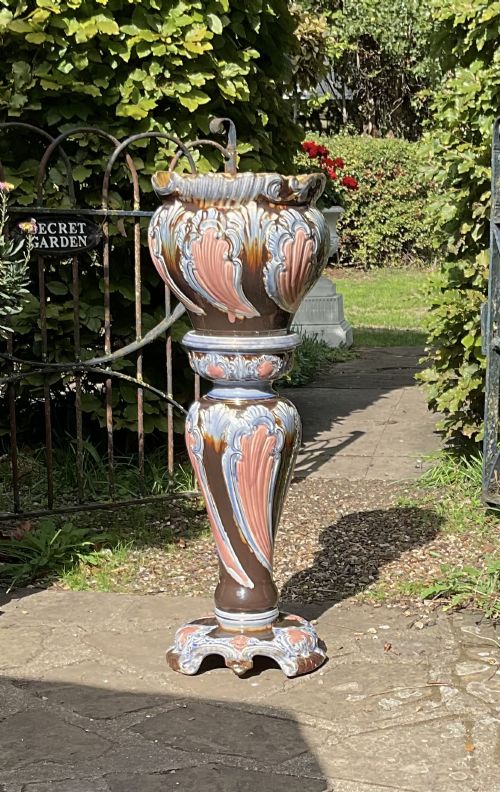
An antique pottery stand encompasses utilitarian pieces and display supports, stretching from Georgian cheese dishes to Victorian stick stands and tall majolica pedestals. The items span creamware, earthenware, ironstone, and salt-glazed stoneware originating across the nineteenth century.
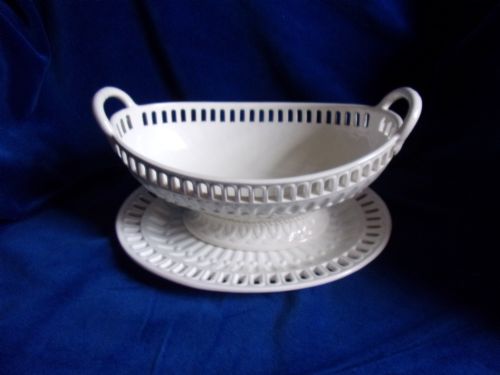
The versions most commonly met on this page include majolica jardinieres with matching pedestals, cheese domes paired with their ceramic bases, and blue and white transfer-printed sauce tureen stands. These utility items fulfilled specific dining and hall functions in period homes.
Makers ranged from major Staffordshire potteries to specialised art pottery works such as Burmantofts and Clement Massier. The forms cross stylistic movements from geometric Georgian blue and white patterns to ornate Victorian majolica and aesthetic movement faience.
How they were made
Potters shaped these objects from earthenware, creamware, ironstone, and stoneware bodies, utilising regional clays fired in traditional kilns. Many larger jardinieres and pedestals required robust bodies to support heavy plant displays without sagging during firing.
Surfaces received lead glazes, tin glazes for delftware, coloured majolica enamel, or lustre finishes that caught the light. Hand-painted decoration, transfer printing, or sprigged relief figures added ornamental detail before the final glaze firing.
Antique Pottery Stand Retail Price Guide 2026
Typical asking prices for pottery stand among the pieces listed under this phrase on Sellingantiques today, from the lower quarter to the upper quarter. They describe what is for sale here now, not the wider market.
Listings feature nineteenth-century materials including creamware, pearlware, ironstone, and salt-glazed stoneware.
What varies in quality
Quality rests upon the crispness of the moulded relief, the evenness of the glaze application, and the preservation of hand-painted or transfer-printed details. Superior majolica displays vibrant, saturated enamel colours without running or dull patches.
Construction robustness defines larger pedestal stands and heavy cheese domes, where structural stability matters as much as surface decoration. Finer examples retain matching bases and covers from the original kiln firing rather than married replacement parts.
Burmantofts Faience·Enoch Wood & Sons·James Dudson·Clement Massier·Julius Dressler
The Antique Pottery Stand Glossary
- Majolica
- A heavy earthenware pottery covered with an opaque coloured lead glaze, popular for nineteenth-century jardinieres and cheese stands. The technique produced rich green, brown, and purple hues with naturalistic plant or animal moulding.
- Creamware
- A refined light-coloured earthenware developed in the eighteenth century with a warm translucent lead glaze. Josiah Wedgwood perfected this pale ceramic body for domestic tableware and serving stands.
- Cheese dome
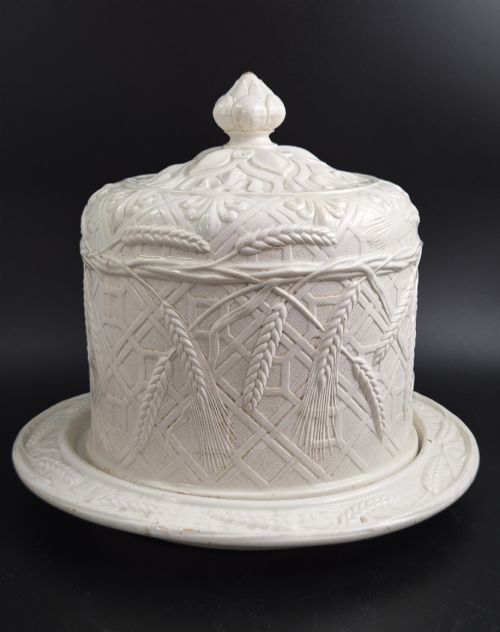
- A ceramic cover and matching base designed to preserve cheese on the dining table during the Victorian era. These pieces often feature elaborate lattice, wheat, or rustic moulded decoration.
- Transfer printing
- A decoration method where an engraved copper plate transfers a blue or multi-coloured ink design onto paper, which is then stamped onto the unglazed pottery surface. This technique allowed intricate pastoral scenes on sauce tureen stands and platters.
- Faience
- European tin-glazed earthenware decorated with opaque metallic oxides, prominent in nineteenth-century art pottery movements. Workshops such as Burmantofts produced decorative sticks stands and jardinieres in this style.
Antique Pottery Stand: Frequently Asked Questions
What is an antique pottery stand used for?
These ceramic pieces served specific domestic purposes, functioning as umbrella holders in hallways, protective bases for cheese on dining tables, or decorative pedestals for indoor plants.
Larger jardinieres and pedestals elevated greenery within Victorian parlours, while smaller stands accompanied tureens or inkwells to protect tables from moisture and ink stains.
How do I clean an antique pottery stand?
Dust surfaces gently with a soft, dry cloth to protect fragile nineteenth-century glazes and hand-painted enamel details from accidental abrasion.
Avoid submerging porous earthenware or pieces with hairline cracks in water, as moisture can penetrate the ceramic body and stain historical glazes.
How can I tell Victorian majolica from earlier pottery?
Victorian majolica typically displays thick, glossy coloured lead glazes over heavily moulded naturalistic plant or animal motifs, dating mostly from the mid-nineteenth century onward.
Earlier Georgian wares rely instead on understated creamware bodies or blue and white transfer-printed patterns rather than the saturated palette characteristic of majolica.
Are ceramic stick stands durable enough for daily use?
Heavy earthenware and salt-glazed stoneware stick stands were built to withstand the daily weight of walking sticks and umbrellas in busy hallways.
Despite their robust construction, collectors treat them with care to prevent chips around the top rim and heavy impacts against stone floors.