
Antique Pottery Jar
When you search for an antique pottery jar, you discover vessels shaped for storage, display, and daily utility across centuries.
Antique Pottery Jar
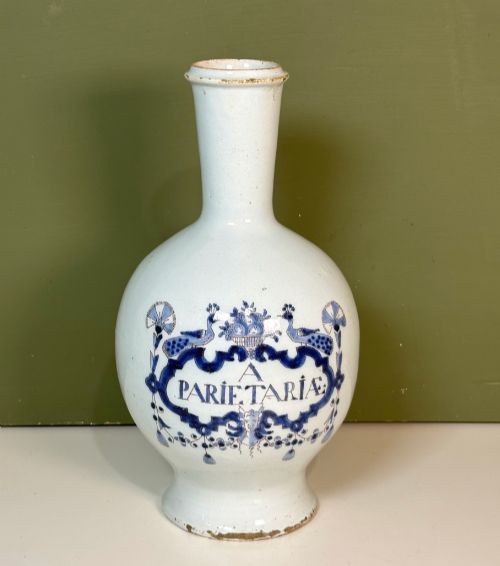
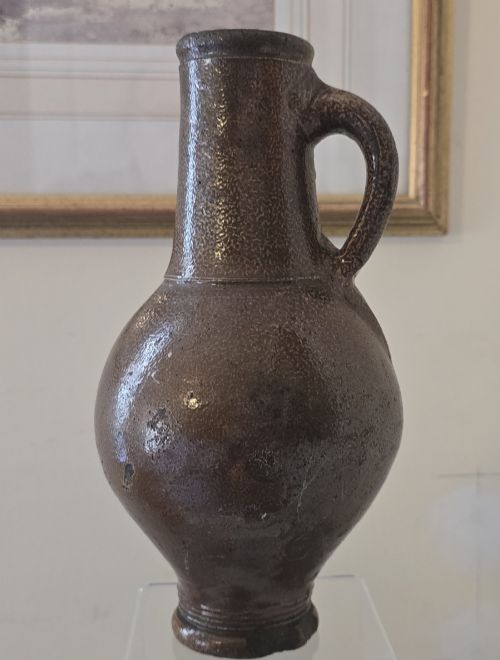
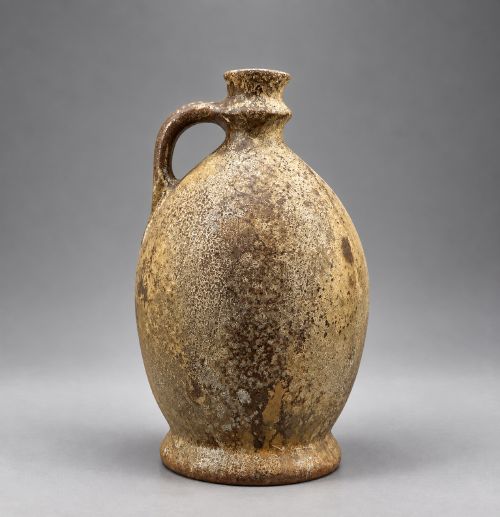
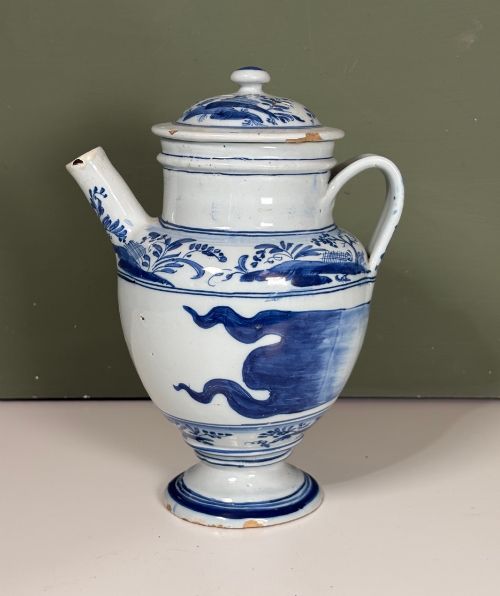
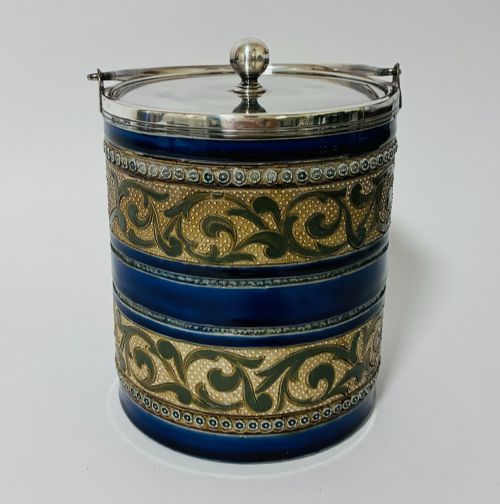
An antique pottery jar encompasses functional vessels and display pieces created for storage, pharmacy use, and domestic service. Buyers encounter apothecary jars, biscuit barrels, ginger jars, and olive jugs originating from English, European, and Asian workshops.
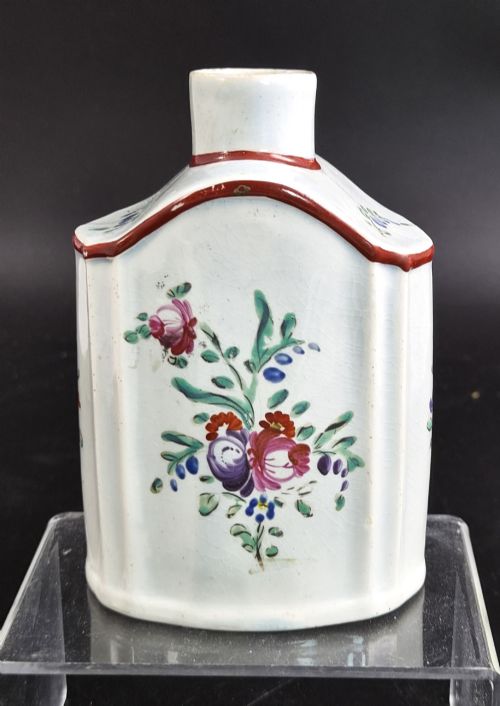
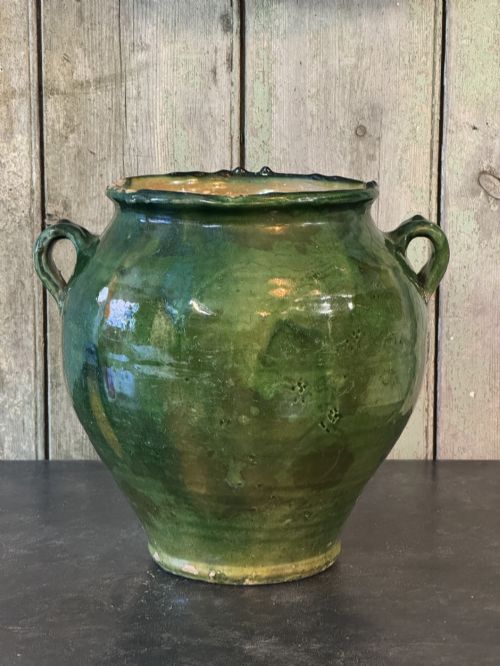
The selection ranges from utilitarian French confit pots and green glazed storage vessels to highly decorated Japanese Imari and Satsuma ceramic pieces. Many examples display covers, lids, handles, and painted motifs rendered in blue and white, polychrome, or metallic glazes.
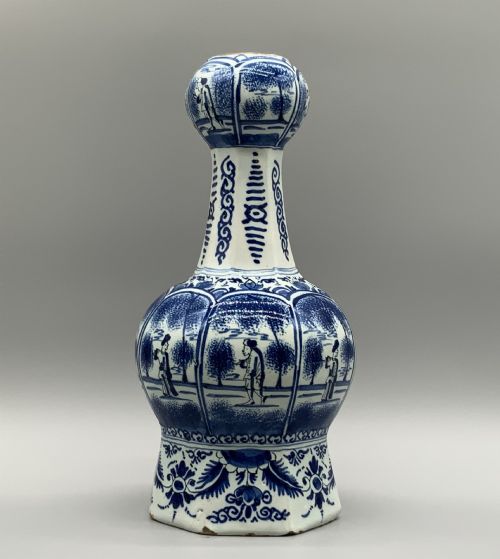
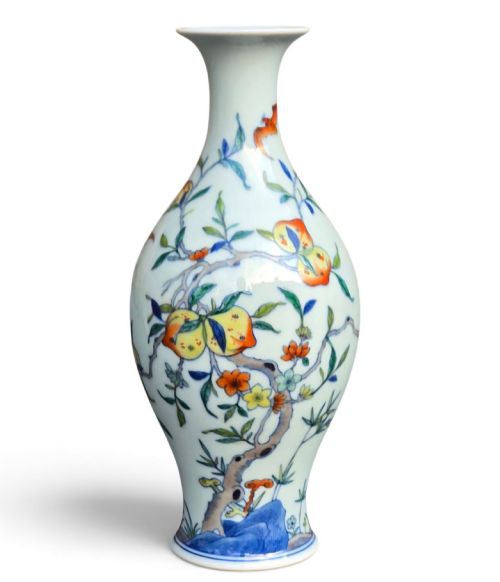
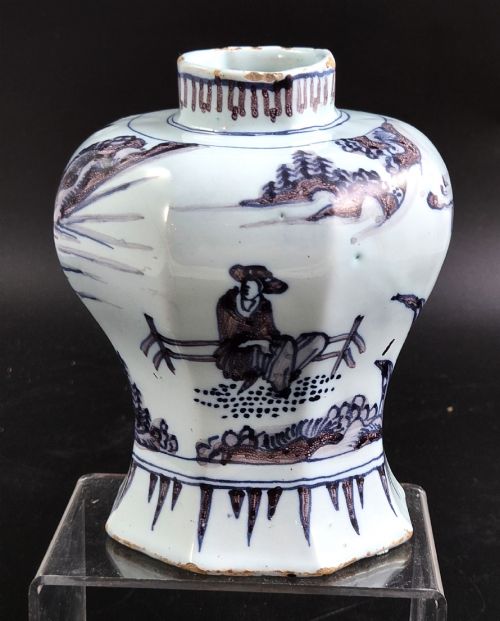
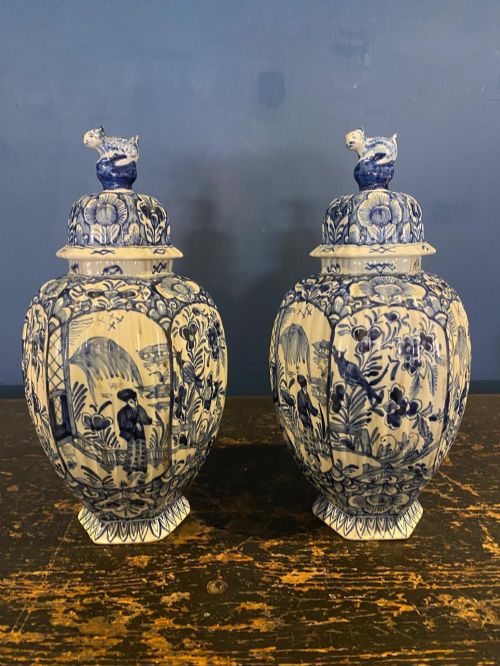
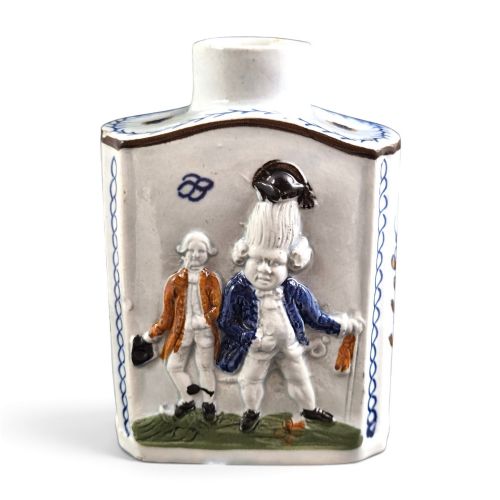
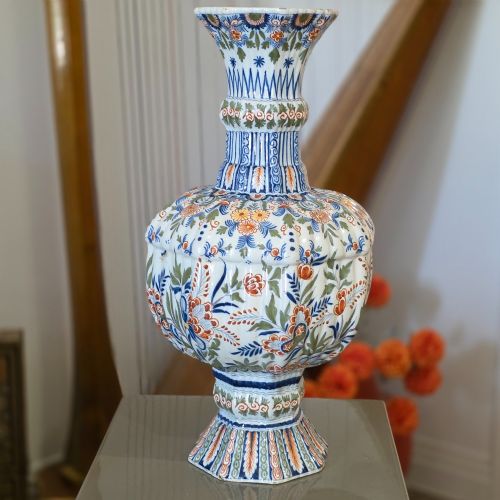
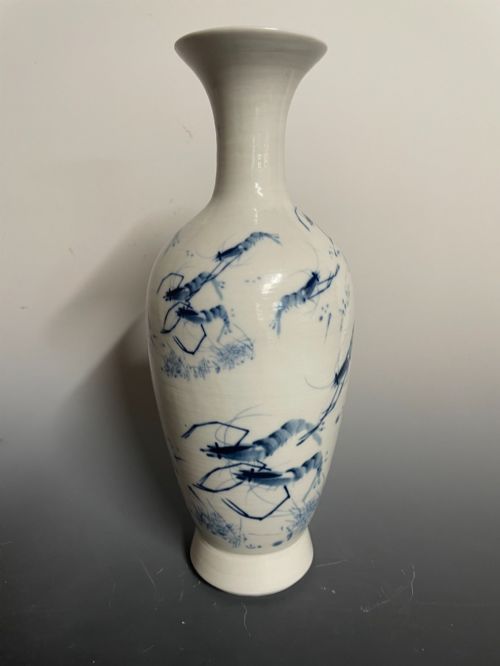
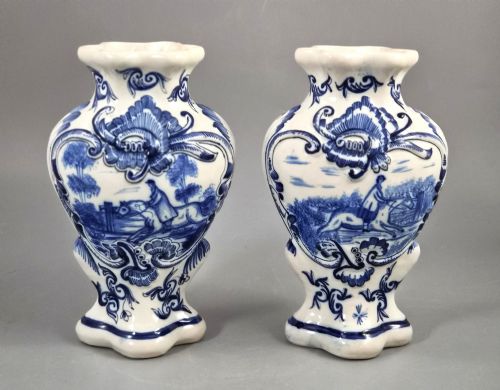
Pieces span multiple eras, including 18th-century Delftware, Victorian Staffordshire tobacco containers, and late Qing dynasty Chinese porcelain. Each form reflects the specific domestic or commercial requirements of its period of origin.
How they were made
Potters shaped earthenware, terracotta, porcelain, and ceramic bodies on wheels or in moulds before applying tin glazes, salt glazes, or enamel finishes. Many European and Asian vessels received hand-painted cobalt blue designs, polychrome pigments, and underglaze red highlights.
Firing techniques varied from low-temperature earthenware kilns to high-firing porcelain furnaces, sometimes incorporating secondary firings for gold leaf or enamel details. Certain French and English storage pots relied on simple lead or green glazes to render porous clay bodies water-tight.
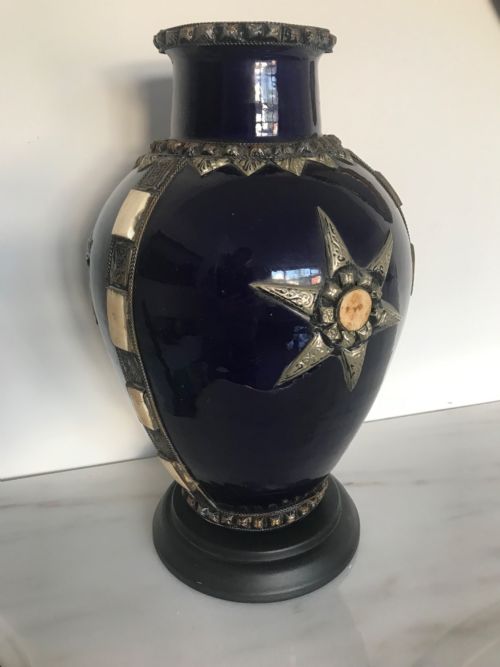
Mounts of silver plate, silver cabochons, or metal hardware were frequently added to finished ceramic bodies by retailers and craftsmen to elevate the utility and status of biscuit barrels and pharmacy jars.
Listings feature earthenware, porcelain, terracotta, and tin-glazed earthenware shaped into vases, apothecary jars, biscuit barrels, and confit pots across multiple centuries.
What varies in quality
Quality rests upon the crispness of the thrown body, the stability of the glaze, and the precision of hand-painted or transfer-printed decoration. Master potters achieved balanced proportions, clean foot rims, and controlled kiln reactions that prevent warping or dull colour.
The sophistication of the painted narrative, whether depicting Japanese figures, Chinese dragons, or Dutch floral sprays, distinguishes standard production ware from superior artistic output. Surviving lids, matching covers, and intact metal mounts significantly influence the integrity of a jar.
Fourmaintraux-Courquin·Doulton Lambeth·Alice Euphemia Thatcher·I.C Hoffmann
The Antique Pottery Jar Glossary
- Confit pot
- A traditional French earthenware jar featuring a glazed interior and upper exterior, utilised historically for preserving meats and fats.
- Tin-glazed earthenware
- A pottery body coated with a white tin oxide glaze that provides an opaque surface for painted cobalt and polychrome decoration.
- Apothecary jar
- A specialised ceramic vessel designed to hold dry drugs, wet medicines, or herbal remedies within a pharmacy or dispensary.
- Biscuit barrel
- A covered ceramic container manufactured during the Victorian and Edwardian eras for storing dry biscuits at the dining table.
- Imari
- A style of Japanese porcelain and ceramic decoration characterised by deep cobalt blue, iron red, and gilt accents on a white ground.
Antique Pottery Jar: Frequently Asked Questions
How were antique pottery jars used?
These vessels served diverse practical purposes in domestic, commercial, and medical settings. Apothecary jars held dry and wet medicines, while confit pots stored preserved foods in French provincial kitchens.
Other examples functioned as decorative ginger jars, tobacco containers, or table biscuit barrels. Their utility dictated their form, thickness, and choice of glaze.
How do I date an antique pottery jar?
Dating relies on stylistic markers, glaze chemistry, and potting techniques specific to each period. Eighteenth-century Delftware displays distinct tin-glaze characteristics and hand-painted pigments, whereas Victorian pieces often incorporate industrial transfer-printing or metal mounts.
Examining the base, wear patterns, and ceramic body helps align a piece with its era of manufacture. Comparing forms against documented examples clarifies the timeline.
How do I clean an antique pottery jar?
Cleaning requires gentle methods to preserve aged glazes, painted surfaces, and delicate earthenware bodies. Dusting with a dry, soft cloth is usually sufficient for regular maintenance.
Harsh chemical cleaners, abrasive scrubbers, and soaking should be avoided to prevent damage to porous clay or nineteenth-century enamel details. Professional conservation advice is recommended for fragile or cracked pieces.
What is the difference between earthenware and porcelain?
Earthenware is a porous, lower-fired ceramic body that requires a glaze to hold liquids and appears opaque. It forms the structure of many traditional storage jars and confit pots.
Porcelain is a dense, vitrified ceramic fired at high temperatures until non-porous and resonant. It forms the delicate, white body seen in fine Asian and European decorative vases.