







Antique Pottery Character
These antique pottery character pieces bring undeniable personality to a room, offering expressive faces and historical depth.
Antique Pottery Character
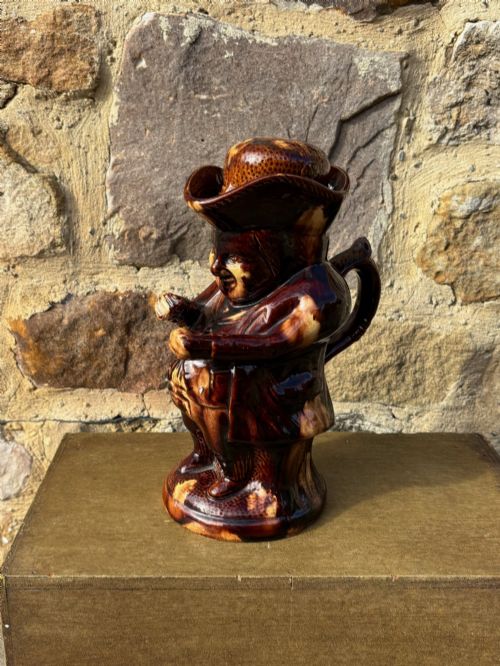
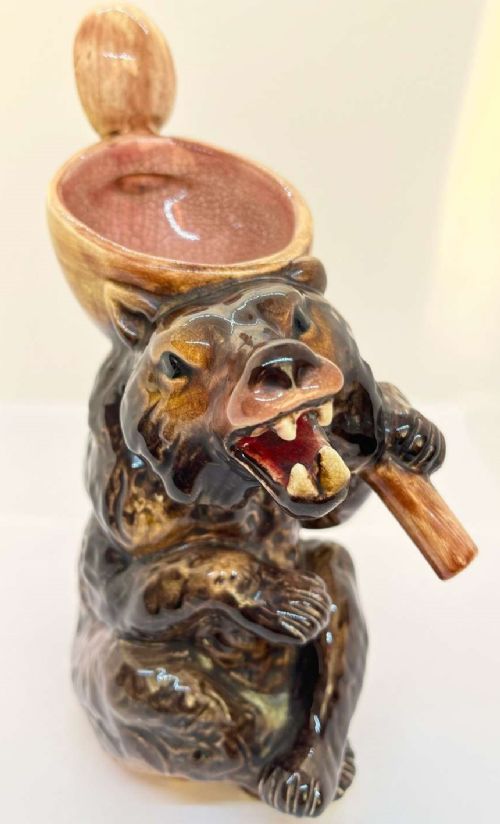
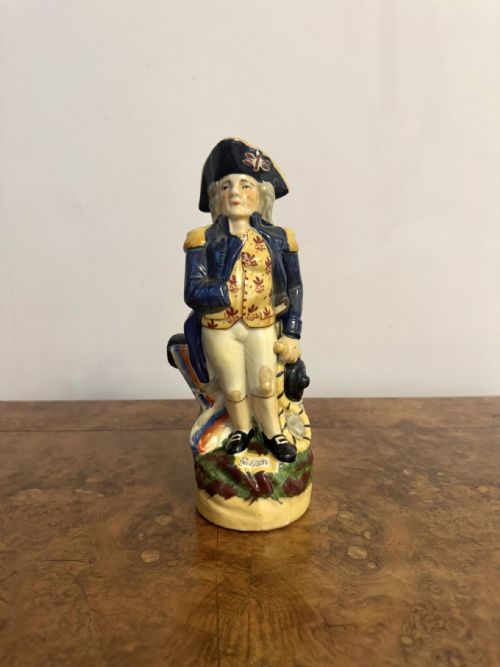
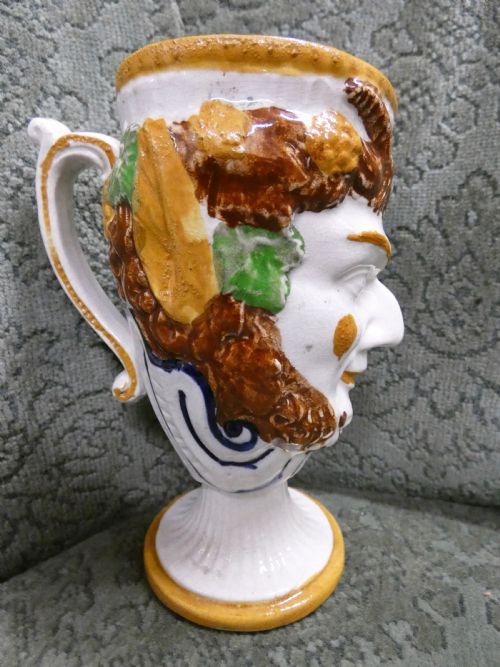
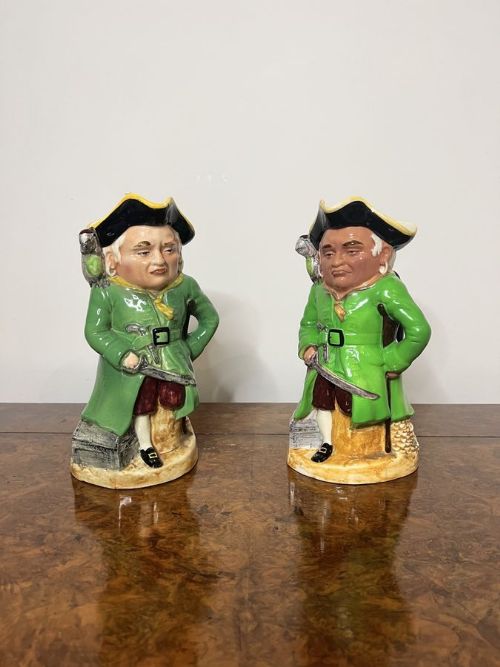
When you search for antique pottery character, you encounter figural vessels and figures rooted in Georgian and Victorian traditions. These objects take the form of toby jugs, character jugs, mugs, and vases shaped as notable figures, animals, and mythical beings.
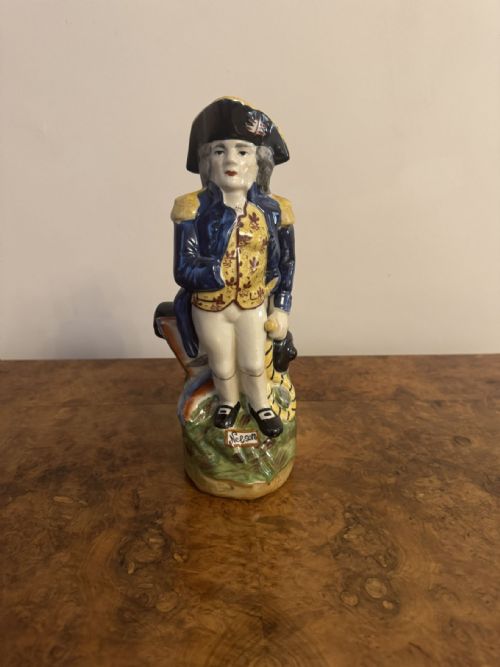
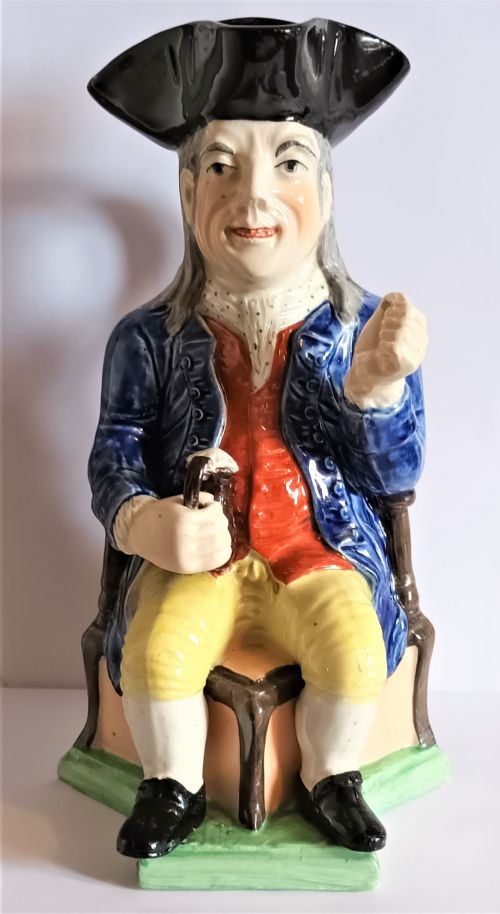
The version you are most likely to meet on this page is the Victorian Staffordshire toby jug, alongside earlier Dutch Delft faience and Georgian pearlware examples. Subjects range from historical commanders like Lord Nelson to literary characters and satirical figures.
Makers utilised earthenware, porcelain, and tin-glazed earthenware to model these vivid personalities, spanning periods from the eighteenth century into the twentieth century. Each piece serves simultaneously as a functional vessel and a sculptural portrait.
How they were made
Potters shaped these character pieces using earthenware and porcelain bodies, frequently applying lead glazes, enamel, and tin glazes to achieve their colourful surfaces. Staffordshire potteries and Dutch workshops moulded these materials into complex figural forms before firing.
Antique Pottery Character Retail Price Guide 2026
Typical asking prices for pottery character among the pieces listed under this phrase on Sellingantiques today, from the lower quarter to the upper quarter. They describe what is for sale here now, not the wider market.
Some nineteenth-century revellers clutch their jugs so tightly that even the frogs inside the mugs appear startled.
What varies in quality
The depth of the glaze and the complexity of the palette separate standard wares from exceptional examples. A superior piece captures the distinct character of the subject through confident modelling and stable ceramic bodies.
Pieter Verburg
The Antique Pottery Character Glossary
- Toby jug
- A pottery jug depicting a seated, heavy-set person, usually wearing a eighteenth-century costume and tricorn hat. These figures often hold a mug of beer or a pipe.
- Majolica
- A type of earthenware covered with an opaque tin-lead glaze and decorated with coloured metal oxides. Victorian examples showcase vibrant, glossy green, brown, and blue tones.
- Pearlware
- A refined earthenware developed during the Georgian period featuring a thin, pale blue-tinted glaze over a whitish body. It bridges the gap between creamware and true porcelain.
- Faience
- European tin-glazed earthenware produced with a porous buff body. Dutch workshops utilised this technique to create elaborate figural vessels.
- Satyr
- A mythological creature with the ears and tail of a goat, frequently depicted on Georgian and Victorian drinking vessels. These figures celebrate festive and bacchanalian themes.
Antique Pottery Character: Frequently Asked Questions
What is a toby jug?
A toby jug is a pottery vessel shaped as a stout, cheerful figure, traditionally holding a mug of ale. These pieces date back to the Georgian era and remain popular for their distinct personalities.
They function as both sculptural ornaments and historical documents, capturing the fashion and humour of past centuries.
How do I date a character jug?
Dating relies on examining the ceramic body, glaze characteristics, and the subject matter depicted. Georgian pieces often feature pearlware bodies, while Victorian examples introduce majolica glazes and distinct Staffordshire modelling.
Matching the historical figure to a specific era provides a reliable indicator of the piece's age.
Were these jugs used for drinking?
Many character jugs and mugs served practical functions at the table or tavern for serving ale and wine. Others were primarily decorative mantel ornaments intended to amuse guests.
Usage varied depending on the material, with robust earthenware handling daily service better than delicate porcelain figures.
What is Staffordshire pottery?
Staffordshire pottery refers to wares produced by numerous factories situated in the Midlands of England. This region became the heart of British figural ceramic production during the eighteenth and nineteenth centuries.
Potters there specialised in affordable, expressive figures that chronicled British life, politics, and folklore.