




Antique Pottery Box
An antique pottery box is a small ceramic container made to hold trinkets, coins or condiments, offering a tangible piece of domestic history.
Antique Pottery Box
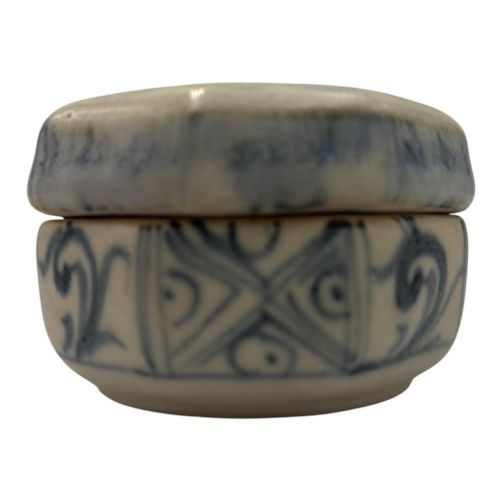
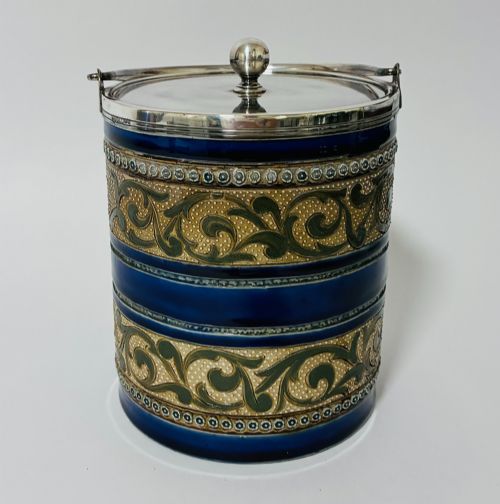
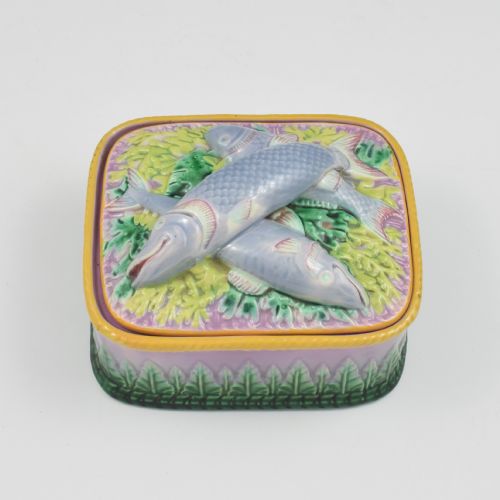
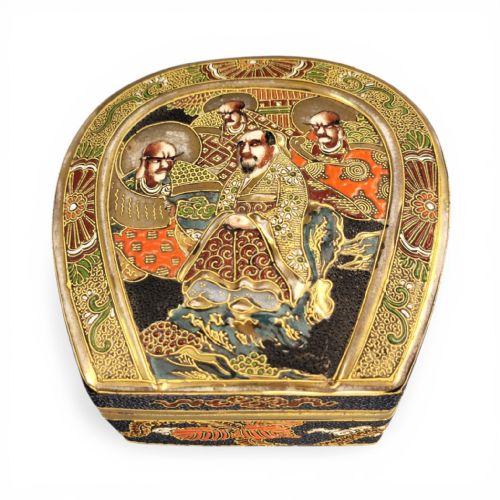
When you search for an antique pottery box, you encounter a diverse range of lidded containers spanning several centuries and ceramic traditions. The selection includes utilitarian money boxes from Dorset, decorative sardine boxes, trinket boxes, and patch boxes.
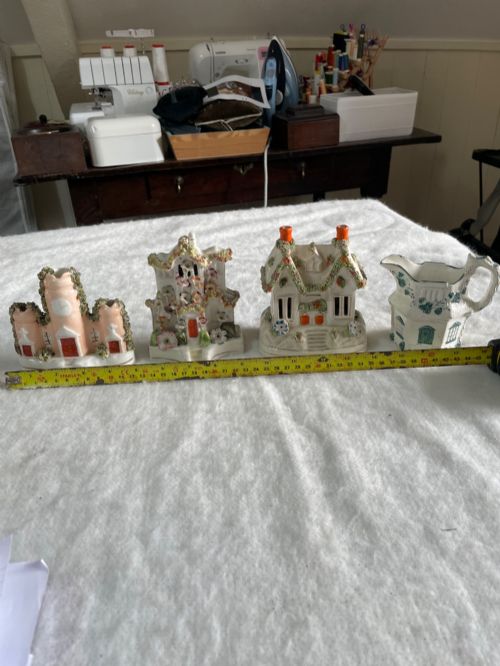
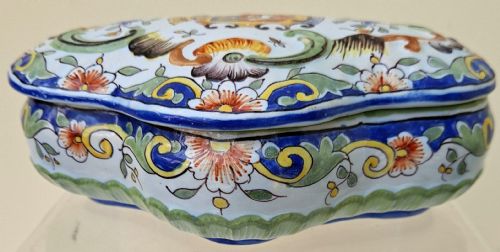
Victorian examples in earthenware and majolica sit alongside Georgian pieces and French faience. You are just as likely to find a Staffordshire cottage money box as an Art Deco ceramic bonbonniere from Limoges.
The forms range from functional savings banks and sardine dishes with covers to delicate porcelain patch boxes and covered vessels. Each piece reflects the domestic habits and decorative tastes of its specific period of manufacture.
How they were made
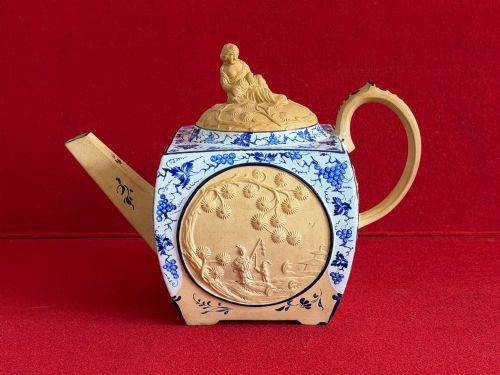
Makers utilised earthenware, stoneware, and porcelain, applying tin glaze, enamel, and gilt to finish the surfaces. Many items received colourful majolica glazes or intricate blue and white painting under the glaze.
Moulding and throwing formed the base bodies of these containers, which were then fired in kilns before hand-painting or transfer printing was applied. Some pieces incorporated metal elements, such as silver-plated mounts or hinges.
Antique Pottery Box Retail Price Guide 2026
Typical asking prices for pottery box among the pieces listed under this phrase on Sellingantiques today, from the lower quarter to the upper quarter. They describe what is for sale here now, not the wider market.
Some nineteenth-century chickens on nests were hollowed out specifically to sit on breakfast tables guarding warm eggs.
What varies in quality
The distinction between standard domestic items and superior examples lies in the crispness of the moulding and the skill of the hand-painted decoration. Finer pieces display vibrant, evenly fired glazes and carefully detailed surface modelling.
Attribution to known makers or specific regional potteries elevates the interest of a container. The preservation of original lids, covers, and associated surface gilding or enamelling dictates the overall integrity of the piece.
Spode·Doulton Lambeth·George Jones·Toshozan·Thomas Forester and Sons·Julius Dressler·Limoges
The Antique Pottery Box Glossary
- Earthenware
- A porous pottery fired at lower temperatures, requiring a glaze to become impermeable to liquids. It forms the body of many traditional money boxes and cottage models.
- Majolica
- A colourful lead-glazed earthenware popular during the nineteenth century. It is known for its bright, relief-moulded botanical and animal designs.
- Bonbonniere
- A small ornamental box specifically designed to hold sweets or confections. Ceramic versions often date from the Art Deco period.
- Patch box
- A tiny container originally used to hold cosmetic patches for the face. These delicate items were frequently produced in porcelain or enamel.
Antique Pottery Box: Frequently Asked Questions
What did they store inside?
These lidded containers held small valuables, coins, cosmetic patches, or food items like sardines and bonbons. Their contents depended entirely on the specific form and intended domestic use of the vessel.
Money boxes secured savings, while patch boxes and trinket containers sat on dressing tables to keep personal accessories safe and organised.
How do I date a ceramic box?
Dating relies on stylistic markers such as glaze chemistry, moulding techniques, and decorative motifs associated with periods like the Georgian era or Art Deco. Examining the base and interior can also reveal manufacturing clues.
Maker marks and registration stamps stamped into the ceramic body provide definitive clues to the exact decade or year of production.
Are lids usually original?
Lids and covers were frequently separated or damaged over decades of use, making original matched pairs particularly sought after by collectors. A correct fit and matching glaze tone indicate that the lid belongs to the base.
When evaluating a covered box, inspect the rim and interior contact points for signs of replacement or later marriage.
Where should I display them?
Small ceramic containers suit tabletops, mantelpieces, and enclosed cabinets where they can be viewed closely without handling risk. Keeping them away from direct sunlight protects enamel and gilt surface decorations.
Grouping items by material or period creates a cohesive display that highlights the variety of forms available.